
Scientists have discovered an oasis of hidden life – located more than 2.5 miles beneath the surface of the Arctic.
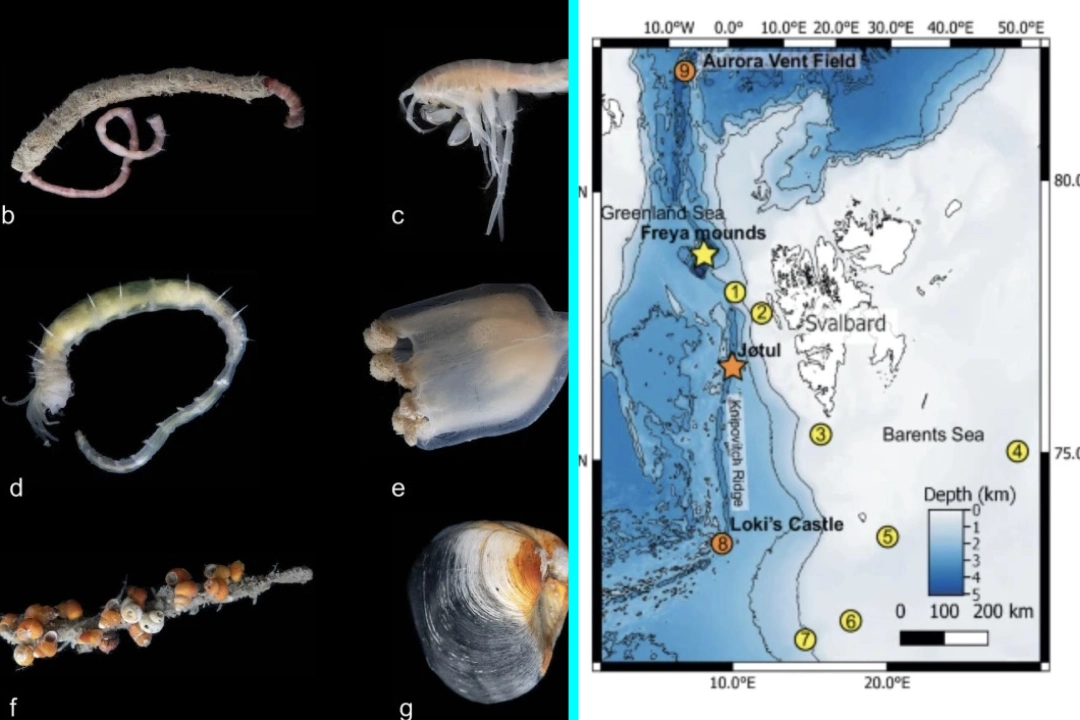
Freya Gas Hydrate Mounds were uncovered under the Molloy Ridge in the Greenland Sea, part of the Arctic Ocean.
It is a type of deep-sea gas formation that spits out methane, crude oil and other gases.
READ MORE: Teen almost causes lorry crash in reckless chicken stunt for likes
Amazingly it has allowed the growth and cultivation of life at depths that usually would be entirely inhospitable.
In fact, they have formed a type of “forest” deep below the surface of the Arctic Ocean, the researchers concluded.
This has allowed life in various forms to flourish without sunlight, instead feeding off chemical energy released from the mounds.

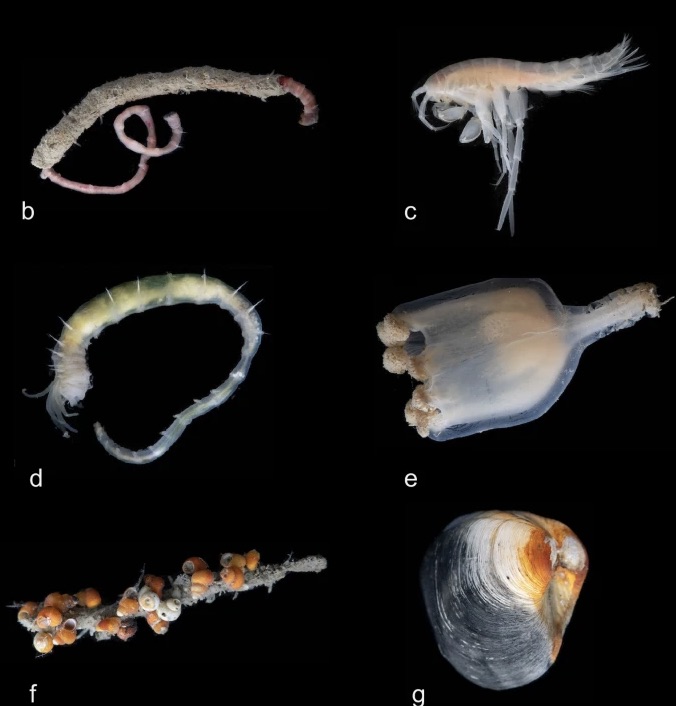
Caridean red shrimp, amphipods, sponges and even certain species of fish were all spotted at the extreme depths visited by the ROV.
The scientists’ study states, as reported by Need To Know: “Methane seepage and crude oil were directly observed and sampled with the Remotely Operated Vehicle (ROV), revealing hydrocarbon seepage supporting chemosynthetic life ~1770 m deeper than any other Arctic cold seeps and at depths comparable with the nearby high-Arctic hydrothermal vents in the region.”
This means the ROV spotted samples supporting life almost a mile deeper than typically found in the depths of the Arctic, making the gas mounds incredibly unusual.
Analysis of the samples by the team, led by Giuliana Panieri and Jonathan Copley, will reveal more about the site’s geology and ecology, improving the understanding of deep-sea life and biodiversity in the Arctic region.
READ MORE: ‘I thought plane was cause of blocked ears – then doctors found lime-sized tumour on my brain’