
Archaeologists have uncovered a mysterious Iron Age burial site containing the skeleton of a woman – with one expert speculating it could even have been an ancient “hot tub”.
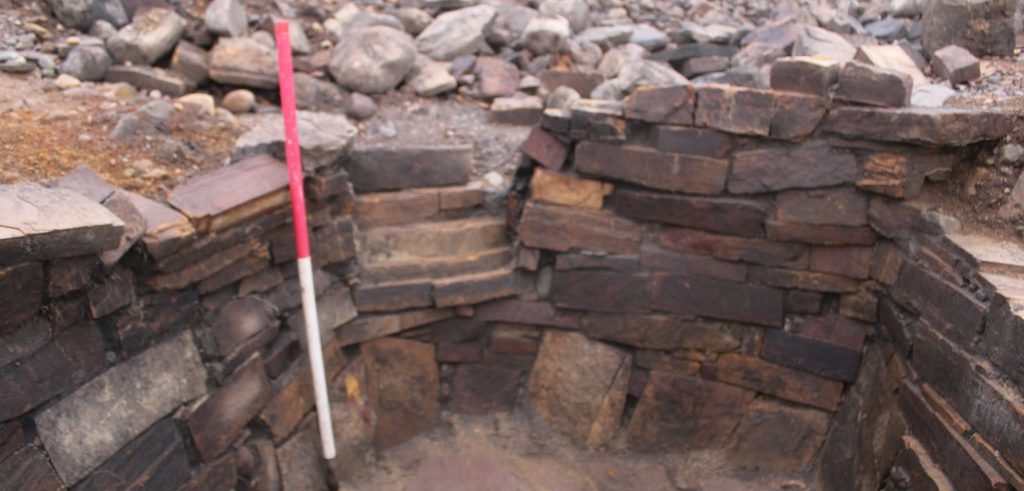
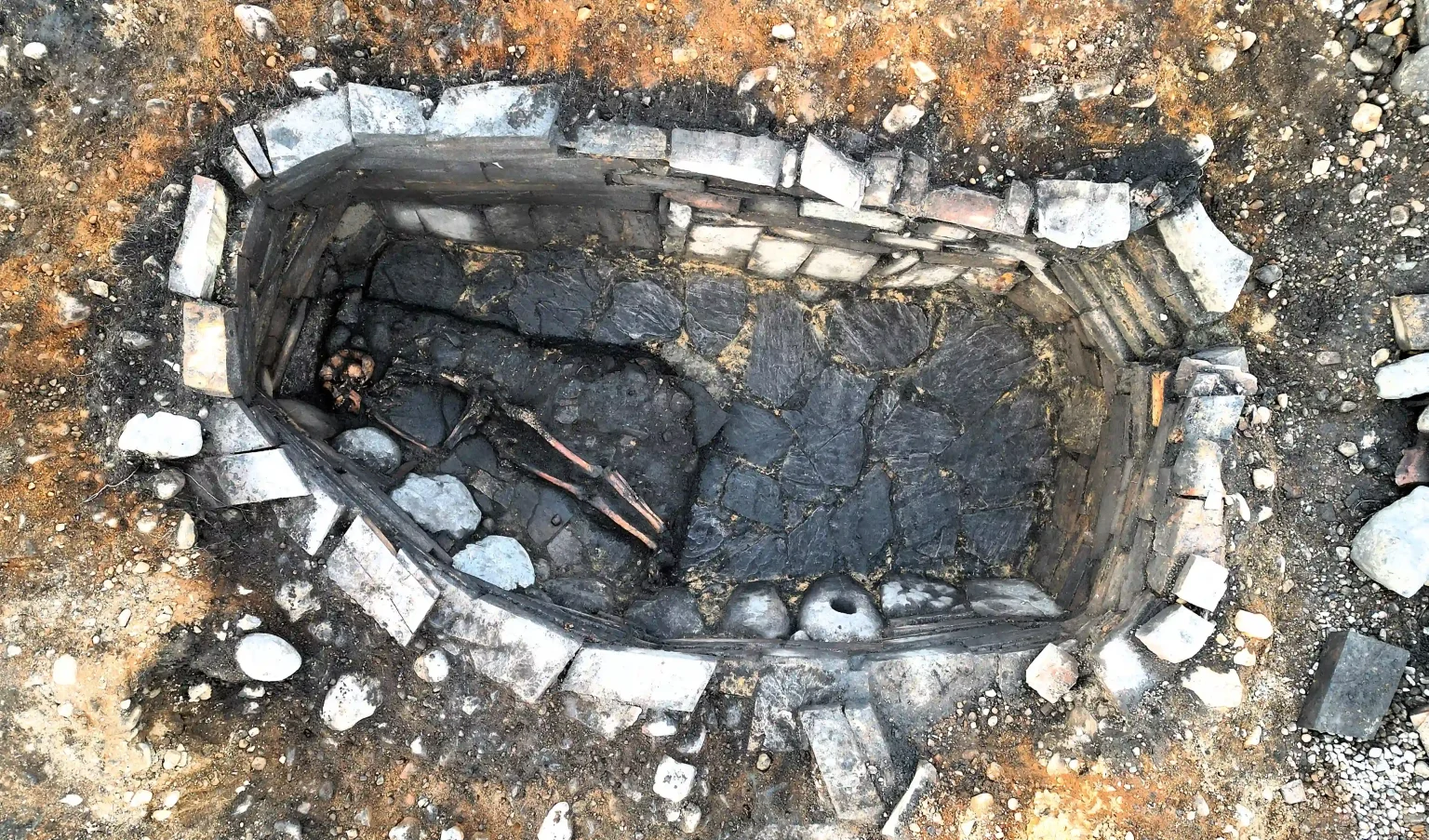
The remarkable stone-lined pit may have lain undisturbed for around 2,000 years before being discovered during work to expand a quarry.
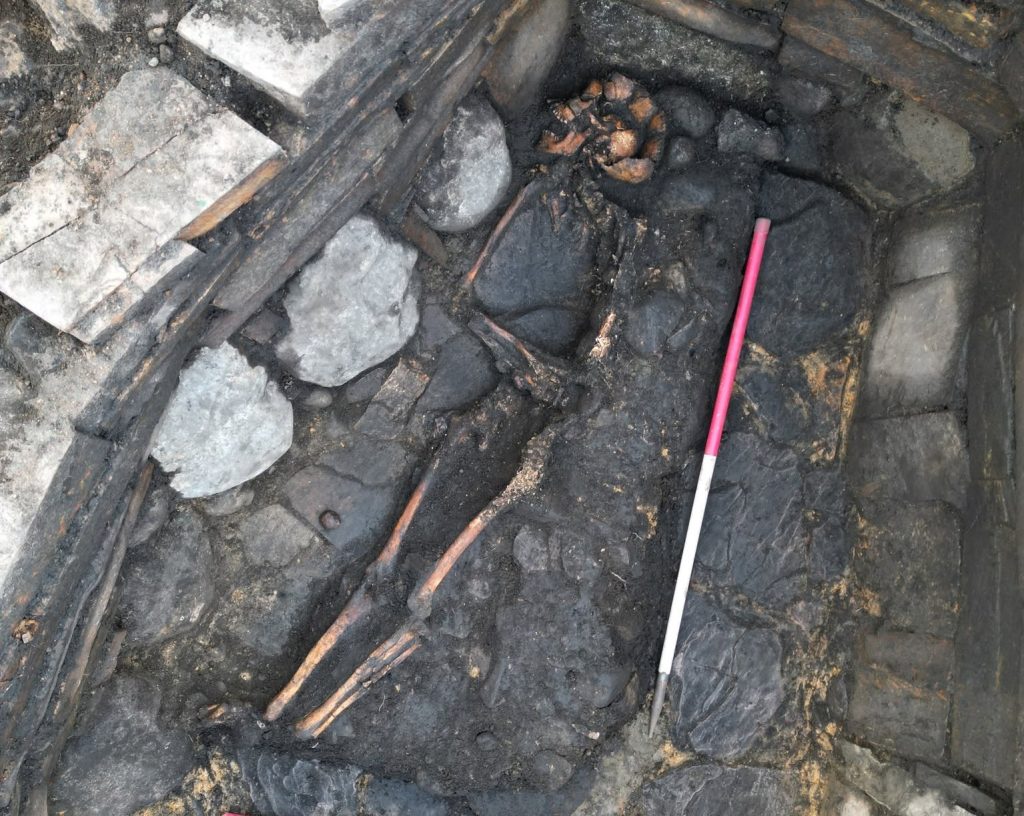
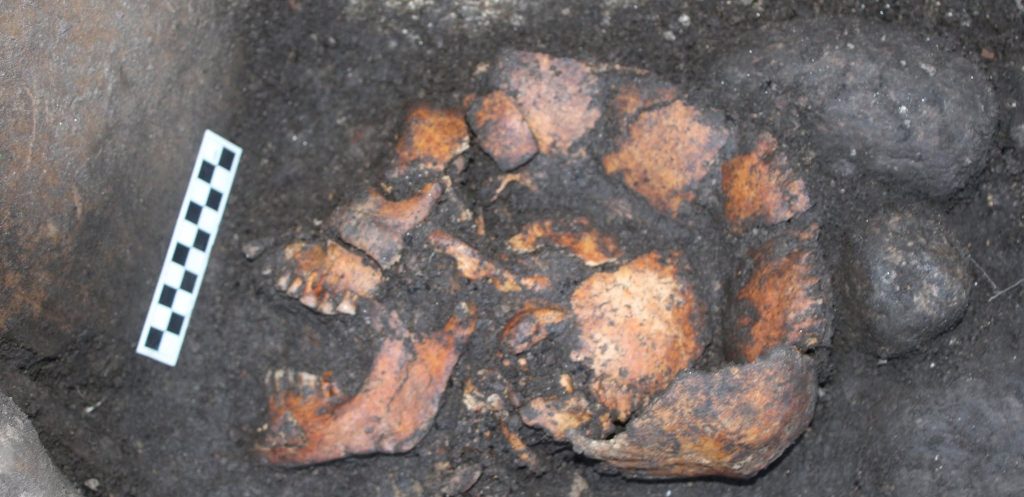
Tucked into one corner were human remains thought to have been buried there during the Iron Age.
READ MORE: £1BN business park planned for site where firefighters and father-of-two died
The discovery was made at Evelix, near Dornoch, Sutherland, by Highland Archaeology Services (HAS).
Experts will now carry out further analysis in a bid to learn more about the woman and the purpose of the unusual structure, as reported by Need To Know.
Lachlan McKeggie, of HAS, said: “It’s not unusual to find pits and postsholes especially in an area so rich in archaeology but this is a possibly unique site with nothing else quite like it.
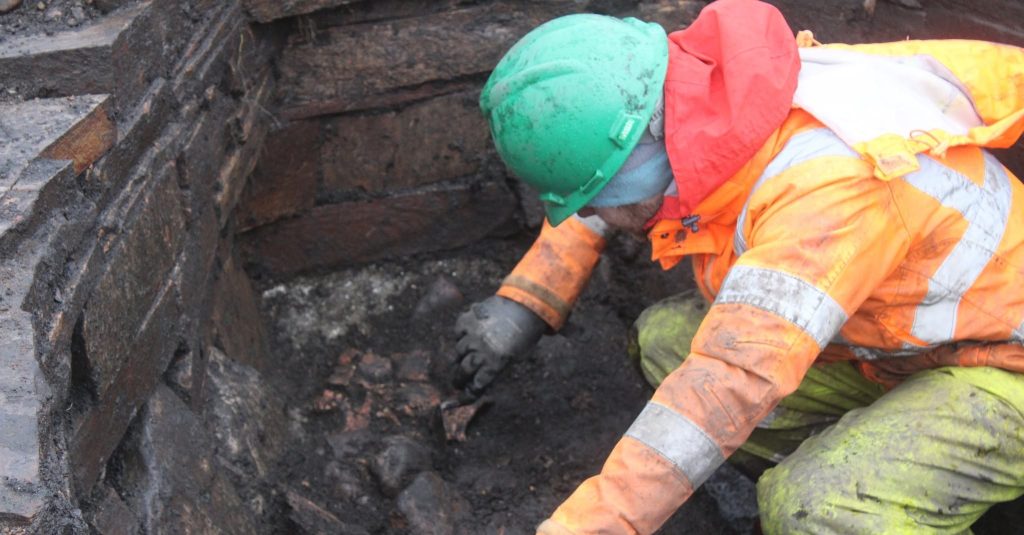
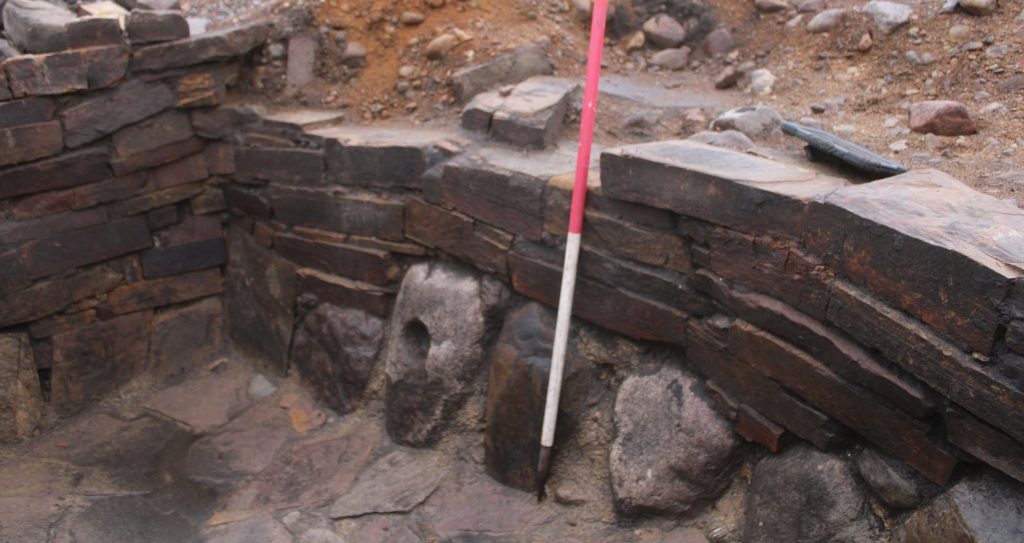
“When site staff first saw the pit and how well the stone lining was built they thought it might be modern, but the finds inside, and this style of building, all point to an Iron Age date.
“I like to imagine that it’s an Iron Age hot tub but that is speculative.
“It will have been built with a purpose but we just don’t know what that was yet.”
The pit measured around 10ft long, 6.5ft wide and just under 3ft deep.
Despite being slightly irregular in shape, its stones appeared to have been expertly fitted together without mortar.
The base was lined with stone slabs, while clay had been pushed into gaps in the stonework, possibly to help it hold water.
Shallow stone steps were also built into one corner, reaching around halfway down the pit.
One of the stones forming the walls had previously been used as a mortar or grinder base and featured a distinctive hollow.
The structure was discovered on a slight ridge at the edge of the existing quarry, nestled between post holes dug into natural sand and gravel.
The holes are evidence of timber posts which may once have formed part of Iron Age roundhouses.
Experts believe the stone-lined pit may have been incorporated into an above-ground structure and used for storage or another purpose.
At some stage, possibly after years of use, it appears to have been filled in and deliberately sealed off.
The steps had seemingly been blocked with large rounded stones, which were found beneath a fence on the surface of the field.
HAS said similar practices have been seen at other Iron Age sites, where human remains were sometimes buried within structures after they fell out of use.
As well as the skeleton, archaeologists recovered half a stone bowl or lamp and a large quantity of animal bone from the pit.
The site is being documented through photographs and 3D scans, with the information set to be uploaded to the Highland Historic Environment Record.
Experts considered preserving the structure in place but decided it would not survive being exposed to the elements after spending centuries underground.
It will instead be “preserved by record”, with photographs, 3D scans and further details due to be made publicly available through the Highland Historic Environment Record in the coming months.
The skeleton will later be made available to Treasure Trove Scotland for potential allocation to a museum.
READ MORE: Huge search for British soldier, 22, last seen walking across bridge at midnight