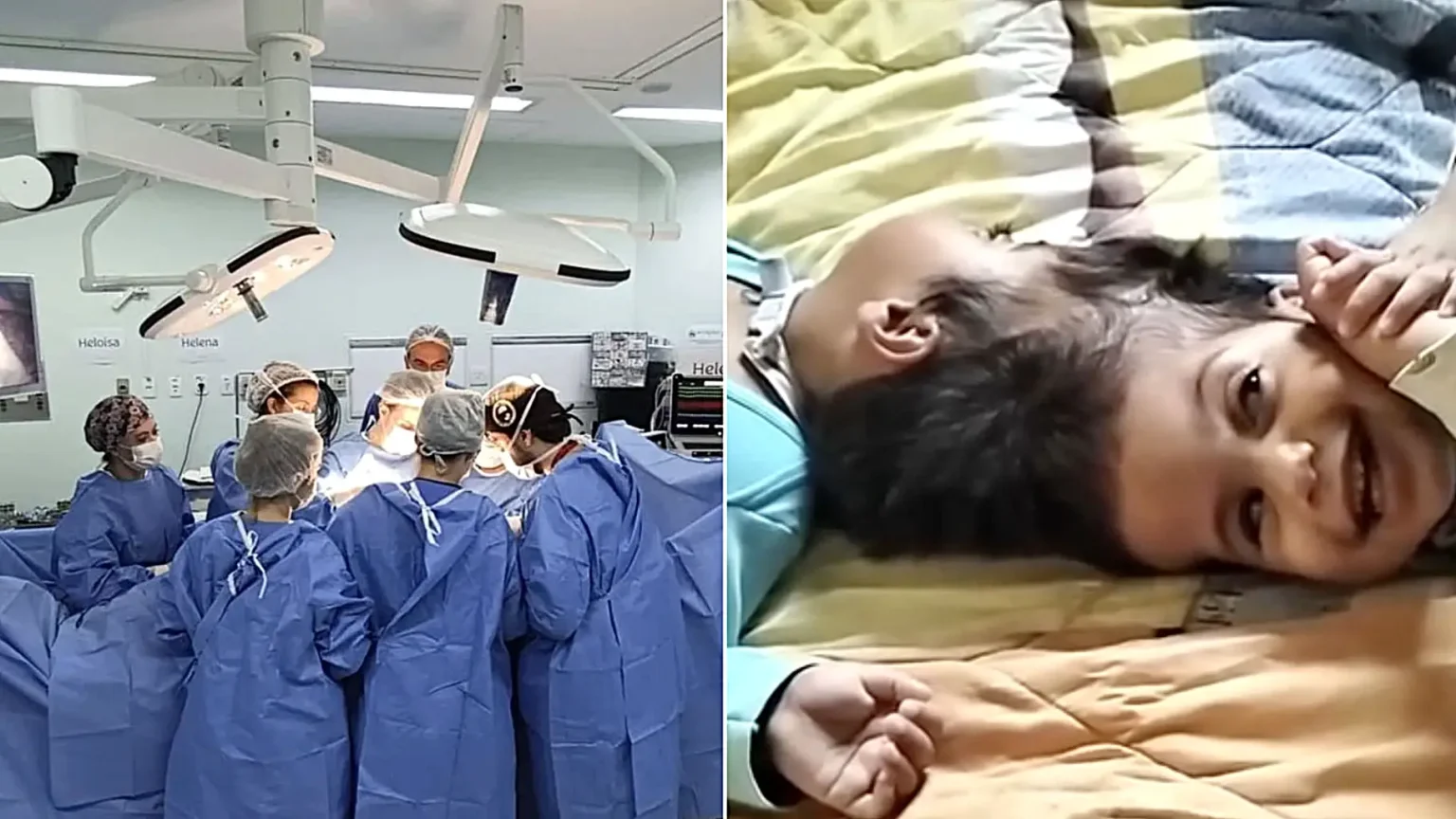

Conjoined twins who were born joined at the head have died after undergoing the final stage of a complex separation surgery.
Heloísa and Helena, aged two years and seven months, died on Saturday (15 August) after the 15-hour operation.
The sisters had undergone four previous procedures over the past year in preparation for the final separation.
More than 50 medical and support staff were involved in the operation, which was intended to completely separate the girls and allow them to begin rehabilitation independently.
The medical team said the twins experienced haemodynamic instability and changes in blood pressure during the procedure at Hospital das Clínicas in Ribeirão Preto, Brazil.
One girl developed low blood pressure, while the other suffered high blood pressure, as reported by Need To Know.
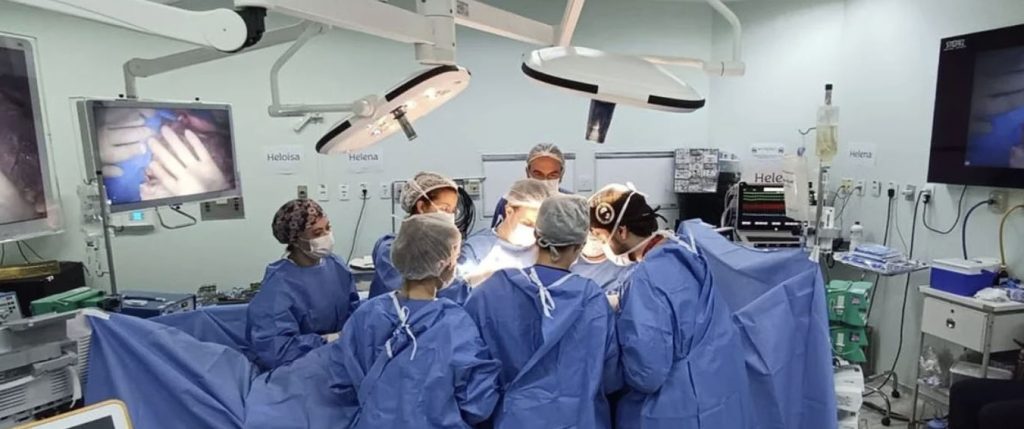
Haemodynamic instability occurs when the cardiovascular system is unable to maintain adequate blood flow and blood pressure to vital organs. In severe cases, it can lead to multiple organ failure.
According to the hospital, the girls were completely separated, but their condition deteriorated afterwards.
Helena suffered a cardiorespiratory arrest at 11.12pm and was resuscitated for 25 minutes before being pronounced dead at 11.37pm.
While Helena was still being resuscitated, Heloísa suffered a cardiac arrest at 11.26pm. She also failed to respond to 25 minutes of resuscitation attempts and was pronounced dead at 11.51pm.
Plastic surgeon Jayme Farina Júnior, one of the doctors coordinating the team, said the girls’ bodies were particularly fragile.
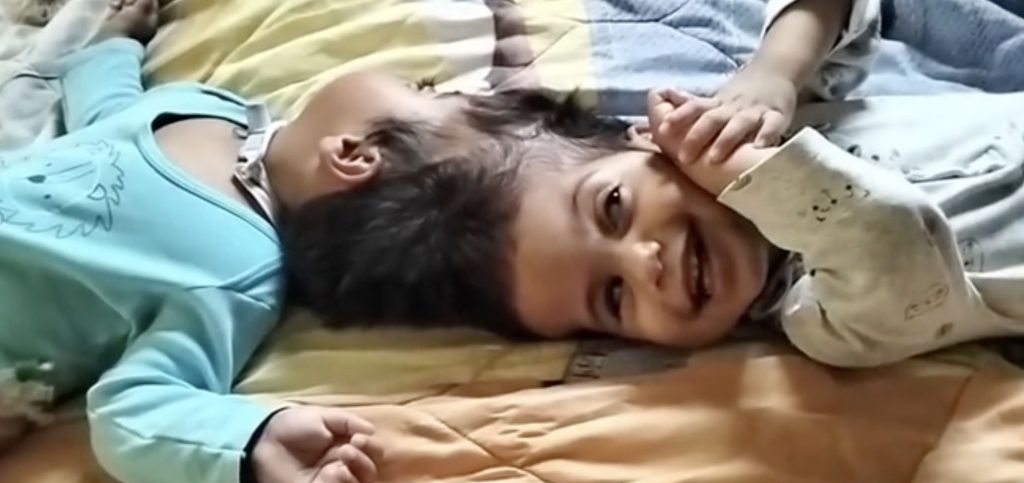
“They had many bouts of pneumonia, they had a tracheostomy, they needed a gastrostomy for feeding, and they had episodes that also weakened their bodies.
“But at the moment of the final separation, their bodies could not withstand this instability. And then they progressed to cardiac arrest.”
The sisters’ father, Amarildo Batista da Silva, thanked the doctors and hospital staff for their efforts despite the tragic outcome.
The girls had undergone four operations since August 2025, with the first completing around 25 per cent of the planned separation and the third reaching approximately 75 per cent separation of their shared brain tissue and blood vessels.
The fourth operation involved fitting tissue expanders to increase the amount of skin available to close their skulls after the final separation.
The case was the third involving craniopagus twins to be treated at Hospital das Clínicas in Ribeirão Preto.
The girls’ treatment was fully funded by Brazil’s public healthcare system, meaning there was no cost to their family.
Heloísa and Helena were buried on Sunday (16 August) in São José dos Campos, where their family lives.
Their father said he did not see their deaths as a defeat for the medical team.
“Every child you lose is a defeat, every child you manage to save is a victory. I am sure you have far more victories than defeats, so this does not become a defeat.”
READ MORE: How lack of sleep affects the heart: what the latest research says