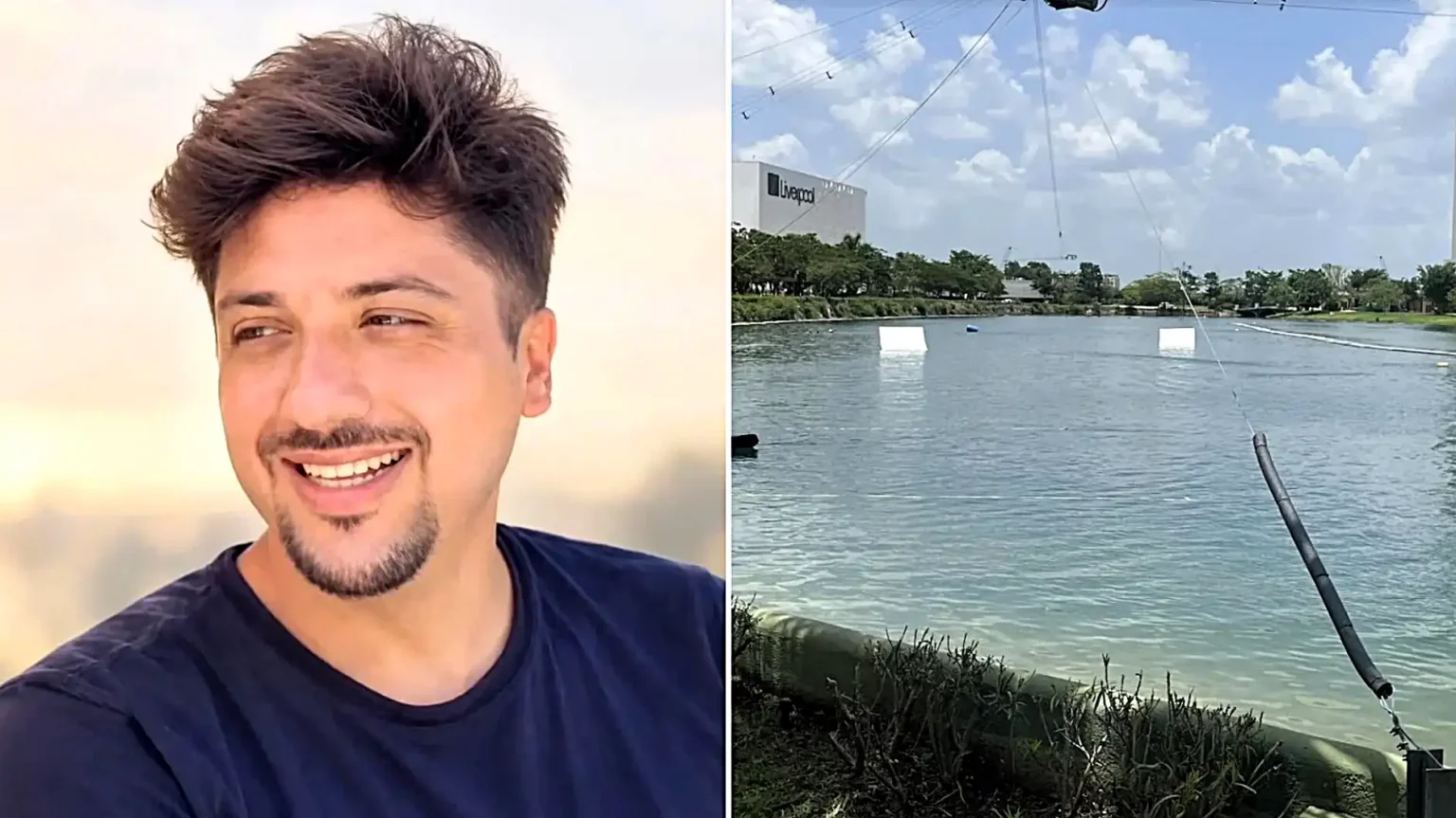

A wakeboard instructor has died after catching a rare ‘brain-eating amoeba’ at work.
Carlos, named by his family as 33, fell ill after spending several days holding classes on a shopping-centre lake.
Doctors confirmed he had Naegleria fowleri, a rare amoeba that reaches the brain through the nose.
He was rushed into intensive care with a raging fever, a swollen brain and a sudden neurological collapse.
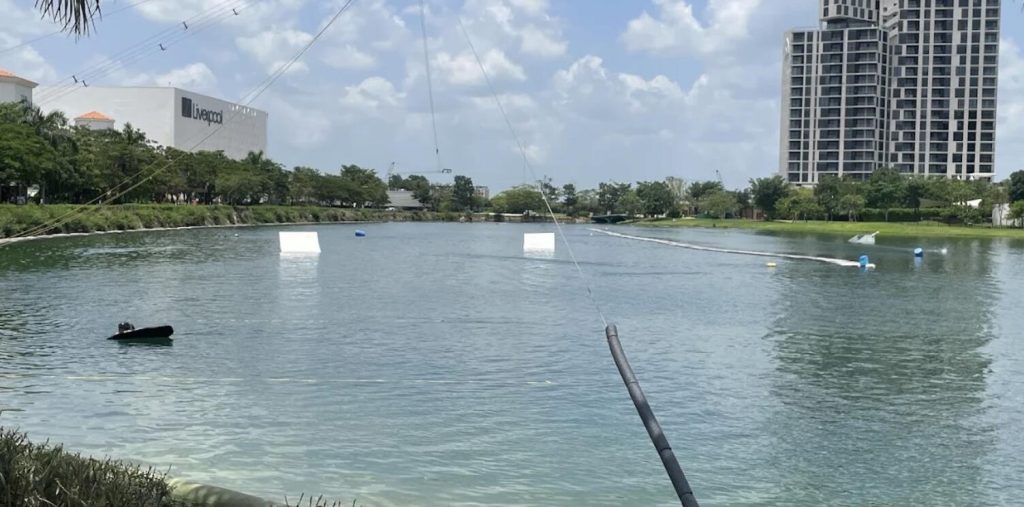
The infection was traced to an artificial lake at Plaza La Isla shopping centre in Merida, Mexico.
Official records said he worked there for Fornelos Wake Yucatan, teaching riders to fly across the artificial lake.
He was admitted to the IMSS Regional General Hospital No. 12 on 2 September and died on 8 September.
National labs found the same organism in his body and in samples from the lake.
Health chiefs shut down the lake, cancelled wakeboard classes, and opened a sanitation probe.
Yucatan health secretary Miguel Alberto Alcocer Gamboa said about 300 people who used the lake in August were put on watch.
Some 240 are still being monitored until early October, and no second case has been confirmed.

State health services called it the first official death of its kind in Yucatan.
“It is a serious and extremely rare disease,” officials said.
They added: “Anyone who has violated health regulations will be sanctioned.”
The bug is not passed from person to person and cannot be caught by drinking the water, as reported by Need To Know.
A relative wrote: “Carlos lost his life doing his job.

“If the proper care had been taken, that amoeba would not have been there, and it puts everyone who uses this lake at risk, many of them children.”
The family also said the firm never rang and tried to dress the closure up as routine maintenance.
They added that his name would now protect others “because thanks to him that place stays closed”.
Officials insist the lake is not linked to the drinking-water network and that “there is no risk to the population”.
The lake remains shut while clean-up and inspections continue.
READ MORE: How lack of sleep affects the heart: what the latest research says