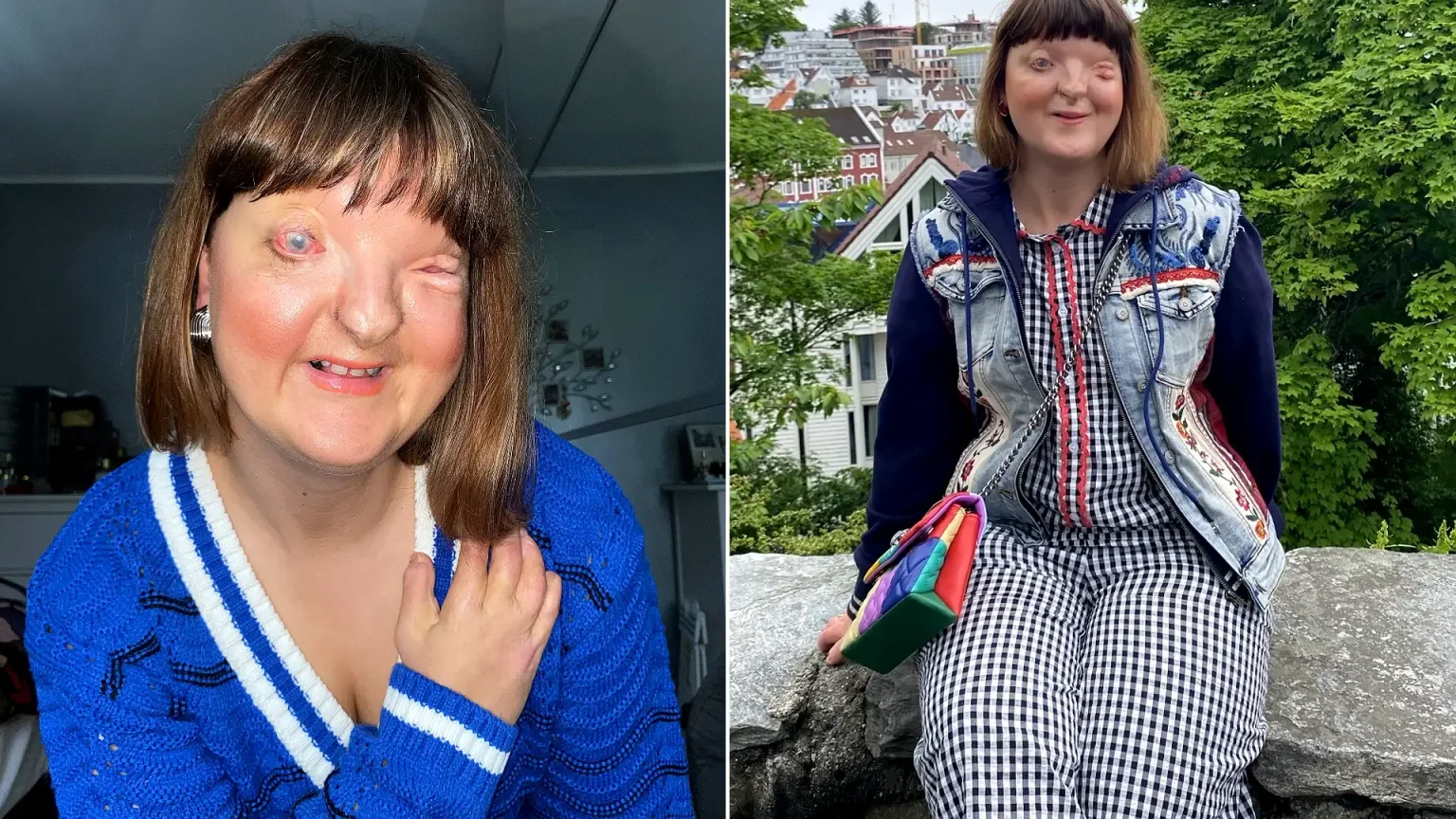

A disabled woman has hit back at a cruel troll who told her she’s the reason abortions exist after she shared an educational video about her rare genetic condition.
Kirsty Hill said her “heart sank” when she read the comment and she’s sick of people assuming her disability means her life must be “terrible and unfulfilled”.
The 33-year-old who has Fraser syndrome is deaf, blind, was born with webbed hands and feet and has a facial difference, alongside breathing difficulties and several chronic illnesses.
READ MORE: Bodybuilder 33 dies on stage as wife warns of scam fundraiser
“I couldn’t help feeling disappointed that people still assume that my disability automatically means my life must be terrible and unfulfilled,” Kirsty, from Maesteg, South Wales, told Need To Know.
“Then I immediately wanted to challenge such a low opinion of my life, even though I know I shouldn’t have to justify my existence.
“I know there are plenty of people out there who assume I’m suffering.
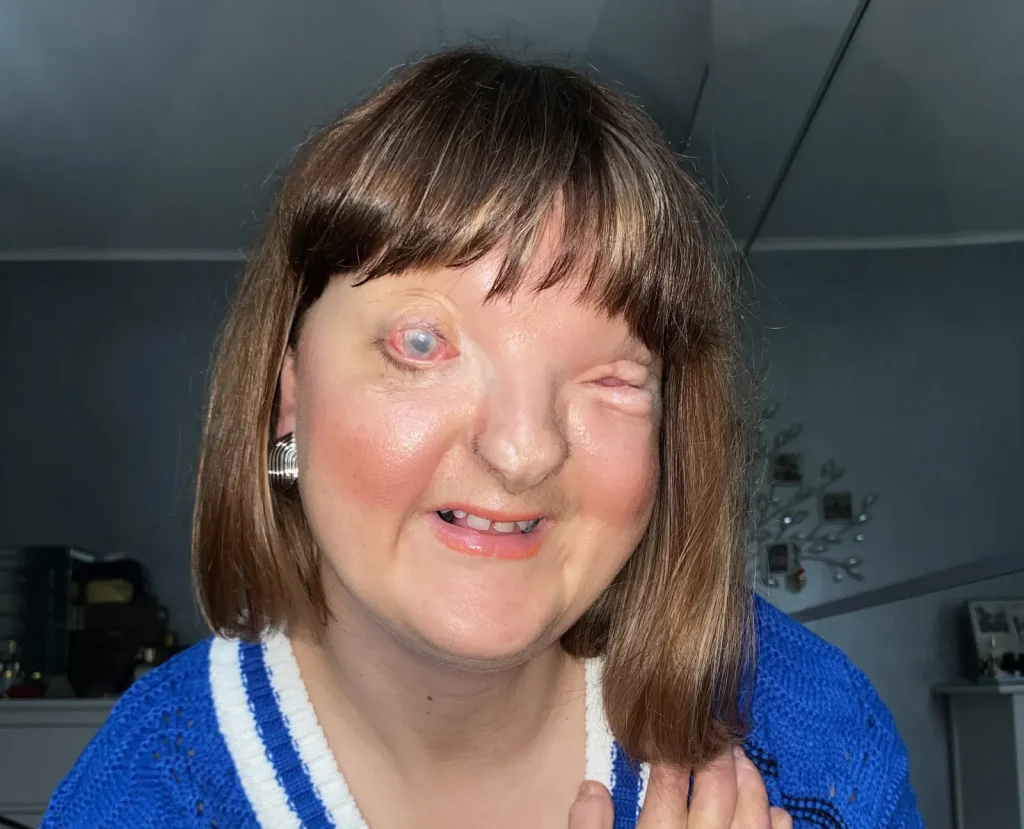
“Yes, I have bad days, but it seems irrelevant to bring up the abortion debate to a 33-year-old woman who has existed in her disabled body her entire life and made that life meaningful.
“I created a video replying to the comment, explaining that, even though I am fully pro-choice and support women’s right to bodily autonomy, it frustrates me so much when the abortion debate is weaponised against disabled people.
“The comment was made with no knowledge about what my life actually looks like.
“Yes, I struggle sometimes, but I’ve also achieved a lot, and those two concepts can be true at the same time.”
Kirsty has undergone more than 60 surgeries throughout her life.
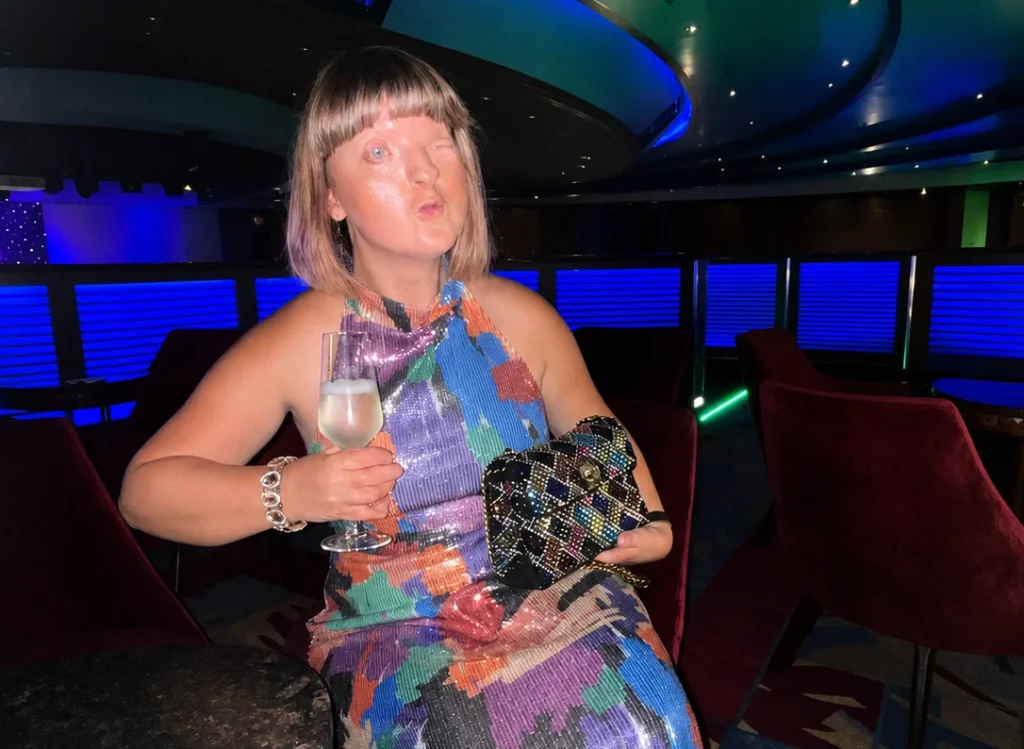
But despite the challenges she faces, Kirsty, who has a PhD in psychology, says there is far more to her than her disability. She is determined to challenge the idea that disabled people’s lives are worth less.
Kirsty said: “The comment made me angry and disappointed that lives like mine are still seen as less even in 2026.
“However, it has made me so much more determined to keep posting about my experiences online to increase visibility and familiarity with people who may appear different.
“I definitely think people have become way more comfortable posting hate comments online, especially towards disabled people.
“People are constantly making assumptions about my quality of life, simply from one look at my face, before taking time to get to know me and my experiences.”
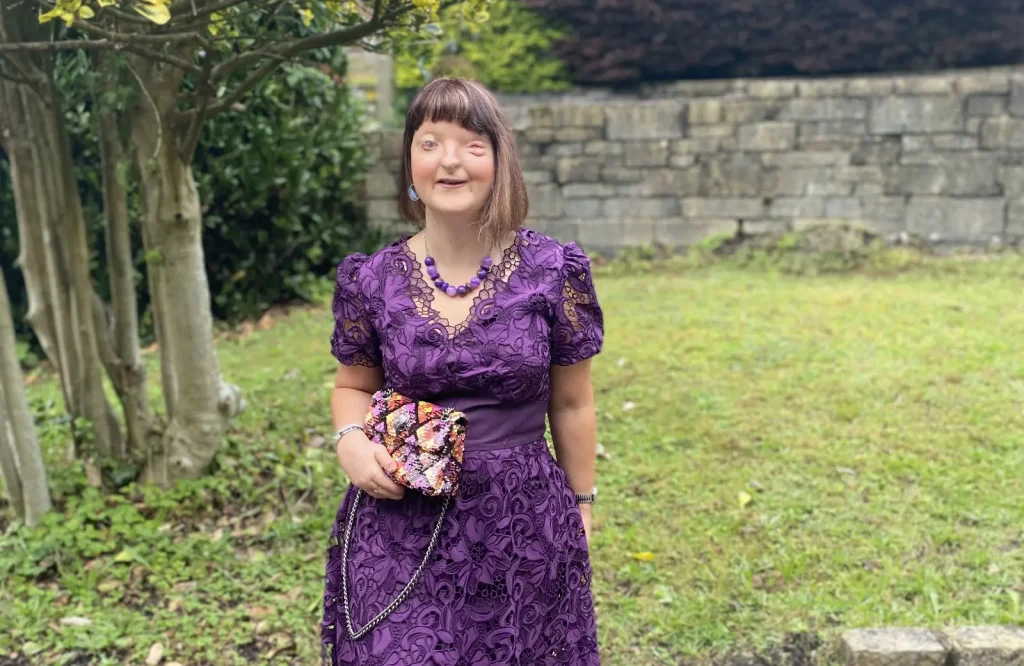
Kirsty was born with Fraser syndrome, a rare genetic condition which can affect the development of different parts of the body.
For her, the condition means living with deafness and blindness, syndactyly, where fingers or toes are fused together, breathing difficulties and a facial difference.
She also lives with several chronic illnesses, including endometriosis and Ménière’s disease, a chronic, long-term disorder of the inner ear that affects both balance and hearing.
Kirsty said: “I want people to understand that my condition is part of my life and has shaped who I am as a person, but it is by no means the whole story; there is so much more to me than just disability.
“I have an amazing family and friends, I have a PhD in psychology, I absolutely love fashion, art, and music and I’m a grade eight pianist.
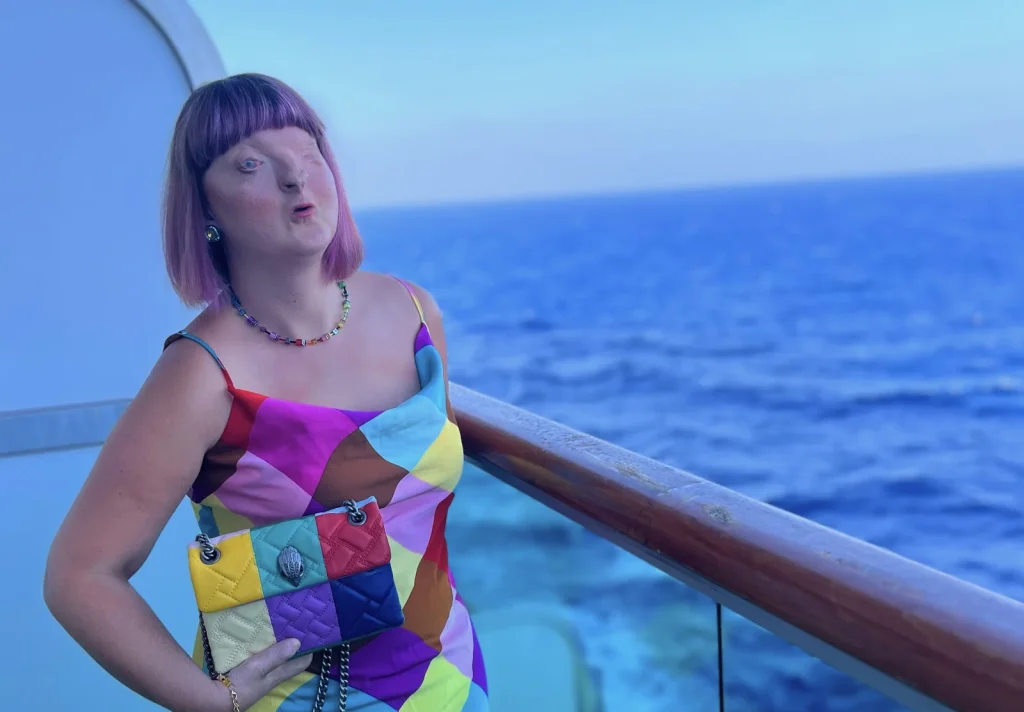
“However, even if I had achieved none of these things, my life should still be valued.”
Kirsty says another cruel troll even told her that her parents’ lives had “ended” after her birth.
She said: “That really hurt and I know that my family would be extremely upset by this.
“This is why comments like this go beyond targeting the person with the disability; they can be really harmful towards families too.
“Disability is one of the few groups that anyone can join at any time; it only takes one accident, one illness, one injury, one diagnosis like dementia or cancer.

“The only difference is that some of us have been in the game longer.”
She also believes social media platforms could do more to protect disabled people from abuse.
Kirsty added: “I think online platforms could be doing more to minimise abuse against disabled people, but I think it also needs to start with us as a society.
“People feel entitled to comment these things because they see no consequences for their actions.
“Anonymity is a huge part to play; most of my hate comments come from faceless profiles with no ties back to the individual.

“However, when I call these comments out, they are deleted very quickly, which tells me that people aren’t used to having their words and actions held up to them.
“I hope the person who left the comment really thinks about why the idea of disability makes them feel so uncomfortable, and I hope that by responding to the comment, I’ve made them rethink their assumptions about disability.
“I would tell anyone with a disability who has received hate comments that the commenter says nothing about you, and everything about themselves.
“Always remember that you deserve to take up space.”
READ MORE: ‘I thought my baby was pushing on my lungs – what doctors found by my heart terrified me’