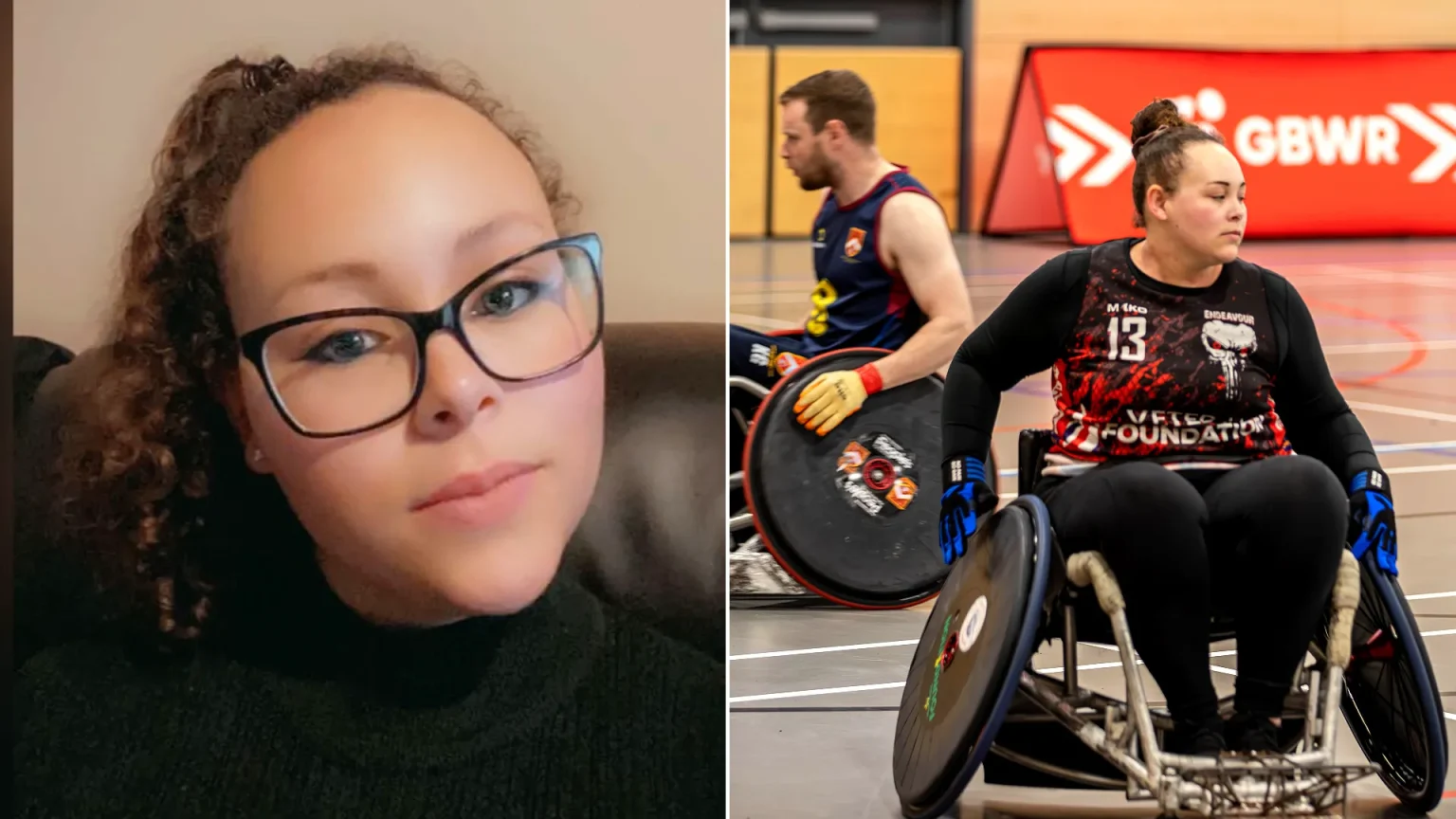

A disabled woman says the Chancellor’s energy bill boost is welcome – but it is “not enough”.
Danielle Dyson is faced with a tricky balancing act between everyday expenses and the costs associated with having a disability every month.
As the Autumn Budget is revealed today, she shared her thoughts on how the energy bills announcement could see people like her take the “blame” for the tax hike.
READ MORE: Fiancé of woman 31 missing EIGHT months says she may have ‘memory loss’
Danielle, from Plymouth, has a full-time job but says the real struggle isn’t paying for the essentials.
It’s paying for things such as specialist equipment, which, in turn, causes her energy usage to increase.
Danielle also lives with her mum, Beverley, who suffers from a disability, too.
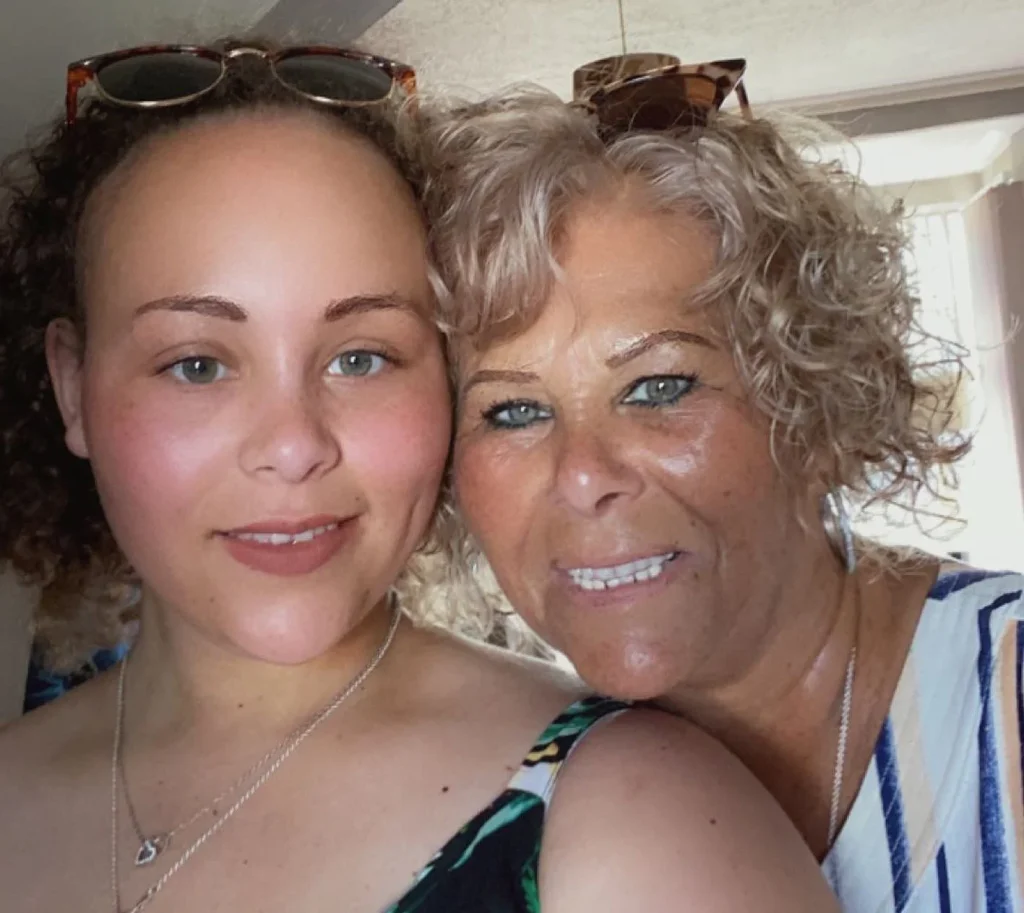
While the pair, aged 30 and 63, receive Personal Independence Payment (PIP) to help with additional expenses, this still doesn’t quite cut it.
She fears Chancellor John Healy’s vow to provide households within the A to D council tax bracket with an £100 energy payment won’t go very far at all.
“I appreciate the gesture, but it won’t last that long – especially when you need the heating on constantly,” Danielle told Need To Know.
“£100 a couple of years ago would’ve gone much further; but now, it won’t do much at all.
“It’s also concerning [about the welfare fund] as the disability community is always attacked.
“It’s possible we’ll get the blame now for tax rises.
“But I pay tax – like everyone else – and my money drains very quickly.
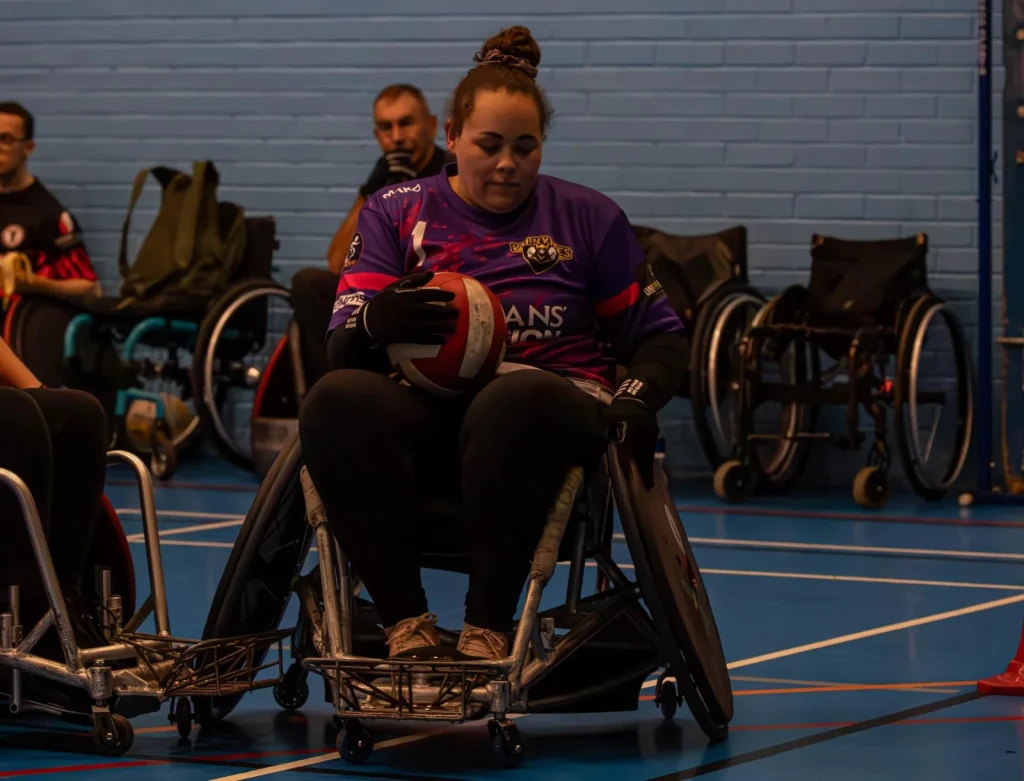
“I don’t think I’d be able to afford much more without risking cutting down on the essentials.
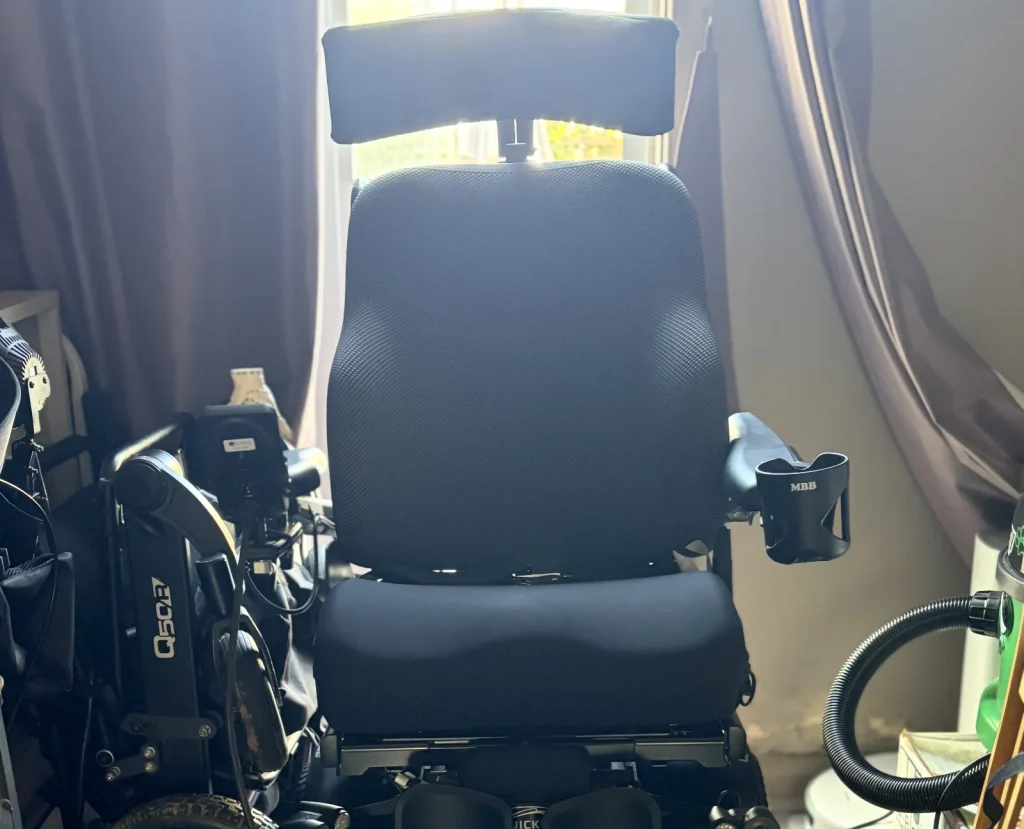
“We use a lot of electricity to charge chairs, for my hot water bottles, fans and having the heating on.
“We’re spending more daily than the average household just so we can do daily activities that able bodied people don’t need to function.
“I mean, with the money I spend on disability associated costs, I could’ve bought a house.
“We do manage our finances well and live comfortably within our means.
“But we are mindful of how quickly disability-related expenses can add up.
“Frozen ready meals can be really good value for money, particularly as some come in larger portions than either of us would eat individually.
“So we sometimes choose to share one because it’s more than enough for the both of us, rather than wasting food.
“It’s a sensible way of shopping and making our money go further.
“Because of our disabilities, standing for long periods and preparing meals can be difficult.
“So convenient meal options are practical for us.
“It’s about finding what works for our needs while being mindful of our spending.”
Danielle, who suffers from Ehlers-Danlos Syndrome – a connective tissue disorder – and Beverley, who suffers from degenerative disc and facet joint conditions, say their household energy costs have increased by approximately £20 per week, with monthly bills reaching £436.
Their weekly food shop is around £100, despite their thoughtful purchasing decisions.
Though they expect both costs to increase significantly post-Budget.
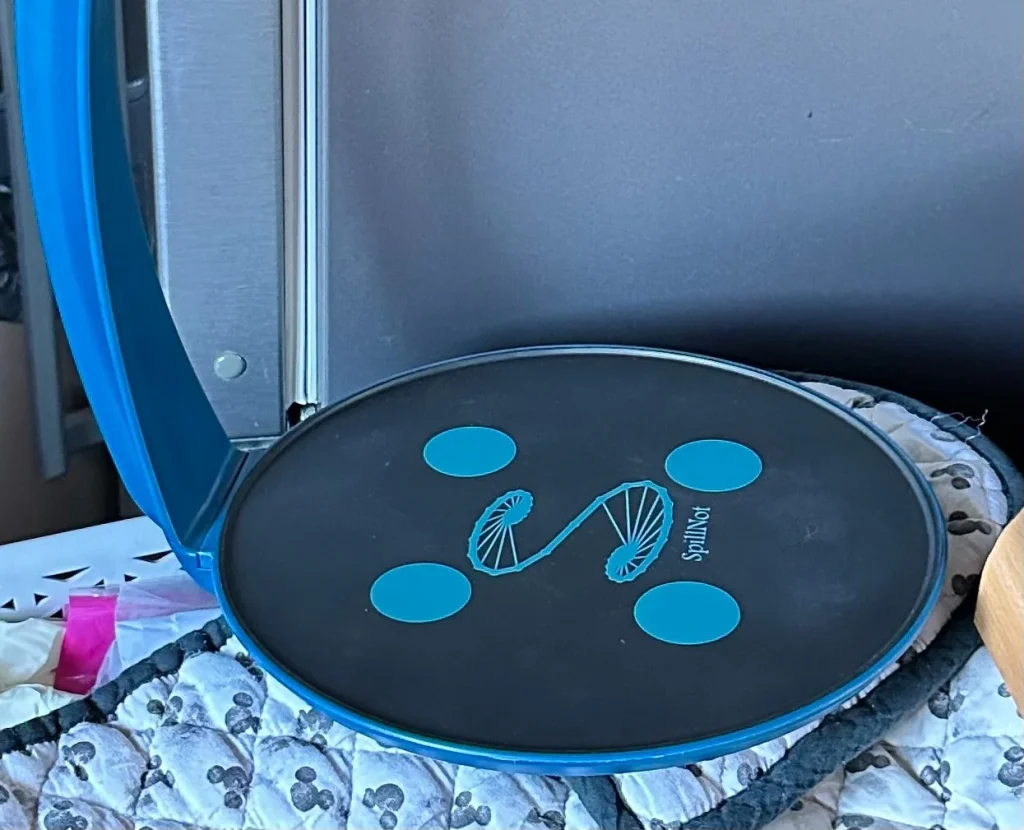
Then comes their additional expenses associated with their respective disabilities, including anti-tip cups, which are now £10 instead of £3.
Wheelchair tyre replacements have gone from £50 to exceeding £100.
Other expenses, such as incontinence products, have risen from £6 to £9, and they’ve also got to factor in £60 for a disabled parking permit, as well as a further £245 to repaint their disabled parking bay regularly.
With the cost of everyday essentials continuing to rise, and families being squeezed more than ever, Danielle believes it’s important to raise awareness about those with disabilities, too, as they’re often ‘left behind’.
She said: “We’re fortunate that we manage our money carefully and can live comfortably.
“But that doesn’t take away from the fact that having a disability comes with additional costs that many people don’t necessarily think about.
“We use more electricity because we need to charge our mobility equipment and use things like heat pads, fans and heating to help manage our conditions.
“These aren’t luxuries; they’re things to help us manage everyday life.
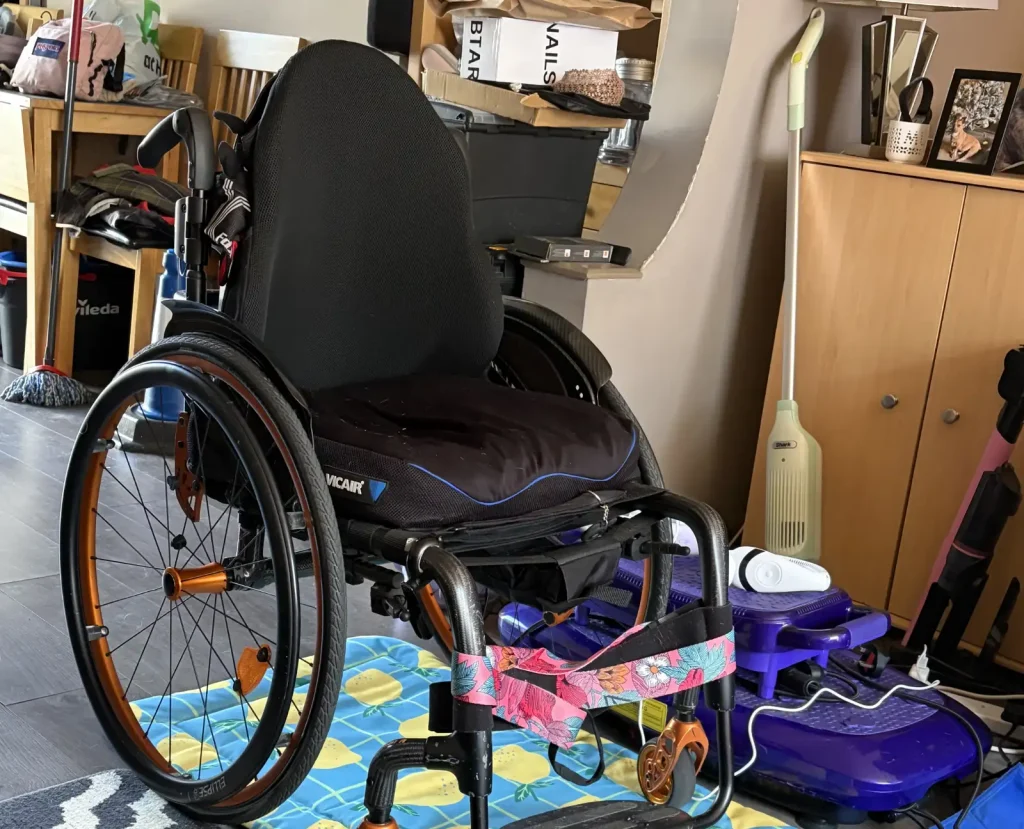
“We dread the winter months, as we need heat for our joints.
“So we’re trying to cut things down, such as using an electric blanket instead of the central heating, to balance out the bills.
“But it’s a matter of picking and choosing what we use, which could be the difference between being able to get out of bed and carry on with life as normal.”
While in their search to make their money go further, they came across Purpl, a discount platform specifically designed for disabled people.
The platform offers members, who pay £9.99 per year, access to discounts, offers and promotions.
For Danielle, it has helped her save an estimated £551.27 over the course of a year.
She added: “Since discovering Purpl, we’ve been able to make savings that genuinely make a difference to our household budget and gives us more financial flexibility.
“It’s meant we no longer need to compromise on the things we need.

“Those savings mean we have more money available for other things we enjoy, and that’s something everyone can appreciate.”
Georgina Colman, founder of Purpl, said: “Disabled people are being hit twice over, by rising living costs that affect everyone and by the surging prices of the specialist products they simply cannot live without.
“Wheelchairs, mobility scooters, free-from foods, incontinence products – these aren’t luxuries; they are essentials.
“At Purpl, we hope to close that gap wherever we can, giving disabled people access to real savings on the things they actually need.
“But discounts and offers alone aren’t the answer.
“The conversation about the true cost of disability needs to be much louder.”
READ MORE: ‘Raging’ ex-Britain First leader 37 arrested at airport over alleged HMO attacks