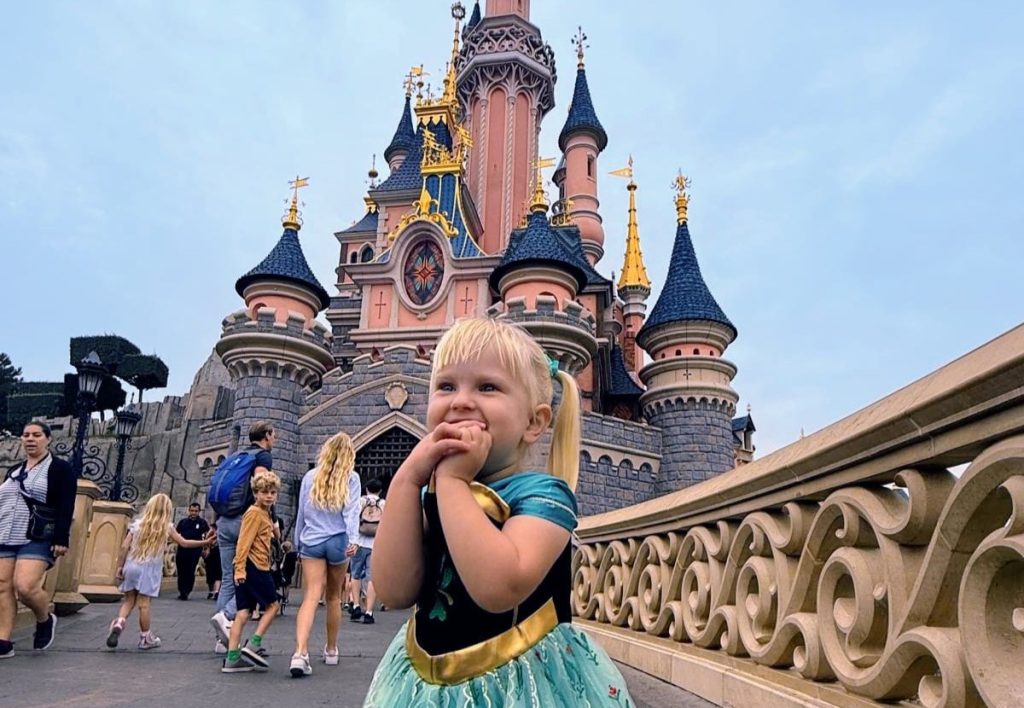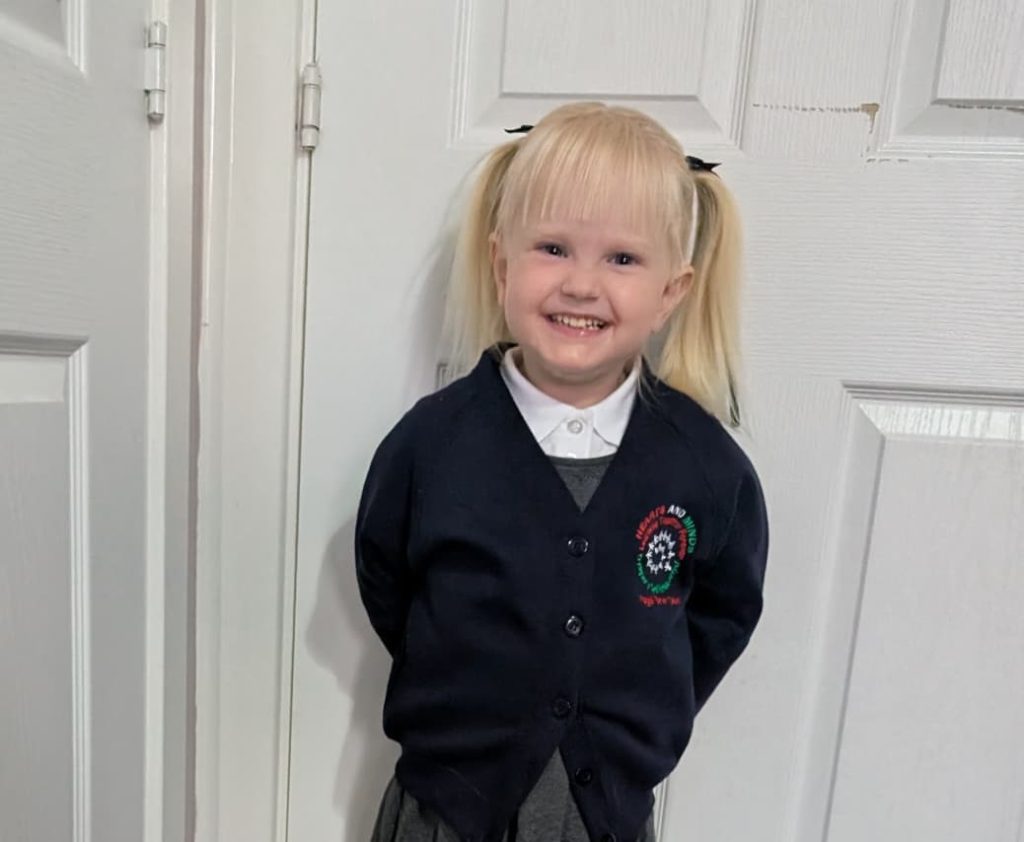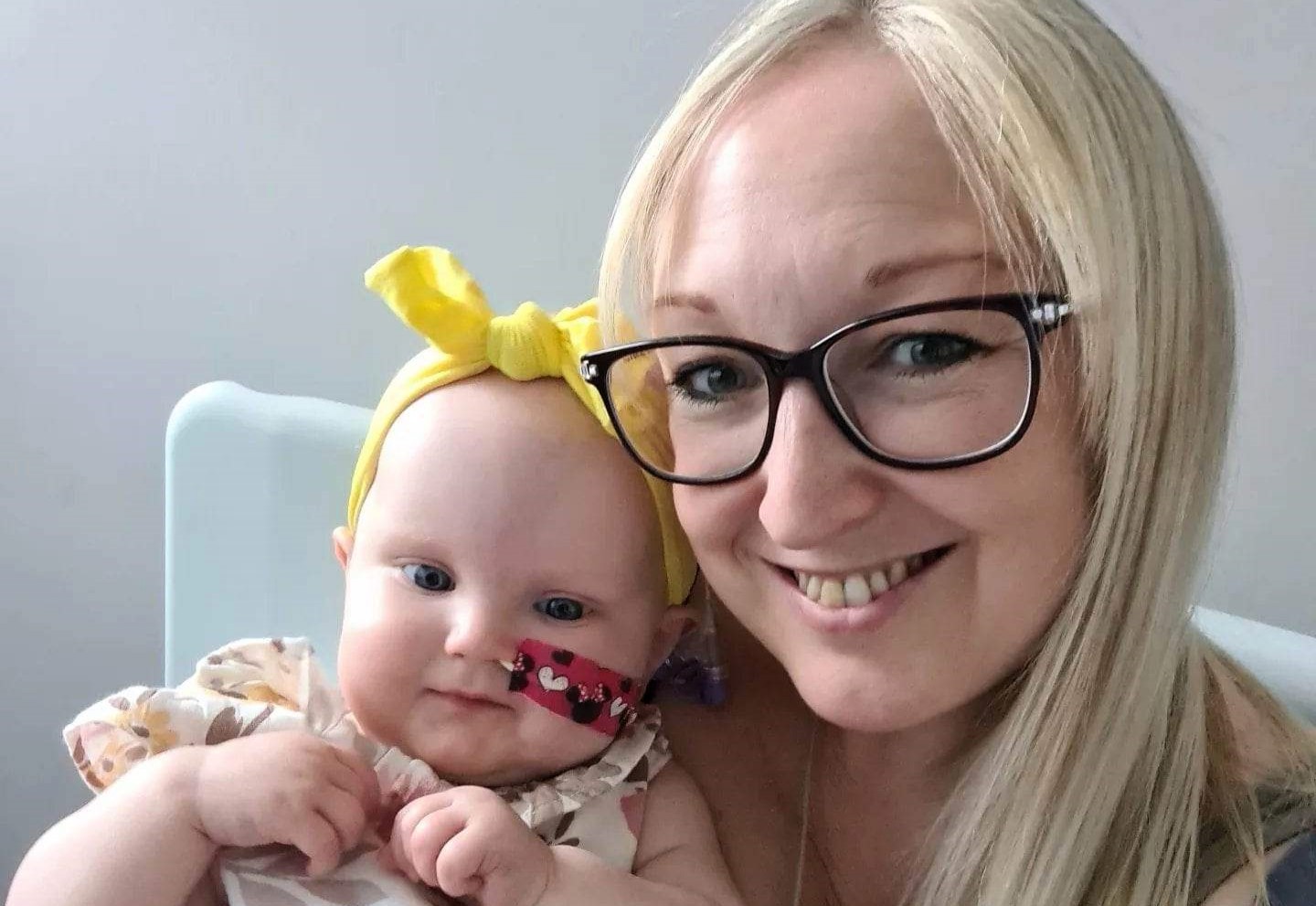

A mum who claims she was dismissed by doctors after flagging her daughter’s symptoms recalls how the toddler would scream from pain.
Corinne Wardle, 40, is appealing for better treatment options for brain tumours after her little girl, Molly Wardle-Hampton, was diagnosed with the disease.
The community-based staff nurse from North Wales first shared her story to warn other parents about symptoms – such as vomiting, a fixed gaze and her child’s head tilting.
READ MORE: Woman, 28, with Huntington’s gene found out incredible treatment news while on honeymoon
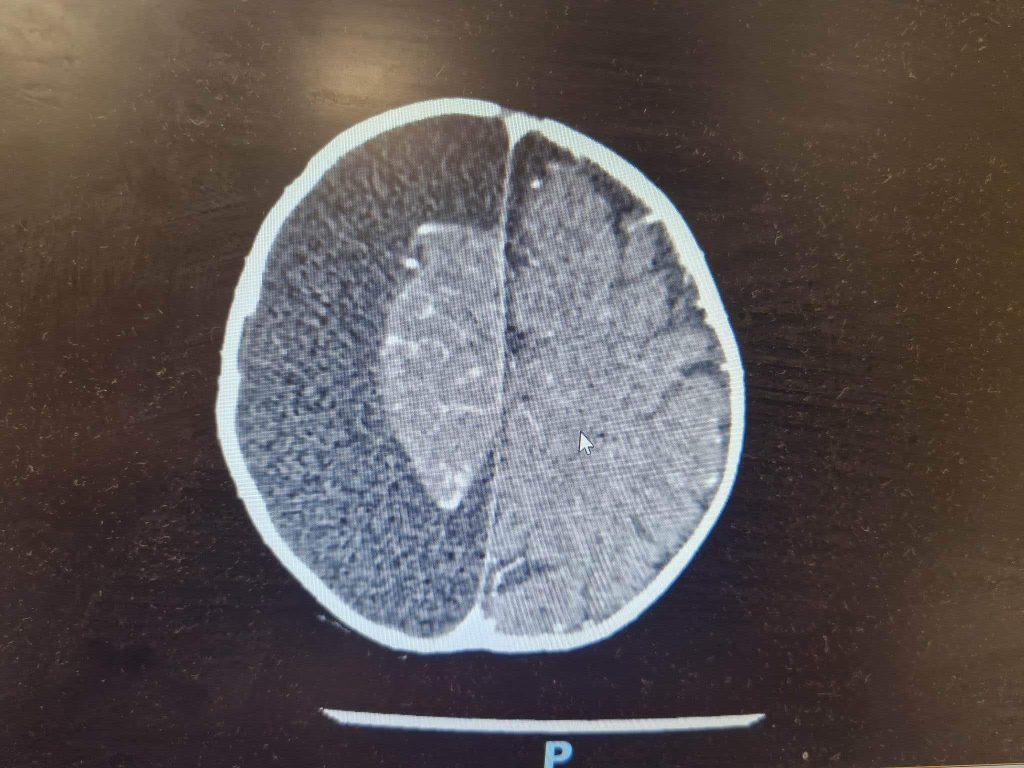
When the size of Molly’s head grew rapidly, doctors found a large ependymoma (rare mass of glial cells) that covered the entire right side of her brain.
She underwent emergency surgery to remove the mass and entered a year-long international SIOP Ependymoma II clinical trial, and her family were overjoyed when an MRI came back clear.
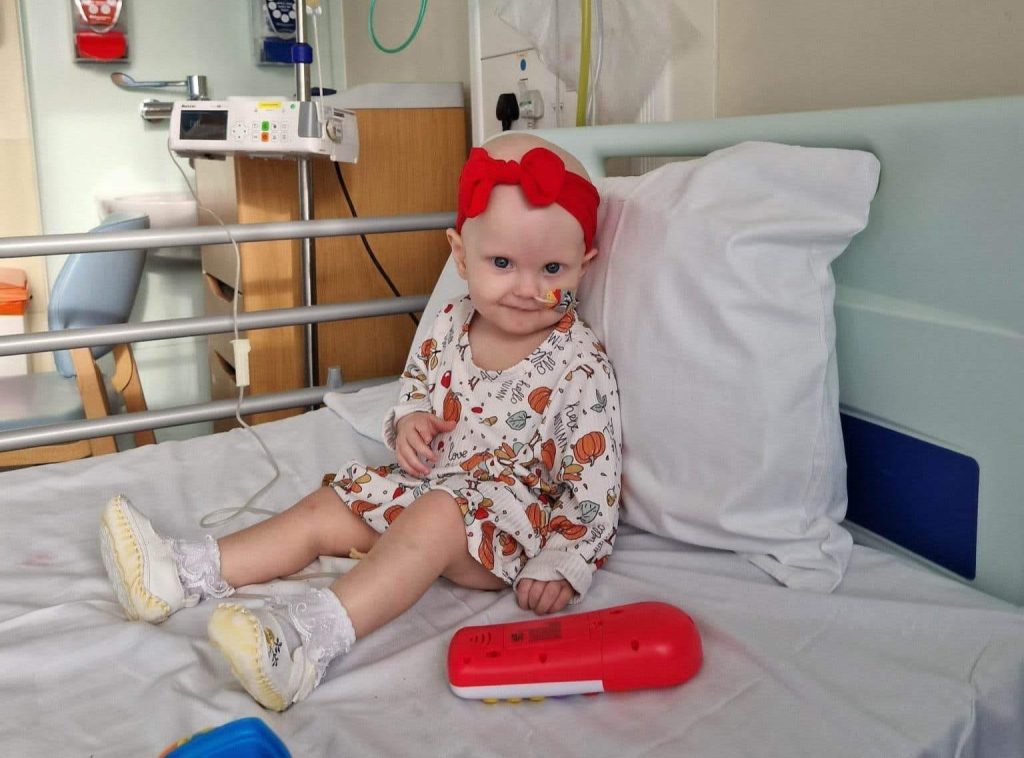
Tragically, earlier this year, the tumour returned.
“At just three weeks old Molly had seizures,” said Corinne, who is also mum to Leah and Kacey.
“Every time I raised my concerns with doctors and nurses about Molly they were dismissed as common newborn behaviours.
“Molly would scream every time I put her down, as if she was in pain.
“Then both her eyes started turning outwards.
“When her head growth charted off the scale, we were sent for a CT scan.
“That’s when we were given the worst news imaginable, Molly had a brain tumour.
“As a nurse, I’ve read the research, or rather, the lack of it.
“Ependymoma is so poorly understood.
“There are subtypes with very different outcomes but not enough data.
“We’ve been told it can be cured but nobody really knows.
“That’s terrifying. If we want children like Molly to have a future, a real future, we need better research, better treatment options, and more hope.”
On 20 February 2025, Molly underwent another operation at Alder Hay hospital in Liverpool, where doctors discovered two tumours.
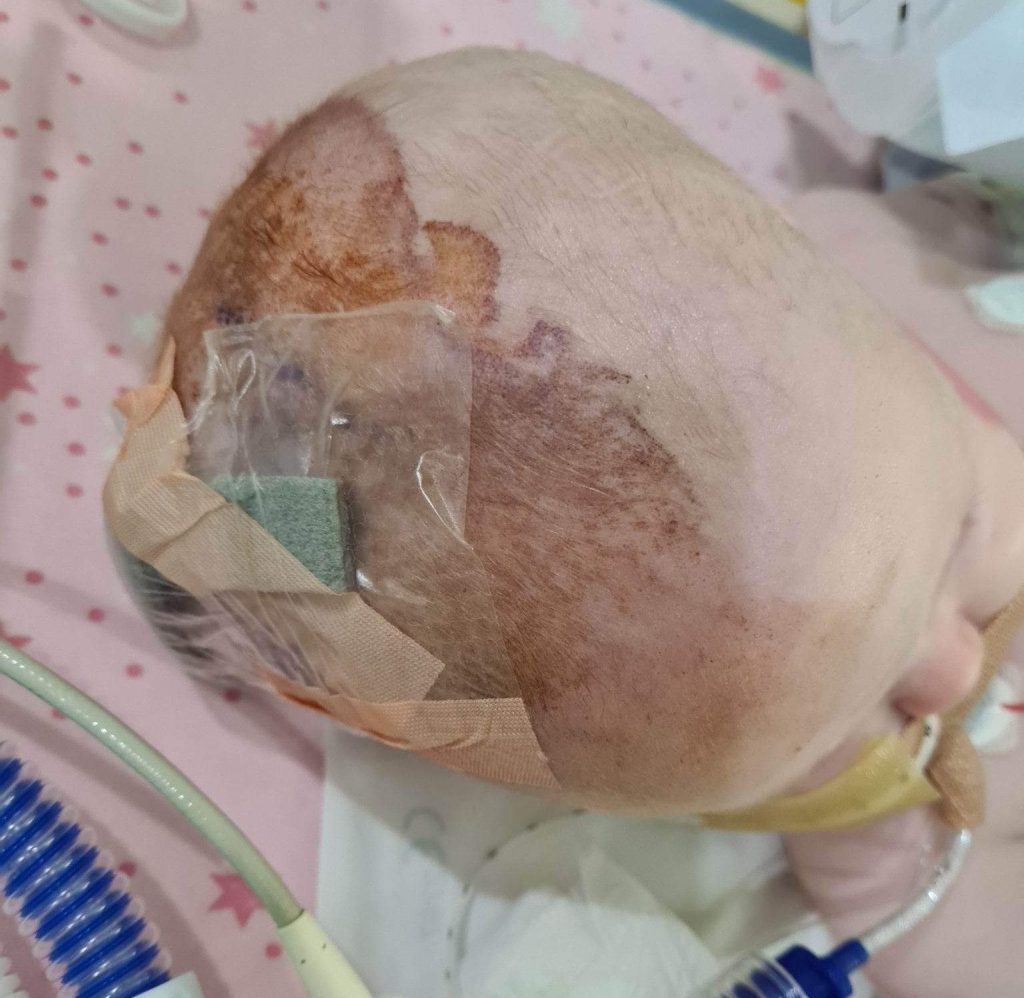
Both were successfully removed.
This time, doctors recommended 33 sessions of radiotherapy, under daily general anaesthetic, targeting every part of the right side of Molly’s brain, where the tumour had grown – but the risks were profound.
Corinne said: “We were told this treatment would affect the processing part of her brain and that Molly would need support for the rest of her life.
“It was an impossible decision, to put her through such aggressive treatment on the chance the cancer might come back.
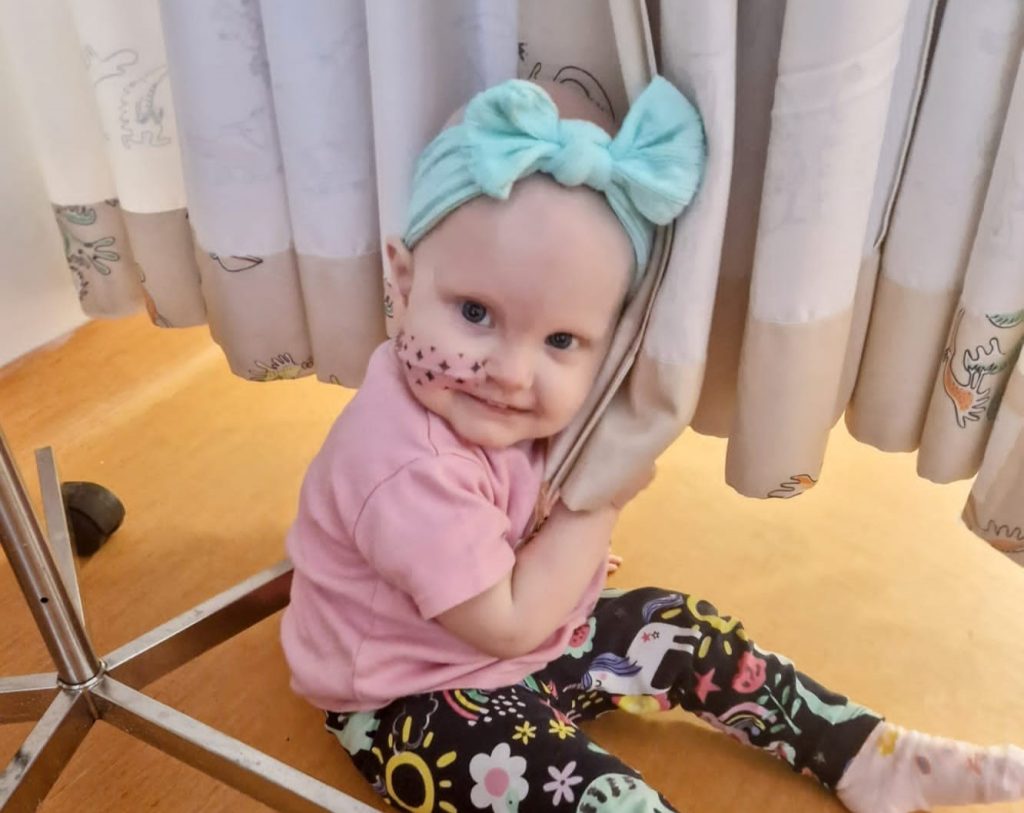
“We decided to watch and wait.”
Molly – who turns four years old in November 2025 – is now at pre-school and continues to live with the lasting impact of both the cancer and its treatment.
She has Global Development Delay, high-frequency hearing loss, wears a hearing aid, and is undergoing speech and language therapy.
She is also being assessed for ASD and ADHD and struggles to maintain attention for long periods.
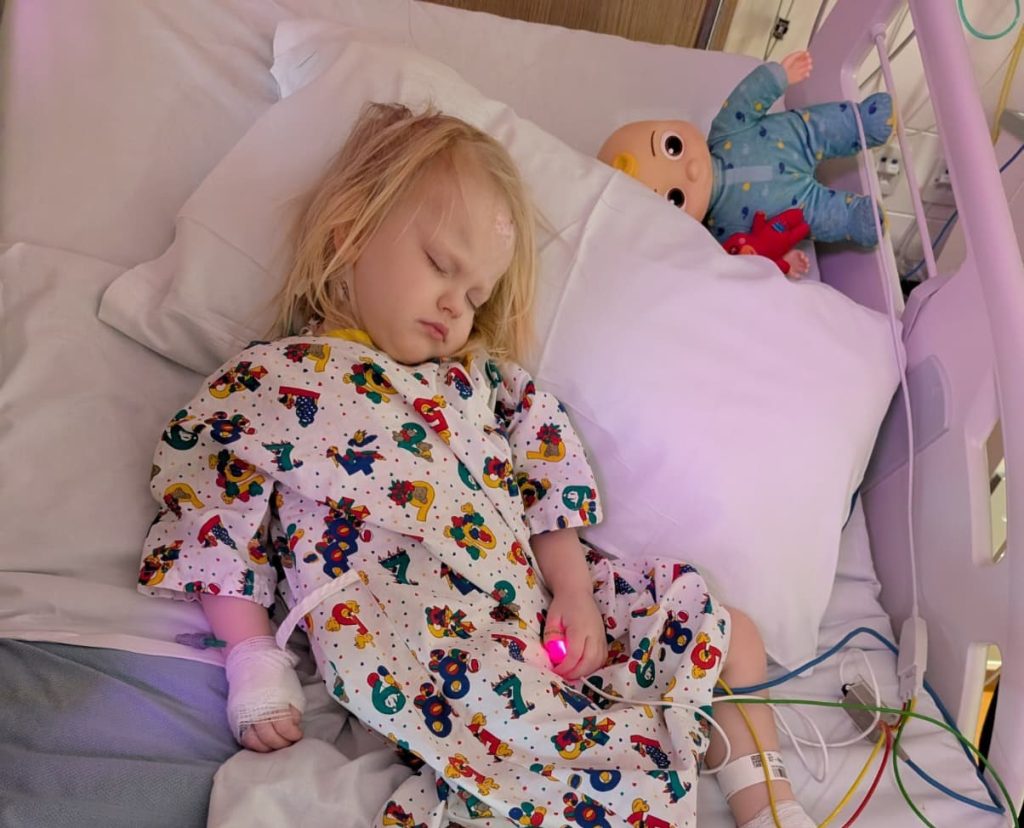
Corinne said: “We’ve watched her battle through more in her short life than many adults ever do.
“She’s strong, she’s cheeky, and she’s full of life.
“We now face a lifetime of additional needs and uncertainty.”
Brain tumours kill more children and adults under the age of 40 than any other cancer, yet just 1% of the national spend on cancer research has been allocated to the brain.
Corinne is working with the Brain Tumour Research during Childhood Cancer Awareness Month in September to raise awareness and push for more funding and treatment options, as reported by Need To Know.
READ MORE: Woman, 26, shocks millions with Margot Robbie likeness after 12 stone weight loss