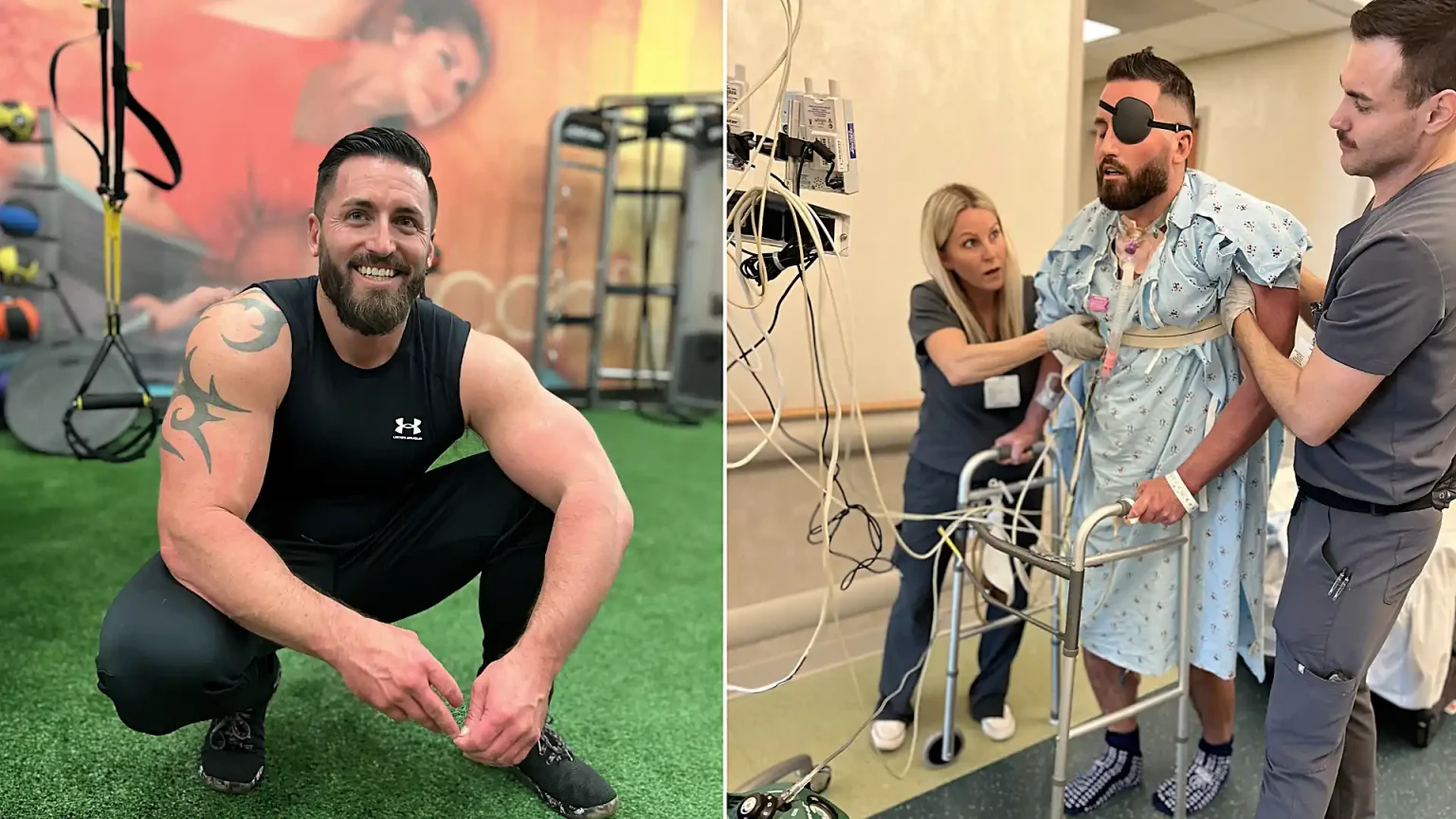

A healthy gym boss has revealed how a seemingly harmless neck-cracking habit was linked to a terrifying health ordeal that left him fighting for his life.
Donald McAvoy, known as Frue, regularly cracked his own neck to relieve stiffness and had never considered the habit dangerous.
The 38-year-old dad-of-one considered himself fit and healthy before he began suffering persistent neck pain.
READ MORE: ‘I thought a tan made me prettier – my sunbed addiction left me fighting skin cancer at 22’
A few months later, he was eating at home while watching football when he suddenly began choking.
He quickly started losing his vision, as well as control of his body.
Frue was rushed to hospital, where doctors discovered he had suffered multiple strokes following a vertebral artery dissection – a tear in one of the arteries supplying blood to the brain.
Doctors told him the injury was believed to be associated with neck manipulation.
“I would occasionally crack my own neck whenever it felt stiff or sore,” Frue, from Jacksonville Beach, Florida, US, told Need To Know.
“It wasn’t something I thought was dangerous.
“I’d been doing it for years.
“In the weeks leading up to my stroke, I had been seeing a chiropractor for back pain, and during those visits I was also having my neck adjusted.
“After one particular adjustment, I went home and just didn’t feel right.
“My neck became extremely sore and stayed that way for weeks.
“I continued cracking my own neck because I was trying to relieve the pain and stiffness.
“I was at home eating and as I took my first bite, I suddenly started choking.
“Once the food cleared, my eyes rolled back, my vision disappeared, and I immediately knew something was terribly wrong.
“My first symptoms were choking, my eyes rolling back, losing my vision, severe dizziness, loss of balance, nausea, and an inability to control my body normally.”
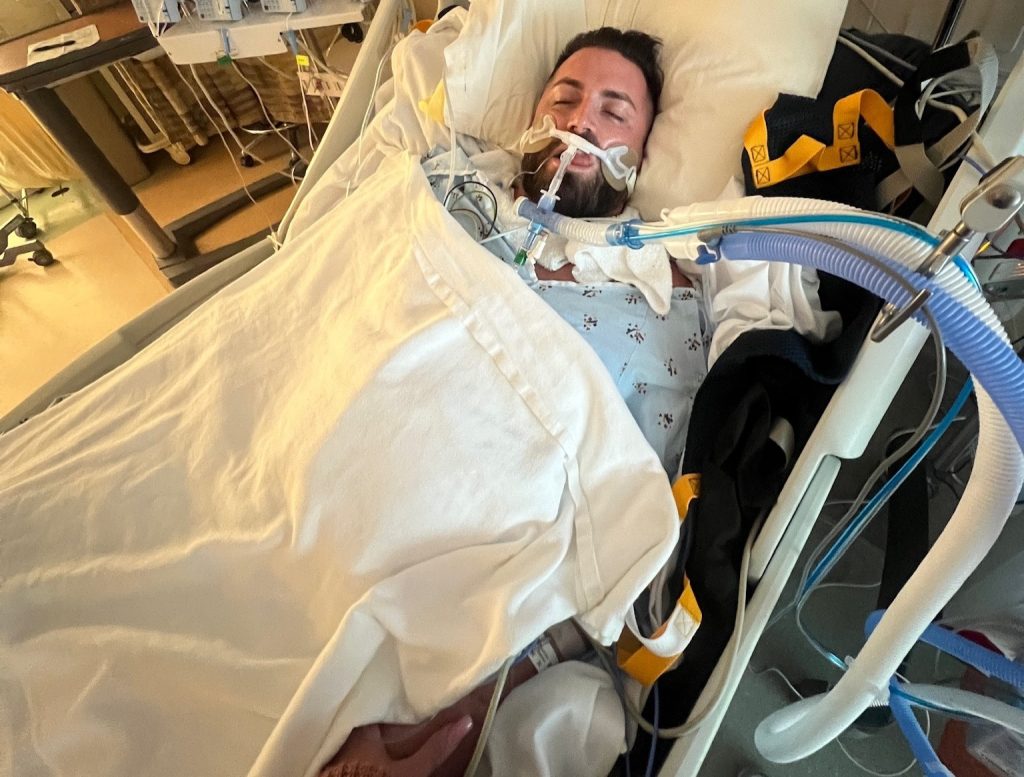
Doctors administered clot-busting drug TNK before carrying out an emergency thrombectomy to remove the clot and restore blood flow to his brain.
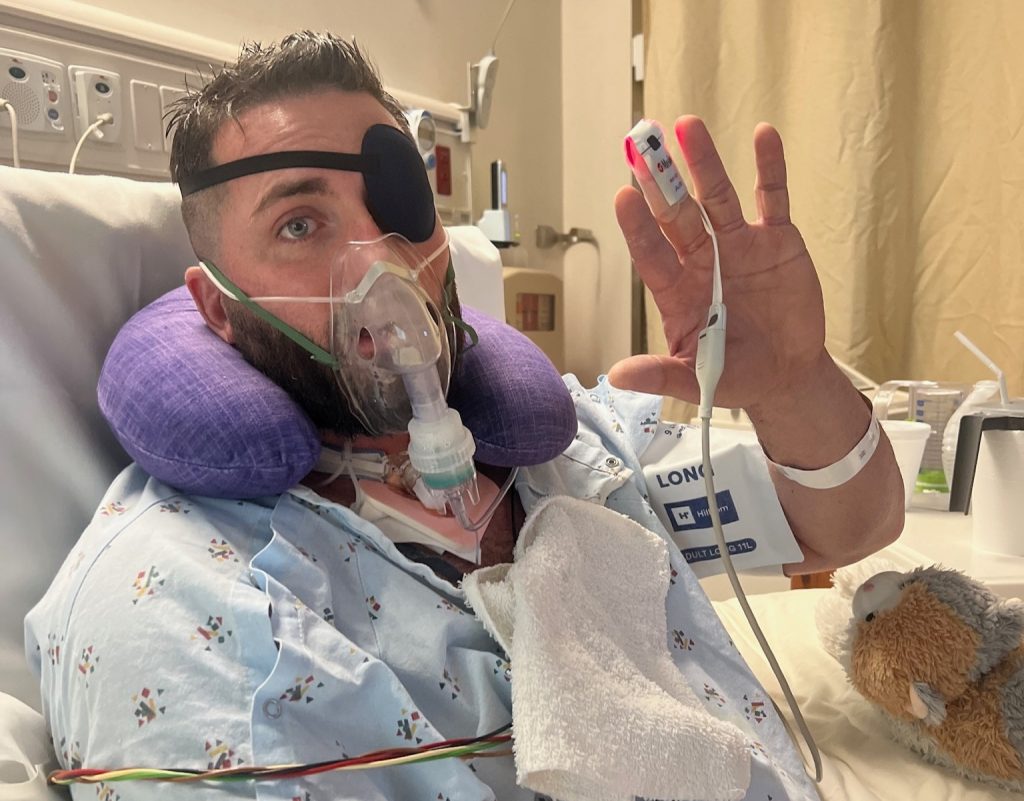
Frue also needed a tracheostomy to help him breathe and a feeding tube because he could no longer swallow safely.
He spent 24 days in intensive care before being transferred to rehab for another 24 days.
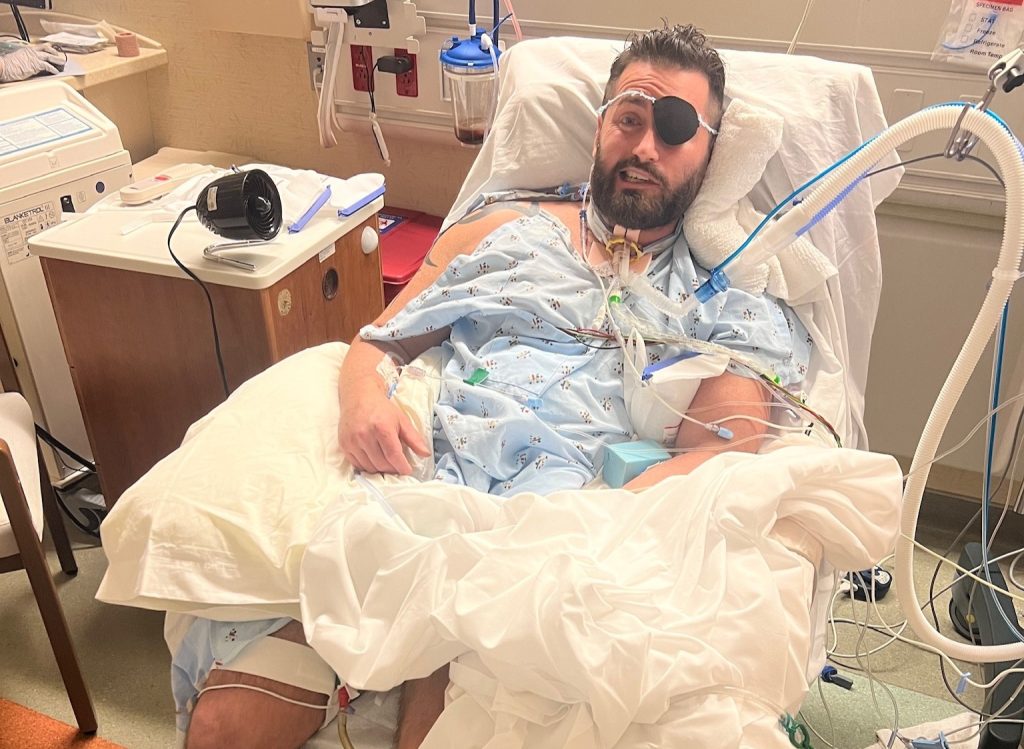
After finally leaving hospital, Frue faced months of physical, occupational and speech therapy as he attempted to rebuild his life.
Frue said: “Recovery has been the hardest challenge of my life.
“I had to relearn many basic skills that most people take for granted.
“I had to learn to stand again, walk again, speak more clearly, swallow safely again after my feeding tube was removed, and rebuild my strength one day at a time.
“Every milestone felt like starting life over.
“The hardest part has been losing my independence.
“Going from helping others improve their health to suddenly needing help myself was incredibly humbling.
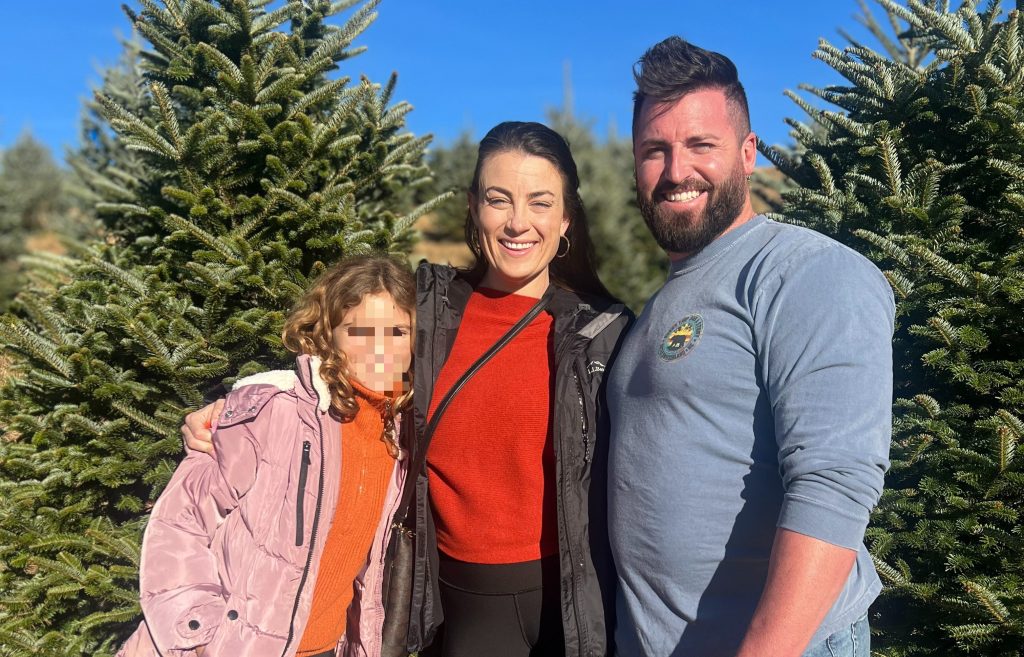
“Not being able to drive, work, or do simple everyday things the way I once could has been one of the biggest challenges.
“Recovery has tested me physically, mentally, emotionally, and spiritually.
“I thought I might never recover.
“There were many moments when I wondered if I’d ever walk again or regain my independence.
“Recovery isn’t a straight line, but I made the decision that I wasn’t going to quit.”
Frue continues to live with the effects of his strokes, including double vision, balance problems, fatigue, numbness on his right side and problems with depth perception.
But he has also celebrated some huge milestones since his ordeal, which began in December 2023.
Frue married his wife Rachel in March this year and, the following day, was named the American Heart Association’s 2026 First Coast Survivor of the Year.
He is now sharing his experience to encourage others to listen to their bodies and take persistent symptoms seriously.
He added: “If someone had told me that neck manipulation or forceful neck cracking could, in rare cases, contribute to a vertebral artery dissection, I would have been much more cautious.
“I simply didn’t know.
“It was the most frightening experience of my life.
“There were moments when I didn’t know if I would survive.
“It completely changed my perspective.
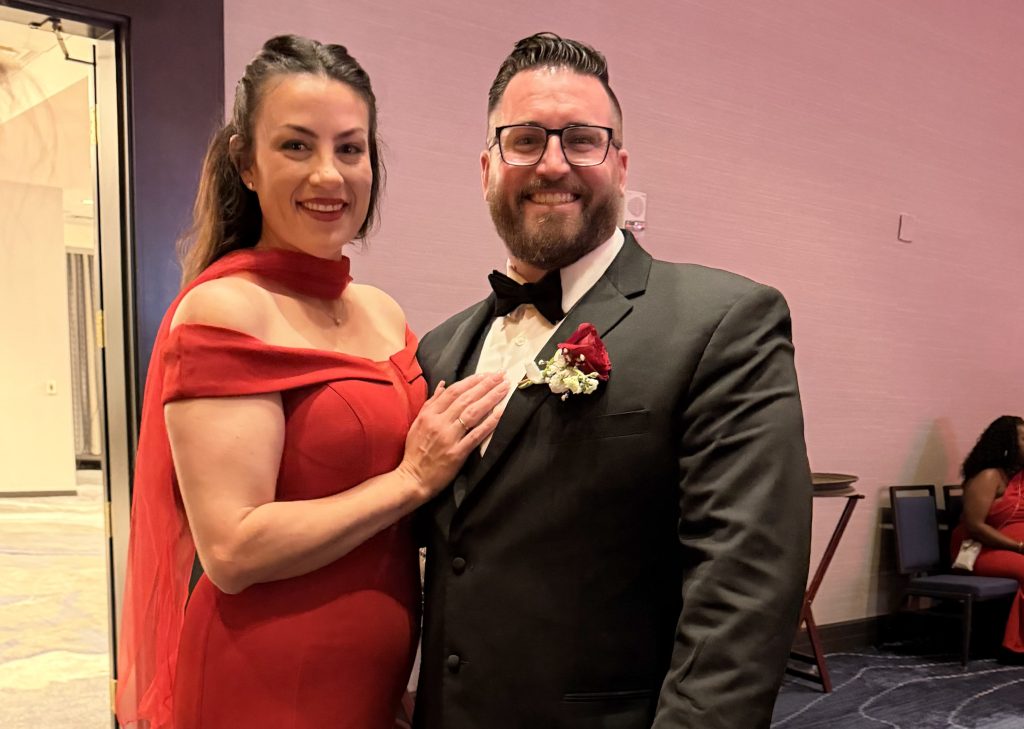
“I don’t take a single day for granted anymore.
“I treasure every moment with my family and try to use my experience to encourage others
“I share my story because if it encourages even one person to take persistent symptoms seriously, seek medical attention sooner, or recognise the warning signs of stroke, then everything I’ve been through will have helped someone else.
“My goal isn’t to scare people or tell them what decisions to make.
“It’s to educate people about the importance of listening to their bodies and recognising that stroke can happen to anyone, even someone who appears healthy and active.
“If my story helps save even one life, then every difficult part of this journey has been worth sharing.”