A giant 20ft shark has died after being stranded on a remote beach.
The whale shark (Rhincodon typus), the length of a small boat, was still alive when it was found stranded on Wednesday morning (30 Sep).
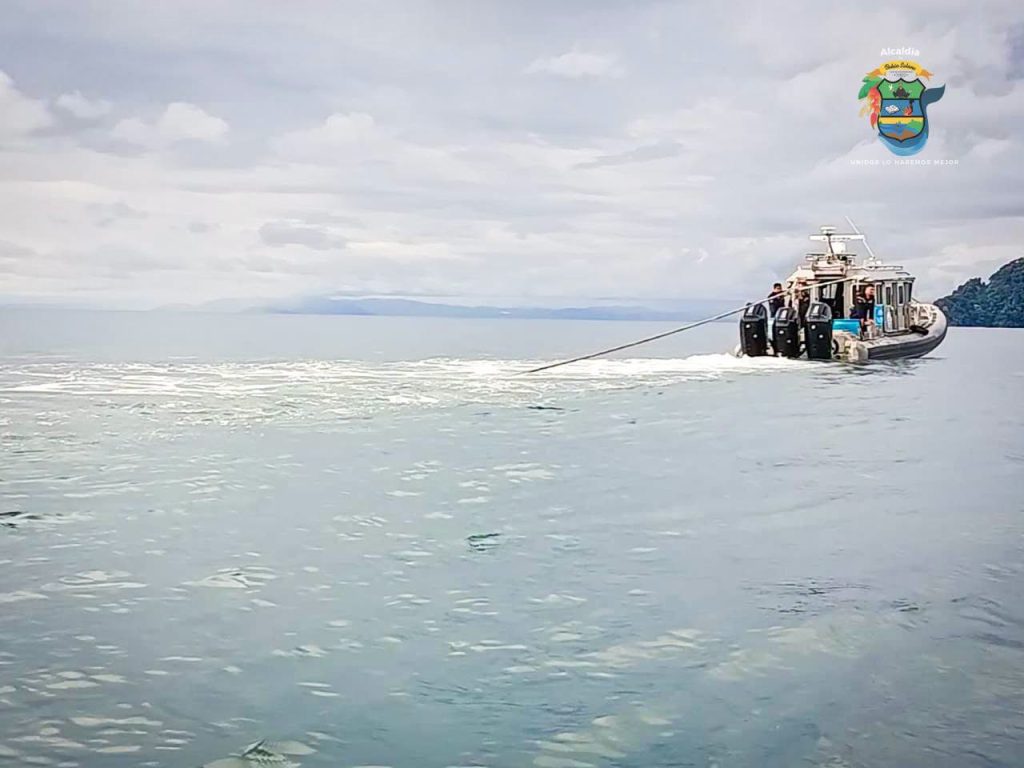
Villagers poured seawater over it and tried to tow it off the sand with their boats, but their outboard motors were not strong enough.
READ MORE: BEAR with cub appears in road, charges woman’s car and BITES bonnet
The whale shark, the world’s largest fish, had already died by the time environmental officers reached the beach at Nabugá on Colombia’s Pacific coast.
The regional environmental body Codechocó immediately triggered its protocol for entangled and stranded marine wildlife in the northern Pacific region.
Coastguard units, the local mayor’s office and environmental groups were sent to the scene.
Poor phone links, rough ground and a boat journey of about an hour-and-a-half from the town delayed the response.
“When we arrived, the individual was already dead, and the protocol for the final disposal of the body was activated immediately,” said Kary Sánchez Minota, Codechocó’s deputy director for marine, coastal and protected areas.
In a later account, she said samples were taken because the date made no sense.
“As this is not the migratory season for this species, we have to assess what happened to cause the death of this individual,” she said.
Tests will look at whether the visible wounds, disease, fishing gear or rough conditions killed the huge marine animal.
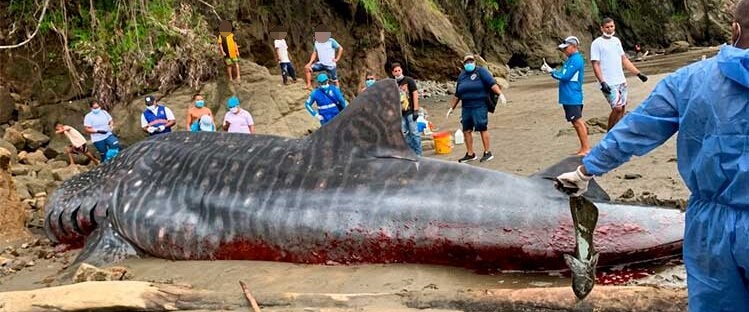
A Codechocó statement said the sampling was vital because the stranding did not match the usual season.
Whale sharks normally arrive on this coast in spring to feed on plankton and small fish.
Sightings in open water are known at other times of year, but a beaching this close to shore in late September is abnormal.
An unnamed resident, heard on a circulating video, said: “We have a problem here in the Nabugá community; a whale shark has stranded and we fear it will rot and affect the community.
“Someone should ask the authorities how we get this whale shark out of here.”
He added: “The community tried to move it, but we couldn’t; the motors are too small to get it out. We need a bigger motor to get it out of here.”

The authorities have started the disposal of the body to limit health and pollution risks, as reported by Need To Know.
Sánchez Minota told residents “not to handle these bodies because marine wildlife can carry parasites that can affect human health”.
Investigators are still working to establish why the shark came ashore and how it died.
Whale sharks are filter feeders and the largest fish on earth.
Adults can reach 12 to 20 metres and weigh about 20 tonnes.
The species is listed as endangered by the International Union for Conservation of Nature (IUCN).
READ MORE: Man 61 caught kicking and dragging old dog around slapped with pet ban