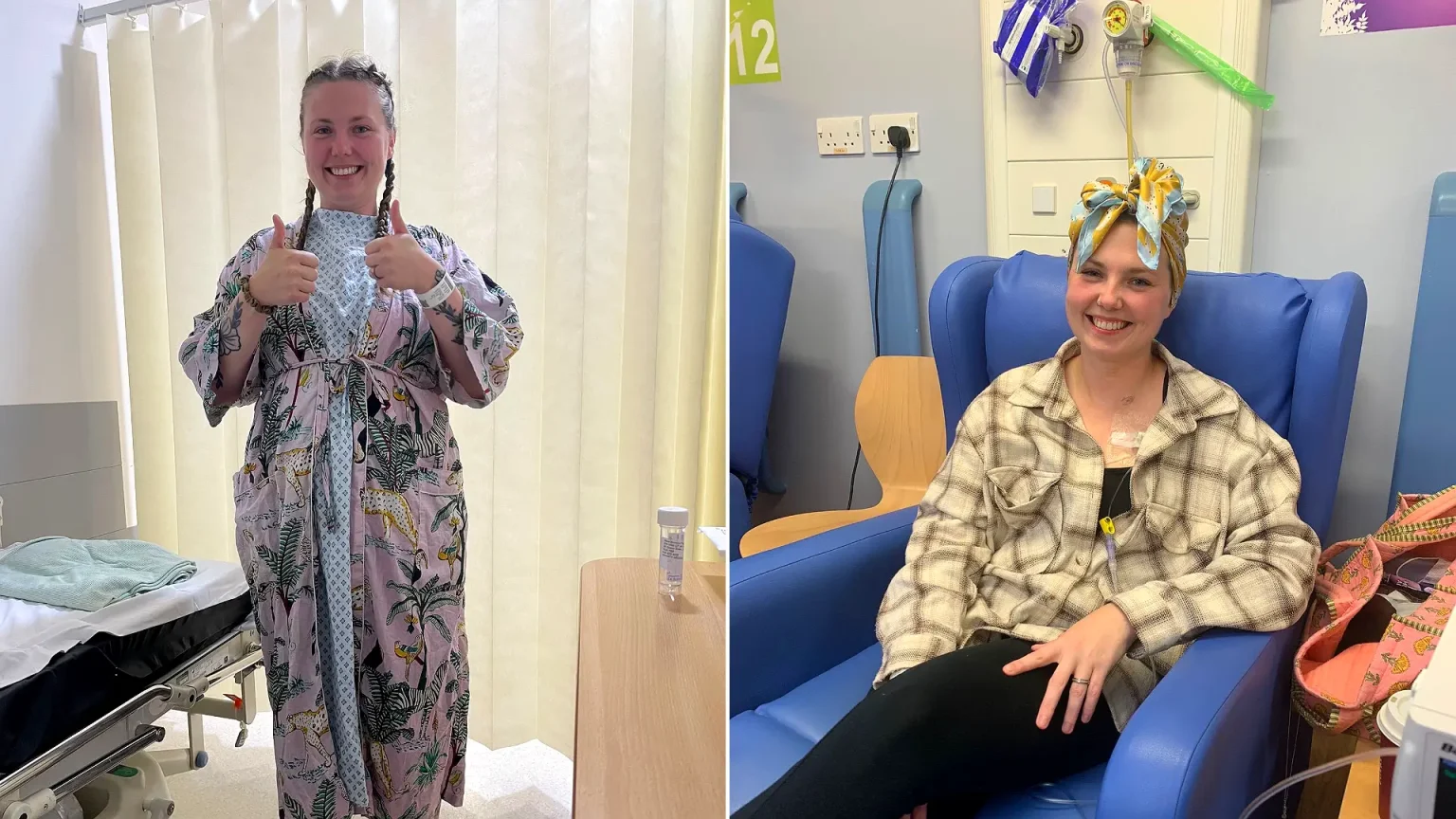

A mum who was diagnosed with bowel cancer aged just 26 after doctors initially attributed her symptoms to piles has warned that young people must not be dismissed as new figures reveal a rise in several cancers among under-50s.
Bronwyn Tagg began experiencing bleeding when going to the toilet after giving birth to her son Austin, now two, reported it to her GP.
The now 27-year-old was told it was “most probably piles” after having a vaginal birth.
READ MORE: Fitness influencer 40 rushed to hospital with heart scare
But Bronwyn was eventually diagnosed with stage three rectal cancer after an MRI revealed a 40mm lesion.
Now, following new analysis by the World Cancer Research Fund showing significant increases in several cancers among under-50s in England, including bowel cancer, Bronwyn says her experience highlights the dangers of assuming young people are too young to have certain cancers.
“Seeing the new analysis feels scary but I’m glad it’s becoming more widely recognised,” Bronwyn, a dental nurse, from Cambridge, told Need To Know.
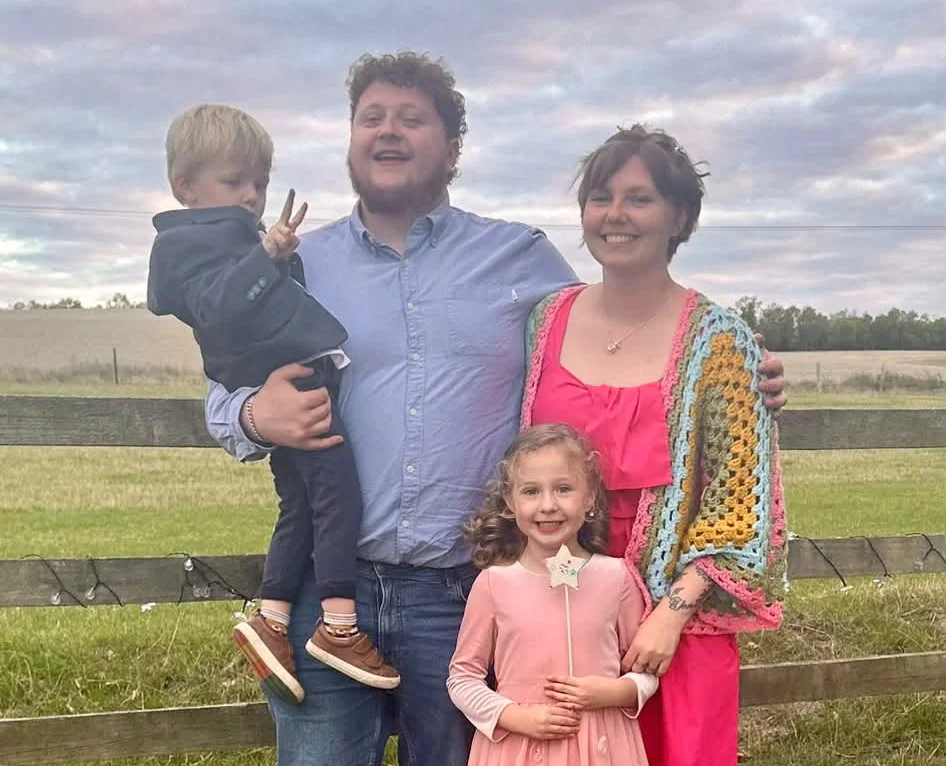
“For too long, young people with symptoms have been told they’re too young for bowel cancer.
“The more evidence there is that rates are rising in younger adults, the harder it becomes to dismiss people simply because of their age.
“When I was diagnosed, I felt incredibly isolated because bowel cancer wasn’t something I associated with people in their twenties.
“Seeing these figures now makes me realise that I’m not alone and the government need to do more to lower the age of national FIT testing.
“There are more and more young people being diagnosed, and that’s something we need to pay attention to.
“Cancer wasn’t even on my radar.
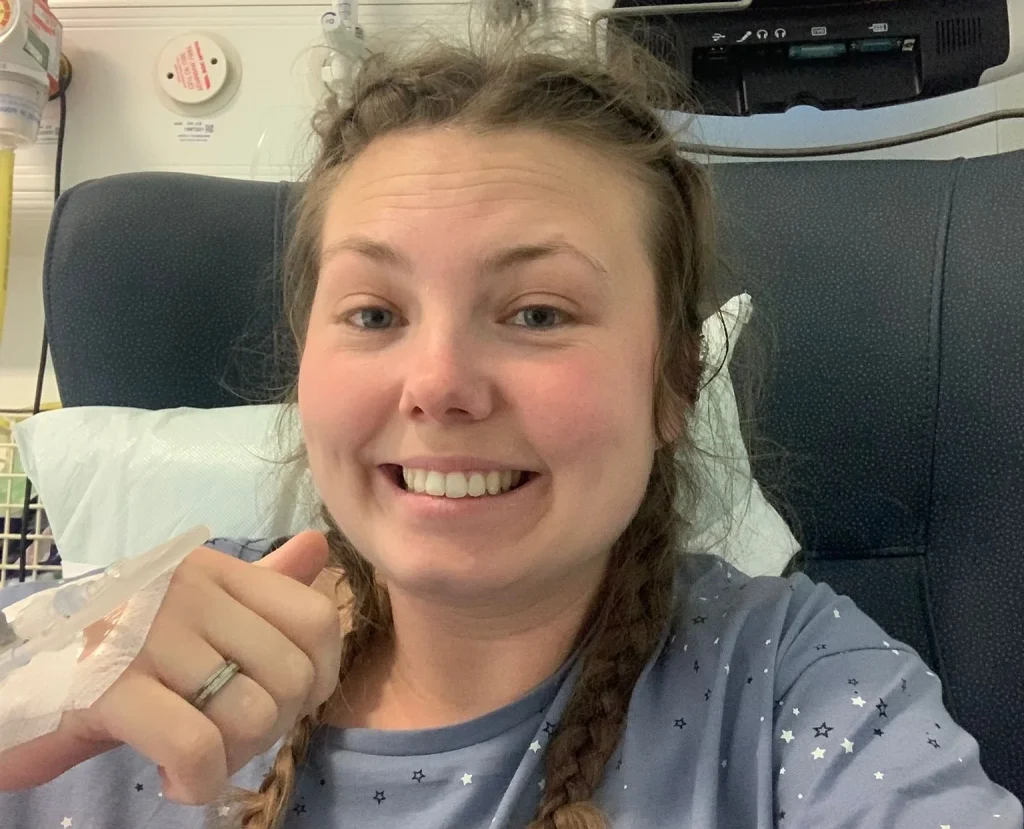
“I thought bowel cancer was something that happened to older people.
“Even when I had symptoms, I didn’t consider cancer because I genuinely believed I was too young.”
The analysis found that rates of bowel, kidney and uterine cancers among younger people in England more than doubled between 2001 and 2023.
Bronwyn believes there is still a widespread perception that bowel cancer is primarily an older person’s disease.
She said: “I think many people, including some healthcare professionals, still automatically associate bowel cancer with old age.
“That perception needs to change because younger people are being diagnosed too.”
Bronwyn believes her age may have played a role in her symptoms initially being attributed to piles.

She said: “I was repeatedly reassured that my symptoms were likely caused by piles, and I think my age made that explanation easier to accept.
“Bowel cancer wasn’t considered because I was in my twenties.
“It’s impossible to know for certain, but I do wonder whether my symptoms would have been investigated more quickly if I had been 60 instead of 26.
“Age shouldn’t determine how seriously symptoms are taken.”
Bronwyn, also mum to Josie, five, first sought medical advice after noticing blood when she went to the toilet.
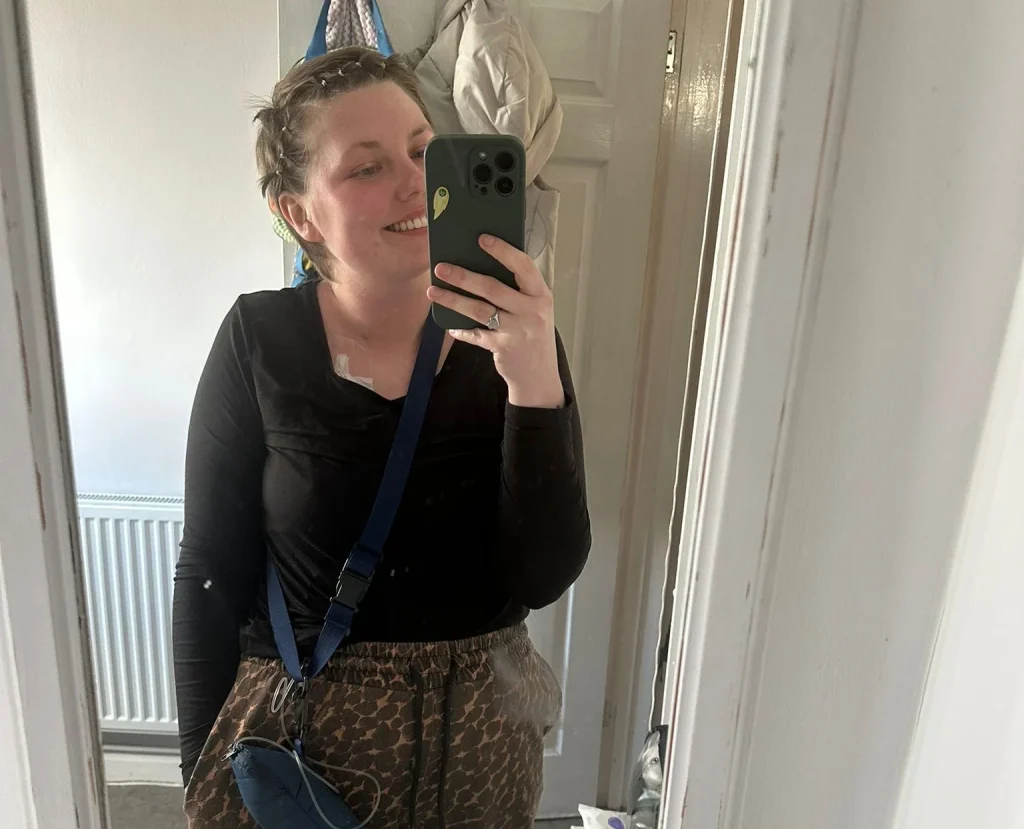
She later developed frequent diarrhoea before suffering increasingly painful stomach aches.
In February 2025, she was referred to gynaecology after an ultrasound showed a cyst on her left ovary.
An MRI eventually revealed the lesion in her rectum.
She underwent a colonoscopy in May 2025, during which doctors removed the entire polyp.
Two weeks later, she was asked to return to hospital with someone for support.
Doctors told her the polyp was cancerous.

She subsequently underwent surgery to remove part of her rectum and had a stoma fitted.
Three of the 12 lymph nodes removed during the operation tested positive, meaning her cancer was classified as stage three.
She then underwent chemotherapy while caring for her two young children.
Bronwyn says the experience has left her determined to warn other young people not to dismiss symptoms simply because of their age.
She said: “I thought I was too young for cancer.

“I was 26, fit, busy raising two young children, and cancer wasn’t even a possibility in my mind.
“Even after I was diagnosed, I felt completely out of place sitting in oncology departments because I was often the youngest person there.
“Cancer felt like something that happened to other people, not someone my age.
“The reality is that cancer doesn’t care how old you are.
“Most young people with symptoms won’t have cancer, but being young doesn’t make you immune to it.
“If something doesn’t feel right, don’t ignore it and don’t let your age convince you that it can’t be anything serious.
“Getting checked could make all the difference.”
Bronwyn’s youngest child was just 18 months old when she was diagnosed.
She said: “It was devastating.
“The first thoughts weren’t about me, they were about my children and whether I would get to watch them grow up.
“Even now being in remission, every milestone has a sad undertone of ‘I might not have been here to see this’.
“I think the hardest part was having to be their mum while feeling like my whole world was falling apart.
“My children still needed me to be mum.
“School runs, meals, cuddles, bedtime stories, even when I was exhausted, frightened or completely overwhelmed.
“I became very good at pretending I wasn’t scared, because I needed them to feel safe, when the truth was that I was absolutely petrified.
“That’s probably one of the hardest things about having cancer as a parent, you don’t get to stop being a mum just because you’re scared.
“You still have to show up for your children, even when you’re desperately trying to hold yourself together.”
Bronwyn has now completed chemotherapy and is in remission.
She said: “I’m incredibly grateful to have finished treatment and to be in remission.

“I don’t think I’ll ever be able to put into words how lucky I feel to be able to say that.
“But finishing treatment doesn’t mean you suddenly go back to the person you were before cancer.
“Physically, I’m still dealing with the effects of surgery and chemotherapy, and emotionally, there’s still a lot to process.
“In some ways, I think the emotional side has become harder now that the constant appointments and treatment have stopped.
“No one checks in on you now.
“For so long, survival was the goal.
“You just focus on getting through the next scan, the next cycle, the next appointment.
“Then suddenly you’re told you’re in remission and you’re expected to start living again, but you’re still trying to work out who you are after everything you’ve been through.
“You have to learn how to piece your life back together.
“It’s like a tornado that’s ripped through your home, your looking at the mess on the floor and you just don’t know where to start.

“I’m incredibly grateful to be here, and I don’t take that for granted.”
She believes her story demonstrates why bowel cancer shouldn’t be viewed solely as an older person’s disease.
Bronwyn added: “My story is proof that cancer doesn’t always fit the stereotype.
“If we continue treating bowel cancer as an older person’s disease, younger people will continue to face delays in diagnosis.
“I hope that alongside these new figures, my story helps people realise that this isn’t just a statistic.
“These are real young people, real families and real lives being turned upside down by cancer.
“I want young people to feel confident enough to speak up when something isn’t right, and I want healthcare professionals to recognise that bowel cancer doesn’t only happen to older people.
“I was 26 when this happened to me.
“I can’t change that, but I can use what happened to me to push for change.
“If my story makes one young person get checked, makes one doctor think twice about dismissing symptoms because of age, or helps move us towards earlier detection, then it has been worth telling.
“I can’t change my diagnosis, but I can fight to make sure being young is never again a reason someone isn’t taken seriously.”
READ MORE: ‘I thought I was too young for cancer until bath incident’ – cases rising in under-50s