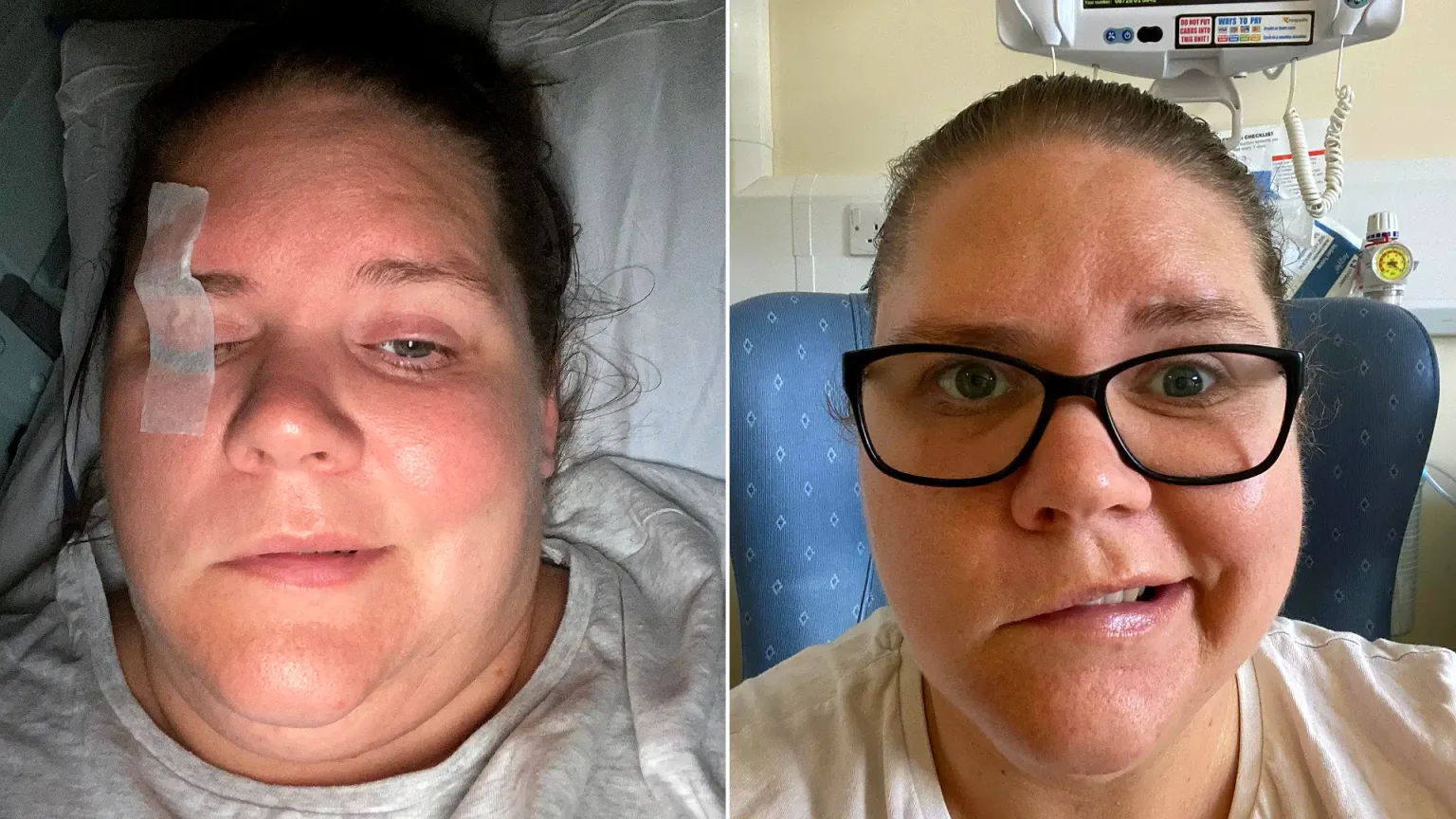

A single mum who was struggling with money and her job has revealed how she blamed feeling unwell on stress – but it was actually a stroke.
As Ruth Jones arrived home after a tough day at work, she was instantly met with life’s daily stresses.
Despite feeling under the weather, she still had two little mouths to feed and had the rising worry of finances weighing on her shoulders.
READ MORE: I inherited rare brain disease from nan and mum – they were right to have kids
Earlier that day, the mum suffered signs of asthma and so called her local doctor’s surgery for advice – though was told to phone back the following morning.
Putting her symptoms down to stress, and not having the energy to argue, she decided to sleep it off.
But the following morning, after yawning, Ruth noticed her face didn’t feel quite right.
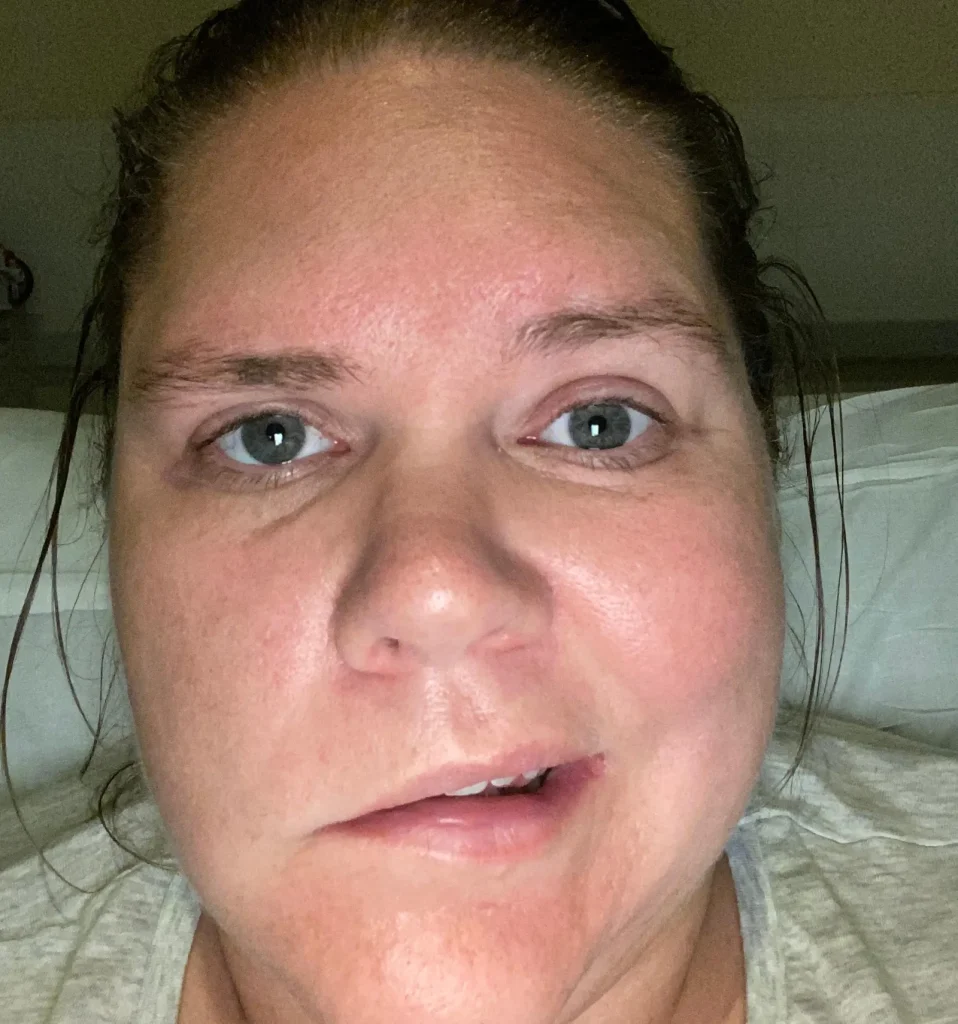
And, when looking in the mirror, she was left speechless.
“I […] thought this is it – this is a stroke,” the teacher, aged 40, from Conwy, told Need To Know.
“I had just been trained on it and now it was happening to me.
“I [had] told myself it was just a migraine, but deep down, I knew something was very wrong.”
The mum-of-two’s arm began tingling and she could feel the panic rising, though forced herself to stay calm as she didn’t want to alert her girls, who were aged five and 10 at the time.
She called 999 and clearly told the operator she was having a stroke, while explaining her symptoms, including facial droop, slurred speech and weakness in her arm.
Shockingly, the wait for an ambulance was up to five hours.
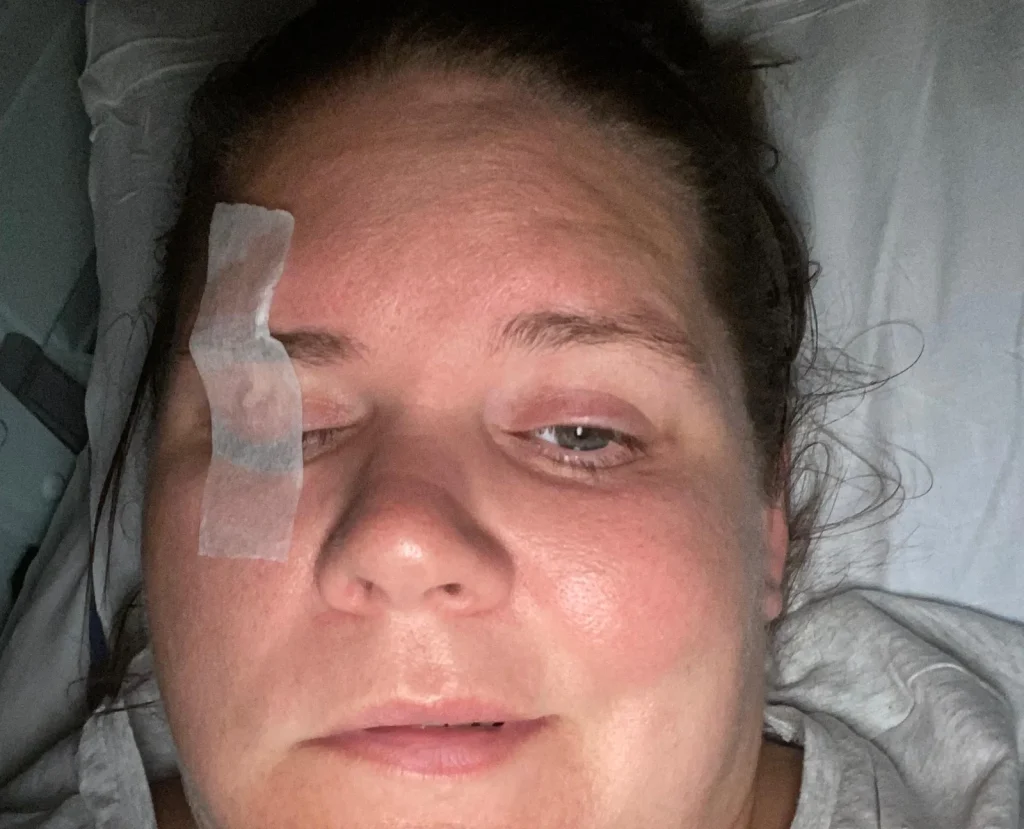
Ruth, who feared she might not survive that long, phoned her dad during the ordeal in September 2021.
She said three words: “Stroke. Hospital. Now” and he was at her house within minutes, before being rushed to hospital.
By the time she arrived, she could no longer speak properly and her right leg was giving way.
Due to covid restrictions, nobody was able to go in with her.
She said: “Walking into that hospital alone was one of the scariest moments of my life.
“I couldn’t talk [and] I couldn’t stand well.
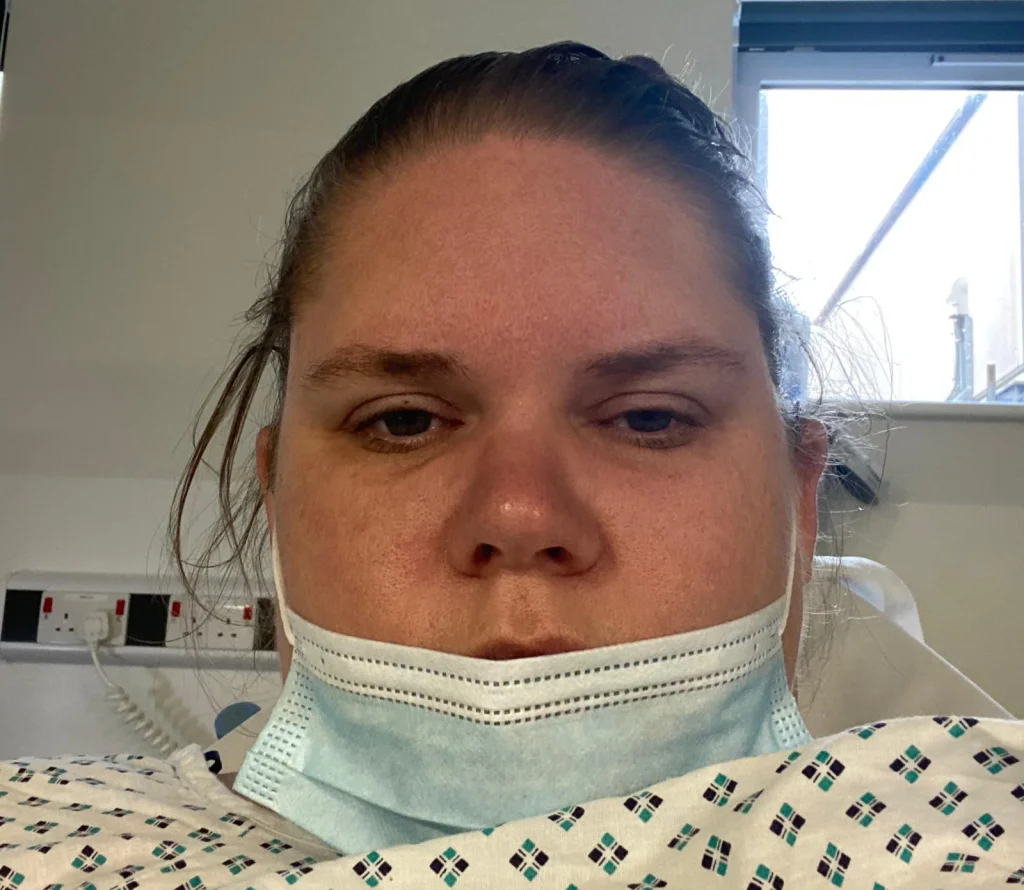
“I felt completely helpless.”
Doctors confirmed she was having an ischaemic stroke – a blood clot which blocks an artery supplying blood to the brain, killing off cells.
She was quickly given thrombolysis treatment which uses medicine to break down the blood clot.
Luckily, it worked and within 24 hours she was discharged.
At home, though, the reality hit hard.
Before the stroke, she was known for her “vibrant” personality and was described as the “life and soul of the party”.
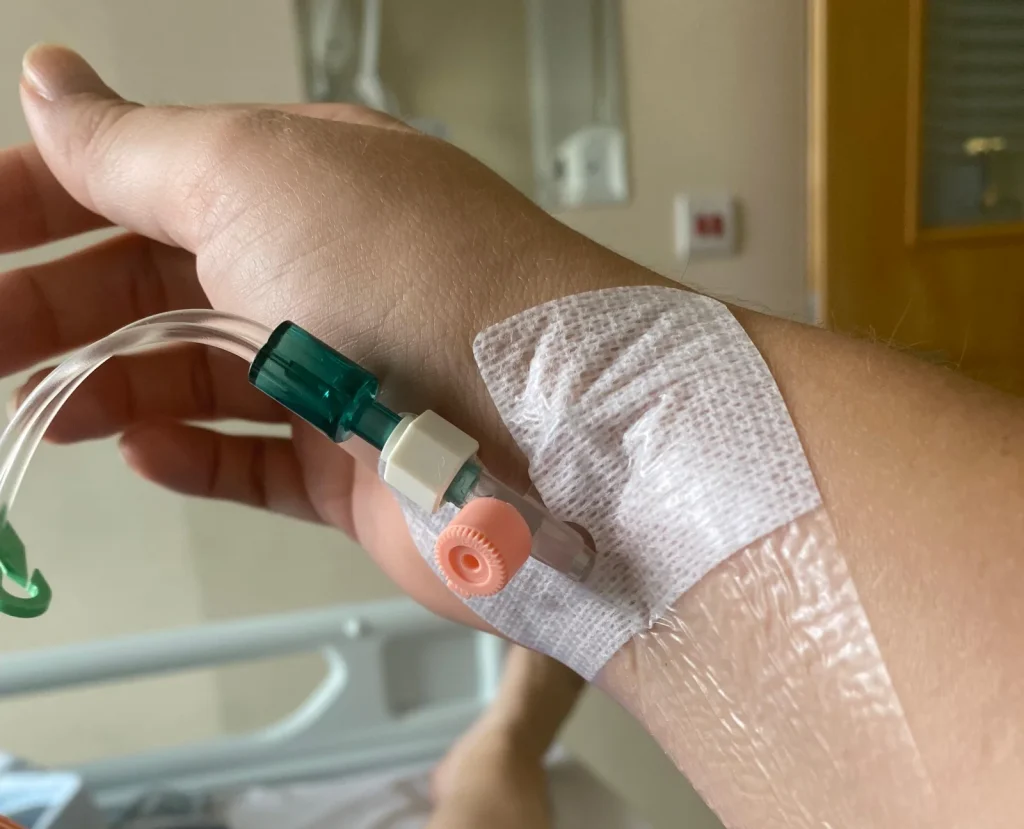
Now, Ruth felt traumatised, exhausted and was left paralysed down one side of her face, which meant she was unable to eat properly.
There was no rehabilitation, no follow-up, or anybody checking in.
Ruth said: “It felt like I had been pushed off a cliff.
“One day, I was surrounded by doctors, and the next I was at home with no support with how to navigate life after a stroke.
“And a body I didn’t recognise anymore.”
Ruth suffered memory issues, which left her terrified, before being encouraged by friends to contact her doctor.
Eventually, she secured rehabilitation.
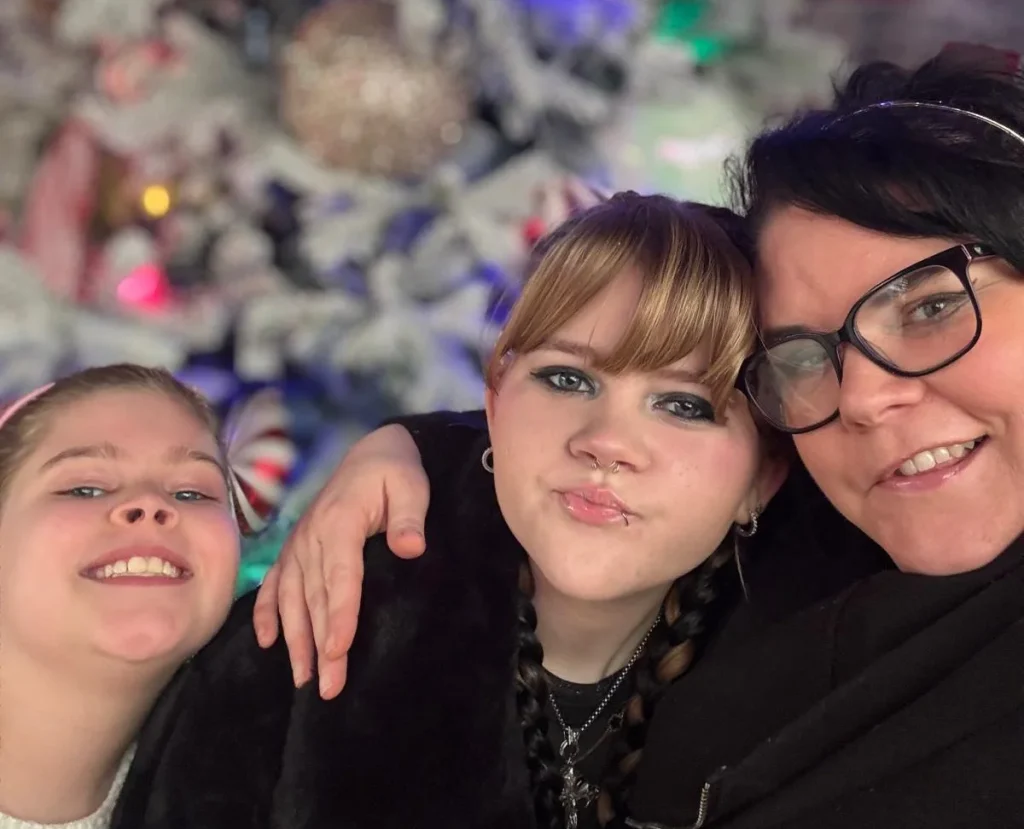
Now, she’s still living with the impacts of the stroke, such as tiring easily and being quickly overstimulated.
Ruth claims it’s changed her personality in the sense that she’s now more impulsive, has less of a filter and feels as though she’s living in someone else’s skin.
The mum has worked closely with charities, such as the Stroke Association, in a bid to find information, support and guidance on life after a stroke.
Sadly, the ordeal has meant she’s had to give up her job as a teacher, though despite all she’s been through as a result, she hopes to continue sharing her story to help raise awareness.
Ruth added: “It’s like [I’ve put] on a pair of old shoes that someone else has worn in.
“I had the same house, the same children, but I wasn’t the same person anymore.
“I’ve told myself; I’m not a stroke victim, I’m a stroke survivor.
“A stroke doesn’t happen and end.
“It changes everything – your body, your mind, your family and your future.
“I’m still learning how to live with it every single day.”
Katie Chappelle, Associate Director for Wales at the Stroke Association, said: “The cost of stroke cannot simply be measured in pounds and pence.
“Behind every figure is a person whose life can change in minutes, and a family adapting to the impact of stroke.
“Ruth’s experience shows why recovery must not end when someone leaves hospital.
“Ruth describes the fear and isolation of being discharged without the rehabilitation and follow-up she needed.
“Stroke affects everyone differently.
“Someone may appear to have made a good physical recovery but still be struggling with fatigue, memory, concentration or changes to their emotional wellbeing.
“Others may need ongoing physical rehabilitation to regain skills and independence.
“We need to ensure that people affected by stroke can access the right support for as long as they need it.
“That support should not depend on where someone lives or whether they can afford to pay privately.
“Our new report shows the scale of the challenge facing Wales.
“We need sustained investment across the whole stroke pathway, from preventing strokes and providing rapid emergency treatment through to rehabilitation, life-after-stroke support and support for carers.
“Action now can help people affected by stroke live the best lives possible while also reducing avoidable pressure on health and social care.”
READ MORE: Dad ‘vibrating uncontrollably’ after antidepressant switch races to find cure