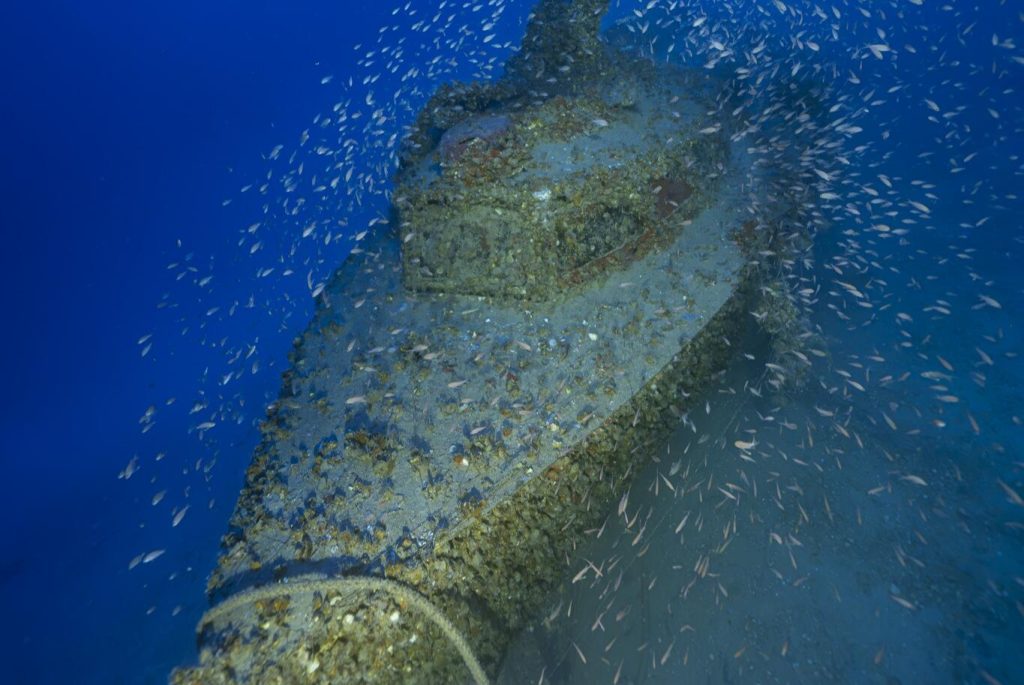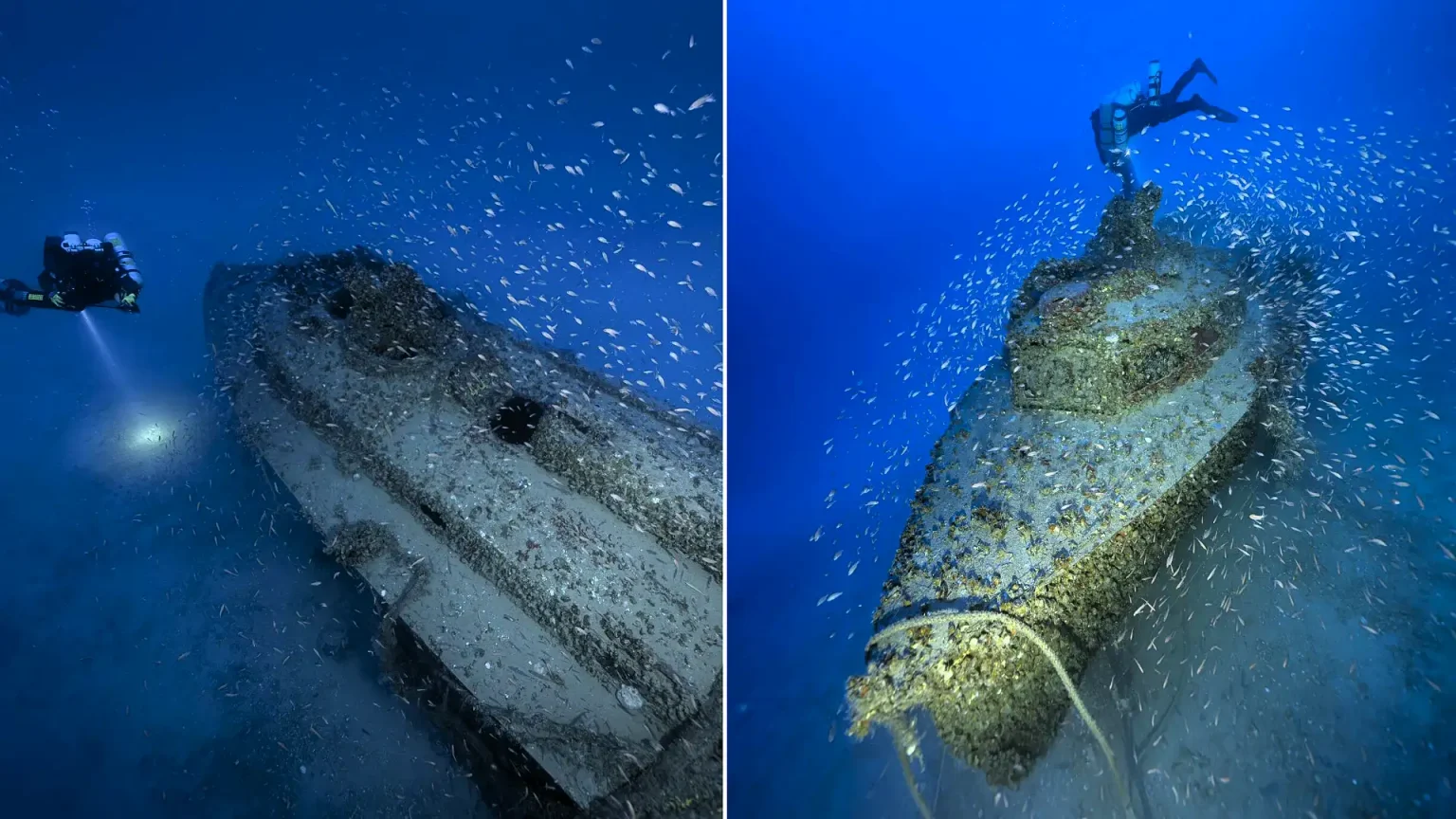

A rare Nazi fast-attack boat has been discovered more than 300ft beneath the sea – 83 years after it sank while being towed for repairs.
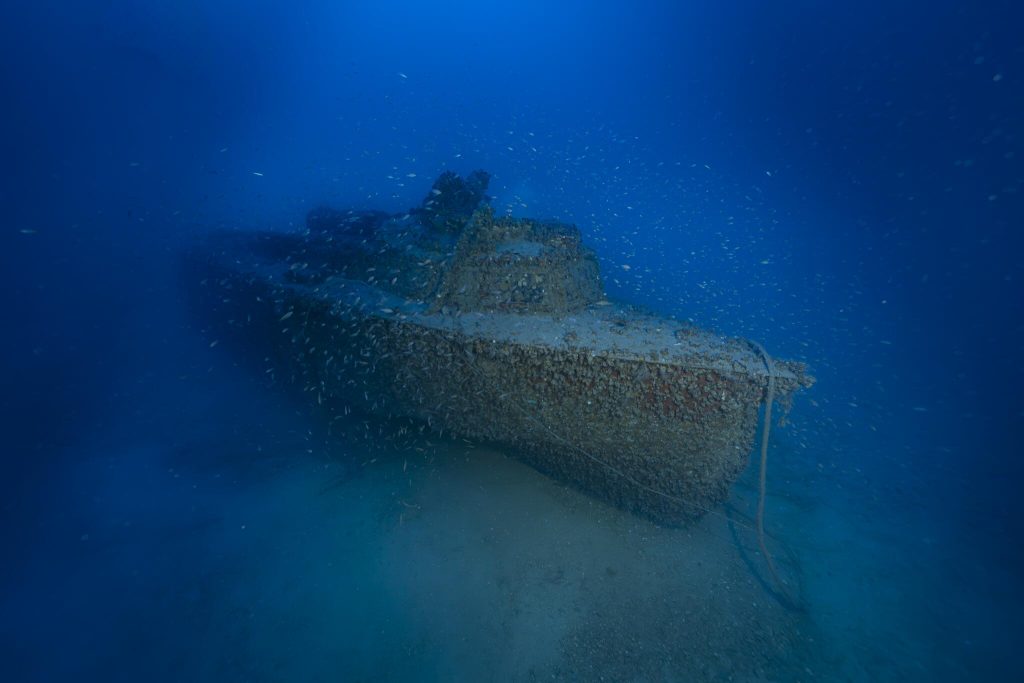
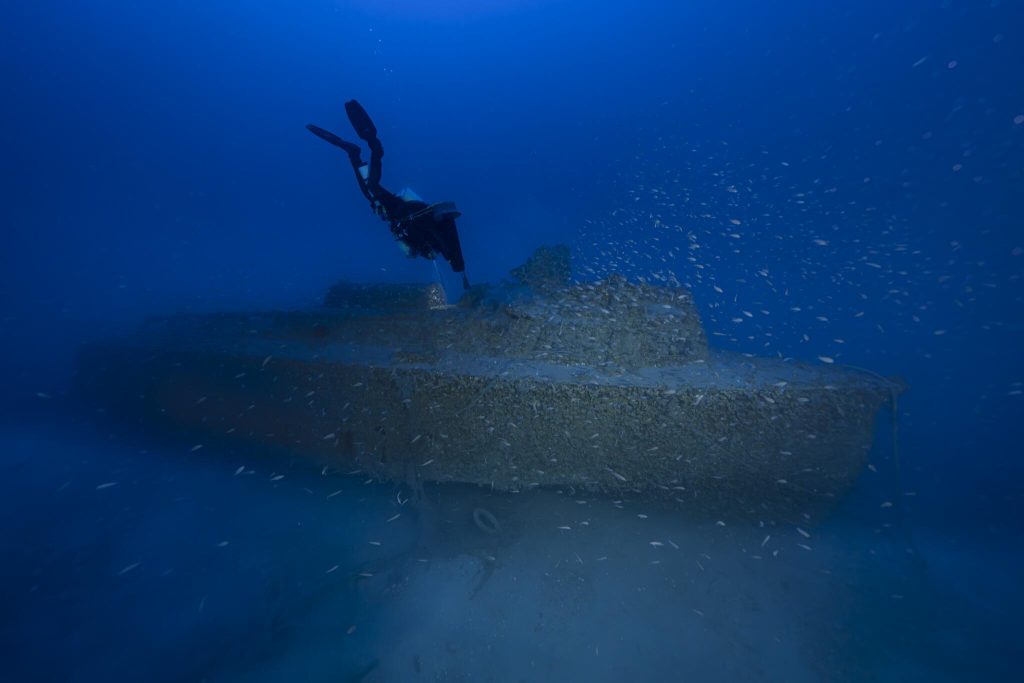
A team of Greek technical divers from AegeanTec identified the remarkably well-preserved German vessel resting almost upright on the seabed.
The 41ft boat is believed to be LS6, a Leichtes Schnellboot operated by Nazi Germany’s Kriegsmarine during the Second World War.
READ MORE: Golden brooch from ill-fated Scotland steamer that killed NINE crew 130 years ago discovered
It lies between the Greek island of Lefkada and the mainland near Preveza in the Ionian Sea.
Experts believe it could be the only known surviving vessel of its type.
The discovery was announced by AegeanTec maritime historian Giorgos Karelas earlier this month following years of painstaking research.
The hunt began in 2013 after German naval historian Peter Schenk provided archive information about a small Kriegsmarine vessel lost in the Ionian Sea.
Lefkada wreck hunter Dimitris Giannoulatos eventually located a sonar target at a depth of around 315ft.
AegeanTec divers Marinos Giourgas and Vasilis Spyropoulos then plunged into the depths to identify the mystery wreck, as reported by Need To Know.
They discovered the vessel standing almost upright on the seabed, with its aluminium hull and superstructure remarkably intact despite spending more than eight decades underwater.
The divers said: “The moment the silhouette emerged from the depths reminded us exactly why we do what we do.
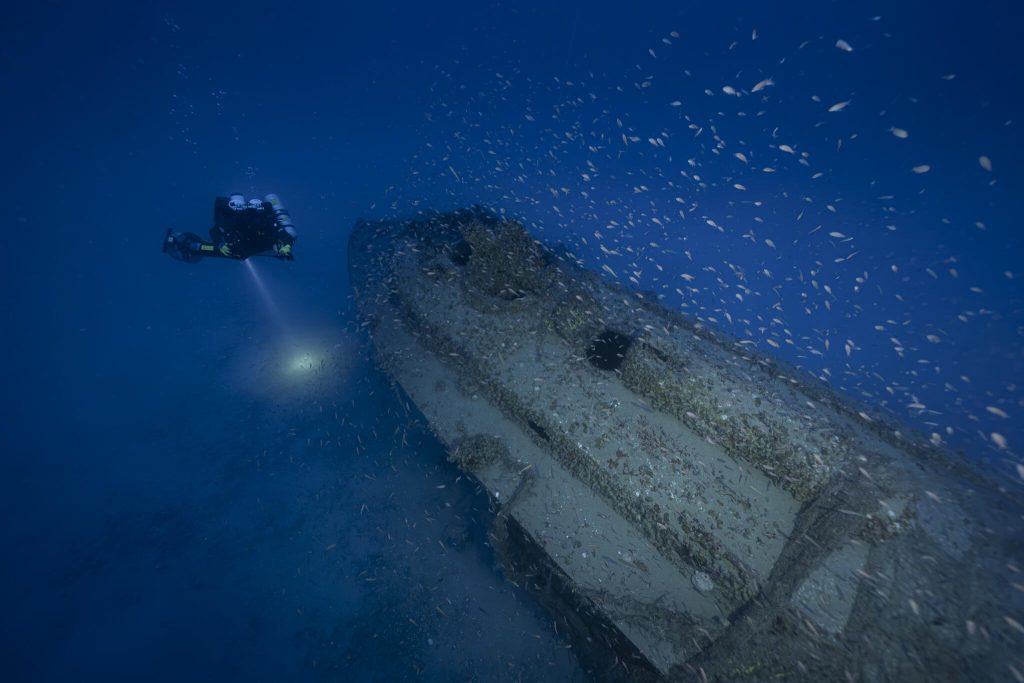
“Few experiences compare to the privilege of being the first to dive, document and identify a forgotten piece of history.”
Several distinctive features helped experts identify the wreck as LS6, including its dimensions, aluminium construction, stern and two Junkers Jumo 205 diesel engines.
Part of the cable used to tow the vessel was also still attached to its bow.
LS6 was built by Dornier and commissioned in 1941.
Originally designed for torpedo operations, it was later modified for anti-submarine duties and fitted with equipment for deploying depth charges.
Historical research suggests the boat was attacked on 24 September 1943 while travelling from Igoumenitsa towards Corfu.
The most likely account attributes the attack to six Italian Reggiane Re.2002 fighter-bombers.
Explosions close to the vessel badly damaged its lightweight aluminium hull and left it unable to manoeuvre.
German forces then attempted to tow the stricken boat to Piraeus for repairs.
But five days later, on 29 September, its damaged hull is believed to have given way under the strain of the tow.
Water flooded into the vessel, and LS6 sank near Mytikas, off Preveza.
Experts believe the fact that it sank while under tow, rather than being destroyed outright in the air attack, helped preserve the vessel.
Its aluminium construction is also thought to have contributed to its remarkable survival.
Greek authorities consider ship and aircraft wrecks more than 50 years old to be protected monuments.
The exact location of LS6 has therefore not been made public.
READ MORE: ‘Death Jar’ dating back 1,200 years with generations of human remains inside discovered