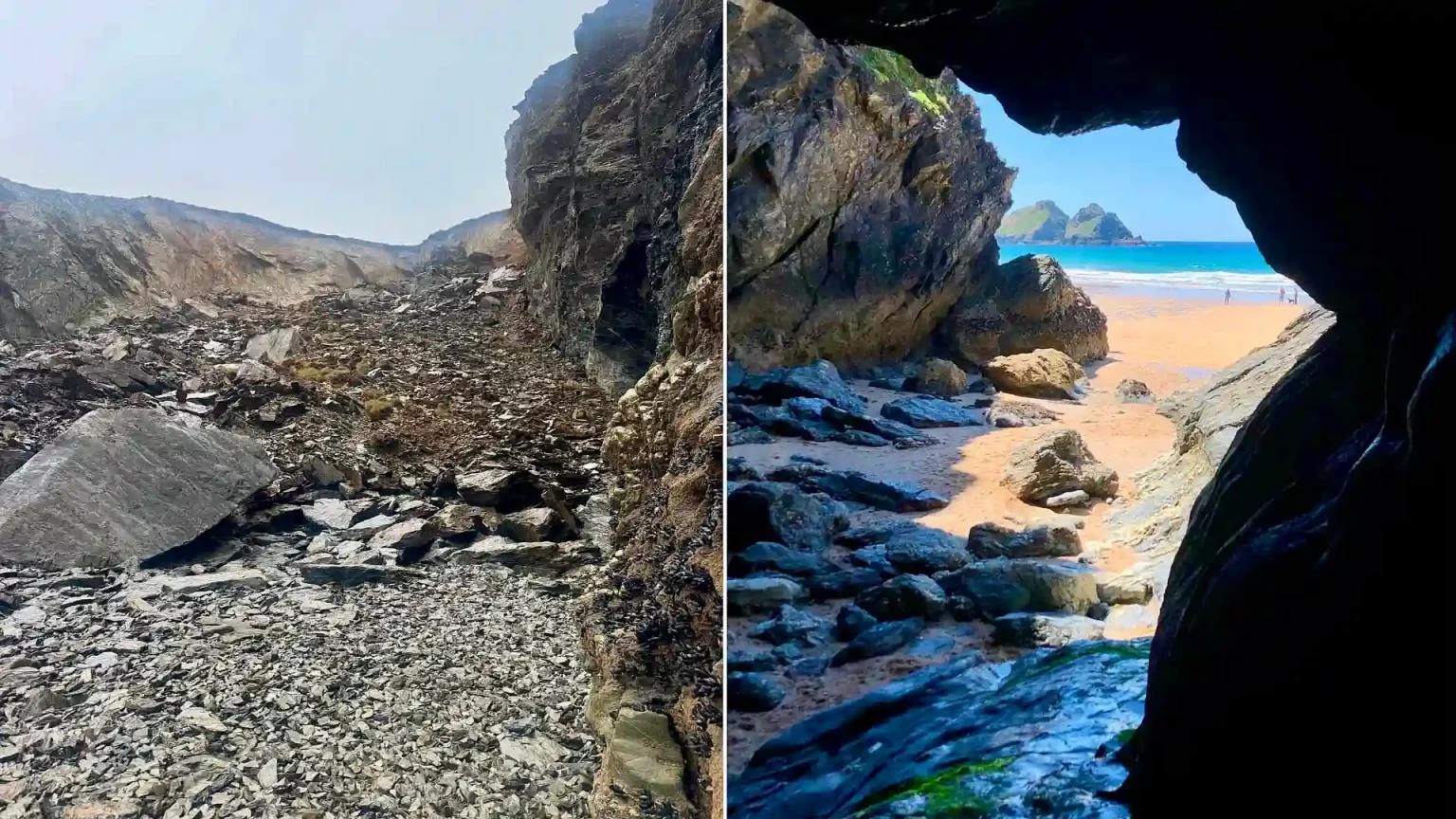

A famous cave featured in TV series Poldark which was feared to be “gone forever” after a dramatic cliff collapse may still be preserved behind the rockfall.
Historic Holywell Cave at Holywell Bay, Newquay, Cornwall, was hit when a geological fault gave way.
The cave, also known as St Cuthbert’s Cave, had been tucked beneath the southern cliffs of Kelsey Head.
READ MORE: Oblivious drug-driver ploughs into moped rider after blindly veering into his path
Coastguards and the RNLI confirmed the collapse on Sunday, while witnesses said the cave had been cordoned off by lifeguards.
The cave featured in series four and five of the BBC drama Poldark.
But a spokesperson for Holywell Bay Surf Life Saving Club said there could be hope for the historic landmark, as reported by Need To Know.
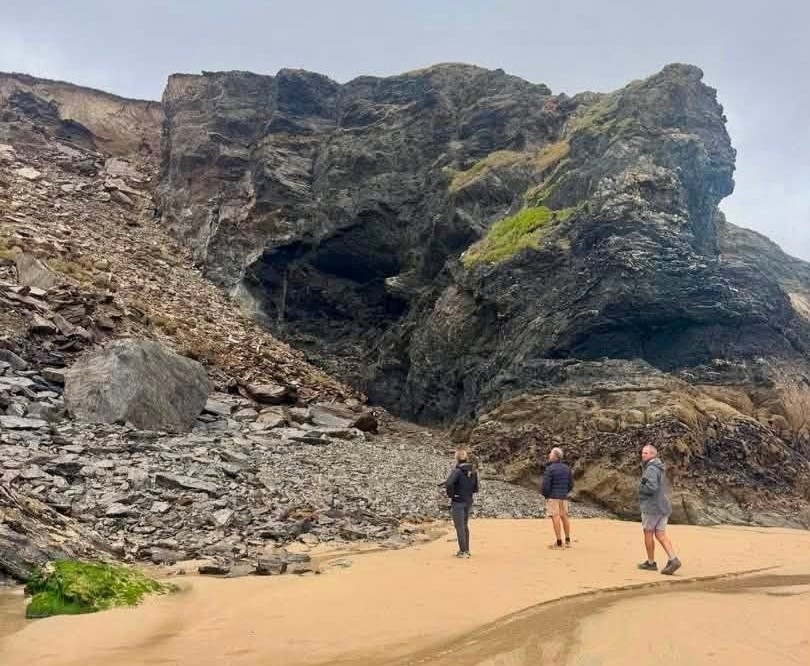
They said: “The majority of qualified people believe the top section of the cliff collapsed smothering the front of the cave, evidenced by hearsay of several large cracks appearing in the ground above the cave in the preceding weeks.
“We’ve examined the photos, stood pensively on the beach, chatted at length and wholeheartedly believe the holy well has been preserved far behind the rockfall.
“But we must point out that our deep rooted love for the well and lack of any formal training or qualifications in geology or erosion may slightly impair our belief.”
The spokesperson said the scale of the collapse was difficult to appreciate from photographs.
“The amount and size of the rock debris is immense.
“You really do have to see it to believe it.”
Geologist Paul Foster said the cave collapsed because of a “fault in the rocks”.
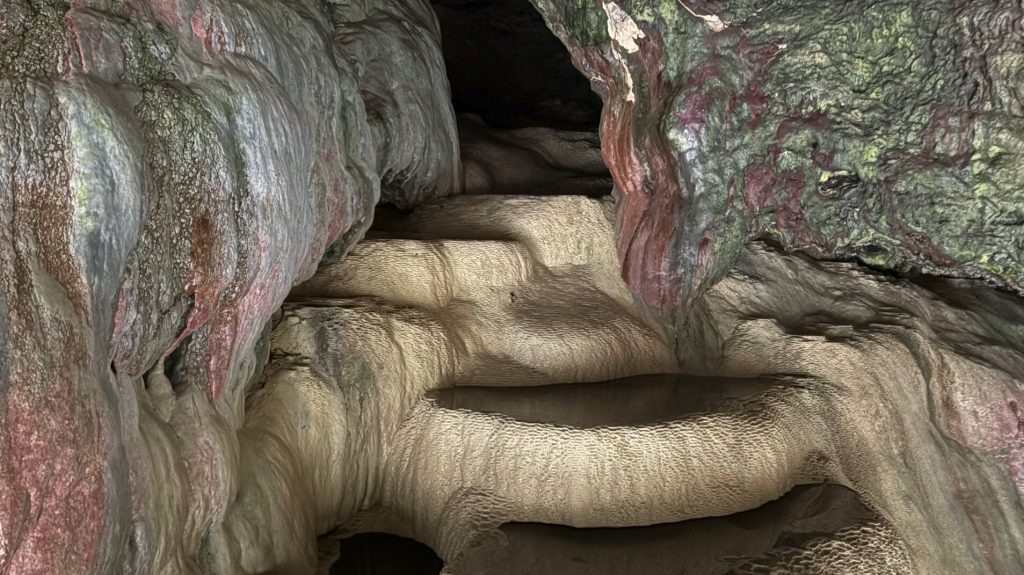
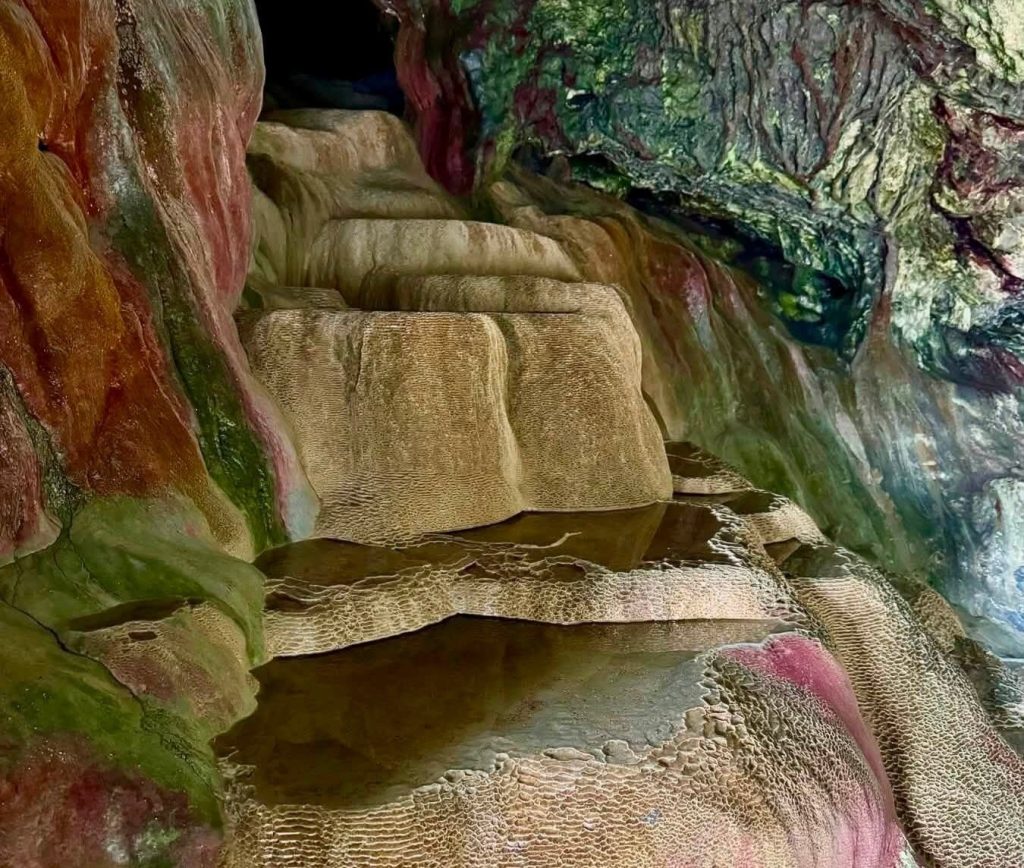
He described the fault as a “double-edged sword” because it had helped create the cave’s colourful rocks but had also weakened the cliff.
Foster said the rocks were around 350 million years old and once lay beneath a mountain range.
He said they had been “squashed and folded” and metamorphosed from mud into slate, which was when the fault developed.
A fault is a line within rock where movement has occurred, leaving the rock fractured and broken.
Foster said: “One side has moved upward, the other side has moved downwards, so it’s a joint in the rocks where there has been movement.”
He added: “In this case, those breaks have allowed the calcite into the rock which formed all of the minerals on the side of the cave to start with, but it also formed the weakness which has weakened the rocks and caused it to collapse, so it’s sort of a double-edged sword.”
Foster warned that the area remained “very dangerous”.
He said: “There are two main hazards, the first being screed pile has lots of gaps in it, and you could fall down into one of those gaps.
“The second is the collapse might not be over and there might be further collapses at the top around the coast path.”
Holywell Cave was known for its multi-coloured rocks and a natural spring which descends through a grotto from the back of the cave.
The spring is thought to be the origin of Holywell Bay’s name.
Small, slippery steps carved into the rock hundreds of years ago led into the cave, where pilgrims, mothers with sick children and people with disabilities came to drink from the holy well.
The cave was said to have incredible healing properties, with some visitors leaving their crutches behind.
Holywell Bay itself also featured in the opening sequence of Pierce Brosnan’s James Bond film Die Another Day.
READ MORE: Anger in the town that calls its link to a famous actor a ‘bad SMELL’