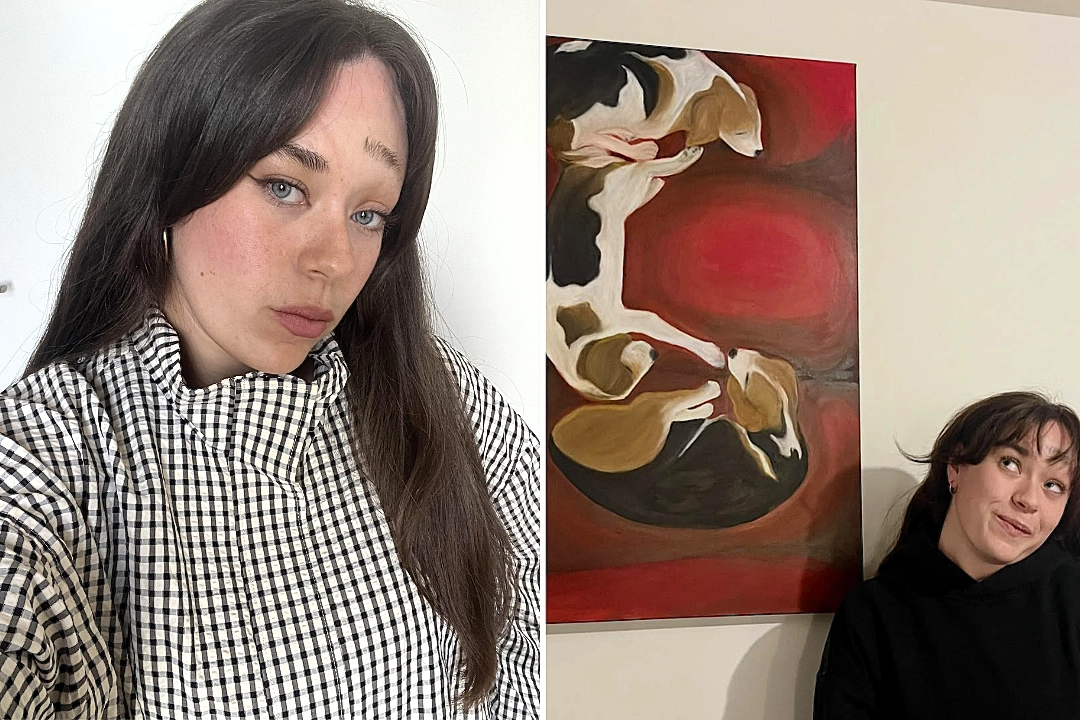

A paediatric nurse with “two faces” says trolls urge her to get surgery – but she’s embracing her unique look.
Kate Markham was born with Cutis verticis gyrata, an extremely uncommon condition that causes the skin to form folds and ridges, often on the scalp or forehead.
The 21-year-old has faced harsh remarks over the years, including people telling her she looked “ugly” or suggesting she “just get surgery”.
READ MORE: Dancer, 21, thought shoulder pain was sports injury before doctors found massive tumour
“I’ve definitely had moments where I struggled with confidence,” Kate, from Coventry, told Need To Know.
“A lot of people assume there’s a dramatic story behind it like I’ve been in an accident or had an injury.
“But there isn’t – it’s simply a condition I was born with.
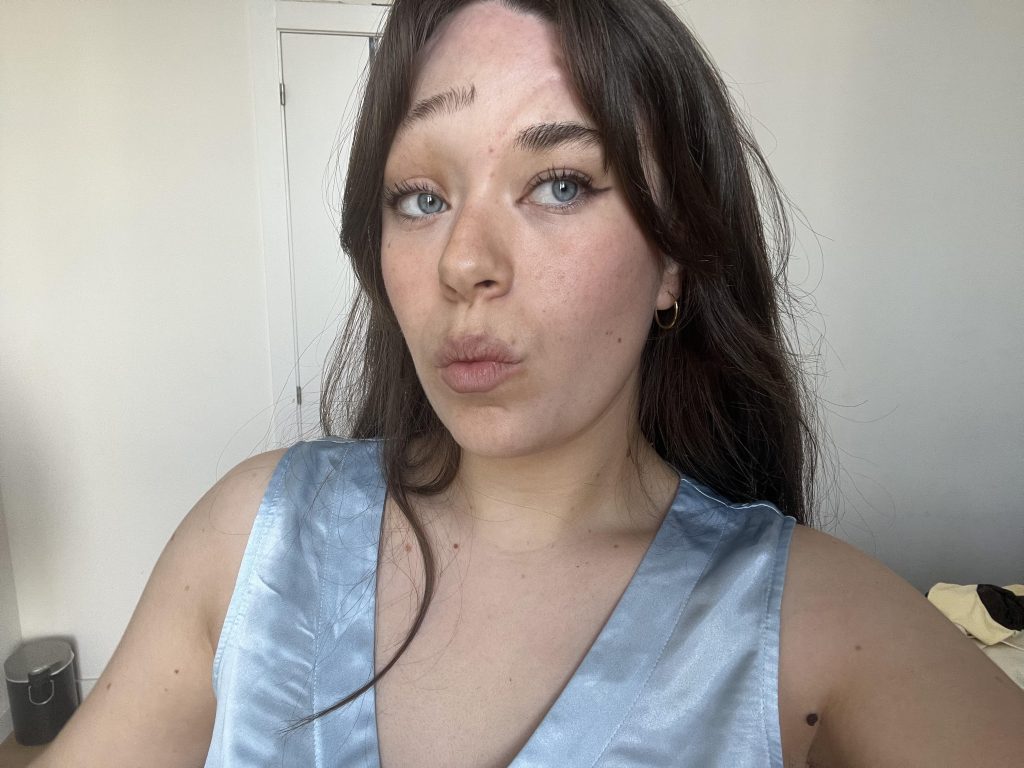
“I’ve had comments like ‘that’s ugly,’ ‘shave it off’, or ‘just get surgery’.
“When I was younger, those comments affected me a lot more.
“As I’ve grown up with these comments after having attention online I am more able to brush off the comments easily.
“Now, I see it differently as I’m happy as I am, and I don’t feel the need to change for anyone.
“Growing up, horse riding was a huge part of my life, and that gave me a real sense of confidence.
“When I had my hat on, I felt like everyone else and it was a safe space where I was judged on my ability, not my appearance.
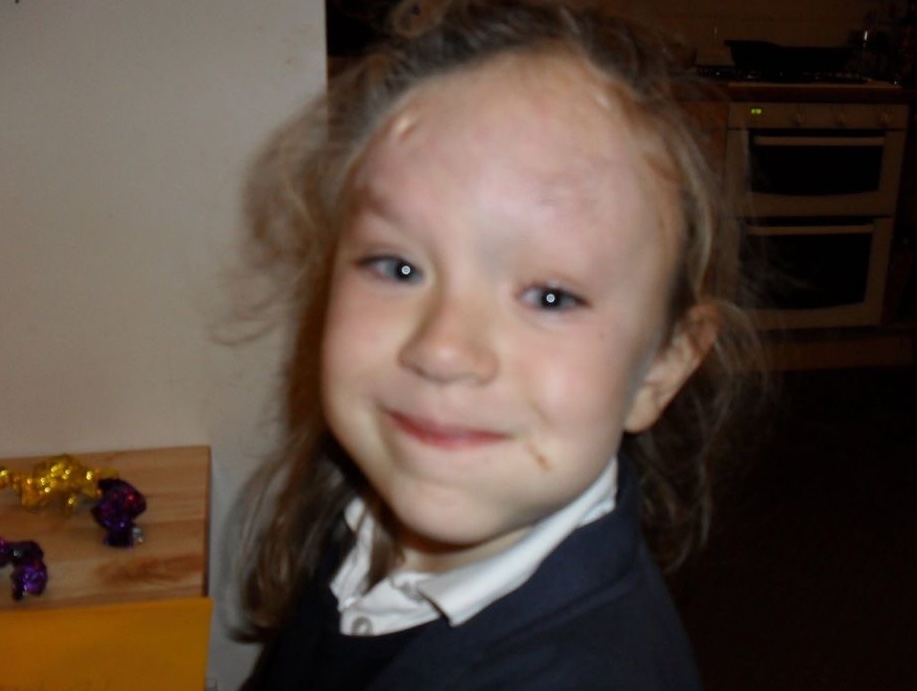
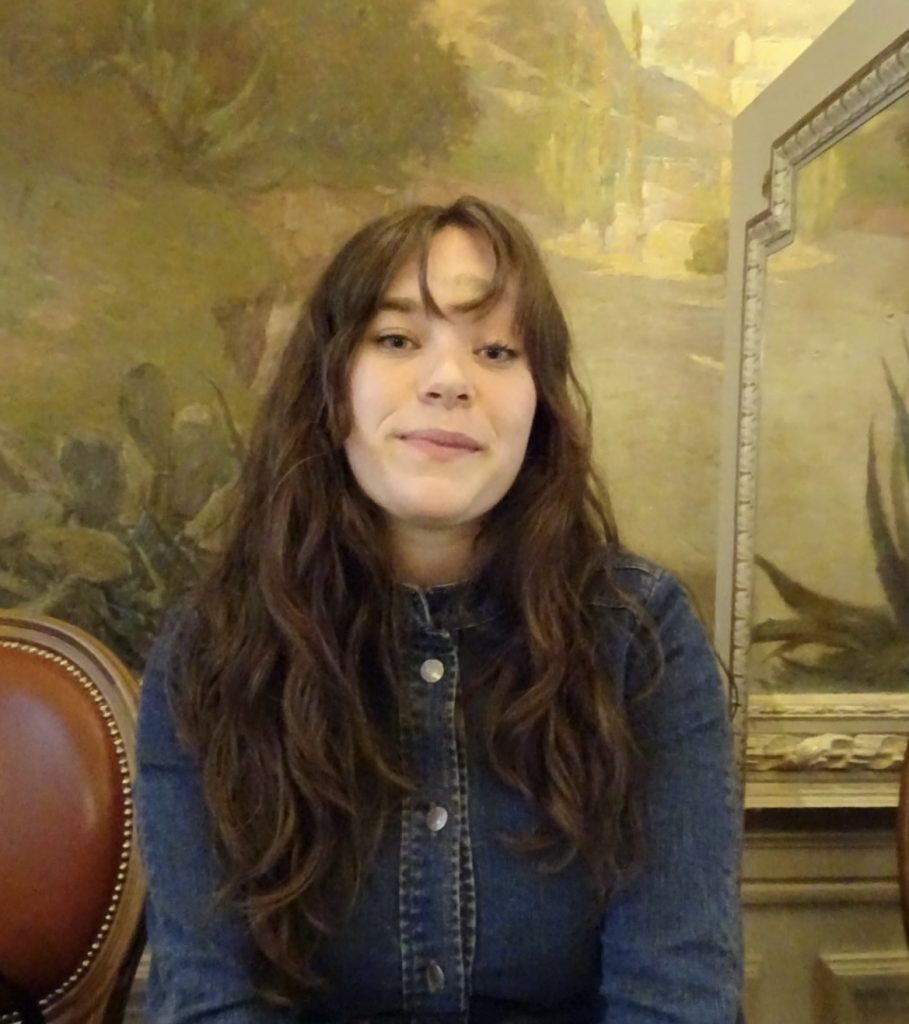
“As I got older, I experimented with hairstyles, like having a fringe, to draw less attention to my eyebrows.
“But over time, I’ve grown out of that.
“Right now, I feel more confident and comfortable in my own skin than I ever have.”
Kate’s condition was visible from birth as, with no hair as a newborn, the folds in her skin were more pronounced.
At first, doctors struggled to explain what they were seeing.
It wasn’t until she underwent an MRI scan that specialists were able to properly diagnose her.
Kate said: “Initially no one really knew what it was.
“There was a lot of uncertainty at the time.
“There was a lot of possibilities of conditions I could have such as brain damage.
“It was quite a scary time for my parents being in the unknown followed with lots of tests and genetic investigations.
“Once the condition was diagnosed there were further concerns about my health which could have been linked to the condition.
“I was followed up through my childhood to monitor my development closely.
“Doctors explained that it’s a rare condition where the skin forms folds, and that it wasn’t harmful to my health.
“It’s not been specifically explained to me as such.
“As I grew up I started asking more questions as my curiosity grew and my parents were always very open about it.
“They explained that it was something I was born with, that it was rare, and that it didn’t define me.”
Kate says she started to become more aware of her condition when she started secondary school.
She said: “It was probably the hardest time as people could be quite unkind without thinking about how it affected me.
“In primary school, everyone had grown up with me, so no one really questioned it as much or as directly.
“But starting a new school, meeting new people, especially older students, I began to notice the looks and the questions more, and that’s when I realised I was more different
“Now, I still get stares or comment, but I’m much more used to it and confident in how I respond.
“Socially, though, it has been difficult at times dealing with comments, stares, or people talking about me.
“I remember feeling especially insecure during phases when appearance trends were big, like doing eyebrows.
“I felt different because I couldn’t really change mine, and that made me feel like I stood out more.”
Kate later turned to cognitive behavioural therapy (CBT), which helped her develop coping strategies she still uses today.
As she got older, doctors offered various treatment options, including surgery, Botox and microblading.
While she considered them, Kate ultimately chose not to go ahead.
Kate says her confidence has grown significantly – especially in recent years.
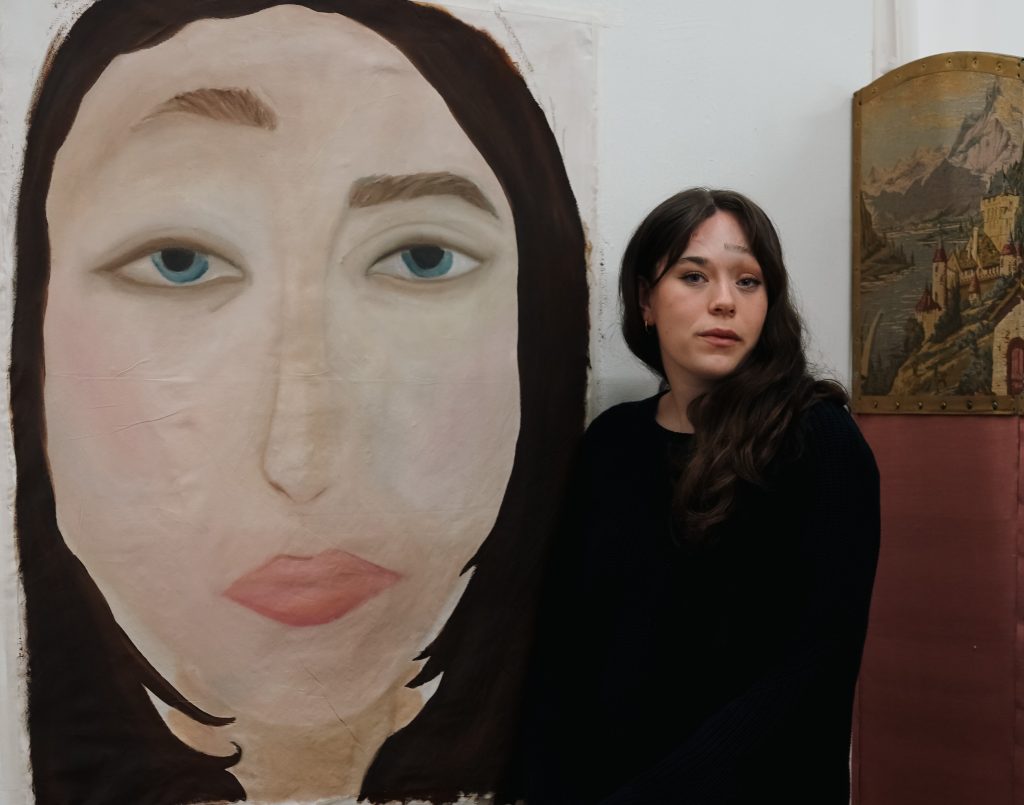
A surge of attention on social media, combined with her love of art and painting, helped shift her perspective.
She’s even embraced styles she once avoided, like wearing her fringe back, something she never would have done before.
“Kate said: “It’s definitely shaped me as a person.
It’s helped me build strong friendships with people who genuinely accept me for who I am.
“It’s also given me a thick skin and confidence in speaking to people and explaining my condition.
“I’ve also channelled a lot of my feelings into art and painting, which has become really important to me.
“In a way, it’s helped me express myself and grow into who I am today.
“Being unique feels special to me now, and I’m more confident than ever, even wearing my fringe back when I never would have before.
“My family have always been incredibly supportive.
“They listened to me, reassured me, and helped me through difficult moments.
“Horse riding was also a big part of that support which I am so lucky for.
“It gave me a place where I could just be myself and build friendships that I still have today.
“During tougher times, my family were always there in whatever way I needed.”
READ MORE: Mum who nearly choked to death as a child launches app to save allergy sufferers