
A woman has shared how she was admitted into hospital with stomach pains and spent the next two weeks fighting for her life – and it was due to a hormone tablet reaction.
Emily Butler had been out with friends, laughing, chatting and enjoying some sushi.
The next day, however, she was rushed to the hospital, and her life was on the line.
READ MORE: Woman, 21, found out she had cancer after checking APP on her phone
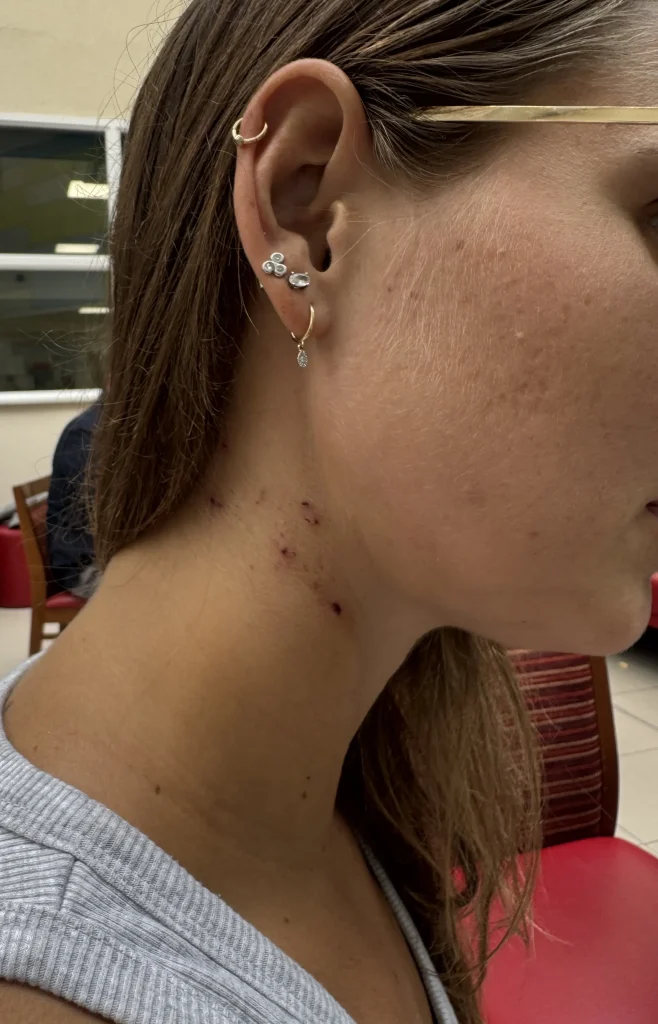
The 26-year-old, from London, felt a sudden onset of “extreme” stomach pain, coupled with nausea and body aches.
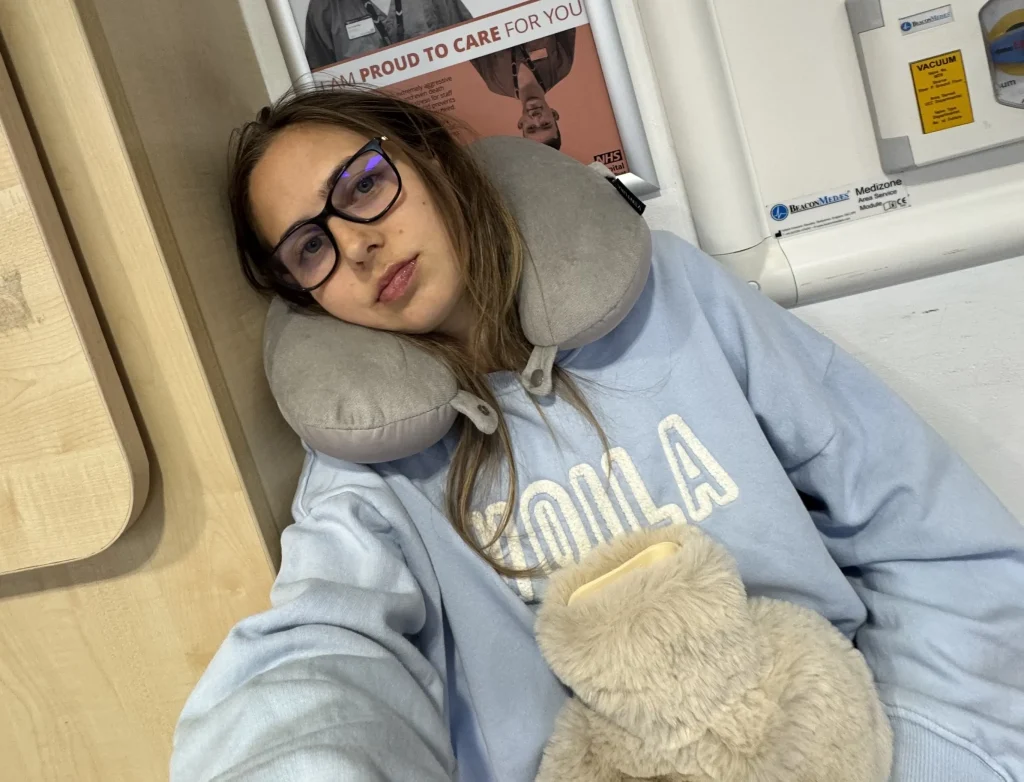
As this only worsened – quickly becoming “unbearable” – she phoned 111 and was advised to go to A&E for a check over.
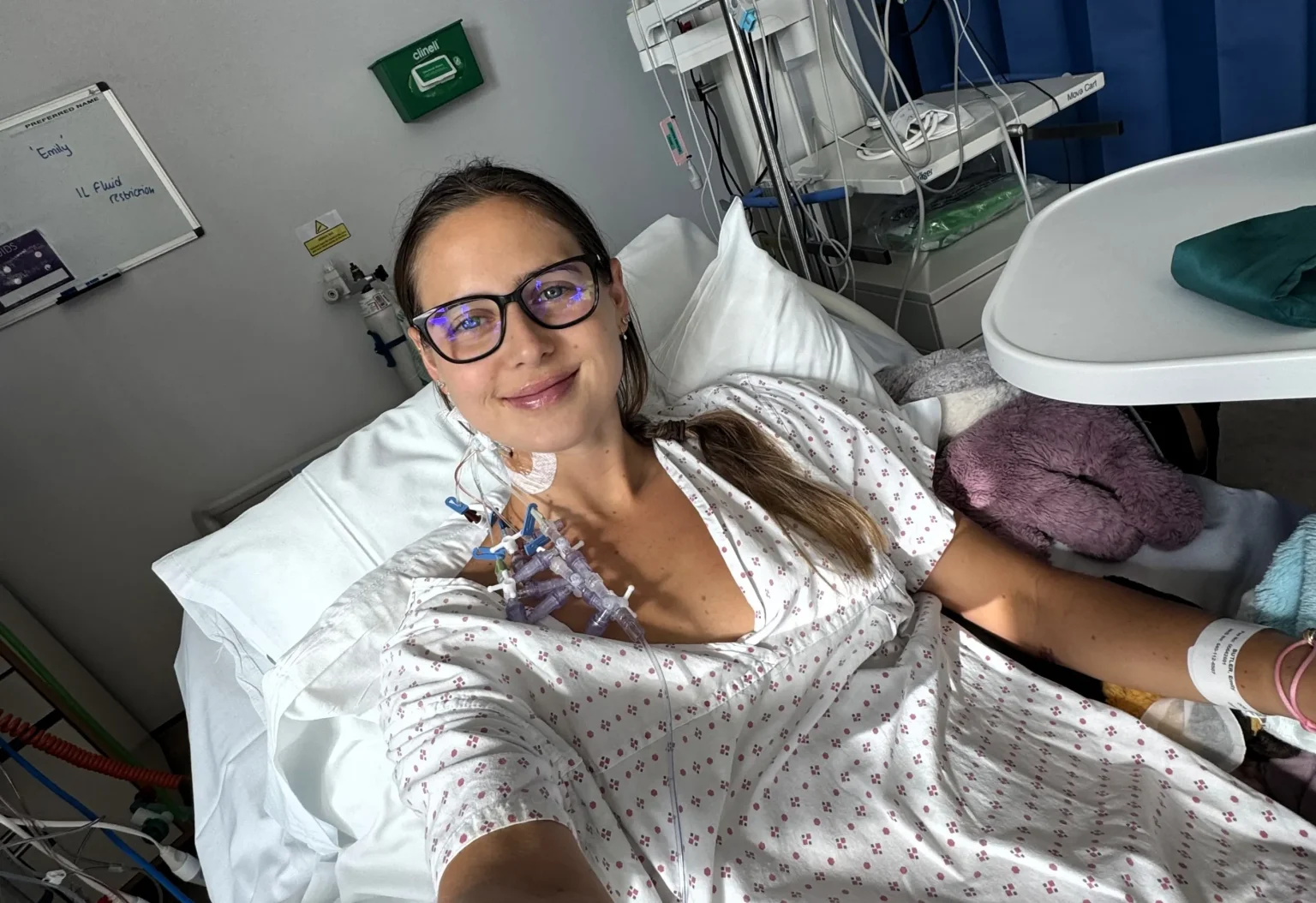
Emily then spent the next two weeks in hospital as doctors scrambled to find the cause – and it turned out to be a reaction to hormone tablets.
“I was in severe pain and somewhat out of it, feeling worried and scared,” the brand manager told Need To Know.

“My first night in intensive care was surreal; I couldn’t sleep and kept waking up for tests.
“It felt like I was in a video game.”
Emily, who had never experienced any health issues before, recalls her period randomly stopping in 2023; though this came back 10 months later.
A year on, it stopped again, and so she was prescribed progesterone tablets in a bid to reinstate her periods; but, just three days later, her worrying symptoms began.
As of today, she’s not had a period in 213 days.
She said: “When I messaged my mum about it, she suggested it might be something like appendicitis.
“I started researching possible causes, but it quickly became clear that it wasn’t anything common.
“I also wondered if it could be related to the creatine or protein powder I had taken – or the hormone tablets – but I couldn’t be sure.”
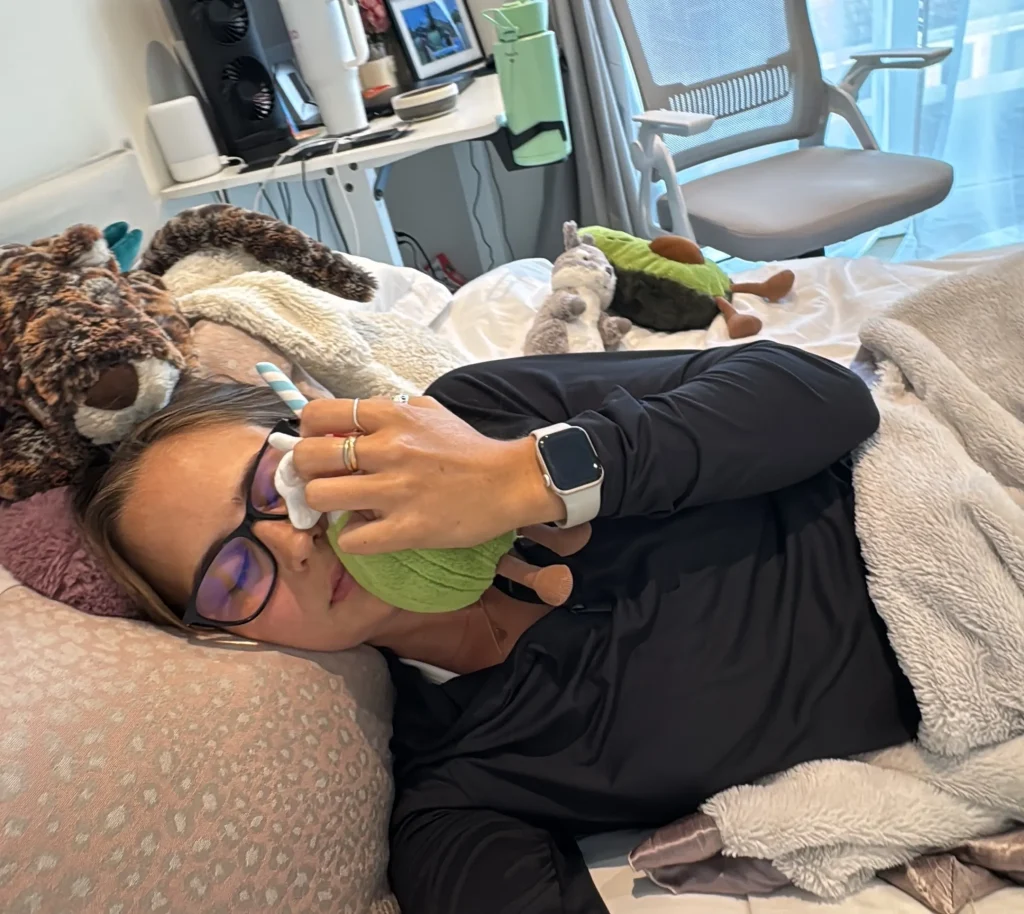
Emily had various tests, including blood and urine, as well as a CT scan, which discovered fluid buildup in her abdomen.
It was thought she had a burst ovarian cyst, but a scan revealed this wasn’t the case.
After blood tests showed extremely low sodium levels, she was urgently transferred to intensive care for hourly monitoring, in case of a seizure and possible life support.
Emily was then “horrified” when her urine turned a reddish colour.
She was given artificial heme arginate, which replenishes the body’s heme stores, to help stabilise her sodium levels, relieve pain and restore her normal bodily functions.
It was given as doctors thought it could be porphyria, a rare blood condition.
Emily said: “I was terrified.
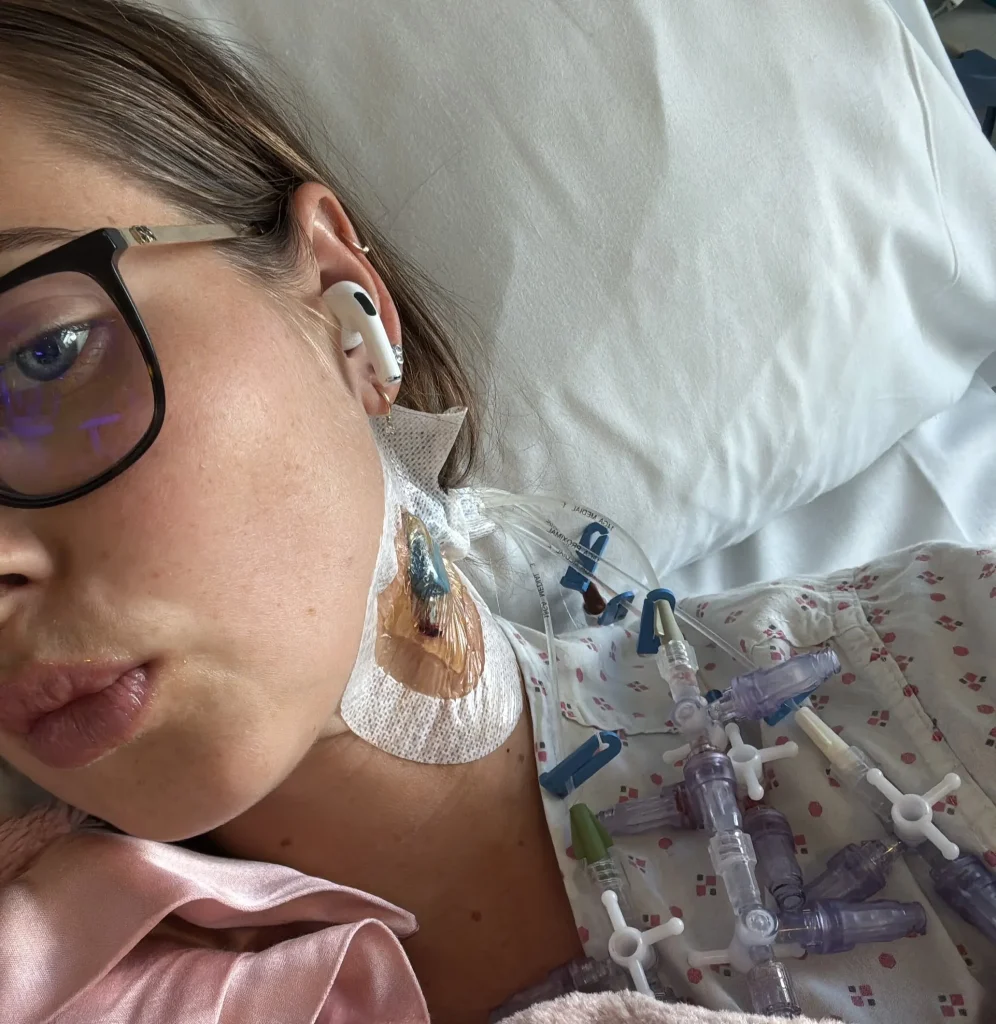
“Without the medication, my sodium levels could have continued to fall, potentially causing seizures, oxygen dependency and life support – even a coma.”
Doctors then confirmed her diagnosis: acute intermittent porphyria, an inherited blood condition that leads to a deficiency in heme, an iron-containing molecule that’s crucial for oxygen transportation to the blood and muscles.
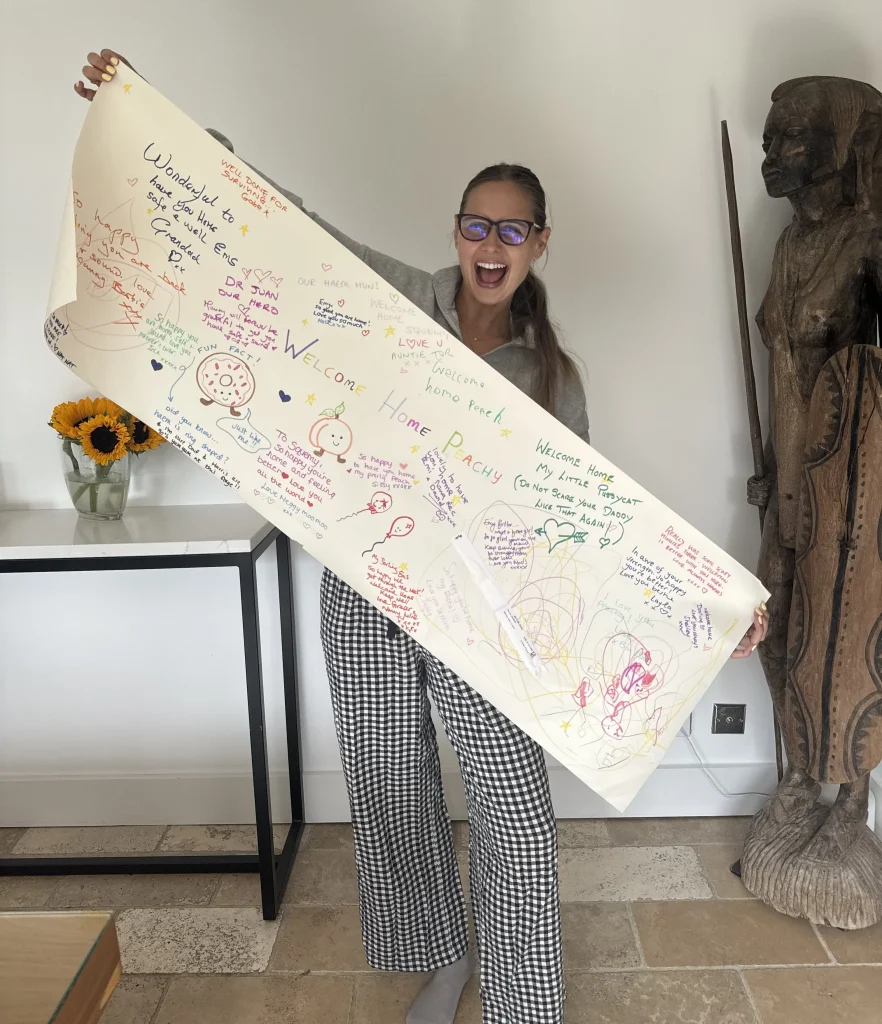
Luckily, the treatment worked, and she was discharged after being able to eat and go to the toilet properly again on 29 August 2025.
While she’s now in a stable condition, and it’s believed she will never have another attack again, she claims that medical reports say that the progesterone tablets likely triggered the episode.
She’s since stopped the tablets, even though her periods have not yet returned, and is now managing stress levels, not over-exercising and has cut out alcohol completely.
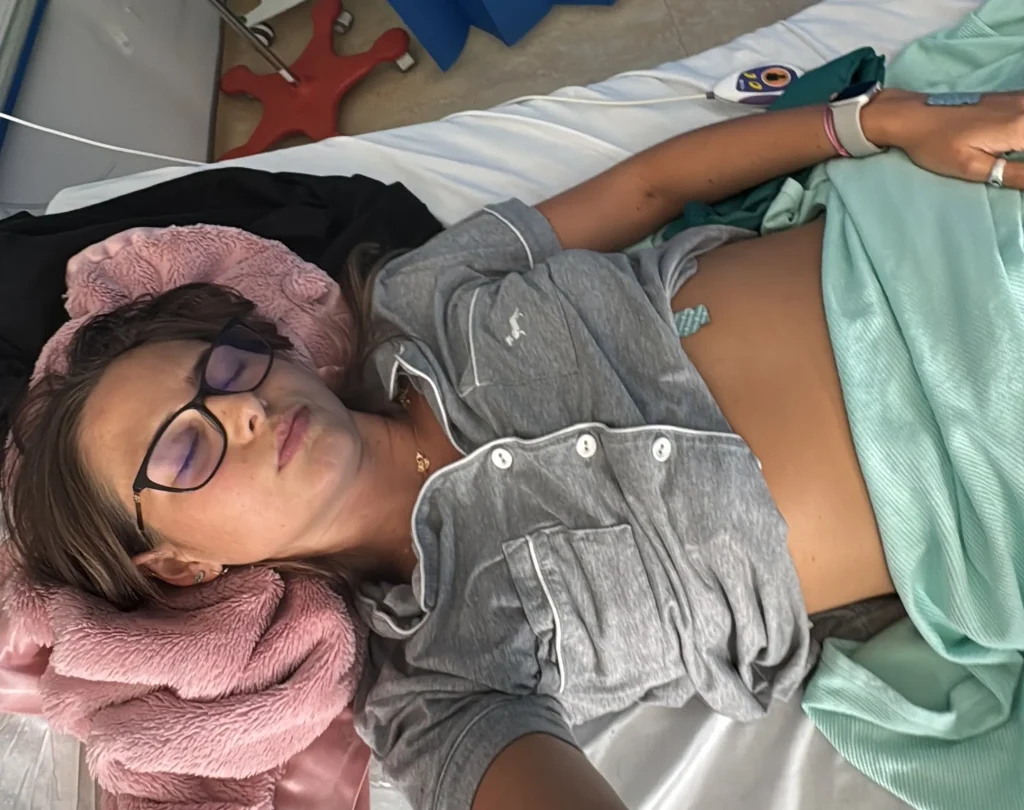
Emily also eats a high-carbohydrate diet, doesn’t smoke and now works less to avoid over-straining herself.
She added: “It goes to show how suddenly a healthy life can be disrupted.
“I can live a largely normal life while avoiding triggers.
“My only potential risk is pregnancy.
“The doctor who recognised it as porphyria saved my life.
“He’s now writing a scientific journal to educate others.
“I feel immense relief, positivity and gratitude for him.
“And for my family and friends for their ongoing support.
“I’m focusing now on gratitude, careful management of triggers and connecting with others to raise awareness.
“This is your reminder to prioritise health and trust your body, because you never know what the next day has to bring.”
READ MORE: ‘Doctors thought I had piles – then gave me 48 HOURS to live after terrifying diagnosis’