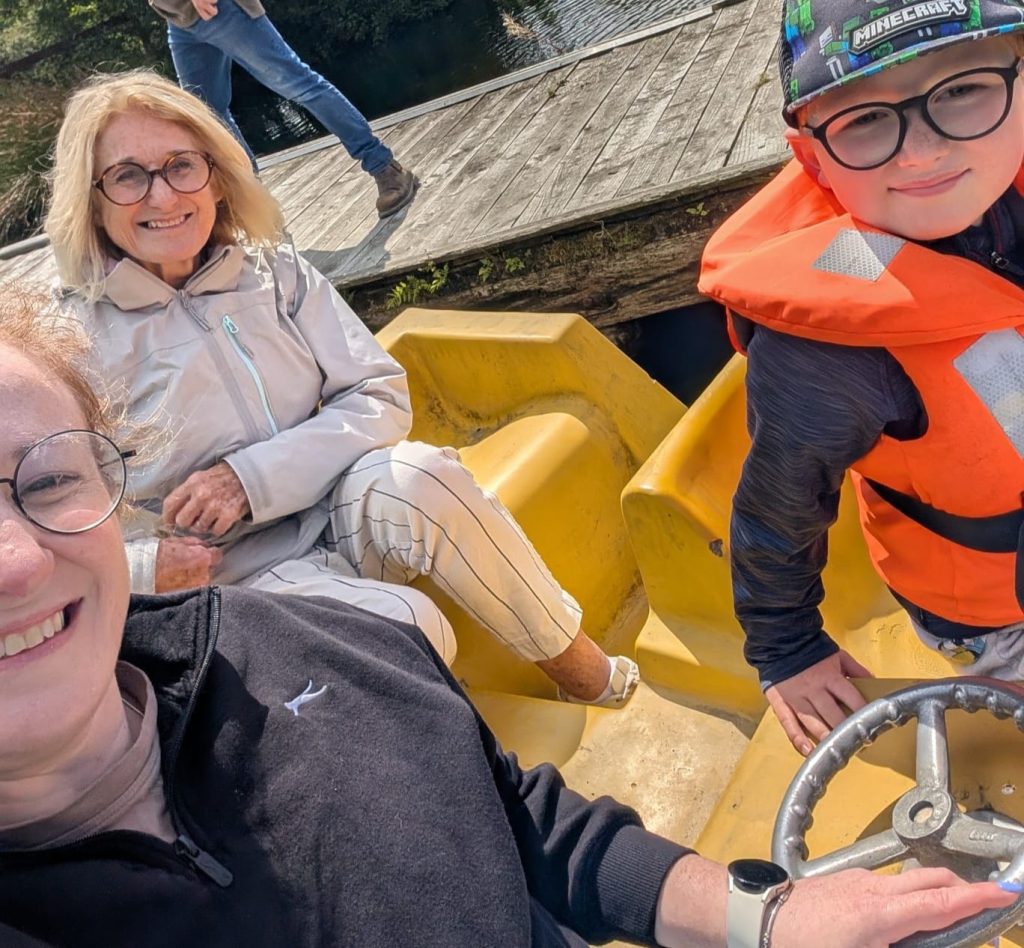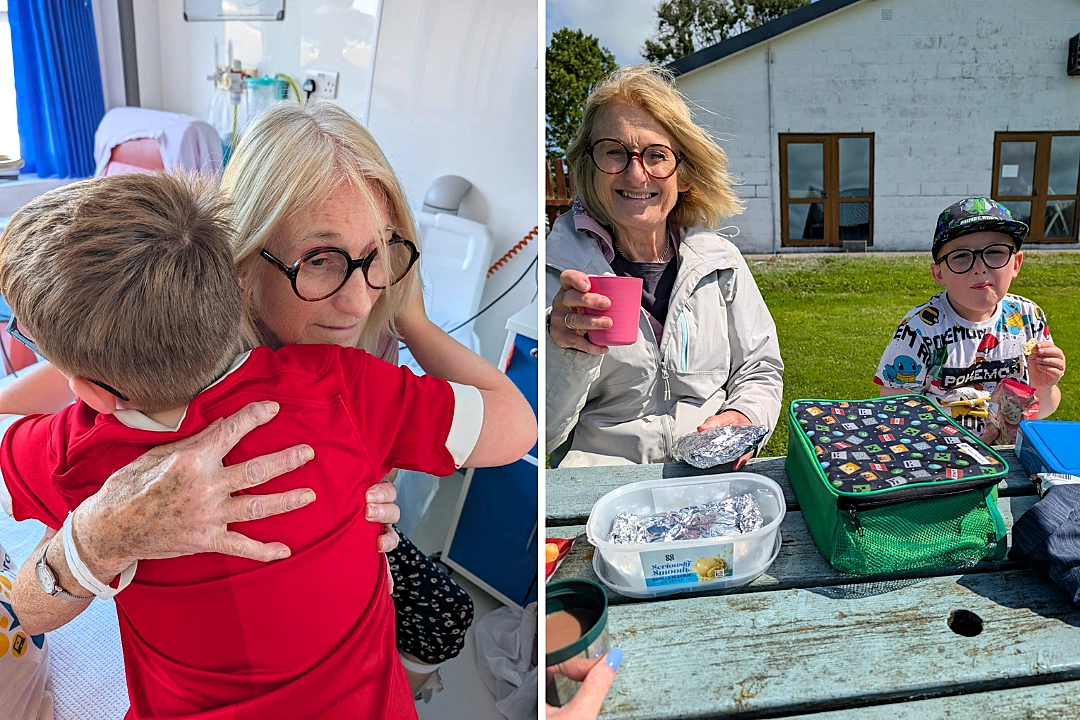

A grandmother has been left with life-changing brain damage after a common virus she’d carried since childhood suddenly turned deadly.
Helen Edwards initially believed she was battling a routine illness — but within days, her condition spiralled into a medical emergency that saw her hospitalised for three months.
The 74-year-old was diagnosed with encephalitis, an uncommon but serious condition in which the brain becomes inflamed or swollen.
READ MORE: ‘My £8K Turkey teeth left me with STUMPS – and everyone said I looked ancient’
The condition was caused by herpes simplex virus type 1 (HSV-1), also known as the cold sore virus, which affects an estimated 3.8 billion people under 50 globally.
It has had a devastating effect on Helen and her family, who have been by her side throughout the experience.
“It’s been really difficult and distressing at times to see someone who was living such an independent life to now needing support with almost everything,” Helen’s daughter Jane Richards, from Aberystwyth, North Wales, told Need To Know.

“Initially, you think someone is a bit poorly, but watching the new symptoms appear and seeing her health deteriorate was quite scary as you are trying to understand what’s happening.”
Jane, 40, says her mum has gone from enjoying sea swims and daily dog walks to “struggling to make new memories”.
In September 2025, Helen began feeling unwell, suffering with a fever, aches, fatigue and nausea.
While doctors initially suspected a urine infection, Helen became confused and “behaved really strangely” within days, according to Jane, who is a teacher.
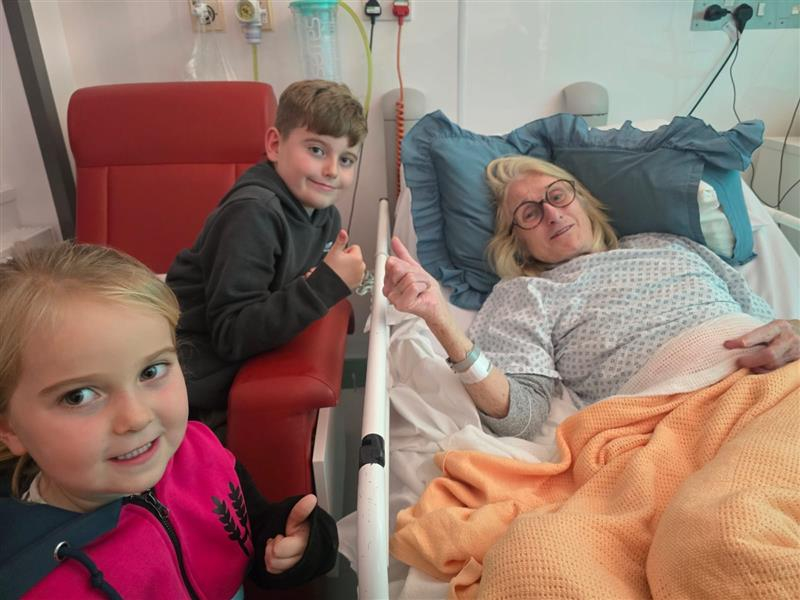
Helen was admitted to A&E at Ysbyty Bronglais in Aberystwyth, where her condition rapidly worsened, with severe confusion, loss of coordination, and increasing drowsiness, and she showed no improvement despite being treated with antibiotics.
A CT scan later revealed brain inflammation, and on September 12 she was diagnosed with viral encephalitis.
Jane added: “It was a relief knowing what it was in the end, as we finally had a diagnosis.”
Helen spent 12 weeks in hospital and faced a slow recovery due to the brain damage she suffered.
She has had physiotherapy and occupational therapy sessions, but has faced more difficulty upon returning home.
Jane added: “When she returned to her home, she no longer recognised it and could not navigate familiar spaces, even forgetting routes between rooms.”
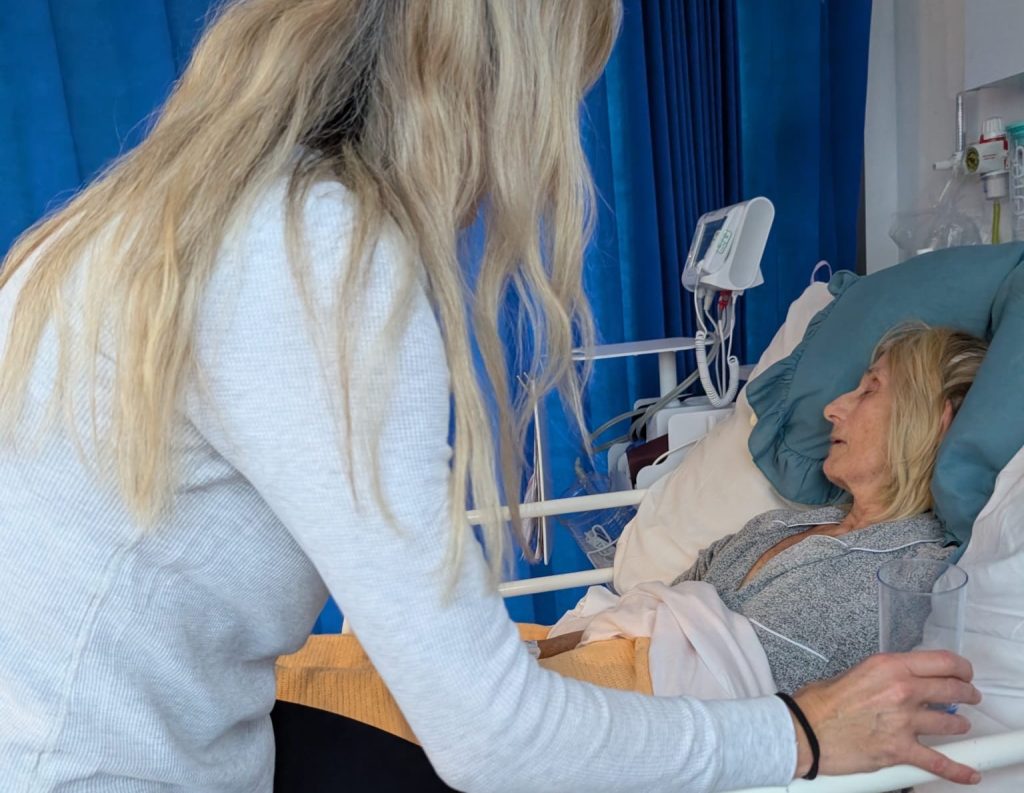
Along with her siblings, she now takes it in turns to look after Helen including preparing meals, doing shopping for her and looking after her.
Jane said: “That was sort of a big change from her looking after the grandchildren – she used to take my son to school three mornings a week before.
“Once she had carers coming in three times a day that came in for like half an hour, but she actually needed more support than that.”
Helen is now back in hospital with autoimmune encephalitis, a complication that can follow the viral form.
Jane added: “She was recently readmitted to the hospital, so life has been a bit difficult.
“They are currently working out a plan to discharge her and what life might look like.”
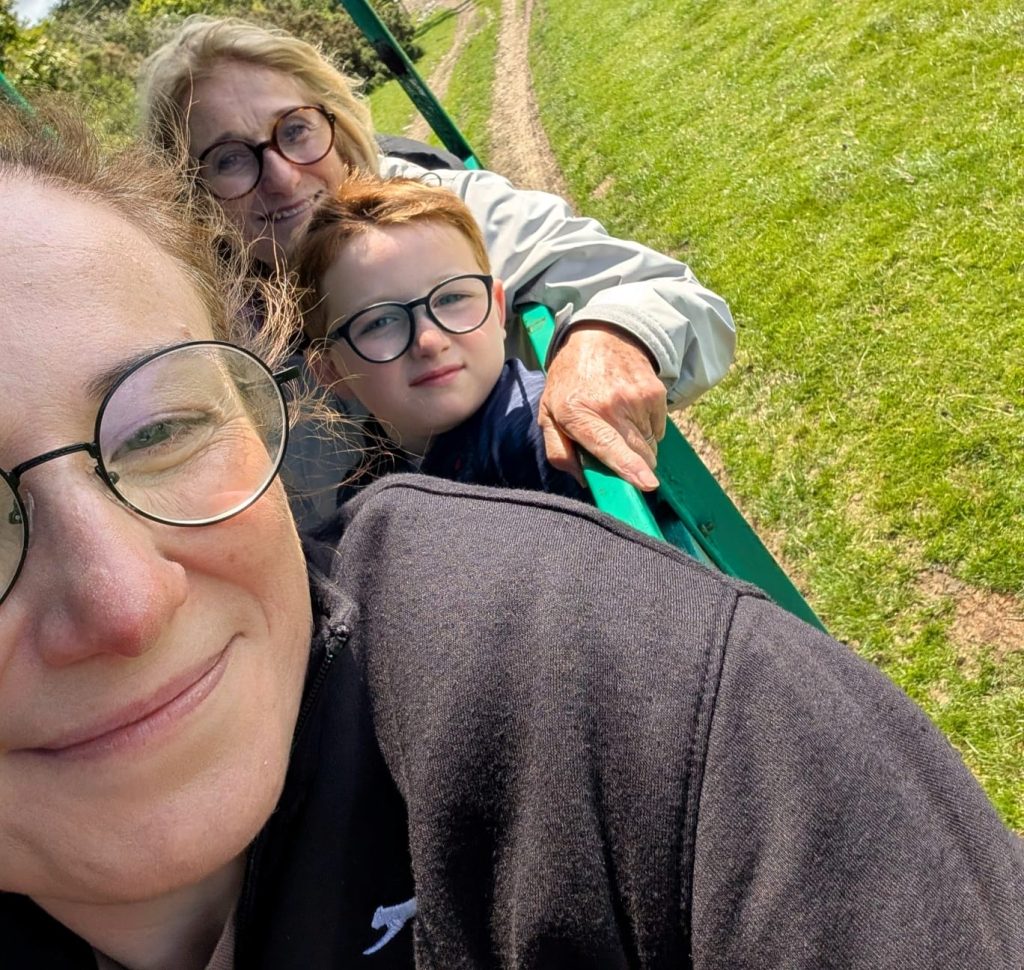
Jane is encouraging people to learn more about encephalitis so they can spot symptoms quickly, as delays in diagnosis may result in further long-term damage, according to Encephalitis International, which is supporting the family.
Antiviral treatment within 48 hours can reduce the risk of severe symptoms of encephalitis.
Jane added: “If we had known about the condition before, we would have been able to ask the right questions to get a diagnosis sooner.
“Particularly for healthcare professionals in the A&E departments to be aware of the condition so they know how to spot the signs and make a diagnosis.”
READ MORE: ‘I lost 10 stone on skinny jabs, dumped my husband – and now I’m a FIREBALL’