
A vet has revealed one of the “best-kept secrets” in the industry that could be quietly driving up pet owners’ bills by hundreds of pounds a year.
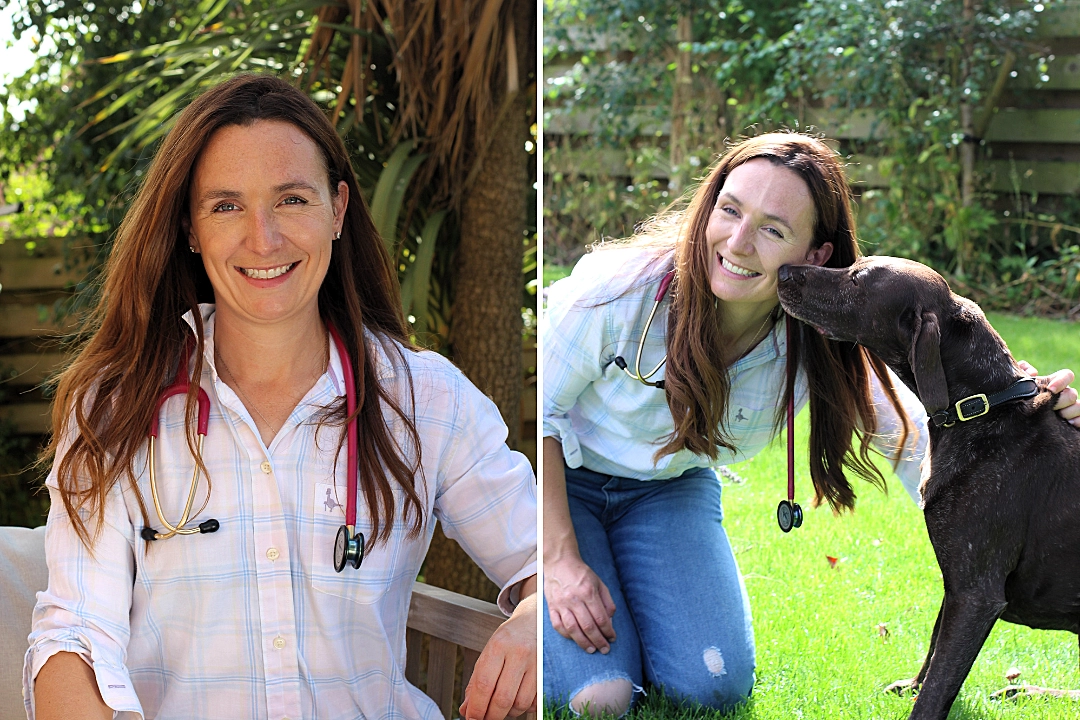
Dr Charlotte Inness, a vet and founder of online veterinary pharmacy VetMedi, said many owners are unaware they legally have the right to request written prescriptions and buy medications elsewhere for far less.
She warned that buying long-term medication directly from vet practices is often “the most expensive way to provide care”.
READ MORE: Nine-foot great white shark named Nori spotted lurking off busy beach coast
“This is the single easiest way to save hundreds of pounds, yet many owners feel too awkward to ask,” Dr Inness exclusively told Need To Know.
“Vets naturally make a margin on the medications they sell in-house, but you have a legal right to ask for a written prescription.”
She said owners could often save more than £200 annually by buying medication from licensed online pharmacies instead.

The warning comes amid growing scrutiny over rising veterinary costs across the UK.
According to findings from the Competition and Markets Authority (CMA), vet practices owned by large corporate groups charge around 16.6% more on average than independent clinics.
Dr Inness said many pet owners do not realise their local surgery may have been taken over by a larger chain.
“One of the best-kept secrets in the industry is who owns your vet matters,” she explained.
“Large corporate veterinary groups often have standardised pricing structures that can be significantly higher than your local independent practice for the same treatment.
“If you feel your bills are creeping up, check if your surgery has recently been bought out by a larger group – you might be paying a premium for the same treatment.”
She also warned about costly out-of-hours fees, saying emergency providers can charge “double or triple” standard consultation rates.

“Unless it is a genuine life-or-death emergency, waiting until the next morning for a standard appointment can save you at least £150 in consultation fees alone,” she said.
Dr Inness added that routine procedures can quickly become far more expensive than expected because of additional charges for blood tests, imaging and aftercare.
She added: “A quote for a simple procedure might not include the pre-op bloods or the follow-up imaging that are required before treatment begins.
“My insider tip is to always ask for an itemised, written estimate for any treatment expected to cost over £500.”
She advised owners to specifically ask whether aftercare and take-home medication are included in estimates to avoid “nasty surprises” later on.
READ MORE: Dirt-covered dog rescued after being trapped underground for days