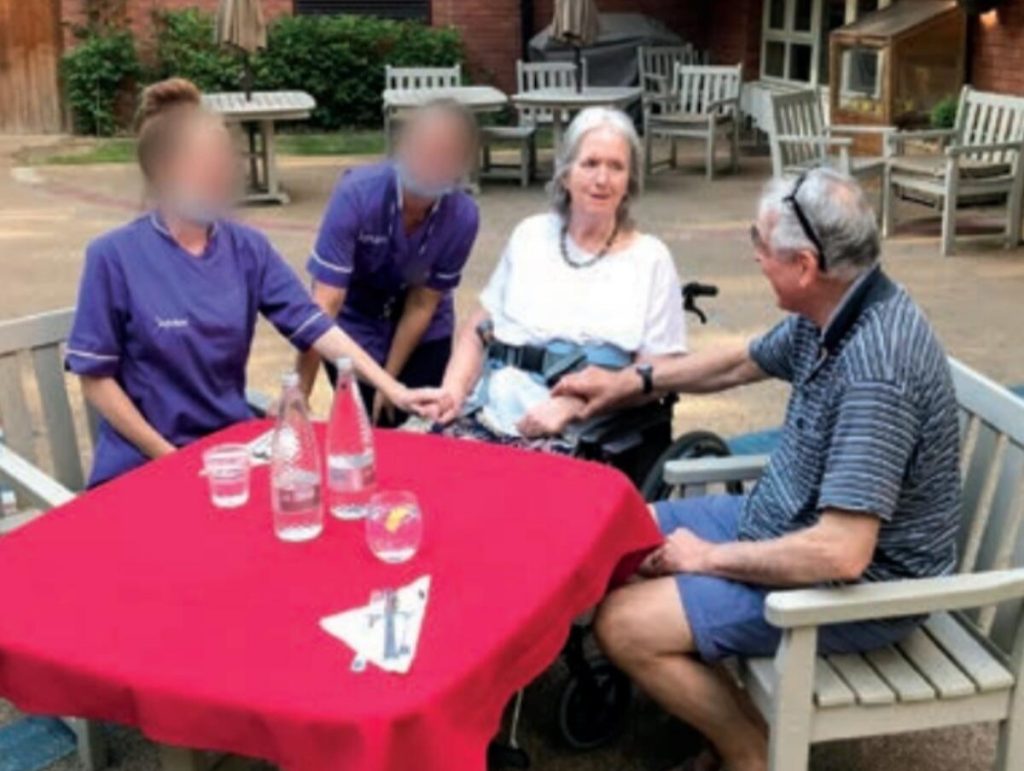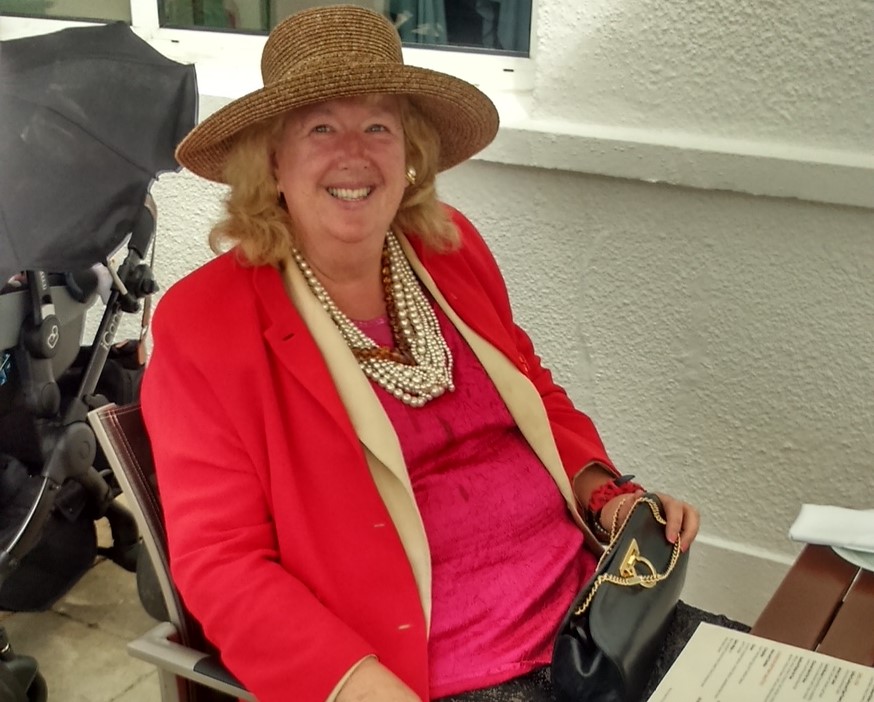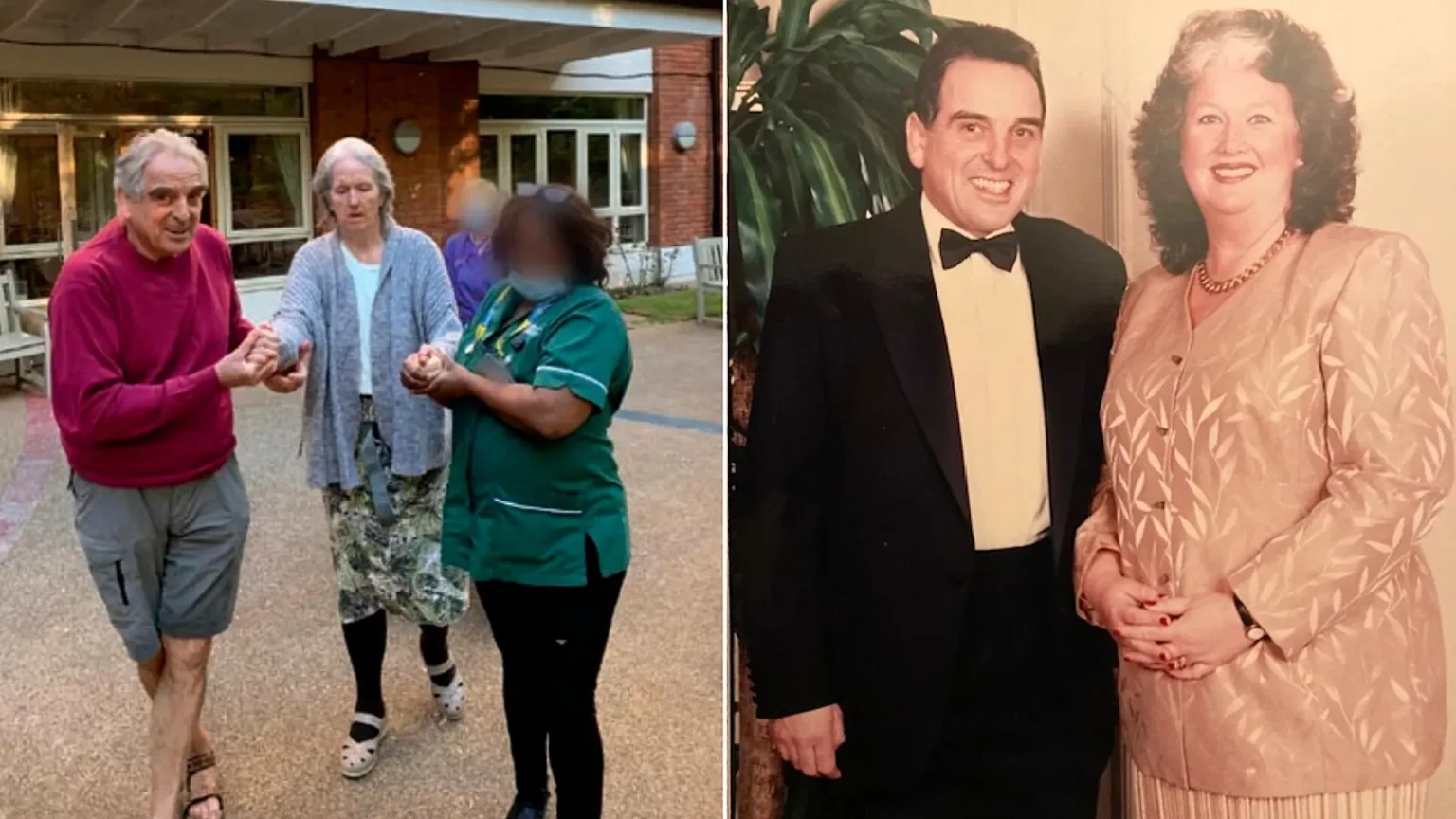

A devoted husband who couldn’t bear to leave his wife in a care home alone after she was diagnosed with dementia decided to move with her.
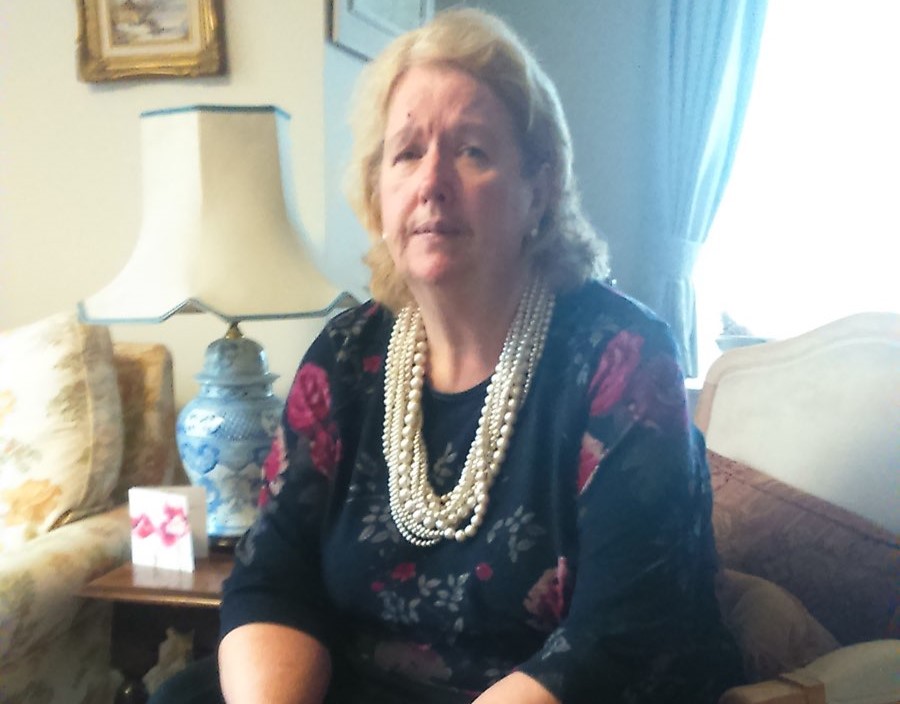
Michael Maslinski’s wife, Maggie, was diagnosed with dementia aged 60 and he was faced with a heartbreaking decision.
Rather than leave her to begin life in a care home alone, the 73-year-old packed up and moved in too.
READ MORE: Handyman’s mystery bum abscess ‘explodes’ after docs ‘fob him off’
The couple were fortunate enough to afford a larger apartment within the home, allowing them to continue living together despite Maggie’s illness.
Their love story is reminiscent of Nicholas Sparks’ hit book, The Notebook, later adapted into film starring Rachel McAdams and Ryan Gosling.
“I found it immensely hard to think of leaving her in a care home on her own as I’m sure everyone does in a similar situation,” Michael, from Hertfordshire, told Need To Know.
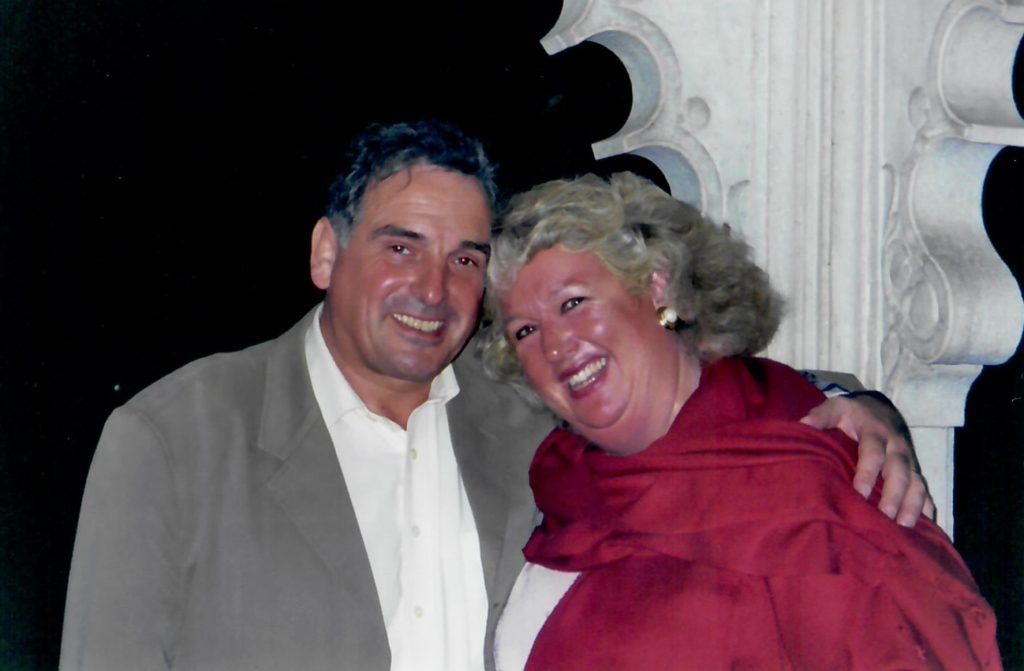
“It was much more agreeable than people might think.
“The home was completely new, very spacious and beautifully designed.
“I enjoyed the company of staff and of fellow residents, many of whom were interesting and lively company.”
Although Michael spent much of his time living alongside Maggie, he continued travelling between the care home and London for work.
He said: “I always found it very hard to leave Maggie on a Monday evening, but once I got to London, I went about my work and London social life in the knowledge Maggie was being well looked after.
“I kept in daily contact by phone and one of my friends would visit daily and take her for a walk.
“I would return on Thursday evening and we were always very pleased to see each other.
“Maggie would show her pleasure the moment I walked into the room.”
Michael documented the journey in his book What Would Maggie Do? A Triumph of Love on a Journey Through Dementia.
Despite her illness, Michael says Maggie was able to recognise her husband until she passed away nine years later, aged 73, in April 2024.
He added: “It was deeply touching and helped sustain me that Maggie not only recognised me to the end, she continued to show me great affection.
“In this, I was very fortunate and it would otherwise have been far more difficult for me, as it is for others.”
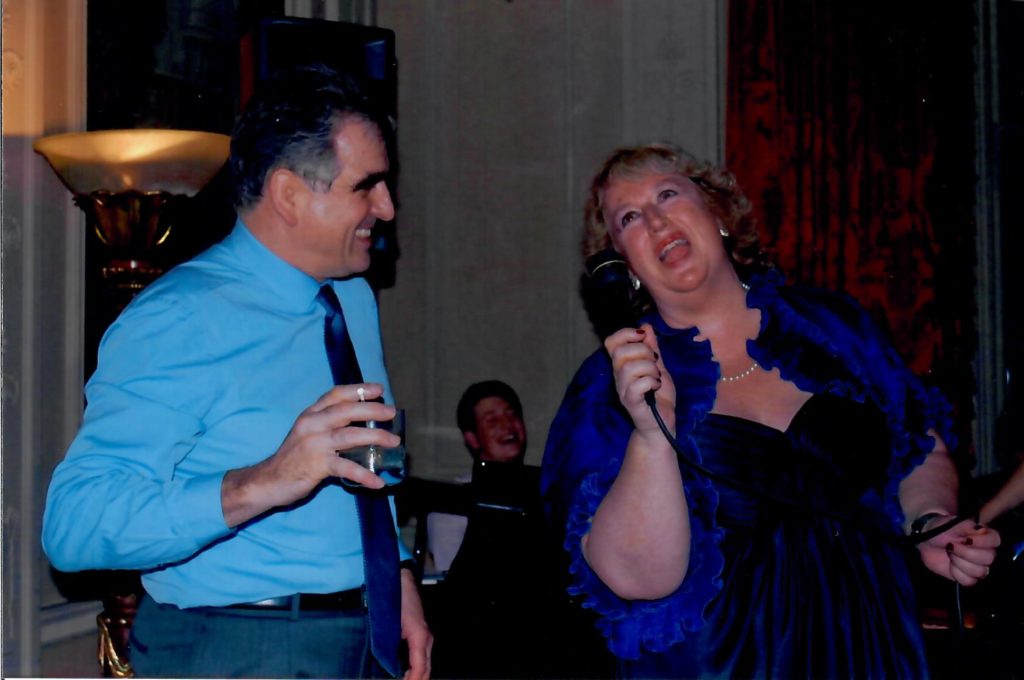
Michael believes that living with Maggie allowed him to advocate for her and help make decisions about his wife’s health.
He added: “The main challenges were in decisions abut Maggie’s health and welfare, where a variety of health professionals were excessively influenced by regulations and standard practices which were too often contrary to Maggie’s best interests.
“The central theme of the book is how I continually battled against the system, as her advocate, to ensure Maggie’s interests prevailed and but for my interventions, she would have left us five years earlier.
“This is a battle of judgement against box ticking, in support of the individual against the bureaucracy and the right of individuals to make their own decisions about the risks they choose to take to preserve their quality of life.
“Maggie herself was a highly intelligent, successful and charismatic woman, who had inspired many.
“She continued to inspire even after she had lost the ability to speak
or to do anything for herself.”