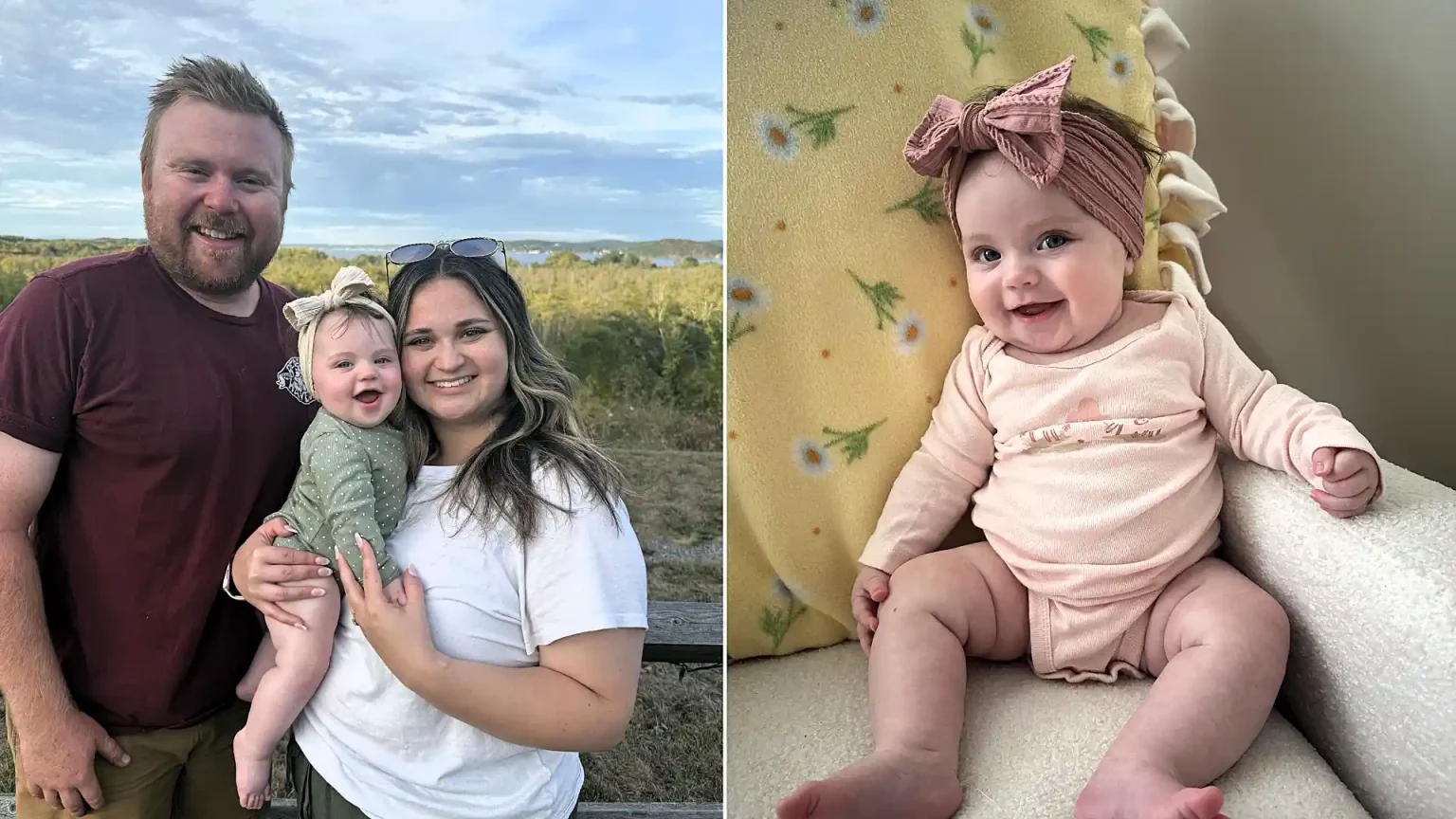

A mother has revealed her heartbreak after learning her young daughter has such a rare genetic condition that even her doctor had never heard of it before.
Samantha Clark, 28, says her 17-month-old daughter Poppy looks like any other happy toddler.
But behind her smile is a devastating diagnosis that doctors say will eventually rob her of her mobility, independence and, potentially, decades of her life.
READ MORE: ‘At nearly 29st I needed a mobility scooter round Disney – Mounjaro helped me lose 13st’
Poppy is living with Ataxia-Telangiectasia (A-T), an incurable genetic disorder that affects balance, coordination, the immune system and has a cancer risk.
Doctors have warned the family that Poppy faces an increased risk of chronic lung disease, lymphoma and leukaemia, while the condition has already started affecting her movement.
Samantha said Poppy, her only child, with husband Kyle Parkinson, was officially diagnosed on May 27, 2025, after months of frightening uncertainty, as reported by Need To Know.
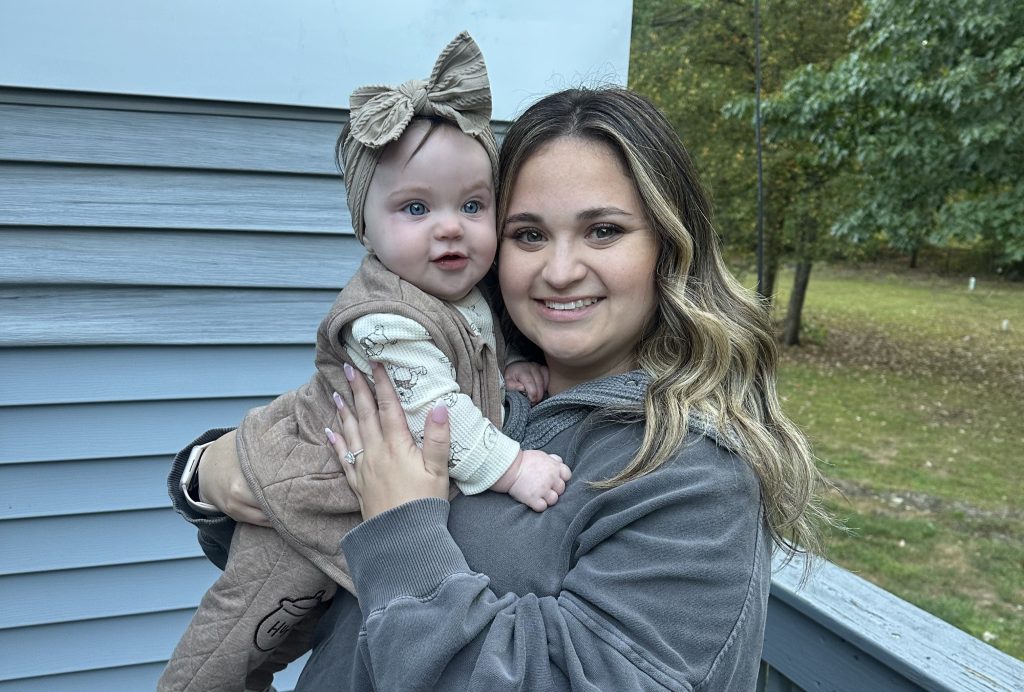
Samantha, an occupational therapist from Malta, New York, said: “Poppy failed the newborn screening in the area of severe combined immunodeficiency.
“We were told to keep her and myself in strict isolation as they believed she had no immune system.
“Our paediatrician thought it was Severe Combined Immunodeficiency (SCID) and was preparing us for the possibility Poppy would need a bone marrow transplant.
“We were referred to immunology, who ran blood tests that looked at her immune system.
“Her immune cells were low, so the doctor ordered more tests – this time looking at the quality and function of the immune cells.
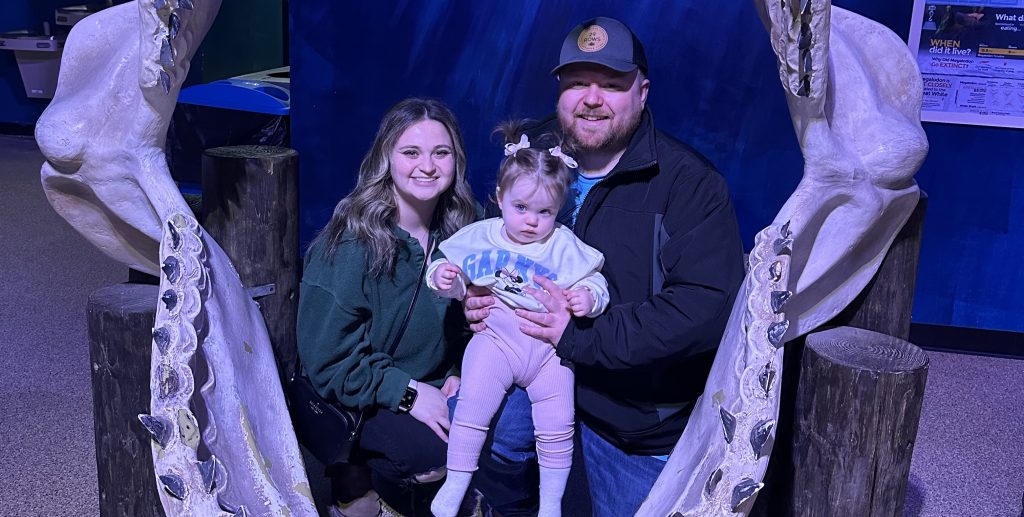
“She had low immune cells but the quality/function of these cells were good.
“Initially, doctors believed they had found an explanation.
“Poppy was then diagnosed with idiopathic lymphopenia – low T cell count for an unknown reason.”
But just days later, everything changed again.
Samantha said: “Then we received a call from immunology saying results were read wrong. More testing followed.
“It revealed down-trending immune cells and she continued to have extremely low/absent CD19 B cells.
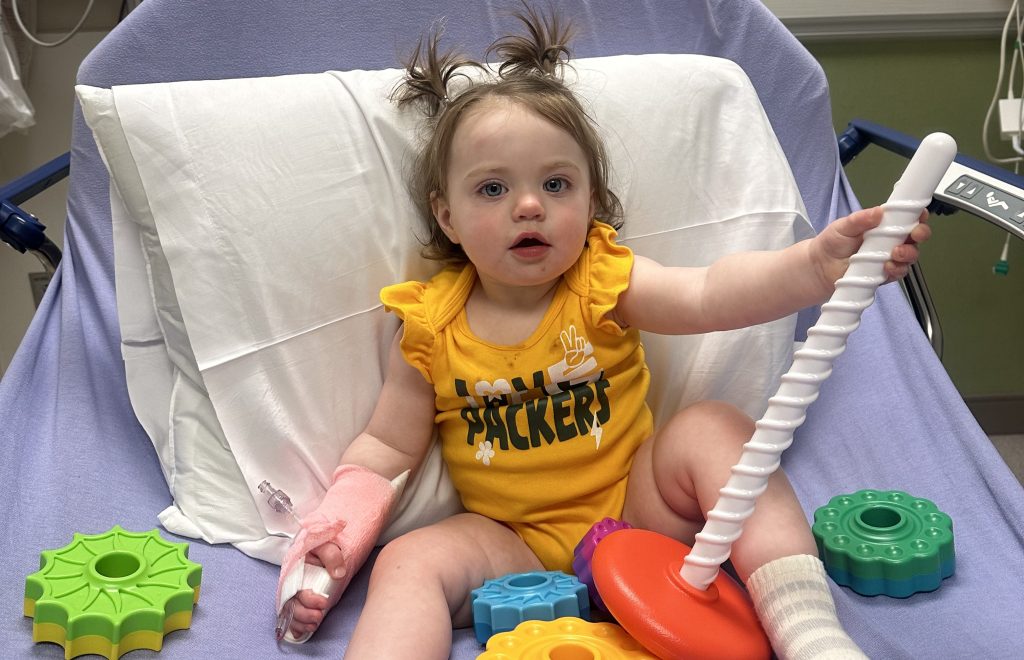
“Our immunologist then ordered a genetic test. When the results came back, they revealed two ATM gene variants. (The ATM gene normally helps repair damaged DNA).
“We were referred to genetics, where Kyle and I were tested.
“It showed we both carried an ATM variant. Then Poppy was officially diagnosed with AT.”
She explained that throughout the lengthy investigation there had been almost no visible clues.
Samantha added: “No physical symptoms were showing during this time. The diagnosis came as a complete shock.
“None of us had heard of AT before.

“I was very newly postpartum, so at the time it was very difficult to wrap my brain around this during the testing process.
“I always felt invincible, never thinking anything bad could happen to myself or baby.
“At first it was truly hard to process that something was wrong with our daughter.
“We thought the worst thing that could happen was her needing a bone marrow transplant.
“Friends and family were reaching out to us to get tested. The wait for answers only added to the agony.
“When we got the results of her genetic test, we initially didn’t receive a phone call.
“We waited 48 hours for someone to call us back to explain the results.
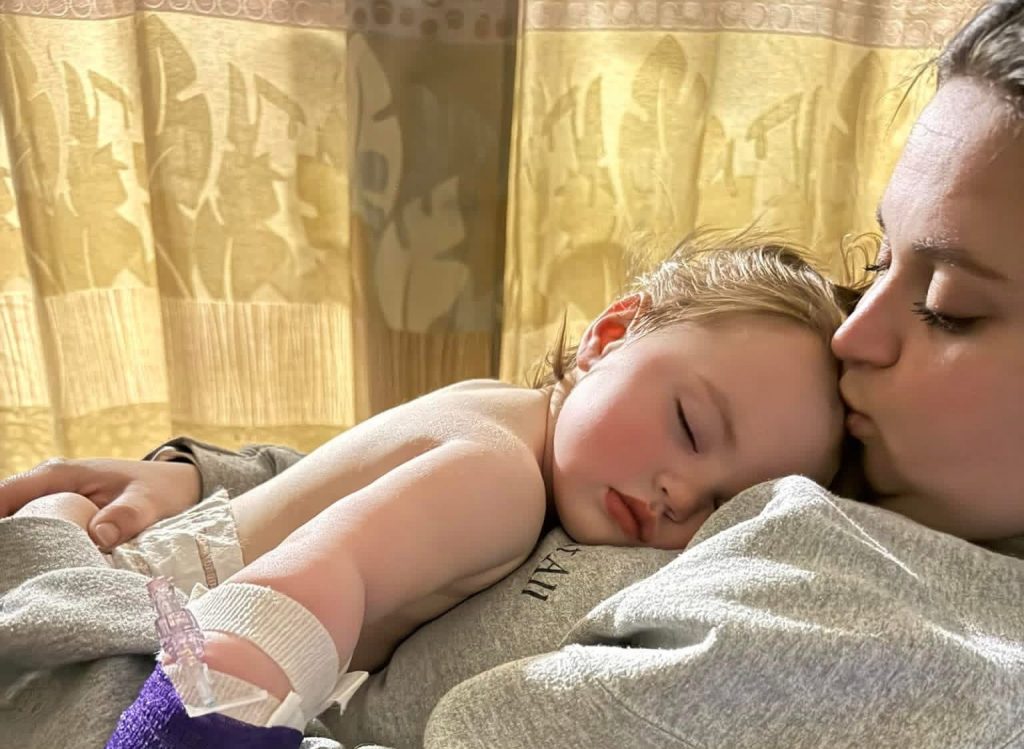
“In the meantime, I was researching everything and was in denial that she could potentially have this horrible disease.
“I truly didn’t know what any of this meant.
“It was essentially big words on a report before we heard from the doctor.
“The disease is so rare that even our daughter’s immunologist had not seen AT before.”
Samantha now faces the scary reality of what lies ahead.
She said: “AT is a rare genetic disease that slowly steals balance, coordination, strength, and independence.
“It weakens the immune system, increases the risk of serious infections and cancer, and requires constant medical care.
“There is currently no cure.
“AT is already affecting Poppy’s core strength when in a sitting position.
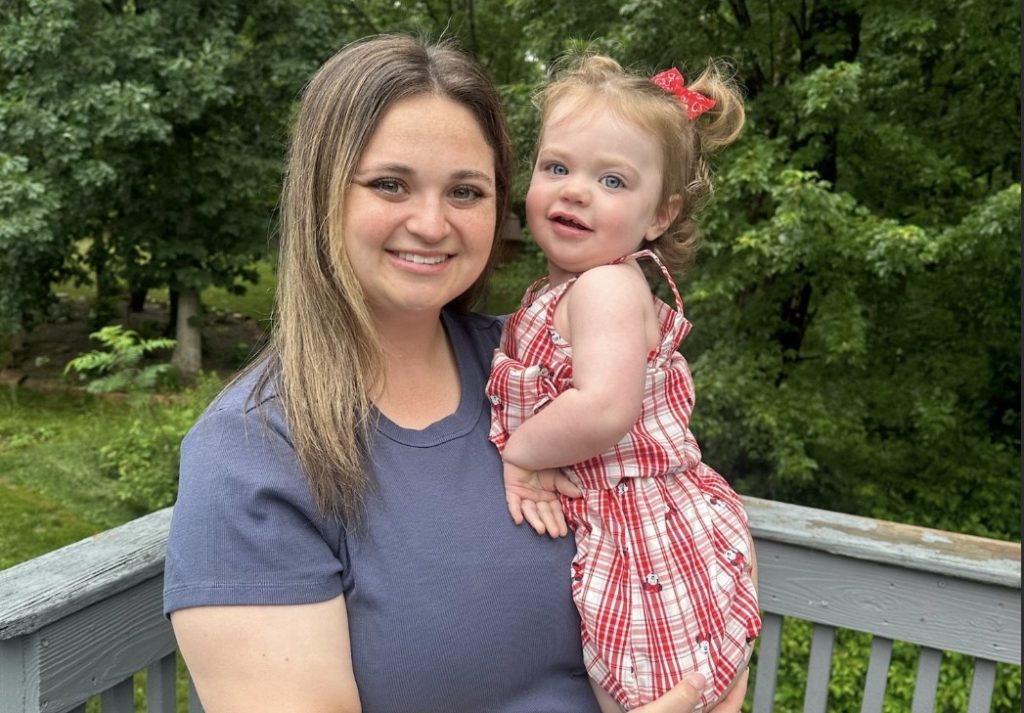
“She has a weakened core which causes her to lean backwards frequently.
“AT will begin to progress, causing her to be very wobbly and lose her balance.
“She will be wheelchair bound by age 10.
“Speech difficulties can start in the second decade of life.
“AT can cause a person to lose the ability to speak and eat.”
The challenges are expected to become increasingly severe.
Samantha continued: “Poppy will lose the ability to independently take care of herself, requiring a lot of physical support. She will be prone to upper respiratory infections and cancer.
“Life span can be late teens-early 20s but there are people out there with AT living much later.
“You can never compare one person to another because everyone has different variants. It’s so hard to tell.”
For now, Poppy receives weekly antibody infusions because her body cannot produce enough on its own.

Samantha said: “Poppy receives weekly subcutaneous IgG infusions that I learned how to prep and administer.
“These infusions help provide the antibodies her body does not make and help her have an immune system.
“We have seen symptoms of her disease.
“She has a weak core when sitting and when she is tired, she is more wobbly and has more falls.
“I want people to learn about this disease and teach their children about kids like Poppy.
“No one knows a lot about it.
“I want to make sure people don’t feel as alone as we did.
“Poppy will appear different but deep down inside, she’s just another child.
“I want people to learn about her disease because awareness leads to funding and research and potentially a cure.”
READ MORE: ‘Mum’s “drunk texts” were a sign of dementia at 56 – now I’m waiting for my own result’