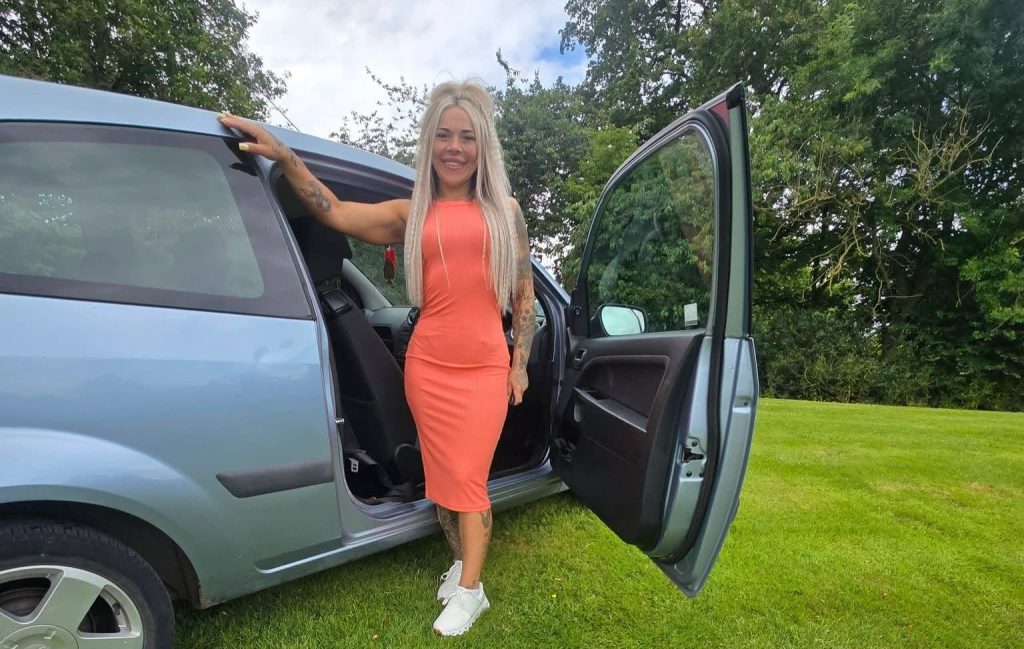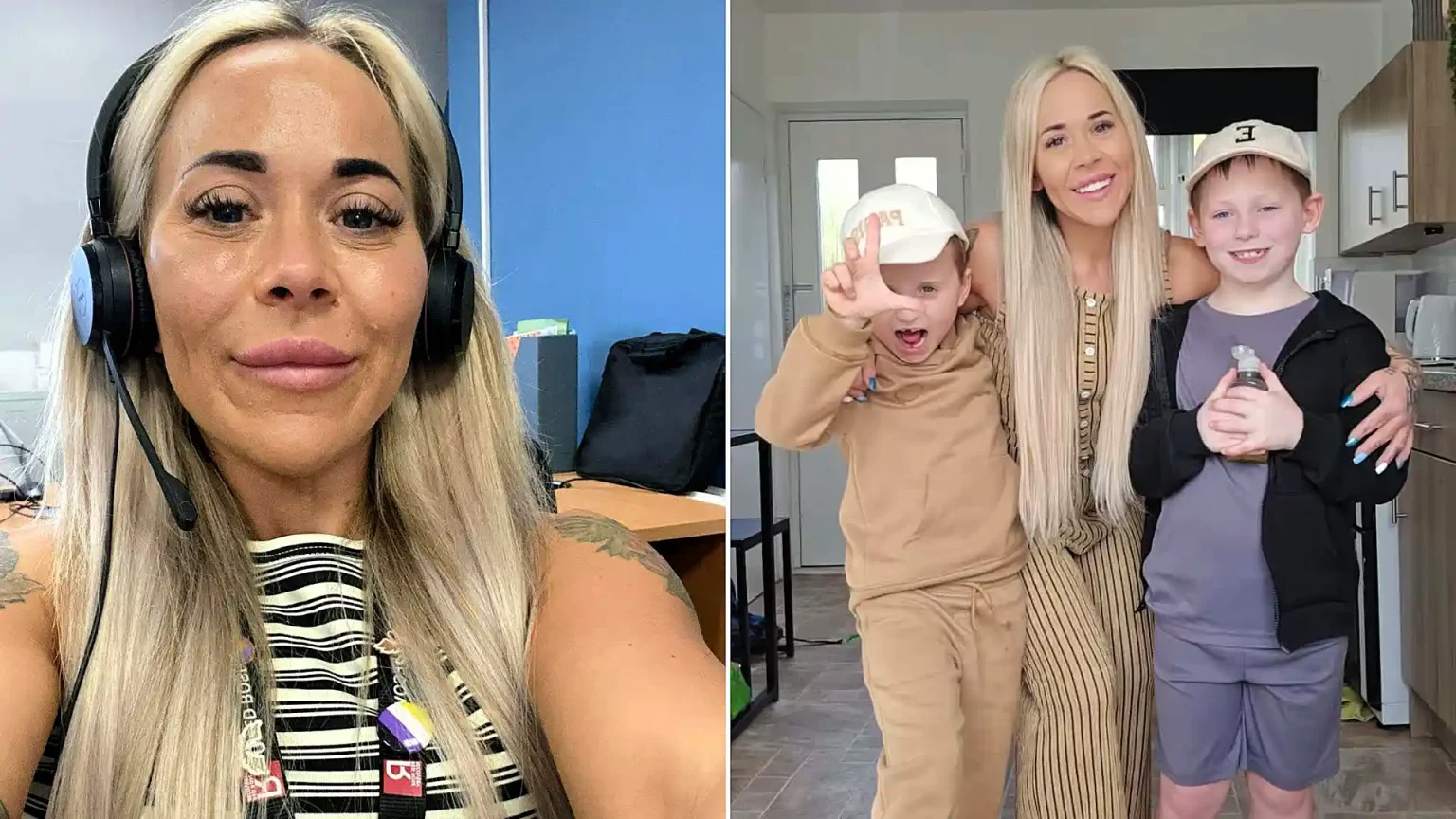

A mum-of-four who lost all of her children after years of battling drug addiction has revealed how she blew £7,000 in benefits on heroin, cocaine and alcohol in just one month.
Emma Plant says her life spiralled after she first tried heroin and crack cocaine in 2012 while living in a hostel with her daughter, who is 19, and Leo, 16.
Within six months of moving in, the 38-year-old was injecting heroin and spending every penny she could get her hands on to fund her addiction.
READ MORE: ‘I told my girlfriend I crossdress on our FIFTH date – I thought she’d dump me’
Emma overdosed countless times, was repeatedly rushed to hospital with severe abscesses caused by injecting drugs and even begged a judge to send her to prison because she believed it was the only way she could stop using.
“Me and my two eldest children moved into a hostel and within six months, I was injecting heroin,” Emma, from Harrogate, North Yorks, told Need To Know.
“The next four years were the darkest of my life.
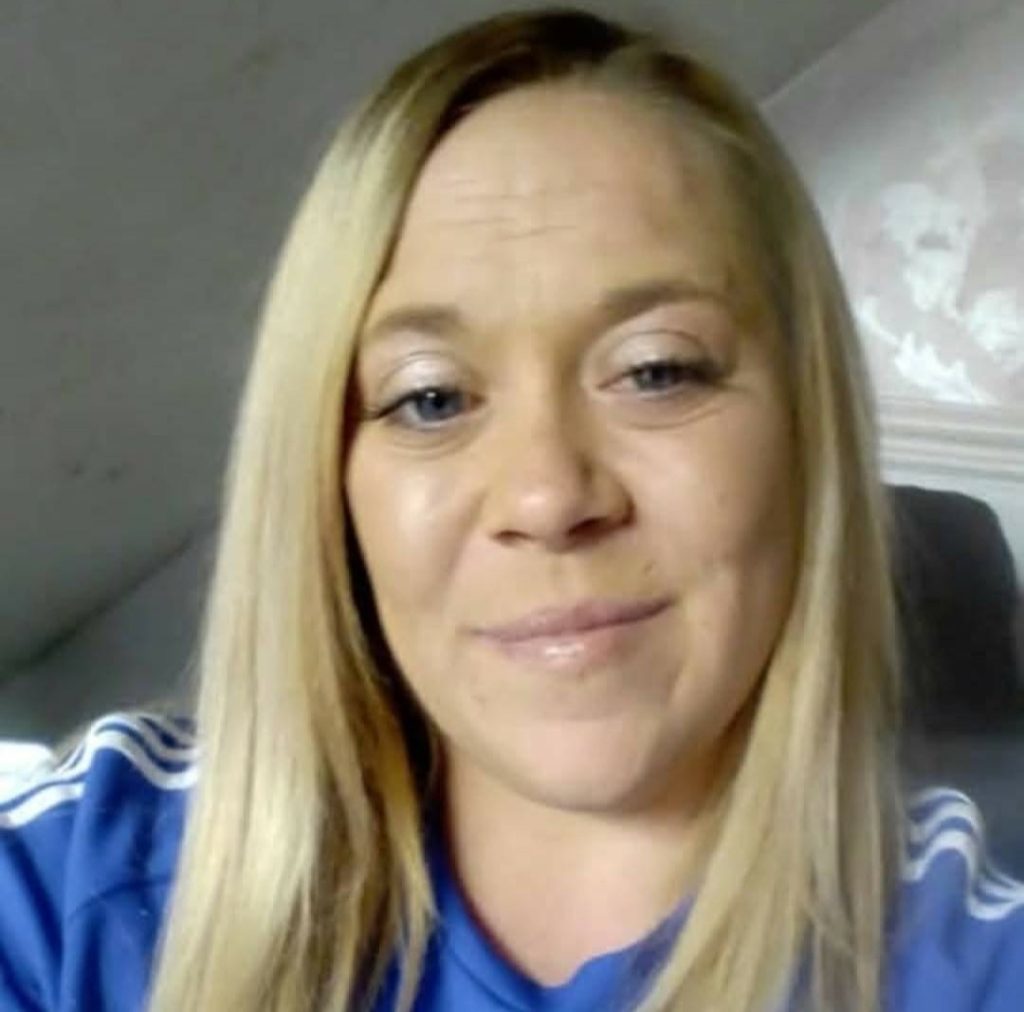
“I injected heroin every day, used crack cocaine, drank heavily and took whatever I could get my hands on.
“I woke up in police cells with no memory of how I’d got there, and attempted to take my own life a couple of times.
“Looking back, they weren’t attempts because I wanted to die; they were cries for help because I couldn’t see another way out.
“I nearly lost my life on more than one occasion because of my heroin and crack cocaine use.
“I overdosed several times.
“Looking back now, it’s frightening to think how close I came to dying, but at the time, addiction had such a hold over me that even those experiences weren’t enough to make me stop.
“I remember standing on the school run and looking at the other mums, thinking, ‘Why can’t I be like them?’.
“I loved my children more than anything, but addiction had completely taken over my life.”
At the height of her addiction, Emma says she drank around 50 units of alcohol a day, hiding bottles around the house and needing alcohol first thing every morning simply to function.
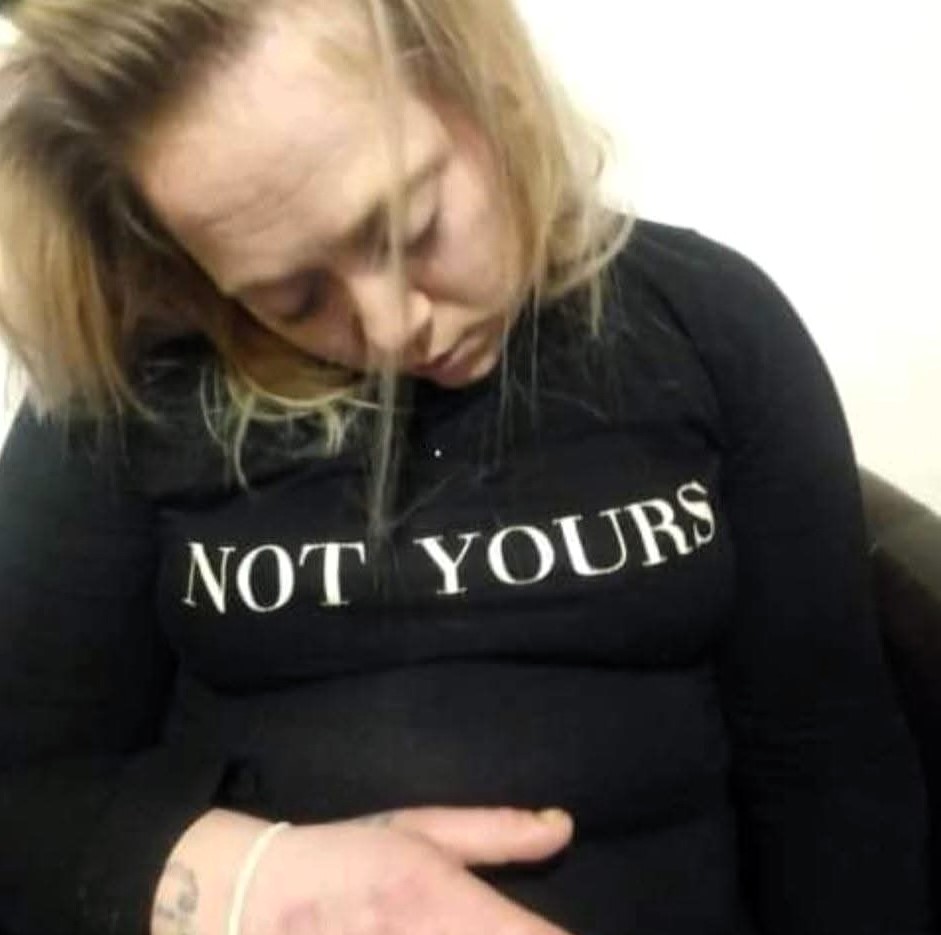
She was receiving Employment and Support Allowance (ESA) and the enhanced rate of Personal Independence Payment (PIP) and received around £7,000 in back payments.
Emma said: “The money was gone in a month or two.
“I was living on benefits, so I spent pretty much everything I had on drugs and alcohol.
“If I didn’t have money, I’d borrow it, get drugs laid on and pay people back later, or spend time with other people when they got paid.
“Addiction always found a way.
“Nothing else mattered apart from getting my next fix.”
In 2017, Emma was arrested for ABH and during the trial, she begged the judge to give her a custodial sentence.
Emma said: “By that point, I’d simply had enough.
“I couldn’t carry on living the way I was.
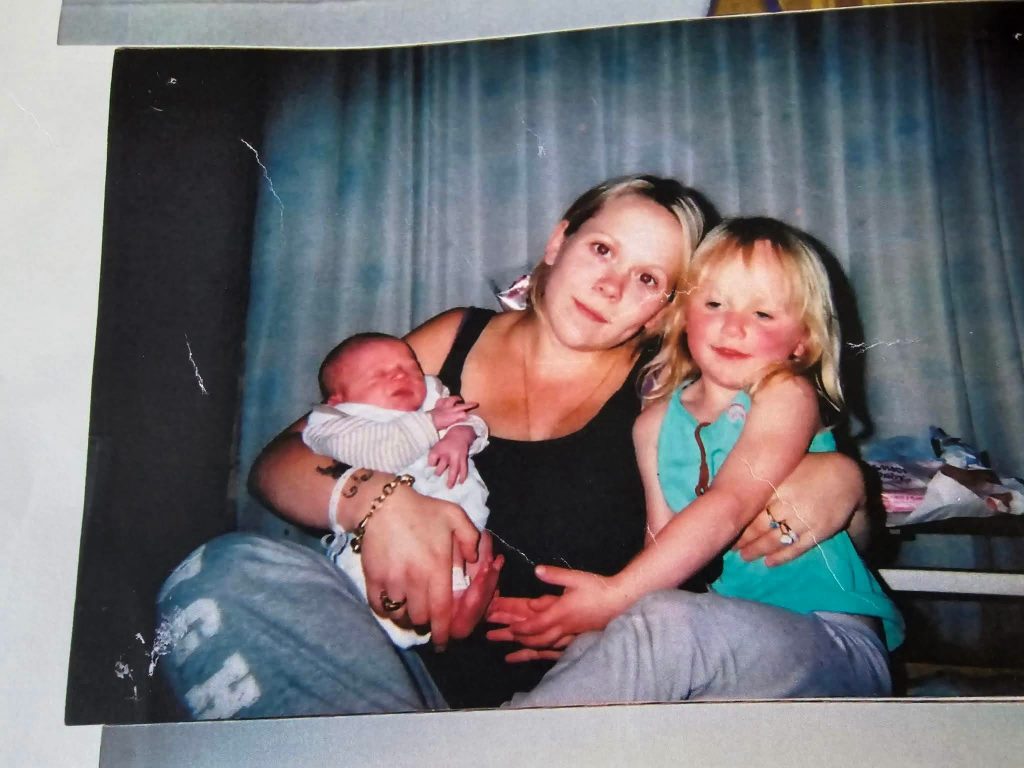
“I genuinely believed prison was the only place where I could get away from drugs and finally get some help.
“I asked the judge to send me straight to prison because I didn’t trust myself on the outside anymore.
“In my mind, it was my only chance.
“I was at Magistrates Court and they were going to let me walk out that day and give me a date to go to Crown Court.
“My mum was at the back of the court and she could see the state of me, so we spoke to my solicitor to see if I could go to prison that day.
“At the time, I thought prison would sort me out.
“Looking back now, I realise it didn’t, because I hadn’t done the inner work.
“Prison took me away from the drugs for a while, but it didn’t heal my trauma, build my self-worth or teach me how to live differently.”
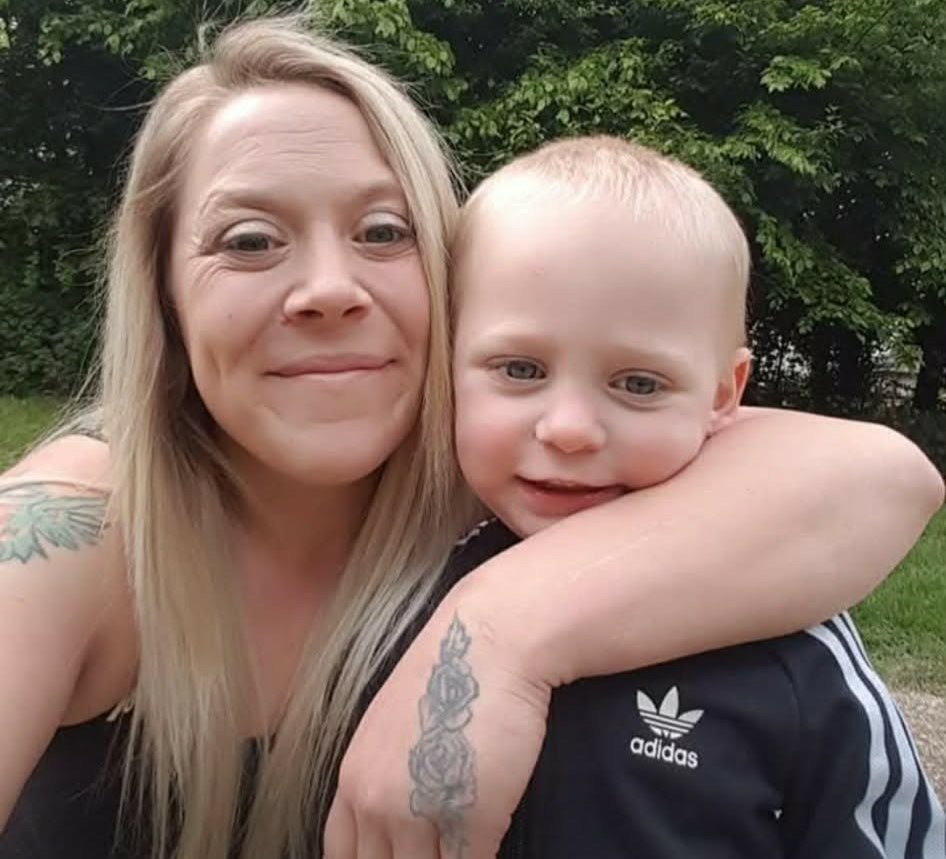
Emma was released a month later and got a job as a cleaner.
She gave birth to Roman, eight, and Sonny, seven, who were removed from her care after she overdosed once again.
Emma said: “After having Roman, I relapsed into addiction.
“One day, I went out, leaving him with his dad, and overdosed on heroin and crack cocaine.
“As a result, Roman was removed from my care and went to live with my mum for a short period of time.
“I eventually got a house, and because I was working with social workers, my dad came to live with me to support me. We worked through the plan they put in place, and they felt it was safe for Roman to return home.
“I later got back together with my ex-partner, the father of my two eldest children, and we had my youngest son, Sonny.
“There was still a lot of involvement from social workers because of my history.
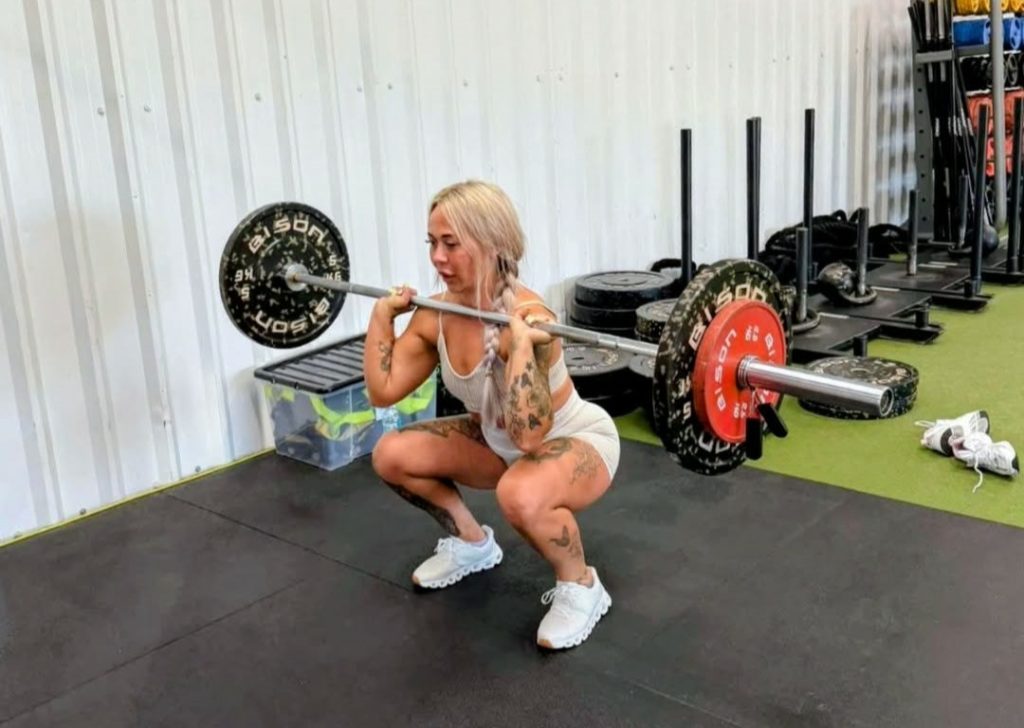
“The truth is, I hadn’t stopped everything. I was still drinking, although I convinced myself it was more under control, and there was still drug use at times.
“Like many people living with addiction, I became very good at hiding it and convincing people, and even myself, that I was managing.
That relationship eventually ended, and I took up Ultra White Collar Boxing.
“It gave me something positive to focus on, and for a while it looked like I was getting my life back on track.
“Then COVID hit.
“The boxing stopped, life became isolated and chaotic, and because I hadn’t dealt with what was really going on inside me, I spiralled again.
“I went back to what I knew—drinking, heroin and crack cocaine.
“My addiction took over once more, and eventually my children were removed from my care.
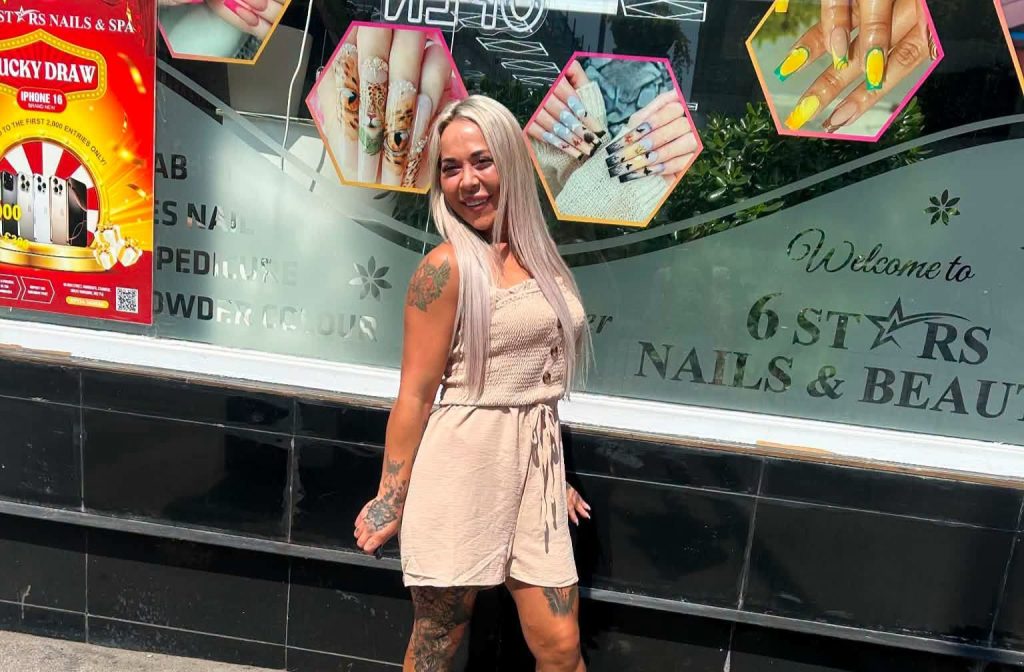
“Looking back now, I know that changing my circumstances wasn’t enough.
“I had never healed the pain that was driving my addiction.
“Recovery has meant facing that truth, taking responsibility for my actions, and rebuilding my life from the inside out.”
Emma says this was her breaking point and she was admitted to Hope House Teen Challenge in South Wales in 2021.
Now, five years into recovery, she works helping other addicts rebuild their lives and says the achievement she is proudest of is being “a mum who turns up.”
She said: “I’d just had enough.
“For the first time in my life, I admitted I couldn’t do it alone.
“I also knew I couldn’t recover if I stayed in the same environment.
“Rehab changed my life.
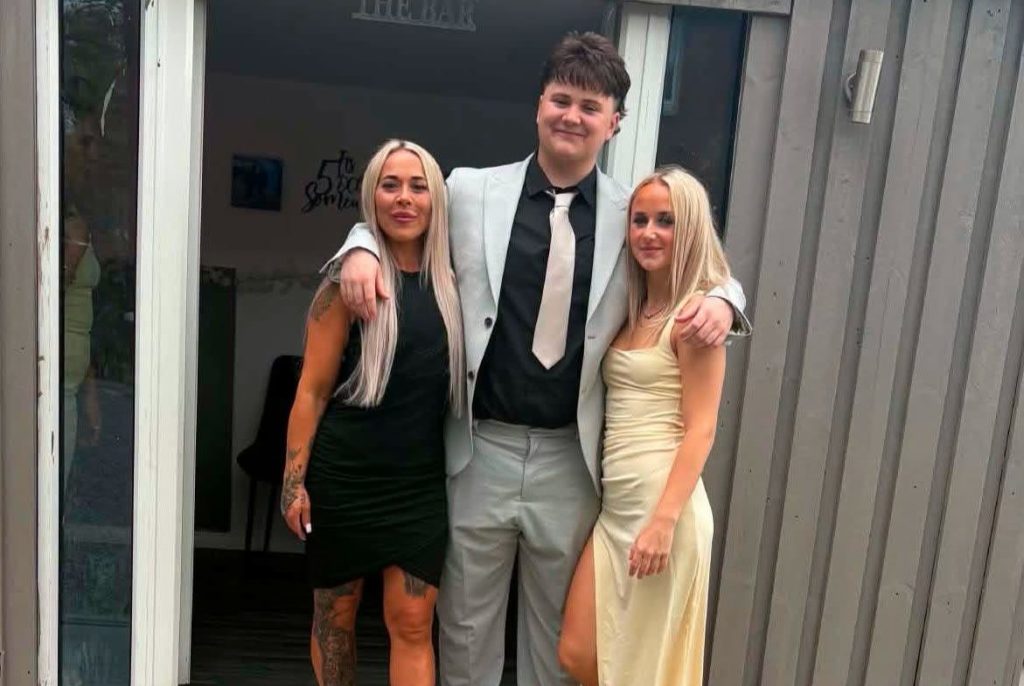
“For the first time, I began to understand addiction, trauma and my own self-worth.
“I realised that recovery wasn’t just about stopping drugs or alcohol; it was about healing the reasons I’d been using them in the first place.
“Today, I’ve been in recovery for five years.
“I’m Team Leader at North Yorkshire Connected Spaces, where I use my lived experience to help other people overcome addiction. I started there as a Community Engager and have grown with the organisation.
“I run groups, activities and community projects, deliver talks to trainee professionals, and every day I get to support people who are where I once was.
“I’ve also passed my driving test, rebuilt relationships with my children, and share my recovery journey on social media to show that recovery is possible.”
Emma first started smoking cannabis when she was just 11.
She moved on to using ecstasy at 13, cocaine at 14 and amphetamines at 15.
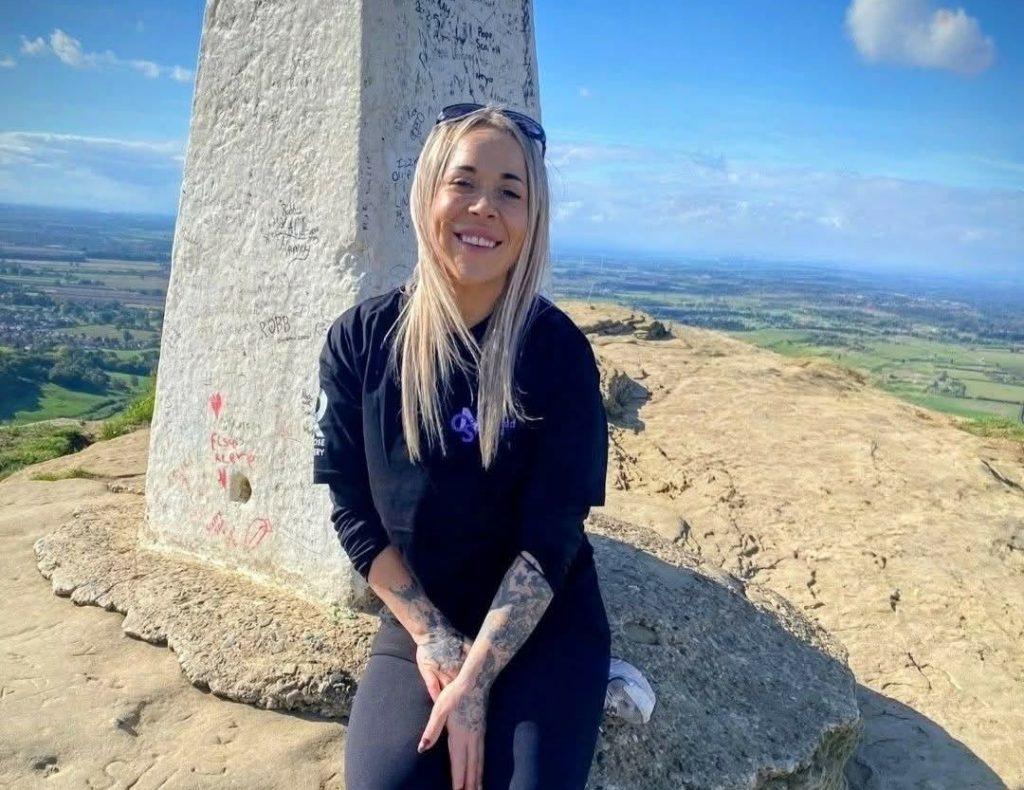
She was excluded from school in Year 9, received her first police charge at 14 for stealing alcohol and moved into her own flat aged just 16.
Emma said: “I was quite a shy little girl, but by the age of 11 I wanted a reputation.
“Looking back, I was always chasing validation because I had no self-worth.
“I wanted people to know who I was, even if it was for the wrong reasons.
“When I was 18, I had my daughter.
“I loved her from the moment she was born and wanted to build a better future for us.
“I enrolled at college in Harrogate to study hairdressing, but alcohol was still such a normal part of my life that I’d leave at lunchtime to go to the pub before going back to class.”
Emma is sharing her recovery story publicly in the hope of encouraging others to seek help.
She added: “I support other adults into recovery.
“I’m a team leader for a lived experience recovery organisation.
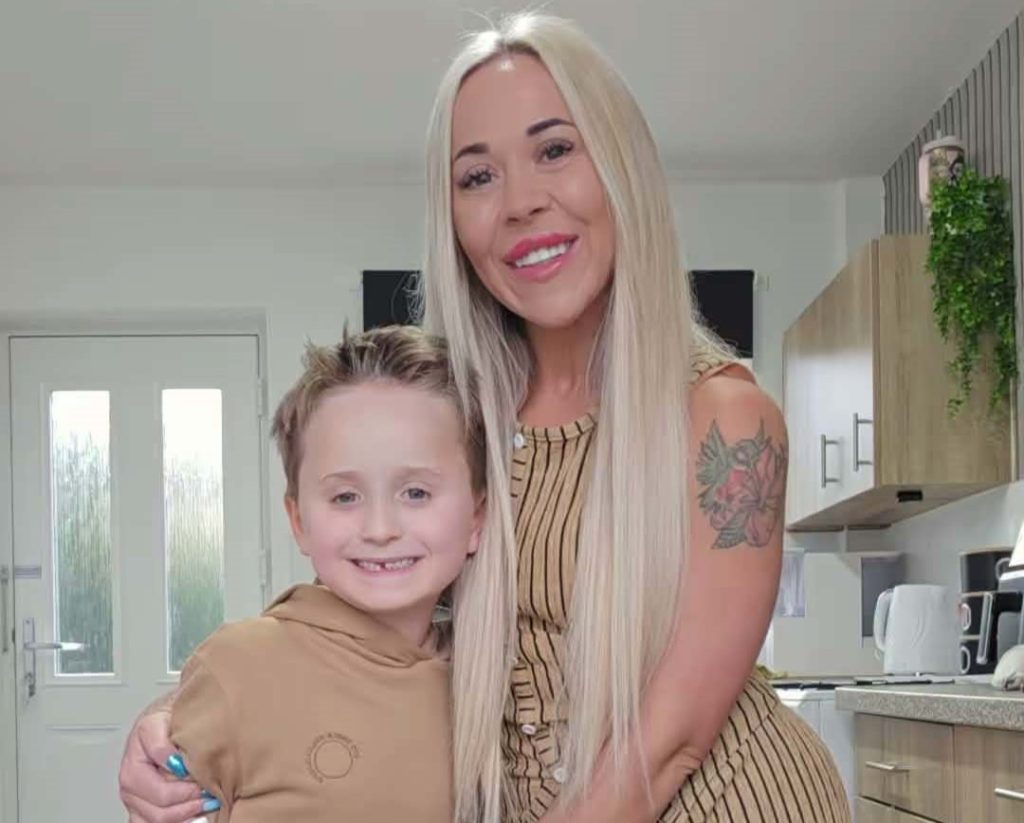
“We do community litter picks, projects, family fun days.
“I do talks at conferences.
“If sharing my story helps just one person ask for help, or helps one family understand addiction a little better, then every difficult chapter has been worth telling.
“Today, my relationship with my children is so much better, but rebuilding it has taken time.
“My daughter has been the hardest relationship to rebuild because my mum raised her when I couldn’t.
“I completely understand why that’s been difficult, and we’re still healing, but I love her so much and I’m grateful we’re rebuilding our relationship.
“Every day I try to be the mum they deserve.
“Recovery isn’t just about stopping drugs and alcohol; it’s about rebuilding trust, taking responsibility and proving through my actions that I’m a different person.
“Today, I genuinely love my life.
“The biggest reward isn’t anything material. It’s seeing my children have a mum who turns up, keeps her promises and is finally present.”
READ MORE: ‘I thought pricey wine made my drinking sophisticated – I was on three bottles a night’