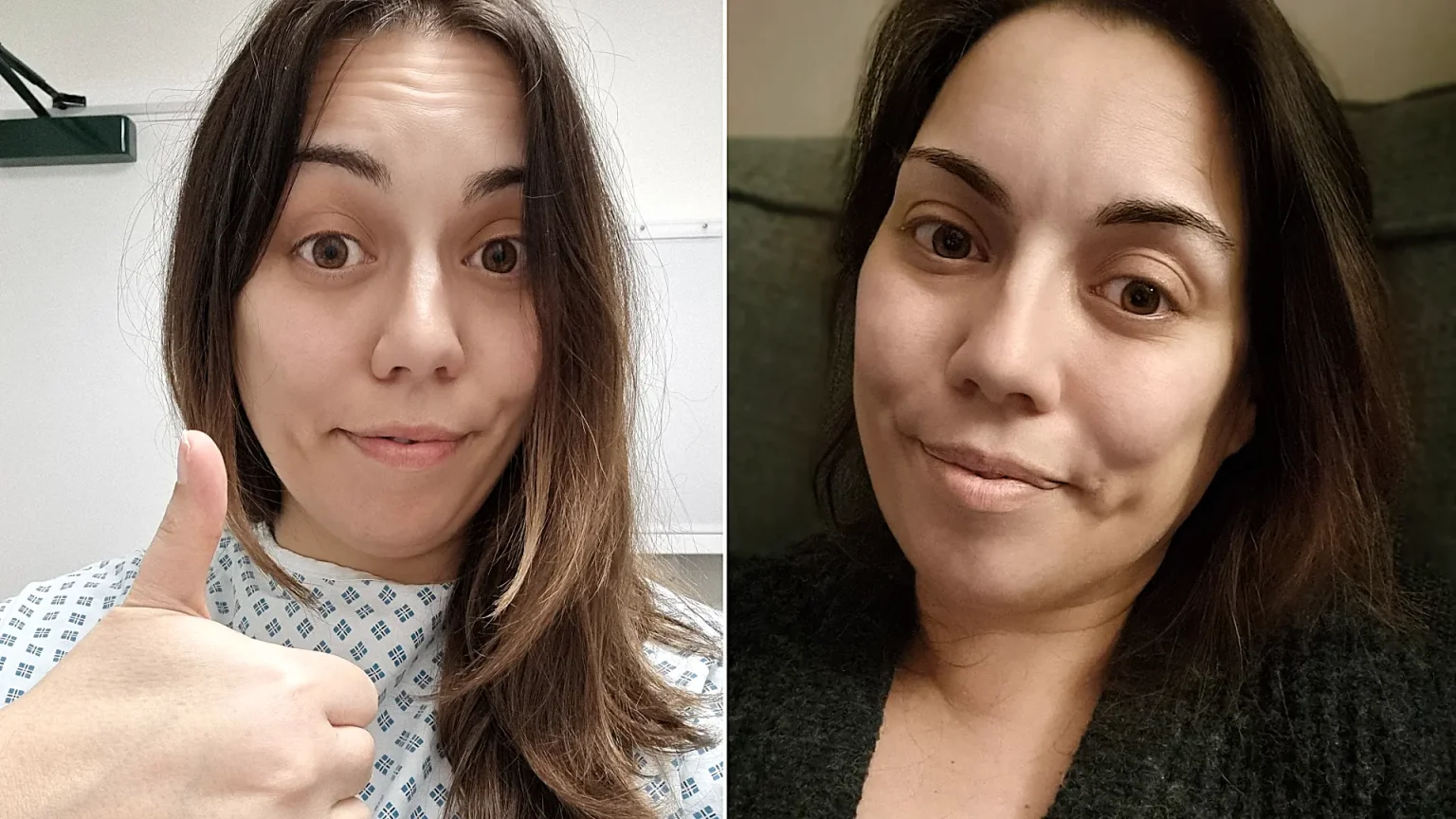

A mum has been left battling an invisible symptom of life-saving treatment that affects her every day and leaves her forgetting words halfway through meetings.
Hailey Barr was diagnosed with rare cancer, Uterine Adenosarcoma, in February 2024.
When the 42-year-old was told she had beaten the cancer after a total hysterectomy and the removal of both ovaries, she thought the hardest part of her journey was finally over.
READ MORE: ‘My daughter died an addict – delivery apps let her order 18 bottles of wine in a week’
But the treatment sent Hailey into immediate surgical menopause.
Now cancer-free, she says severe brain fog, exhaustion and joint pain have transformed her daily life, making it difficult to work and care for her two young sons.
“Brain fog almost sounds gentle, but for me it’s more like temporary amnesia,” Hailey, from North Yorks, told Need To Know.

“I can forget what I’m saying mid-sentence, which is especially difficult at work.
“My word recall isn’t what it used to be, and if I don’t write something down, I won’t remember it.
“Physically, my joints feel like they’ve aged decades overnight, and mornings are particularly tough.
“The fatigue is constant and when you’re trying to balance that with a full-time job, being a mum to two young children, a wife, a friend, it can be really challenging.
“It often feels like I’m having to work twice as hard just to keep everything going.
“To everyone I look like the same person I was before cancer but inside I don’t feel that way and some days are more of a battle than others.”
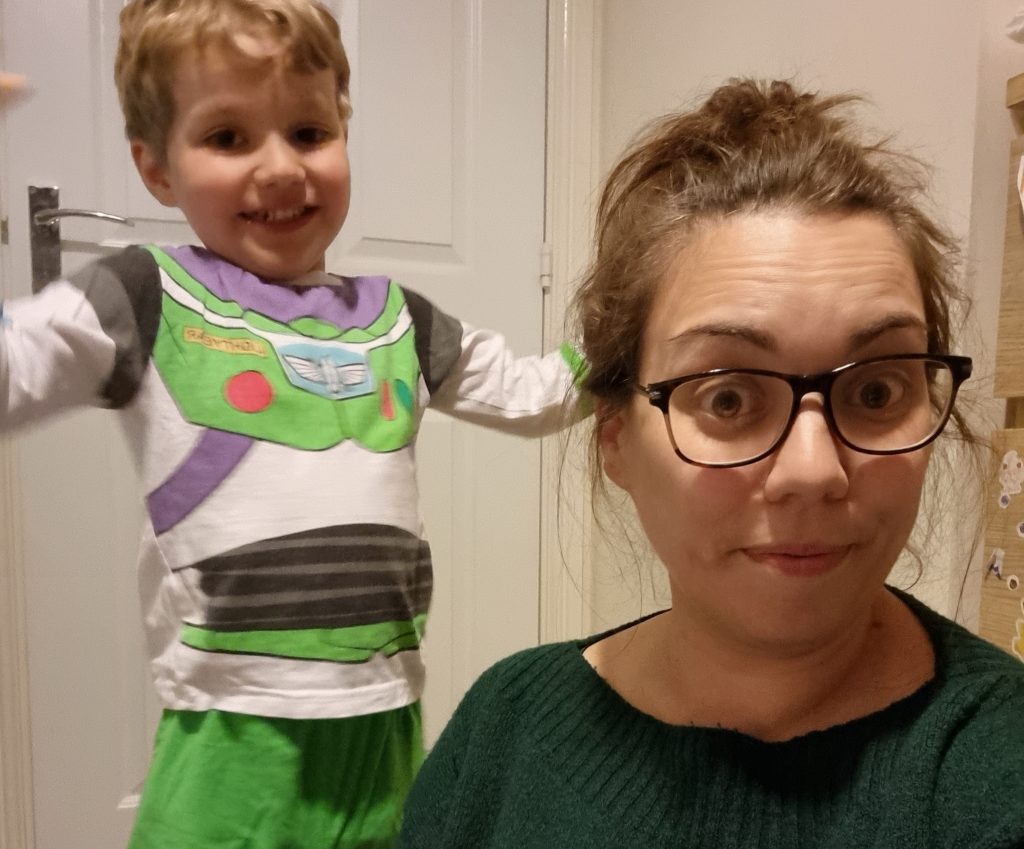
The Royal Mail manager first noticed something was wrong when she was 38 after experiencing increasingly heavy periods.
After initially being advised to take the contraceptive pill and later undergoing an ultrasound that showed no abnormalities, her symptoms continued to worsen.
By mid-2023 she was bleeding every day.
During an appointment to discuss fitting a contraceptive coil, a doctor carried out an examination and immediately identified a large tumour on Hailey’s cervix.
Hailey said: “At that point, I broke down.
“My life had been completely taken over by heavy bleeding.
“I couldn’t stand up without flooding, I couldn’t sit without a towel under me, I could only wear black clothes and I felt like no one was really hearing me.

“My doctor must have sensed my desperation and offered to do a quick examination before deciding on next steps.
“The moment she examined me, I could feel the shift in the room.
“She started asking detailed questions about my symptoms and history.
“That’s when I was told I had a large tumour on my cervix.
“I was terrified but also, strangely, relieved.
“I finally knew I hadn’t imagined it.”
A biopsy confirmed the diagnosis of uterine adenosarcoma on February 24, 2024.

Hailey said: “I got a call at 10am asking me to come into hospital at 12 so I just knew it wasn’t going to be good news.
“When I heard the words, ‘I’m sorry, but it is cancer’, and that it was a rare cancer called adenosarcoma, it felt like everything around me warped.
“The air, the sound, the light in the room.
“I could see my husband slump into his chair.
“Nothing felt real.
“The first thing I said was, ‘Oh no, what about my boys?’.
“They had just turned six and eight the month before.

“The nurse held my hands and reassured me, but in that moment, all I could think about was them.”
Fortunately, the cancer was diagnosed at Stage 1a and was low grade, meaning surgery alone was sufficient treatment and she did not require chemotherapy.
Unlike natural menopause, which develops gradually over several years, surgical menopause occurs immediately after both ovaries are removed, causing an abrupt drop in hormone levels.
For women whose menopause is triggered by cancer treatment, managing symptoms can be particularly complex because hormone replacement therapy (HRT) is not always appropriate depending on the type of cancer and the available evidence.
Hailey found support through the patient organisation Menopause and Cancer after being referred following her treatment.
She now attends support groups and says they helped her understand the long-term effects of surgical menopause and encouraged her to ask more questions about her future care.
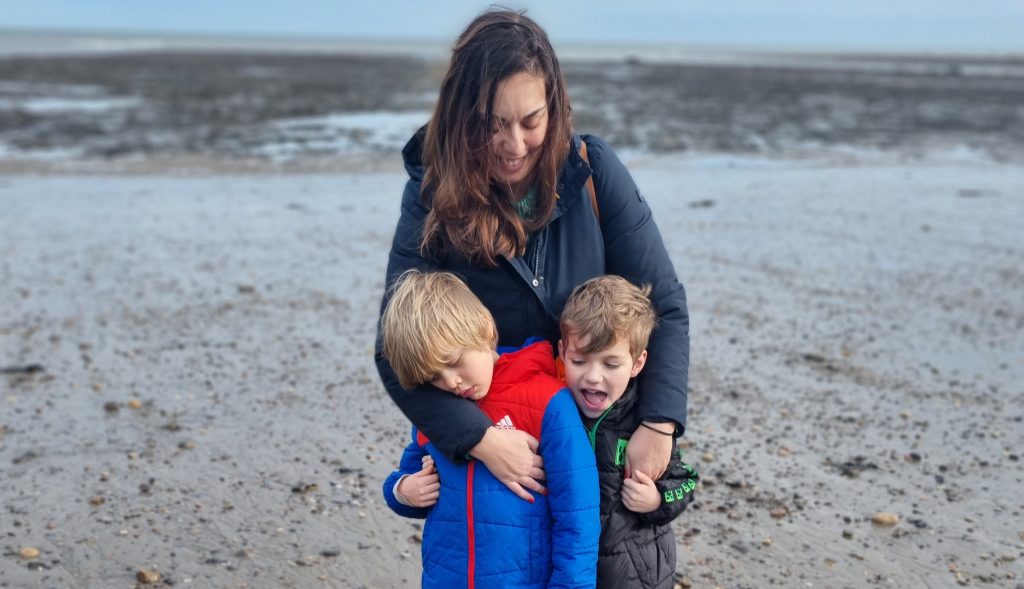
She’s now been cancer-free for two years but is still trying to accept her new symptoms.
Hailey said: “It’s incredible.
“My focus has shifted to long-term health so protecting my heart, brain and bones, not just managing day-to-day symptoms.
“For me, this is where conversations about things like HRT become really important.
“I stay engaged with Menopause and Cancer, attend their support groups at the Leveson Centre in York, and continue advocating for myself even if that means asking difficult questions or challenging my long-suffering oncologist.
“I’ve also had to accept that I won’t feel exactly like the person I was before cancer.
“Instead, I focus on staying as healthy, informed and present as I can for myself and for my family.
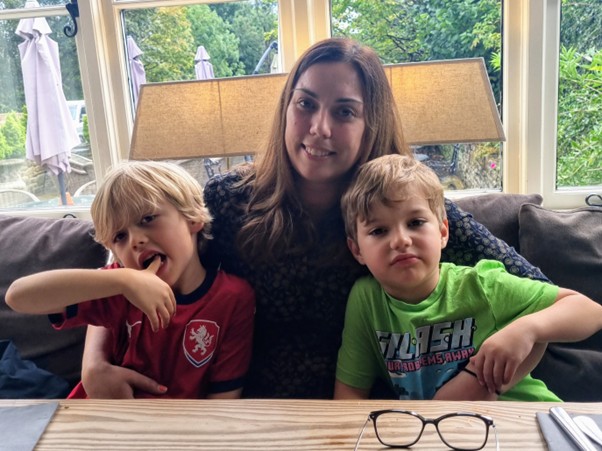
Hailey believes menopause support should become a routine part of cancer care for women whose treatment will trigger menopause.
She added: “It shouldn’t be something we have to go searching for ourselves.
“When you’re diagnosed with cancer, especially as a parent, your energy is focused on survival and everyone else around you.
“You don’t have the capacity to become an expert in menopause as well.
“Ultimately, you don’t know what you don’t know.
“What I needed was for that information, guidance and support to be there from the start, not something I had to piece together afterwards.

“I have enormous respect for my medical team and the care I received and I am forever grateful to them.
“But I do believe menopause expertise should be part of the multidisciplinary team when treatment decisions are being made, especially when those decisions will trigger menopause.
“Surviving cancer is one thing but living well after it matters just as much.”
According to a survey by the charity Menopause and Cancer and UCLH, between 70 and 90% of women over 40 enter permanent menopause following cancer treatment.
READ MORE: Glam taxi driver drops five STONE after piling on pounds with long hours on the road