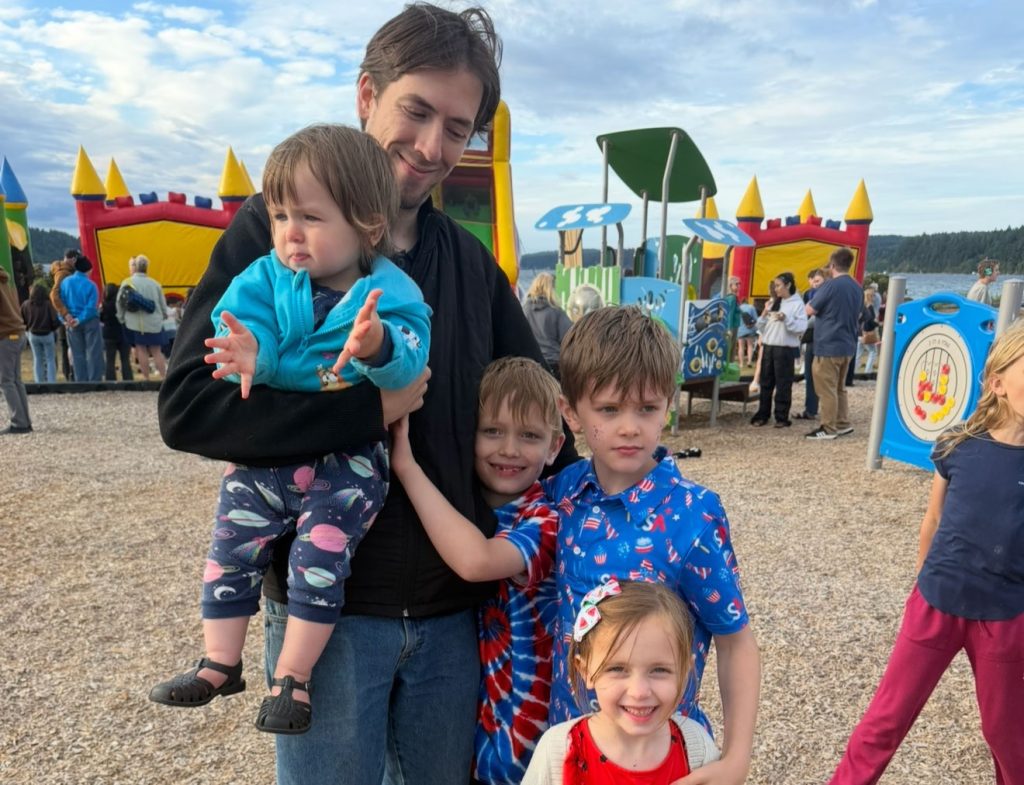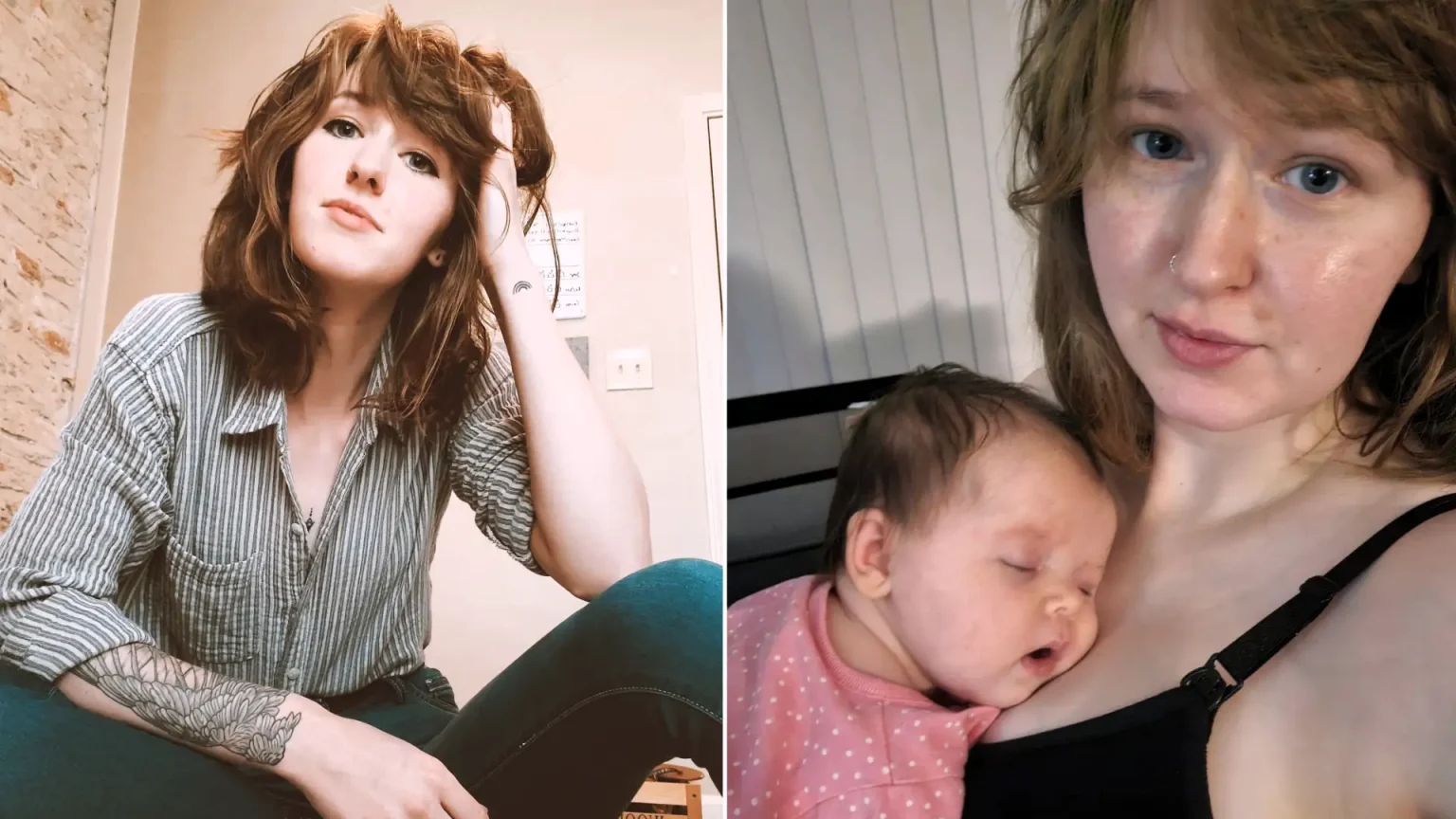

A mum-of-four who was left so deaf after giving birth she couldn’t hear her baby cry has revealed the terror of fearing she would never recover.
Madison Rei developed severe hearing loss following the birth of her fourth child, which she believes was triggered by postpartum hormonal changes.
The 29-year-old software engineer initially thought the problem was a normal post-birth symptom.
READ MORE: ‘We blamed my daughter’s squint on a book hitting her eye – it was the cancer that killed her’
But as her condition continued to deteriorate, she feared she might never hear her children’s voices again.
“I couldn’t hear my baby if she cried,” Madison, from Whidbey Island, near Seattle, Washington, US, told Need To Know.
“I had to be in the room with her, watching her, at all times when my partner wasn’t home.
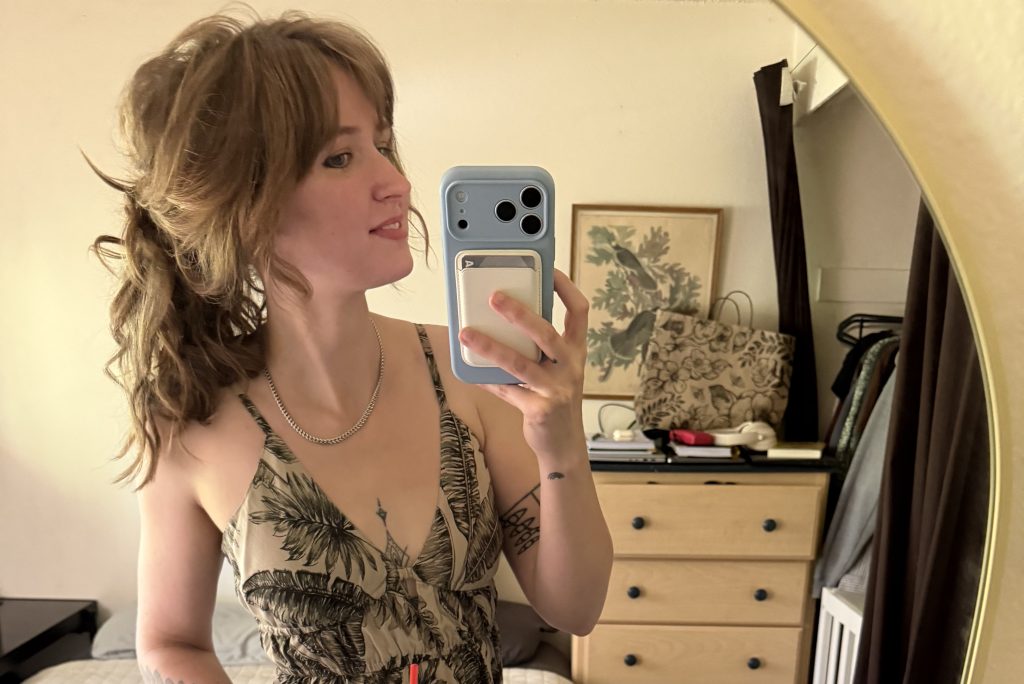
“I was terrified.
“I thought of losing my hearing completely and never getting to hear my children’s voices again.
“I thought of not being able to work and what that would mean for my family.”
Madison, whose four children are aged nine, eight, six and 18 months, had experienced a normal, low-risk pregnancy before giving birth in February 2025.
But within months, her hearing problems were having a devastating impact on everyday life.
She said: “A few days postpartum I was sitting on the couch and suddenly heard this super loud ringing in my ears.
“I Google’d it immediately and decided it was a normal, temporary postpartum symptom that can stem from hormones.
“But it didn’t go away and I started noticing significant hearing loss.
“I was having trouble hearing my kids. I would have to be right next to them and try to read their lips in order to understand what they were saying.
“My older children became aware pretty quickly that they needed to walk up to me, tap my shoulder, and look at me when they spoke to me.
“They were great at that, and I was so grateful.
“But even then, there were many times when they repeated themselves several times and I still couldn’t understand.
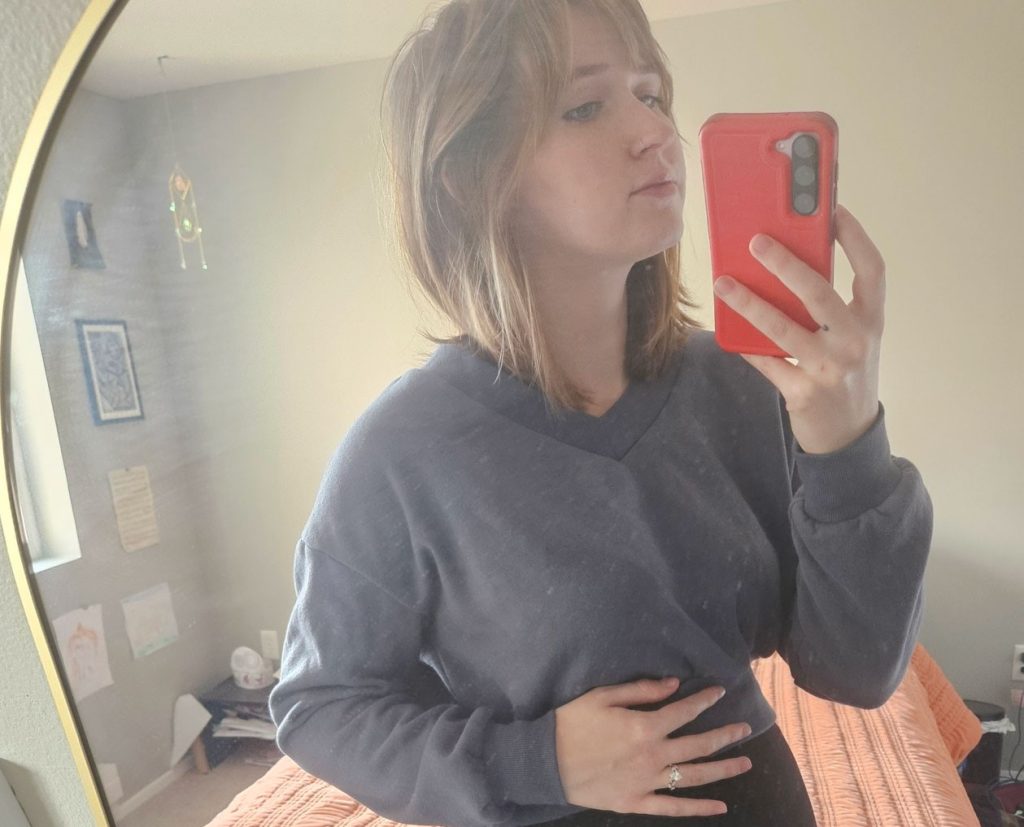
“It took a huge amount of energy to try and understand what everyone needed, and it was all very draining.
“It affected every aspect of life.”
Madison was forced to use transcripts during work meetings and began avoiding social situations because she struggled to understand what people were saying.
She said: “I also started going to the gym early in the morning when no one was there because I didn’t want people thinking I was ignoring them when they tried to talk to me.
“I wanted to join various fitness classes but didn’t because I wouldn’t be able to hear the instructor.
“When people talked to me, I could only say ‘what’ or ‘can you repeat that?’ before it started to feel embarrassing and I would just pretend I’d heard.
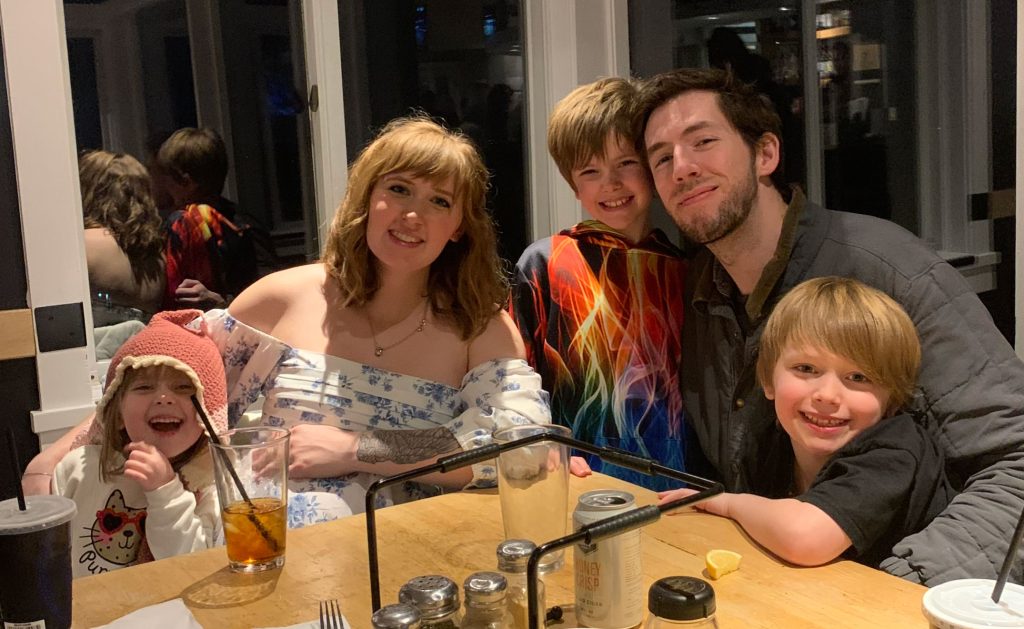
“It was really hard to make and maintain relationships.
“It was extremely depressing.”
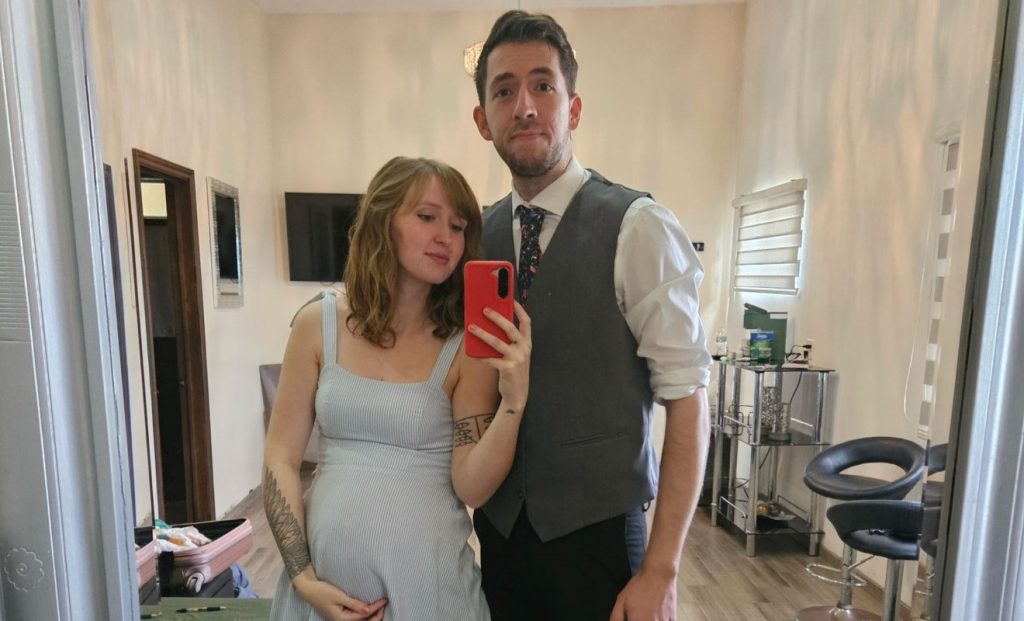
Madison said her family rallied around her, including her fiancé Tim Hope, the father of her youngest child.
She said: “My first three kids’ father and I are divorced, and we’re still working on creating a custody arrangement that we can agree on, so the kids were with me some of the time, and with him and his parents some of the time.
“They were a massive help, being super flexible with me when I needed extra help.
“My fiancé Tim was also there with me every step of the way.
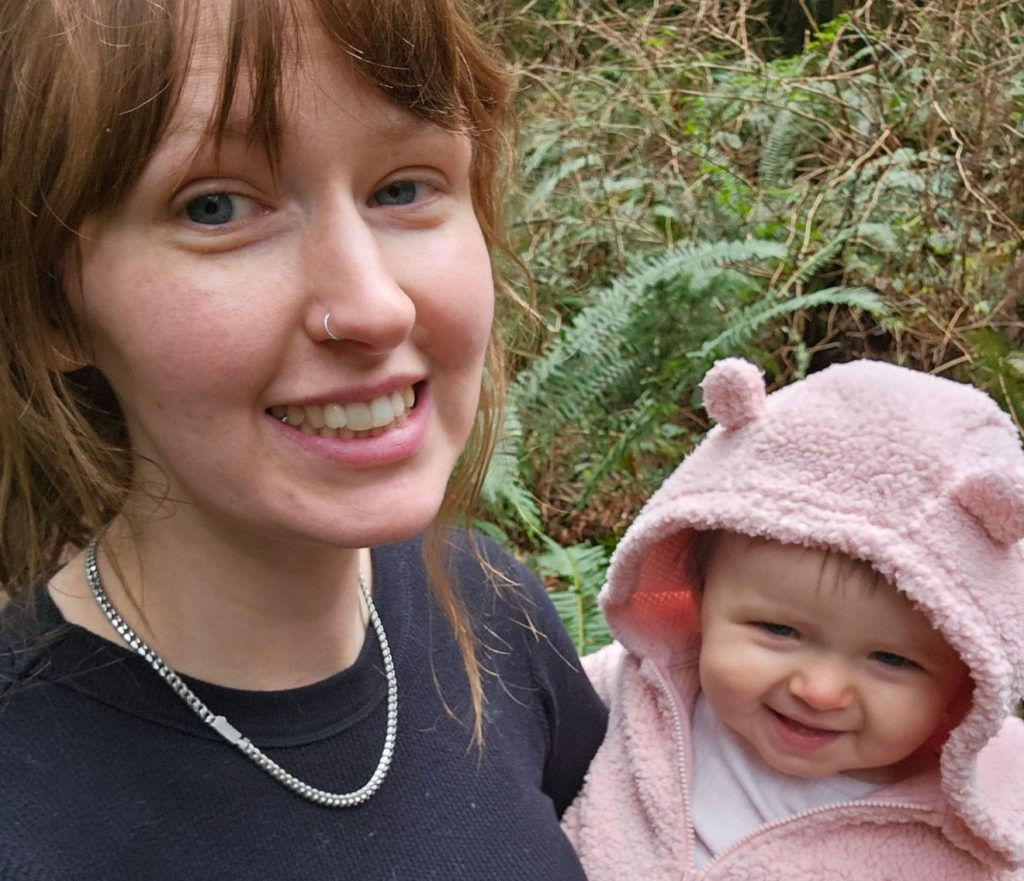
“I rarely had to ask him to repeat himself and he took care of the kids whenever he could.”
A hearing test later confirmed Madison’s hearing was well below average and she was referred to an ear, nose and throat specialist.
But faced with a waiting list of more than six months, she feared she could be completely deaf before she was seen.
Madison instead found Dr Daniel Lee at Proliance Surgeons Puget Sound Ear Nose and Throat, who suspected she had otosclerosis.
The condition affects a tiny bone in the middle ear called the stapes, preventing it from moving properly and interfering with hearing.
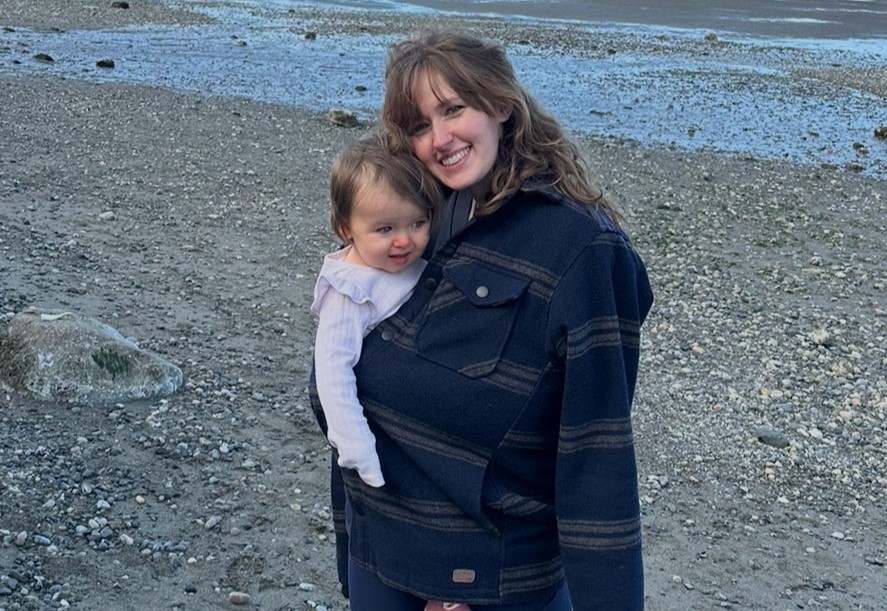
Initially, Madison was advised to consider hearing aids and have another hearing test several months later.
But by her next appointment, her hearing had deteriorated so severely that hearing aids were no longer considered suitable and surgery was recommended.
She said: “Otosclerosis is an abnormal condition where the stapes bone becomes locked in place.
“This condition is most common in women experiencing hormonal changes, or who have a genetic predisposition – which I do not.”
Madison underwent surgery on her worse ear in January 2026, almost a year after giving birth.
She said: “Dr Lee needed to see my inner ear bones in order to make an official diagnosis.
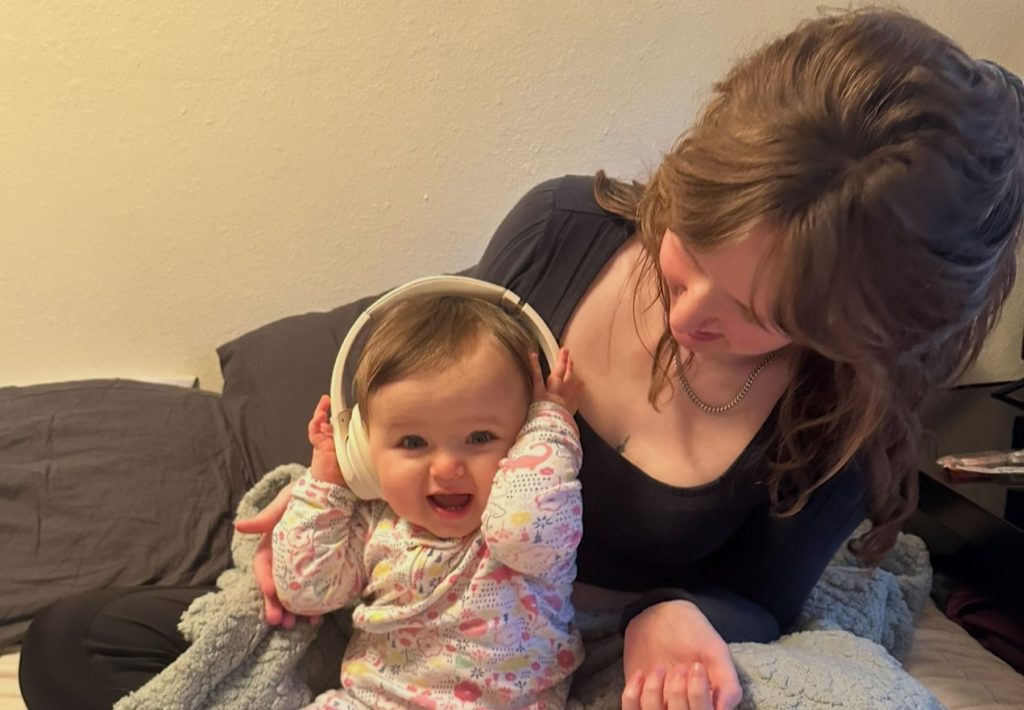
“By the time of surgery, my hearing was almost completely gone.
“There were certain sounds I could hear okay, and some that I couldn’t hear at all.
“Dr Lee recommended I get the worse ear done first, then wait four months for it to heal fully before getting my second ear done.
“I had my first surgery in January 2026, almost one year postpartum.
“And Dr Lee confirmed that it was otosclerosis.
“Four months later, I got my hearing tested again, and found that my post-surgery ear could now hear in the normal range.”
Madison underwent surgery on her second ear in June and is still recovering.
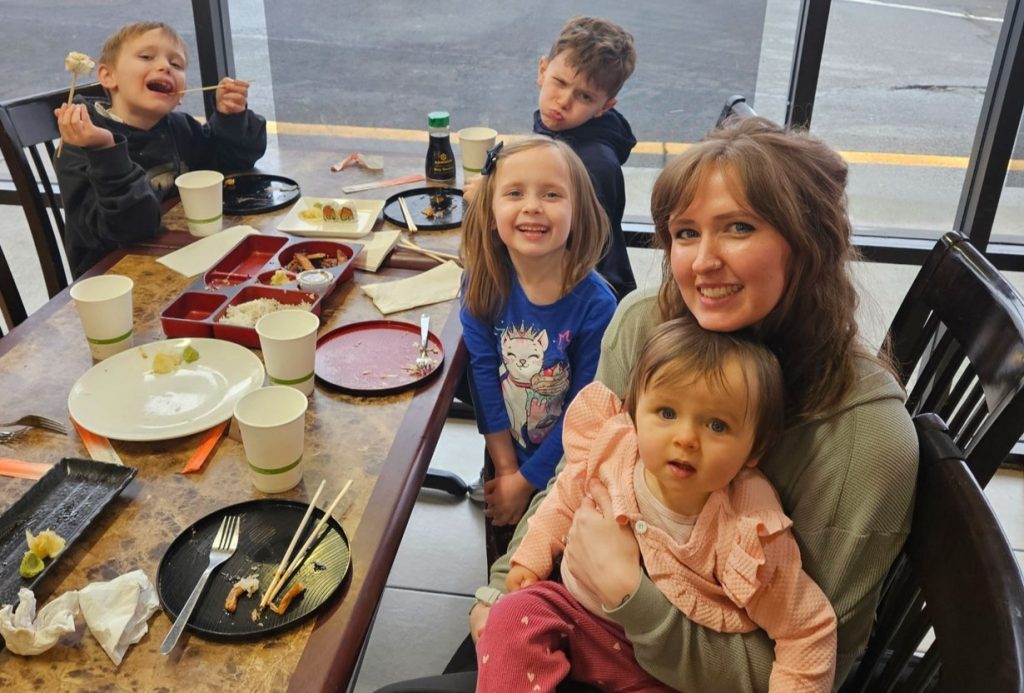
She said: “I couldn’t hear at all for the first few weeks post-surgery, then my hearing started to come back very rapidly after that.
“Suddenly everything sounded so loud to me
“That’s also when the ear ringing stopped, which was a huge relief.”
Madison said the ordeal left her shaken but grateful.
She added: “Most of the things I love involve interaction with other people.
“I wondered if my family and friends would learn sign language for me and how much my life would change.
“Now I’m more aware of how powerful and strong moms are, and how much we go through while making it look easy.
“I hope I can create more awareness for the things that moms go through.
“I’m just so grateful for everything I have in life, especially my senses.
“I recognise that everything can change at a moment’s notice.”
READ MORE: ‘I lost 7st fearing I’d lose my partner – now I won’t quit Mounjaro I can’t afford’