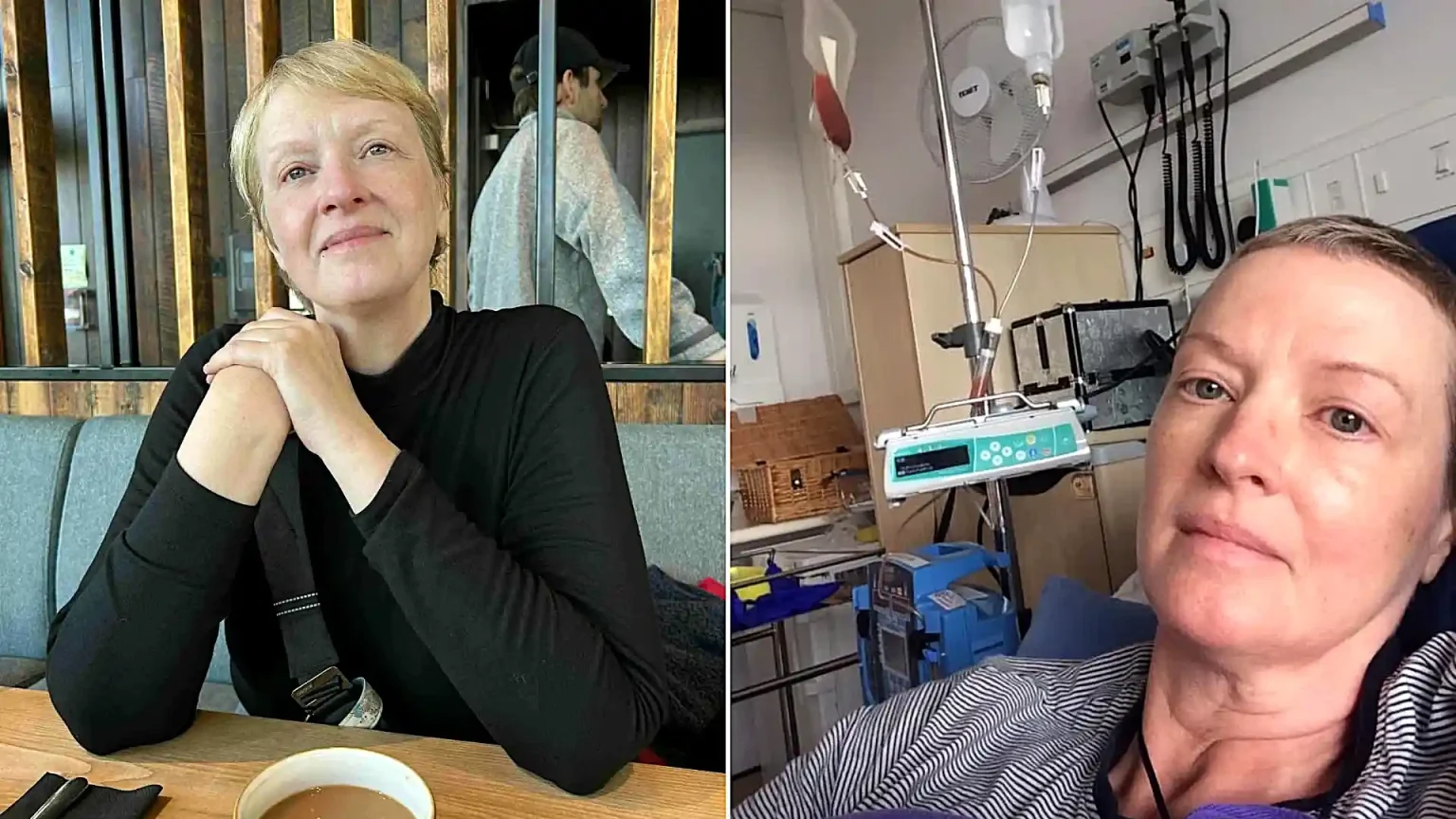

A woman has revealed how she thought blood on her pillow was from scratching her ear – but the actual truth was terrifying.
When Dora Winslet woke up one morning with the pound coin-sized red patch on her bedding, she simply thought her skin had been nicked.
But then, within weeks, her husband, Graham, noticed unexplained bruising beginning to fill her entire body.
READ MORE: How lack of sleep affects the heart: what the latest research says
Other symptoms such as getting out of breath more easily and looking paler than usual came into play – but Dora brushed them off and put them down to her active lifestyle.
It wasn’t until painful blood blisters started appearing in her mouth that the 61-year-old’s gut was telling her something much worse was going on.
And, while at a routine dentist appointment, her entire world came crashing down.
“My husband was in tears; I was a little numb, but resolute,” Dora, from Berkshire, told Need To Know.
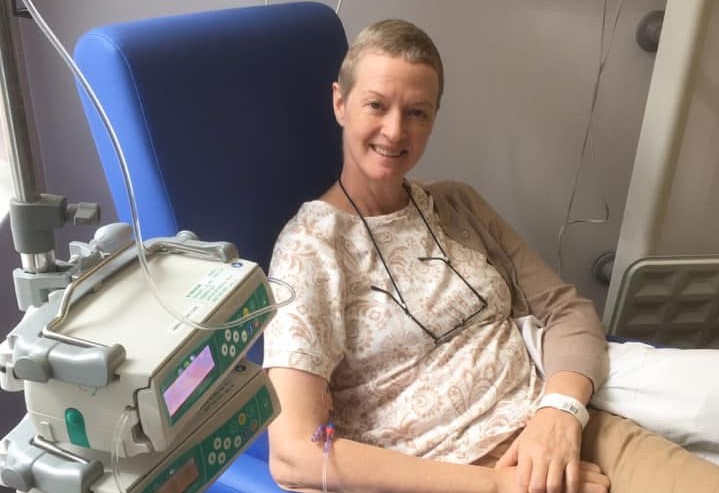
“I was ready to go to war with this.
“The dentist thought [the blisters] looked like a possible autoimmune issue and told me to go to my GP as soon as possible.
“[The doctors] felt it was important I book an immediate blood test.
“I went straight to the hospital – and two days later, I received a call.”
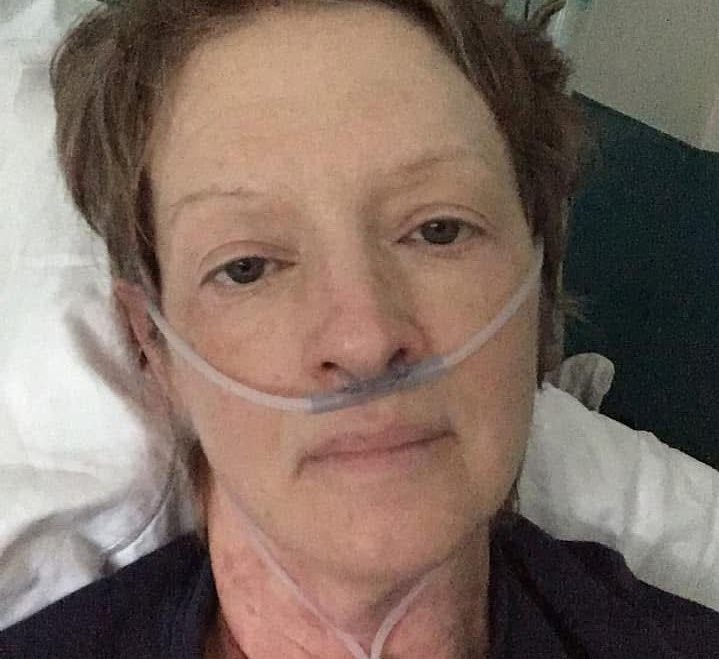
Dora was diagnosed with acute myeloid leukaemia (AML), an aggressive form of blood cancer.
Each year, almost 3,100 people in the UK are told they have it, too.
And almost 80% of those cases will not survive beyond five years.
Dora, who had previously battled breast cancer, was prepared to put up a fight.
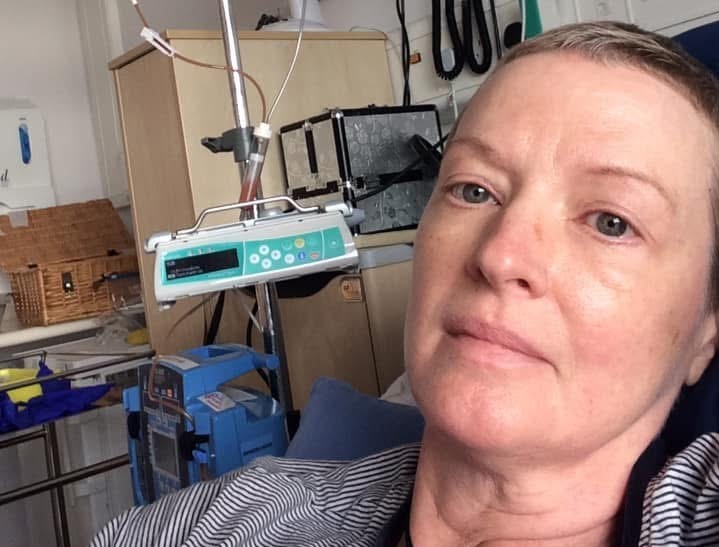
She underwent two rounds of chemotherapy in March 2021 – two months after her diagnosis.
Dora said: “Both rounds were very difficult.
“I broke out in a chemo-rash, which looks similar to sunburn and turns into an ugly, patchy tan.
“The second round was the worst, my weakest, taking two extra weeks to recover.
“I remember collapsing on several occasions, and I was put on oxygen.
“I needed help from nurses to do very basic things, too.”
In August 2021, Dora was told her only chance to reduce the risk of relapse was to have a stem cell transplant.
A third session of chemotherapy took place in a bid to prepare her.
Sadly, although the transplant was a success, her battle only worsened.
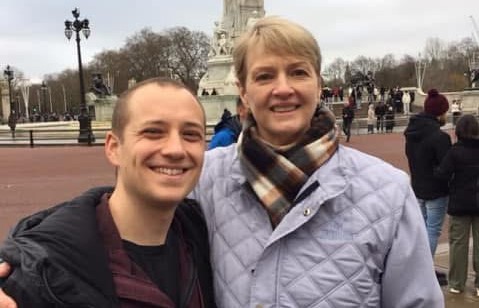
She found difficulty walking and had to crawl upstairs with multiple breaks.
Dora also developed Graft-versus-Host Disease (GvHD), where the donated immune cells see the recipient’s healthy tissue as foreign and begin to attack.
Symptoms such as itchy rashes, blistering skin, diarrhoea and dry eyes are most frequent.
She also suffered from digestive issues, which saw her in and out of hospital.
But while going through all of this, there was only one thing on her mind – her beloved poodle, Oz.
Dora said: “Taking Oz out every day as soon as I was able really helped build my strength.
“I was also encouraged by the two motorbikes in my garage that I was desperate to get back on.
“Building my strength and confidence for motorbike riding again in that first year post-transplant was a big milestone for me.
“That first day out on my big 800cc bike, I came upon another vehicle I needed to pass.
“The power as the engine surged and the wind rushed by was such a thrill.
“It was great to be so alive.
“When we reached our destination, I hugged that bike.
“I am eternally grateful to the NHS for saving my life – twice.”
September marks Blood Cancer Awareness Month, and Dora is sharing her story to help raise awareness and support for Leukaemia UK, as well as the symptoms to look out for.
Fiona Hazell, Chief Executive of Leukaemia UK, added: “We’re so grateful to Dora for sharing her story to help raise awareness of leukaemia.
“Most of the signs and symptoms are not specific, so they can often get mistaken for other illnesses or be explained away.
“Early diagnosis saves lives.
“That is why we encourage anyone with symptoms to make sure it’s nothing serious by speaking to their GP and asking for a full blood count test.”
READ MORE: A simple habit that can significantly improve your health