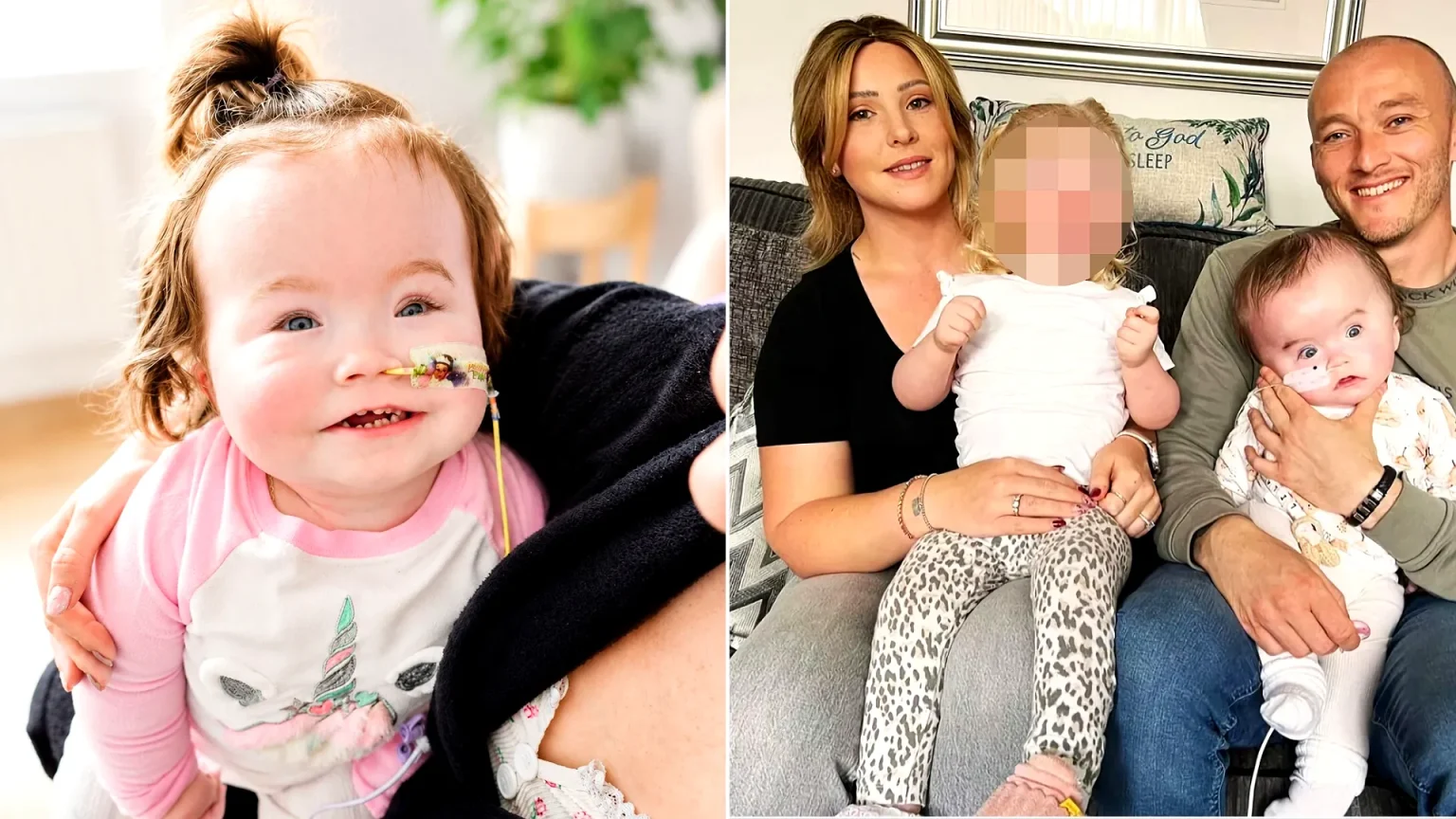

A mum has revealed how she was “forced” to beg for help while her daughter was dying as National Health Service restrictions meant the tot wasn’t eligible for the support needed due to her age.
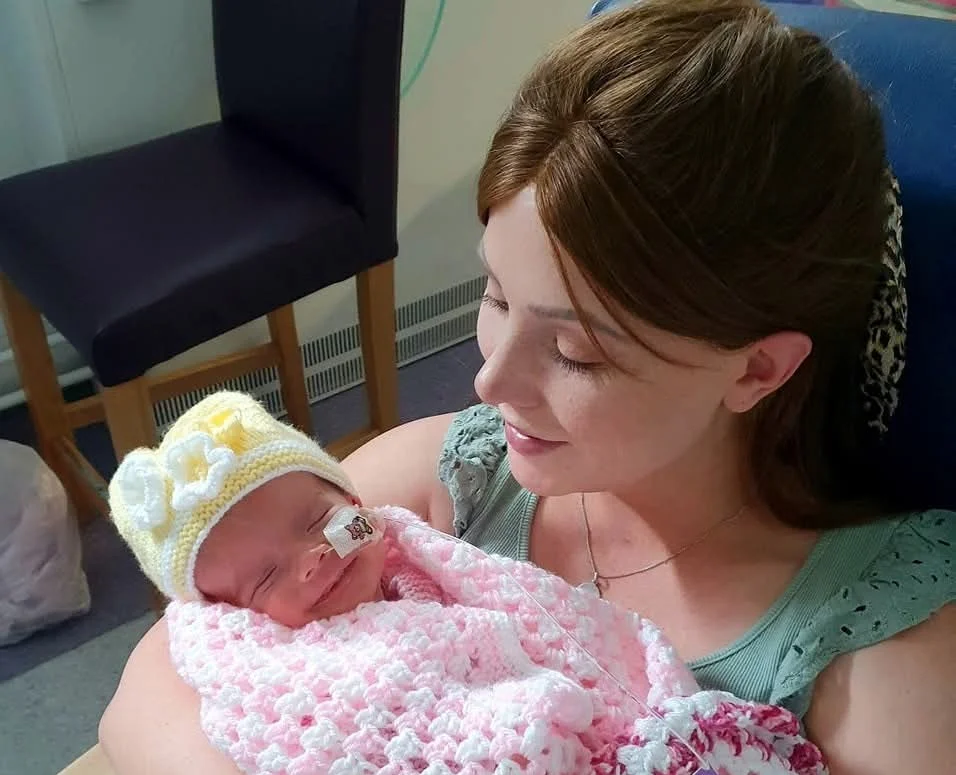
When Hayley Dripps learned she was pregnant with her second child, she was overjoyed.
She and partner, Robert Weir, 39, were counting down the weeks until they welcomed their bundle of joy – especially as they had nothing to fear.
READ MORE: Basketball player 17 mistook cardiac arrest warning for ‘energy drink buzz’
Until at 37 weeks, when they received the news no parent wants to hear.
Their unborn baby had severe hydrocephalus – a build-up of fluid on the brain – and conversations surrounding plans after birth, such as end-of-life care, were had.
The 34-year-old was terrified of losing her child before they were even born.

Sadly, little Lila lost her battle in May 2026, aged just two years old.
And, despite her declining health, the parents believe lack of access to vital needs through the DfC and Ireland’s national health service, HSC, contributed to the lasting trauma of an already unimaginable loss.
“There were times when I genuinely didn’t know whether she would survive to see her next birthday,” the mum, from Cookstown, Northern Ireland, told Need To Know.
“Yet she was still being told, through the system, that she had to wait for certain care because she hadn’t reached the required age.
“Her need for safe mobility support existed then.
“It was not something that could simply wait for another birthday.
“We weren’t asking for luxury or convenience; we were asking for a safer way to transport our little girl to the hospital, medical appointments and to simply experience life like every other child.
“When your child is dying, you shouldn’t have to beg to get help that she desperately needed and should have been entitled to.
“Our time spent doing so was time robbed with our little girl.”
Hayley recalls how “frightening and overwhelming” her baby’s initial diagnosis was, especially as she didn’t know what lay ahead.
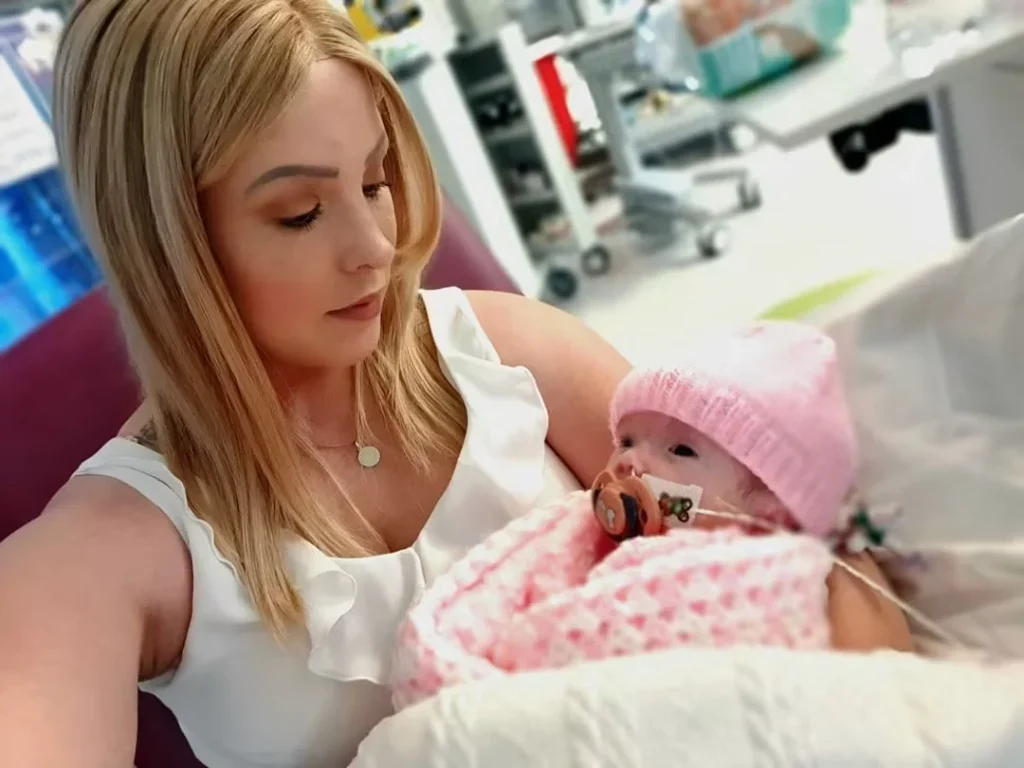
She said: “I had gone from believing I was having a normal pregnancy to being told that my baby was seriously unwell and might not survive.
“She was then born unresponsive.
“From then on, we knew she was extremely unwell.”
At four weeks old, it was confirmed Lila had a rare inherited disorder called pyruvate dehydrogenase deficiency.
It affects how her body could break down food and drink.
Later, she suffered epilepsy, with up to 20 seizures a day.

The parents were told it was unlikely she’d survive infancy – but, after a period of end-of-life care, she had improved enough to come home.
Other diagnoses included blindness, deafness, fixed talipes – where the feet turn inwards – and a soft cleft palate.
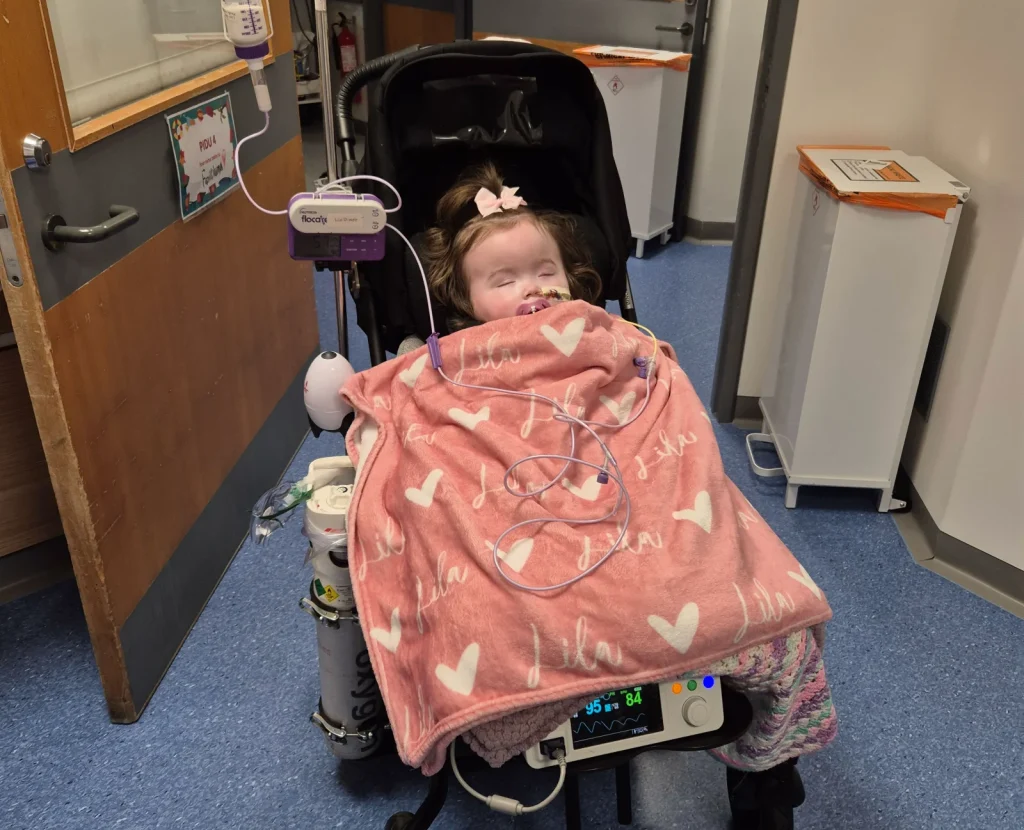
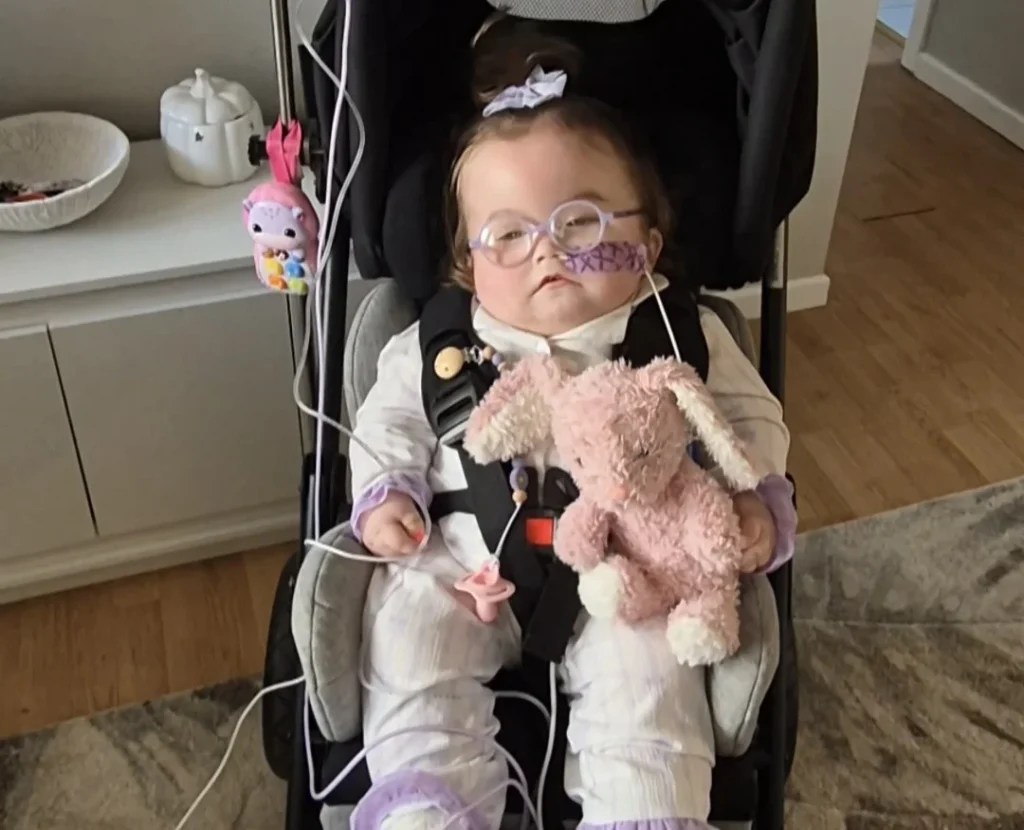
Lila was tube-fed, was unable to sit, stand or walk and required 24-hour care.
For Hayley and Robert, the already stressful daily situation was only made worse by lack of support.
She said: “She was completely dependent on us and could become critically unwell without warning.
“Even leaving the house required careful planning around oxygen, suction and feeding equipment.
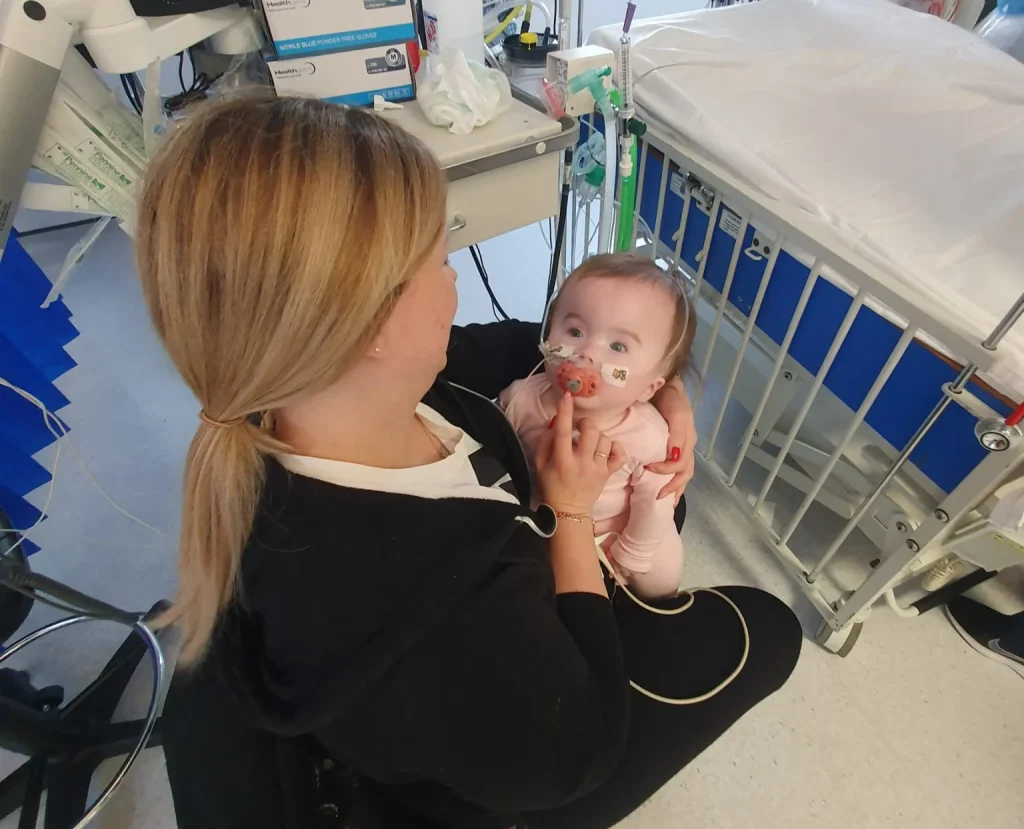
“Travelling to hospital appointments, or even just in general, became particularly dangerous.”
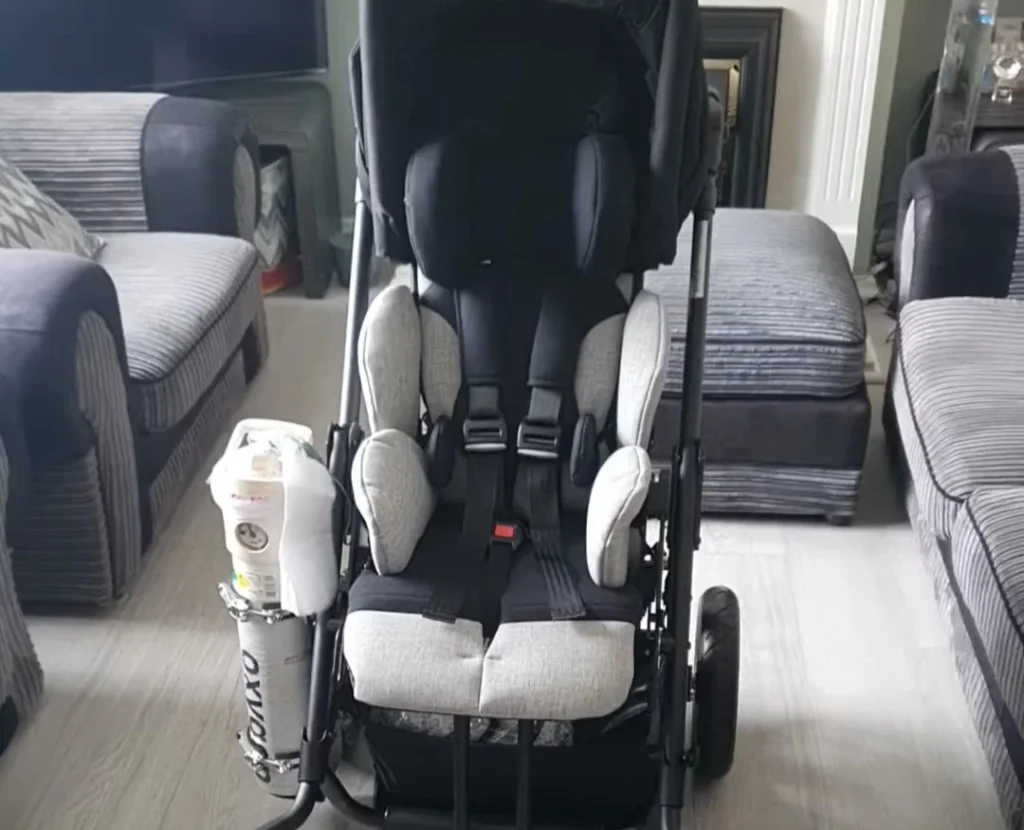
The couple spent £800 on a specialist car seat, as Lila’s head would fall forward onto her chest, causing her oxygen levels to drop.
However, this only lasted for three months until the issues became more challenging.
They claim to have been told the safest way to travel would be in a wheelchair-accessible vehicle.
But since she had to be three years old to receive the mobility tool, nothing could be done.
Despite multiple letters from professionals and medical evidence, their claims were denied.
Hayley said: “I was practically begging for basic help while my daughter was dying.
“Lila’s time was precious and her needs were immediate.
“These children aren’t guaranteed the time to simply wait.
“That is why I believe children with profound and complex disabilities should be assessed on their actual needs, safety and medical circumstances – not on age alone.”
Hayley also claims they were denied continence products as she wasn’t yet five years old.
As a result, they had to use respite support to travel to the next town to buy the nappies she needed.
It took a huge toll on Hayley and Robert’s wellbeing.
She said: “You don’t realise how difficult something as ordinary as getting your child into a car, travelling to hospital or accessing basic continence support can become until you are the family living it.
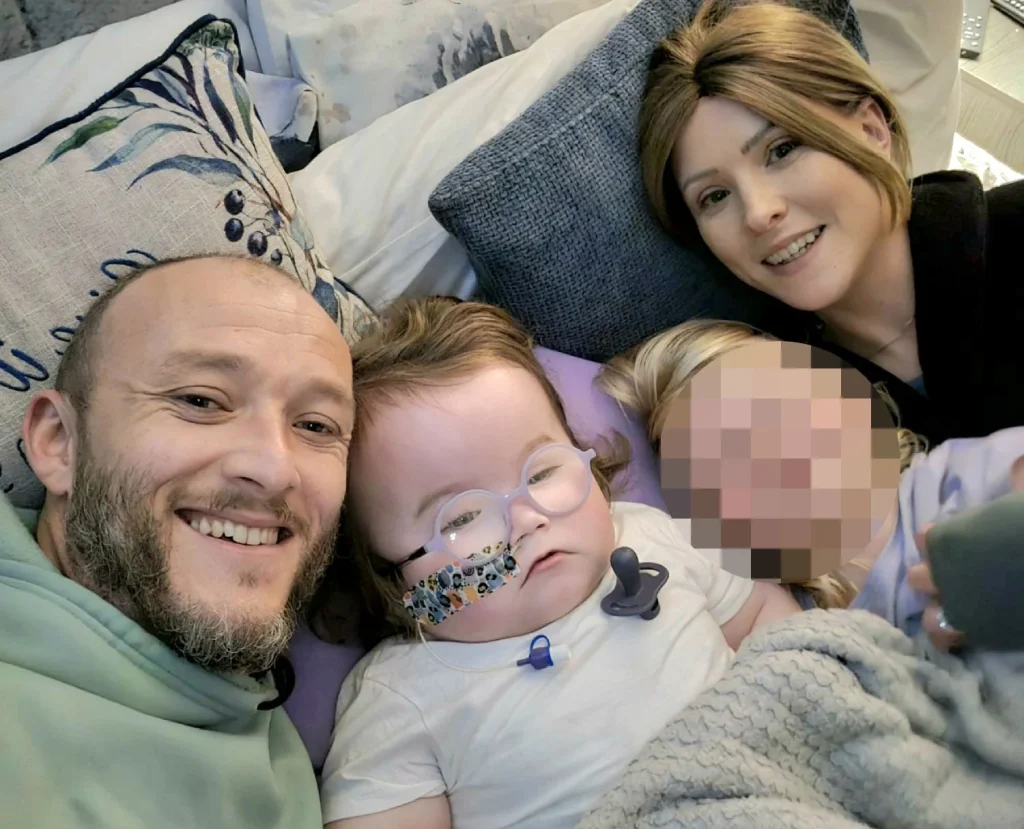
“I don’t want another parent to have to spend hundreds of hours researching, advocating and fighting systems while their child is desperately sick.
“We had to give up work because Lila required 24-hour care and monitoring.
“She was largely confined to the house, and many services had to come to us.
“We also had to isolate because she was extremely vulnerable to infection and illness.
“We weren’t just parents – we became carers, nurses, advocates, researchers and coordinators of Lila’s care.
“There was very little normality.
“Our lives revolved around appointments, hospital admissions, feeding plans, medications, emergency plans and constant monitoring.
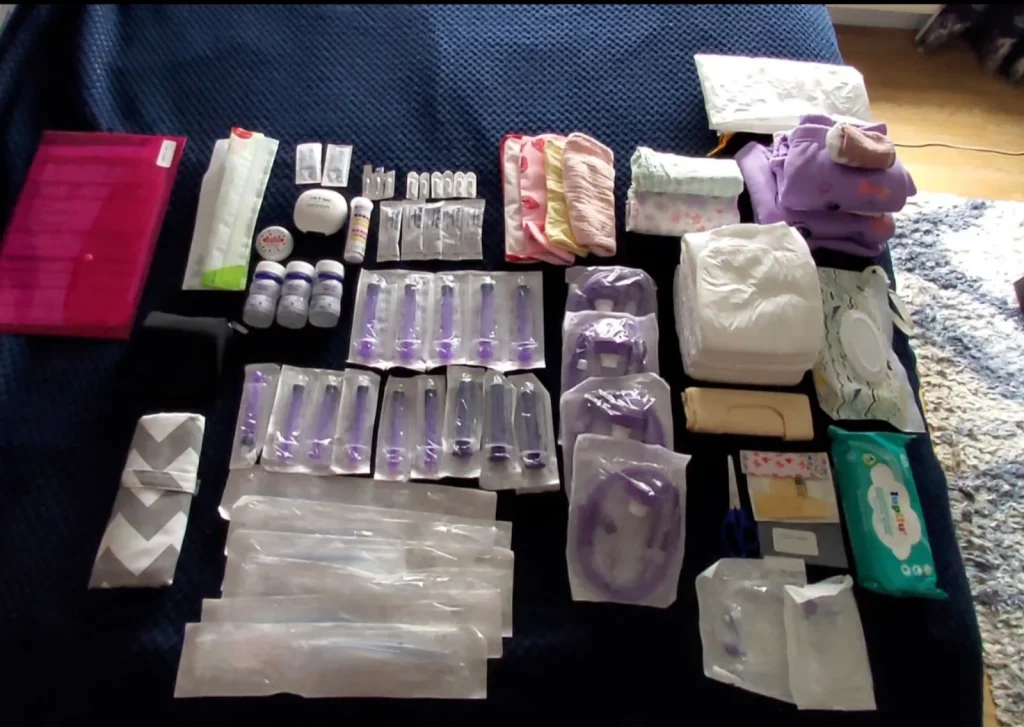
“The time spent trying to obtain essential support affected my mental health and took precious time away from simply being Mum and Dad and making memories with Lila.
“That time cannot be recovered.”
Now, she’s calling on the system to allow review for the needs of each child, rather than their age.
Hayley has started a petition, called Lila’s Legacy, which is hoped to pass fair access for those who need it most.
On 31 May 2026, Lila sadly lost her life and passed away in Hayley’s arms.
In her final weeks, Hayley and Robert were “forced” to spend their time filling in forms so they wouldn’t miss the deadline to apply for mobility DLA before her third birthday.
She added: “There will never be enough words to describe Lila.
“She was incredible.
“She was our daughter, a little sister, and a little girl who was loved beyond words.

“She was beautiful, funny, determined and incredibly strong. And she had a smile that could light up a room and make us forget, even for a moment, how frightening our world had become.
“She was the true definition of love, hope, courage and strength.
“She survived when we were told she might not.
“She fought her way off life support multiple times when we had been prepared for the possibility of losing her.
“She kept fighting, kept smiling and gave us precious moments we never thought we would have.
“She deserved so much more than the barriers that surrounded her.
“She deserved safety, dignity, to be included – and simply the chance to be a little girl.
“When people hear Lila’s story, I don’t want them to see the machines or the diagnoses first.
“I want them to see her; our beautiful girl.
“Lila’s life was heartbreakingly short and difficult, but it was not insignificant.
“She changed our family forever, and now her story is becoming a voice for children she will never have the chance to meet.
“We are fighting because Lila mattered.
“And so does the future of every child living with profound disabilities, complex medical needs and life-limiting conditions.
“If Lila’s story can help make one child’s life safer, one family’s journey easier, or give one parent more precious time to simply be Mum or Dad instead of fighting for support, then her life will continue to make a difference.
“We cannot change what happened to our daughter.
“But we can make sure her story is heard.
“And this is her legacy.”
A spokesperson for the Department for Communities (DfC) said: The Department for Communities recognises the significant challenges faced by families caring for children with complex and life-limiting conditions.
“As with other social security benefits, parity is maintained with the Department for Work and Pensions, and we are not aware of any plans to review the age restrictions that apply to mobility.”
A spokesperson for Health and Social Care Northern Ireland (HSC) said: “The children’s bladder and bowel service should be consulted if there are any concerns or the child is not progressing as expected.
“In line with the National Guidance for Provision of Continence Containment Products to children and young people 2021, products will only be provided to children who are at least five years old and have been fully assessed and then supported for at least six months with an individualised programme to develop the skills required for toilet training.
“However, every child will be considered on an individual basis, and decisions will be made based on the outcome of assessment.”
READ MORE: Losing 12st unlocked my pretty privilege and men who ignored me came CRAWLING back