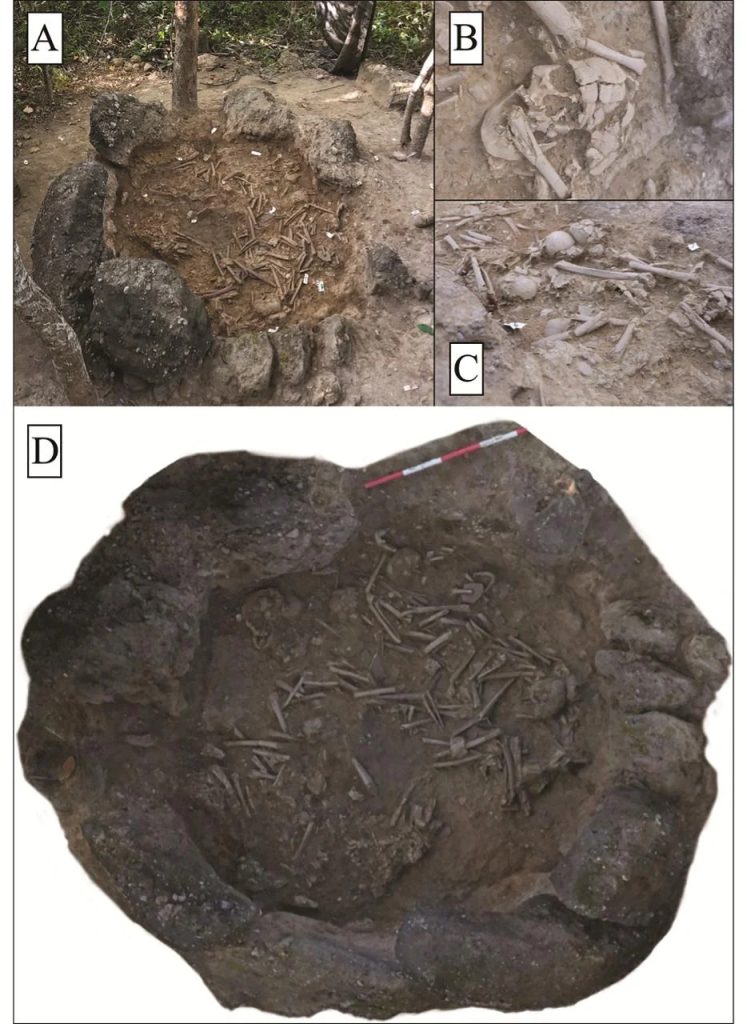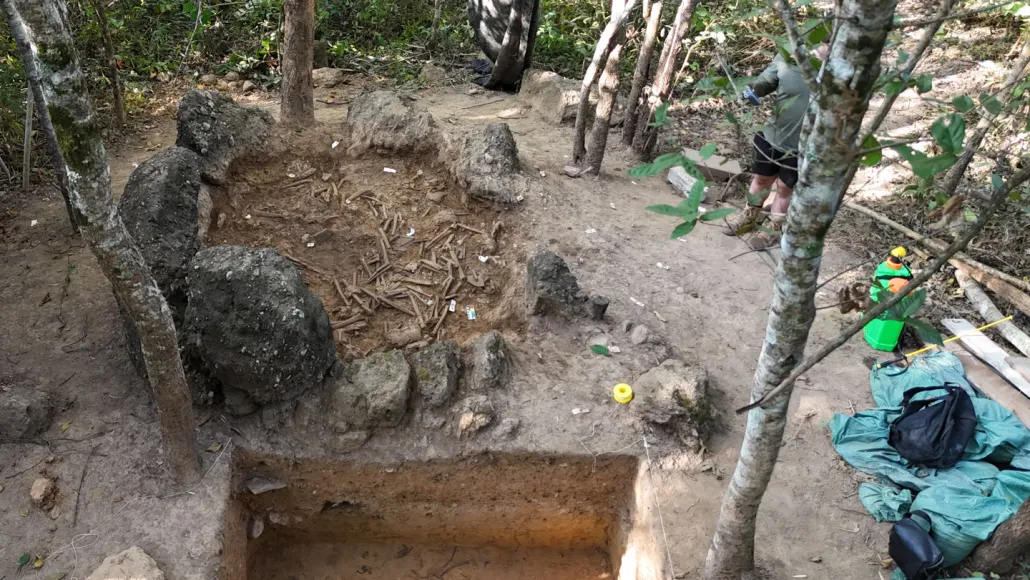

A remarkable archaeological discovery has shed new light on ancient burial practices, after researchers uncovered the remains of at least 37 people inside a single giant stone jar.
The find suggests the enormous carved vessels scattered across the region were not simply symbolic monuments, but may have played a central role in complex burial rituals carried out over generations.
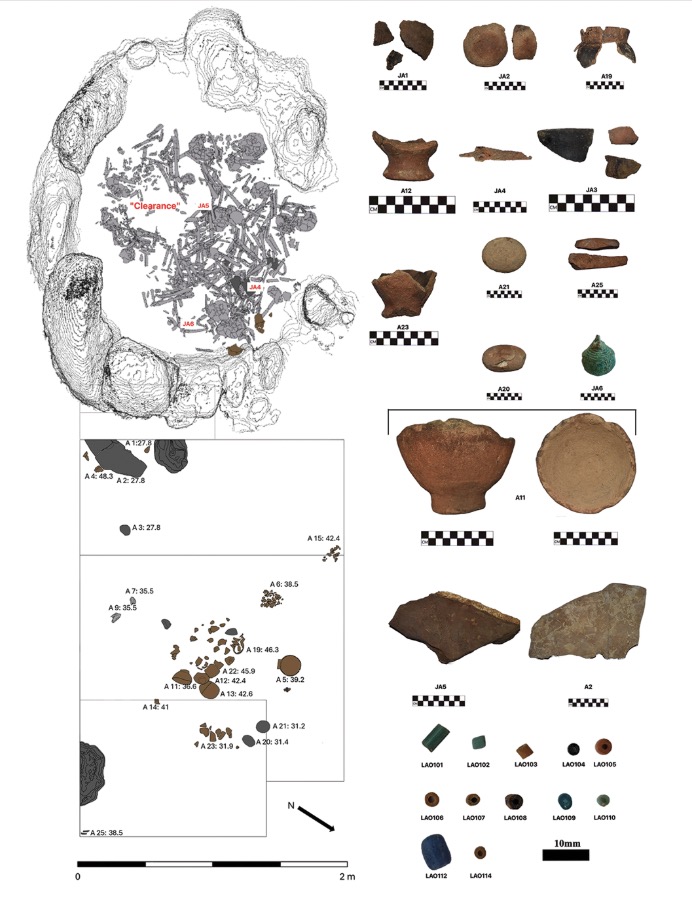
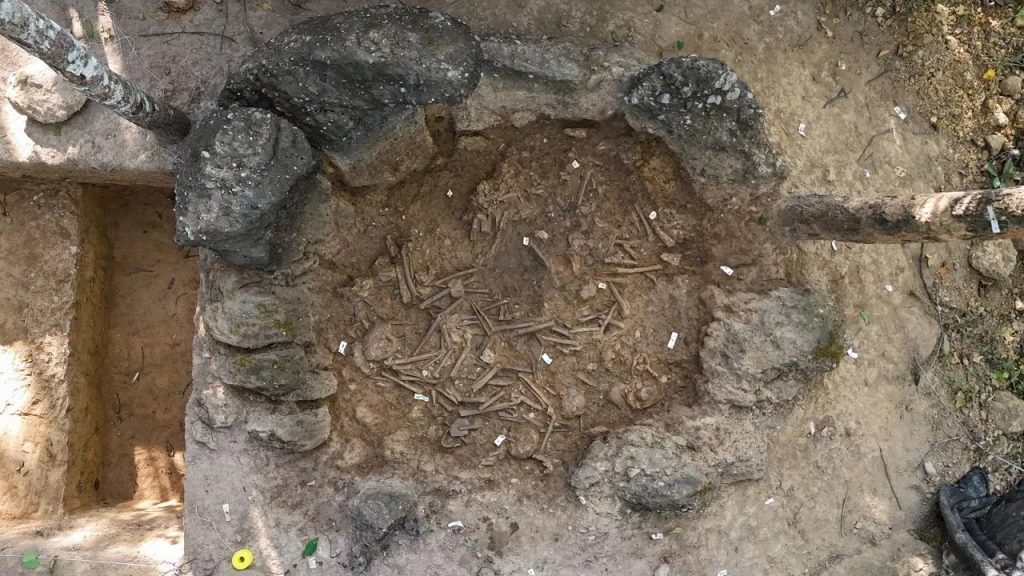
Archaeologists say the jar appears to have been used as a communal burial container, holding disarticulated human remains alongside artefacts including iron tools, glass beads, pottery fragments and a copper-based bell.
READ MORE: Dog walker, 21, falls into manhole after loose cover gives way
The bones were densely packed inside the vessel with no clear stratification, suggesting bodies or remains were added repeatedly over time rather than deposited in a single event.
Experts believe it likely functioned as an ossuary, where bones were transferred after initial decomposition elsewhere, as reported by Need To know.
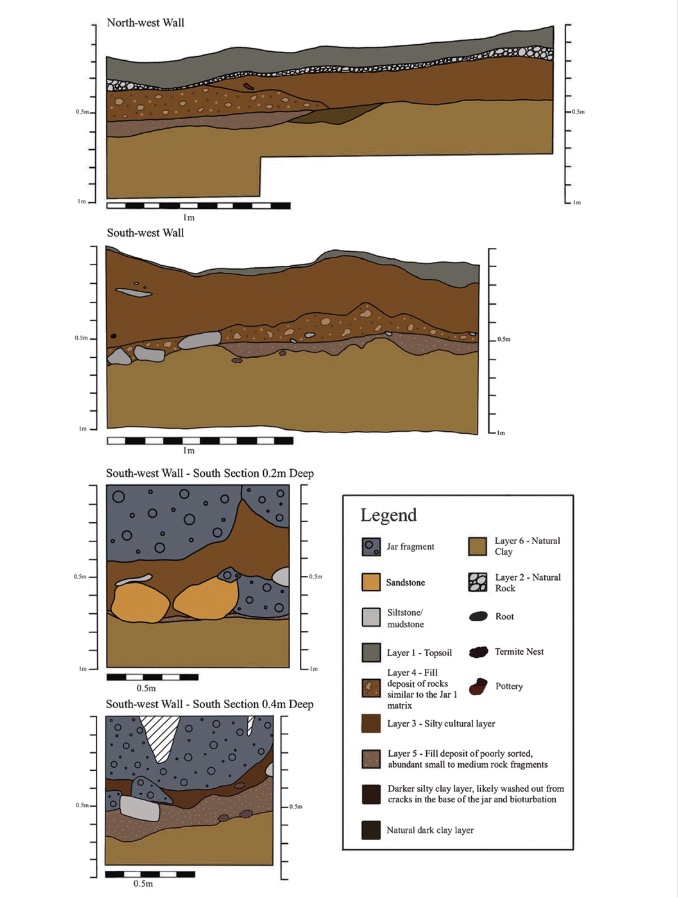
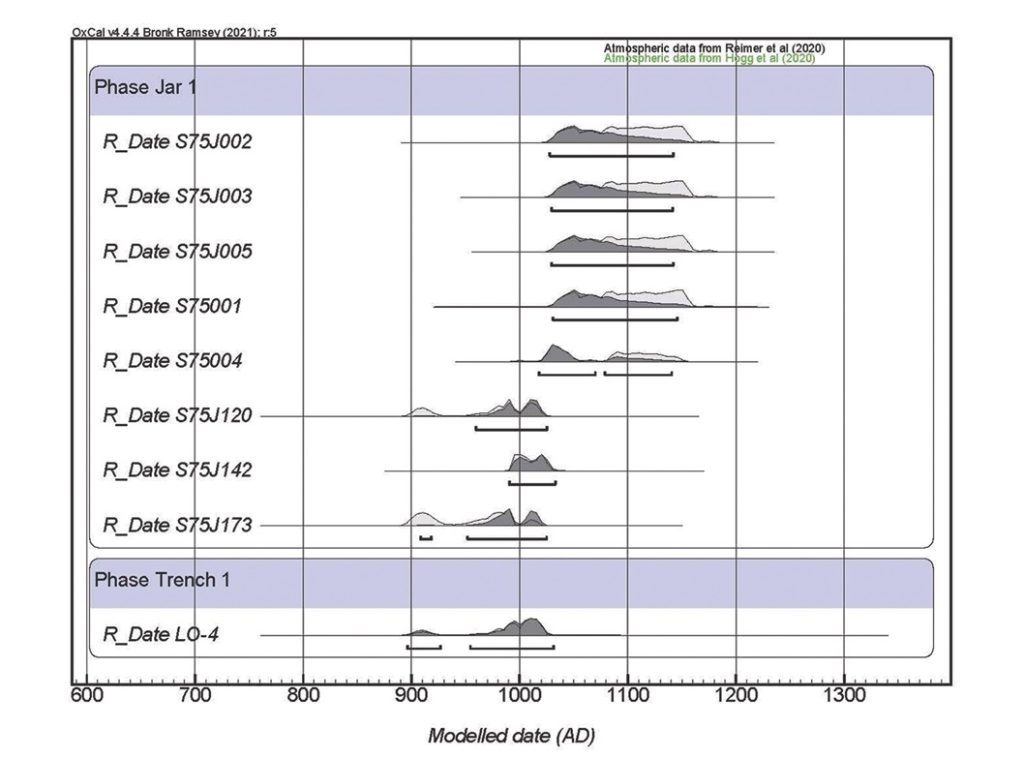
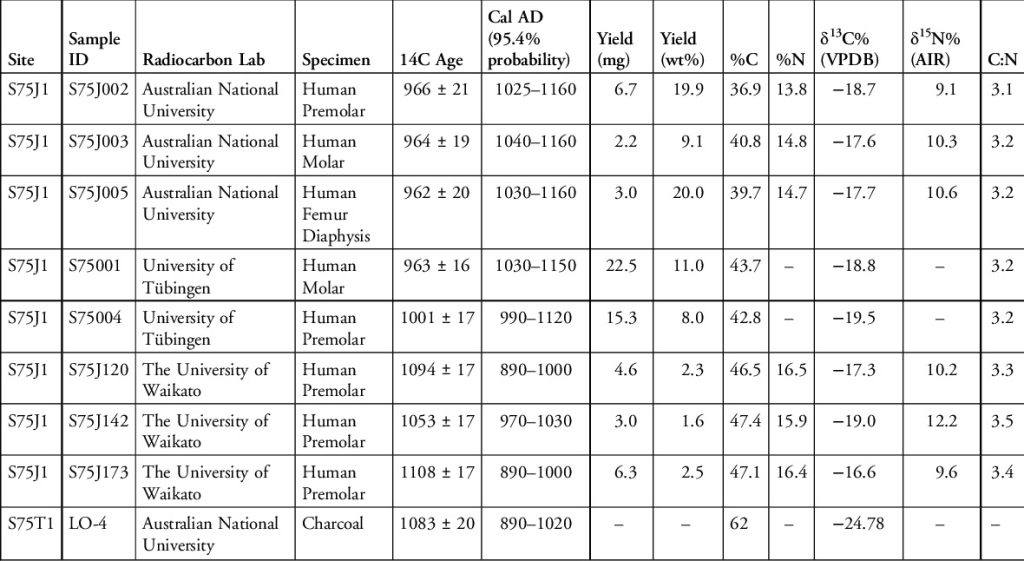
Radiocarbon dating indicates the jar was in use between around AD 890 and AD 1160, meaning the site may have been active for more than two centuries.
Some remains showed signs of ritual modification, including tooth removal, a practice documented in other prehistoric Southeast Asian populations.
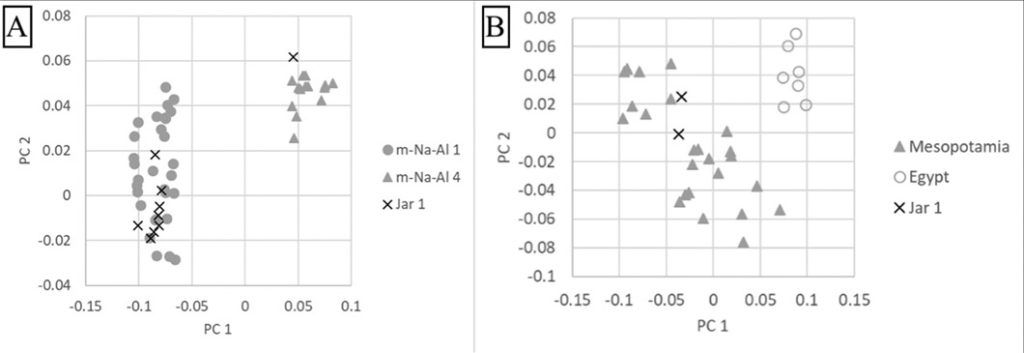
Intriguingly, the jar also contained glass beads sourced from across Asia, including regions linked to South Asia and the Middle East, pointing to far-reaching trade networks and cultural exchange during the period.
Researchers say the discovery suggests a highly organised society with complex mortuary customs, where the dead may have been revisited, reprocessed and reinterred over multiple generations.
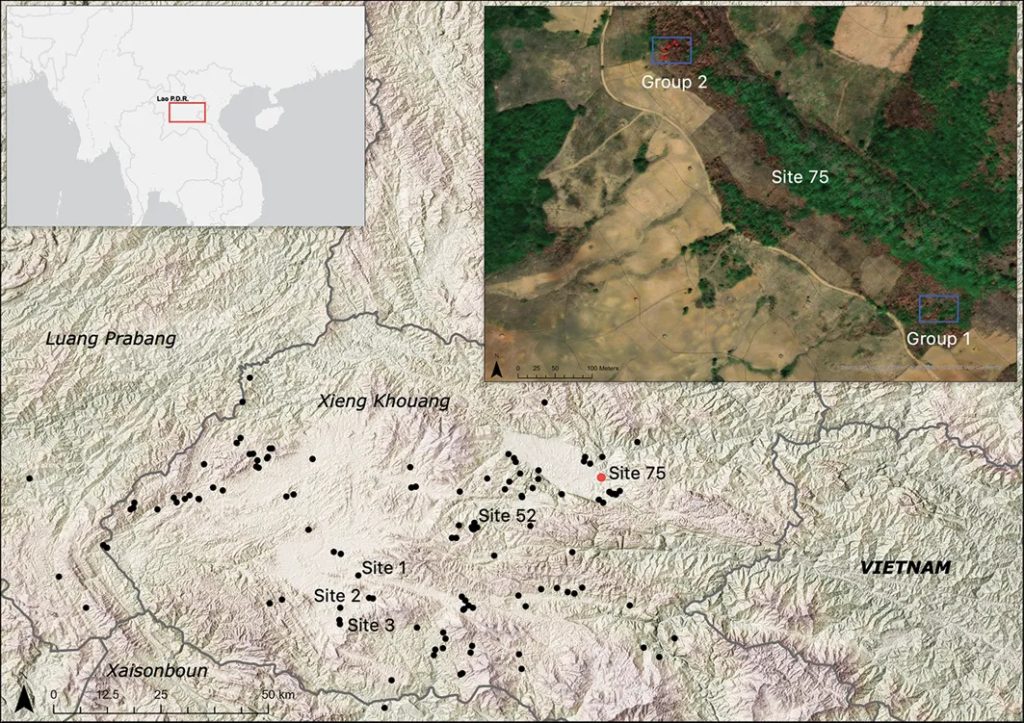
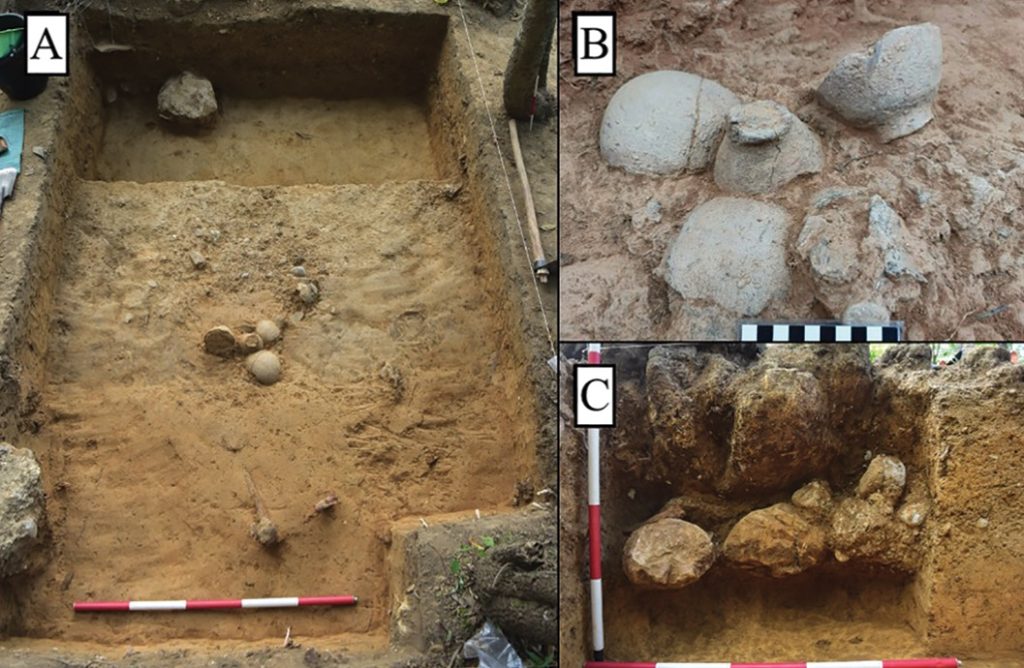
The stone jar was excavated at Site 75 on the Xieng Khouang Plateau in northern Laos, part of the famous Plain of Jars landscape first documented by French archaeologist Madeleine Colani in the 1930s.
The Plain of Jars features more than 120 known sites scattered across the plateau, with hundreds of massive stone vessels that have puzzled researchers for nearly a century, with theories ranging from food storage to funerary monuments.
This latest discovery adds weight to the idea that at least some of the jars were used for mortuary purposes, although archaeologists stress burial practices likely varied between sites and over time.
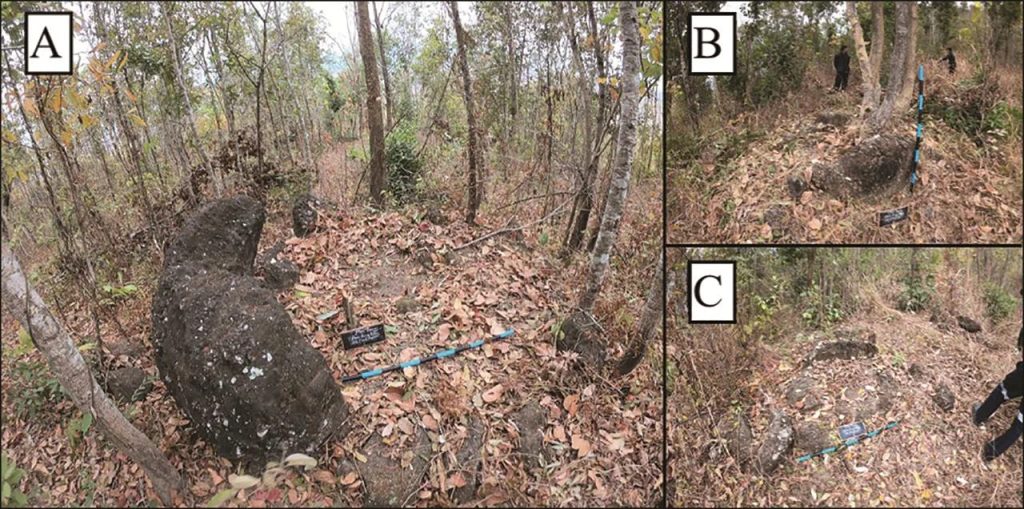
At Site 75, researchers believe the vessel may have formed just one stage in a longer funerary process, with human remains potentially moved between different jars or locations as part of evolving ritual traditions.
The discovery also highlights how deeply connected the region was during the late first millennium AD, when expanding kingdoms across China and Southeast Asia helped drive extensive trade routes across the continent.
Despite decades of study, many of the stone jars remain unexcavated, meaning the Plain of Jars continues to hold one of archaeology’s biggest unanswered questions about how and why this extraordinary landscape was created.
READ MORE: Man caught horrifically punching and dragging rottweiler slapped with five year ban