

Brits are being warned that some of the most common Google searches could leave them at risk of scams, fraud and stolen bank details.
Cybersecurity experts say criminals are increasingly targeting internet users through fake adverts, cloned websites and bogus customer service pages designed to look legitimate in search results.
And according to privacy experts, the biggest danger is that many victims are already stressed, distracted or desperately trying to fix a problem when they search online, as reported by Need To Know.
READ MORE: Bikini-clad shoplifters caught raiding booze shelf during Bank Holiday heatwave
Peter Nguyen, privacy expert at Protect My Data, warned scammers are no longer relying solely on suspicious emails or text messages.
Instead, he said fraudsters are increasingly “waiting for people in search results”.
Peter said: “The most dangerous searches are often the ones people make when they are panicked, annoyed or in a hurry.
“If someone is trying to find a bank number, pay a fine, chase a parcel or claim a refund, they are already in problem-solving mode.
“That is when scammers have the advantage.”
Experts warned that searches for bank customer service numbers are among the riskiest – particularly when people fear fraud on their account or a bank card has stopped working.
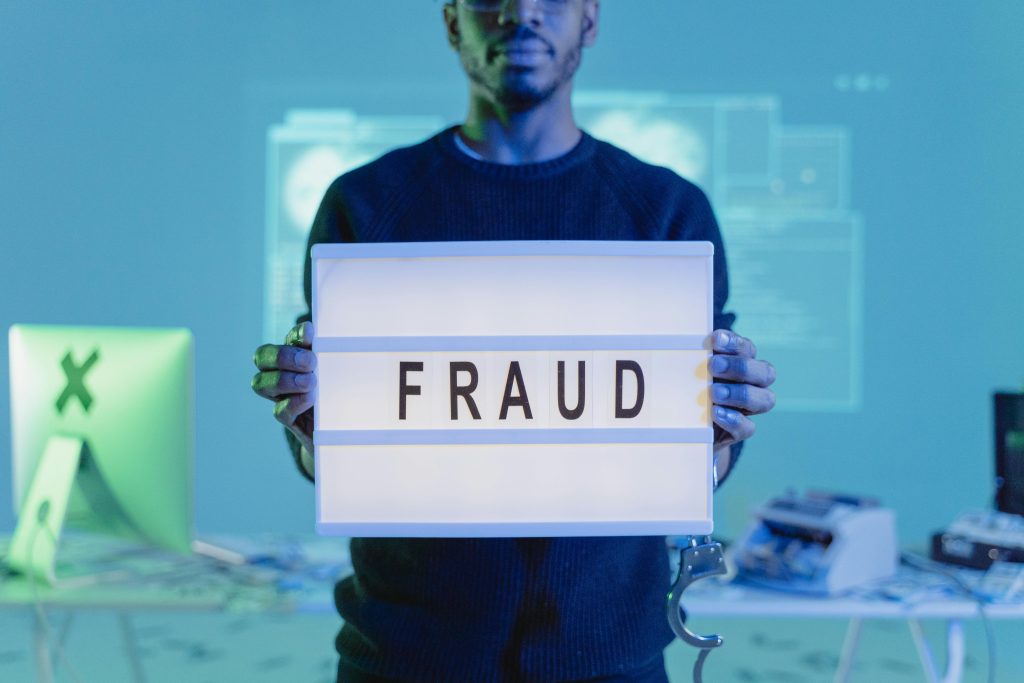
Fake banking support pages can look almost identical to genuine websites and, in some cases, fraudsters even pay for adverts so their pages appear above official results on Google.
Peter warned victims may then be tricked into handing over security details or transferring money into so-called “safe accounts”.
He said: “No genuine bank will ever ask you to transfer money to protect it.”
Tax refund searches are also increasingly being targeted by scammers, especially during self-assessment periods or when people believe they may be owed money by HM Revenue and Customs.
Fraudsters often create convincing fake government-style websites offering rebates or urgent refunds while requesting bank details, National Insurance numbers and card information.
Drivers are also being warned about fake Driver and Vehicle Licensing Agency, ULEZ and parking fine payment pages that often request small charges designed to expose card details.
Peter said many victims wrongly assume low-value payments are harmless.
He said: “Someone may think, ‘It’s only £2.99’, but that small payment can expose their card details.”
Parcel delivery scams are another growing problem as online shopping continues to boom.
Fake courier websites posing as Royal Mail, Evri and DPD are often designed to steal personal information and payment details under the guise of rearranging missed deliveries.
Travel-related searches are also increasingly being exploited during busy holiday periods and flight disruption.
People searching for airline refunds, cancellation numbers or hotel booking support may unknowingly land on fake customer service pages operated by scammers.
Cybersecurity experts have also warned against downloading software from unofficial links found through search engines, including antivirus programs, printer drivers, browser updates and PDF converters.
In some cases, victims may unknowingly install malware or spyware onto their devices.
Peter urged internet users to slow down before clicking on any search result involving money, passwords, personal information or government services.
He added: “The simple rule is this: if the search involves your money, identity, password, device or a government service, slow down.
“Do not click the first result just because it is at the top.”
READ MORE: Reckless teens dodge train by seconds after playing on railway tracks