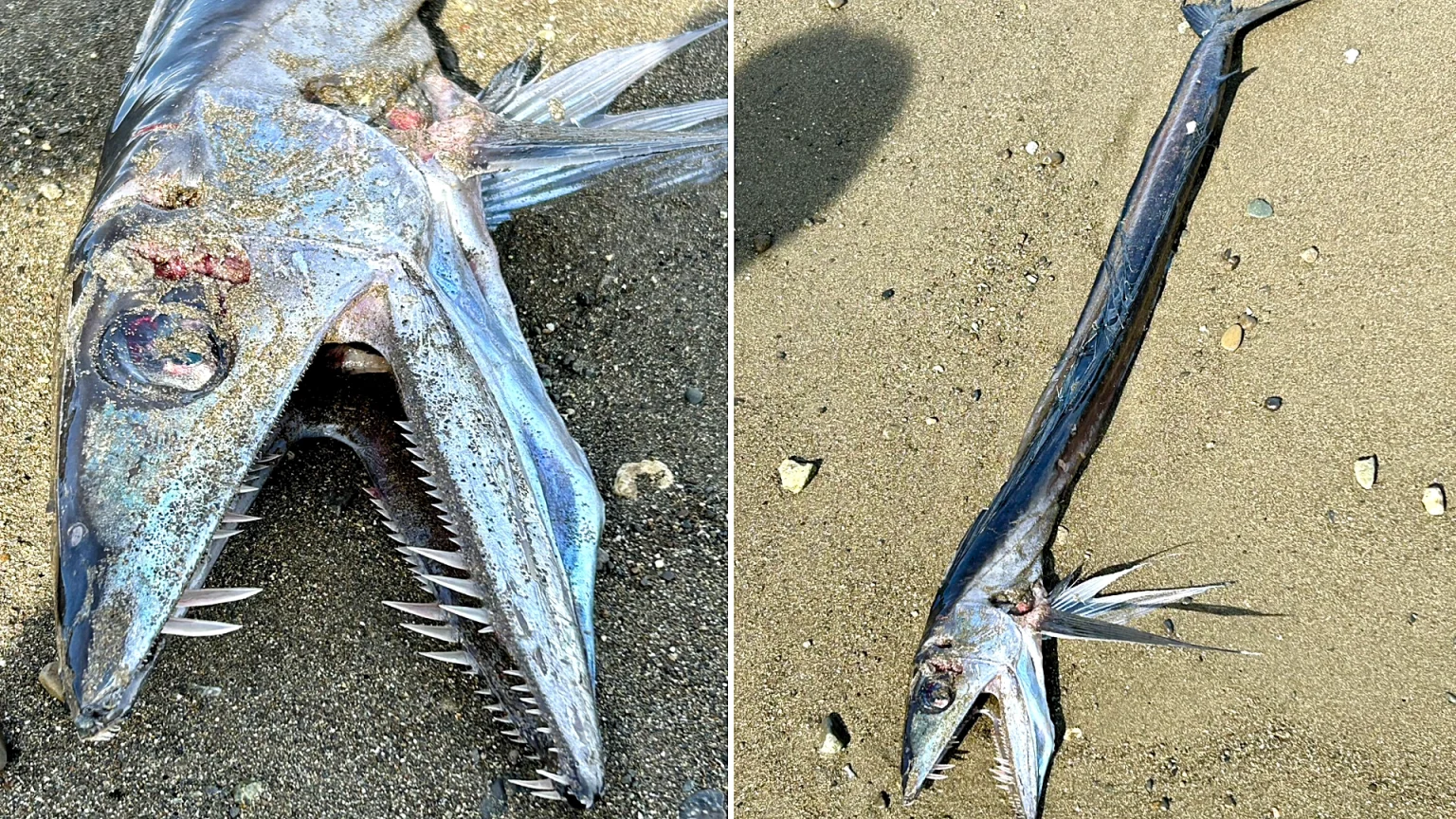

A creepy deep-sea fish armed with razor-sharp fangs has washed up on a beach, sparking fears of everything from earthquakes to sea monsters.
The bizarre creature was found alongside another unusual fish by a local resident walking along the shoreline.
After spotting the pair on the sand, the beachgoer snapped photos of the eerie discovery.
READ MORE: Puppy nearly dies after swallowing 20cm stick during game of fetch
One of the fish had a long, narrow body and an oversized head, with its jaws hanging open to reveal a terrifying set of needle-like teeth.
The second creature had a shiny silver body, large eyes, a pointed dorsal fin and a strangely upturned mouth that appeared to be grinning.
The dead fish were discovered in Shimizu Ward, Shizuoka, Japan, last month (May), as reported by Need To Know.
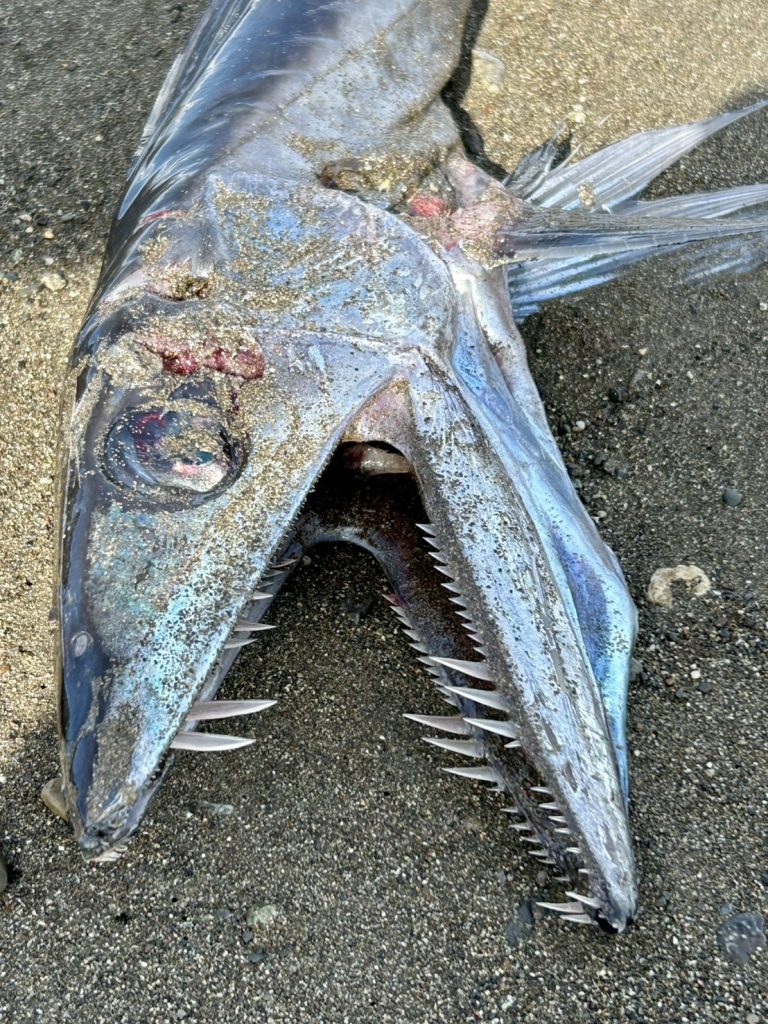
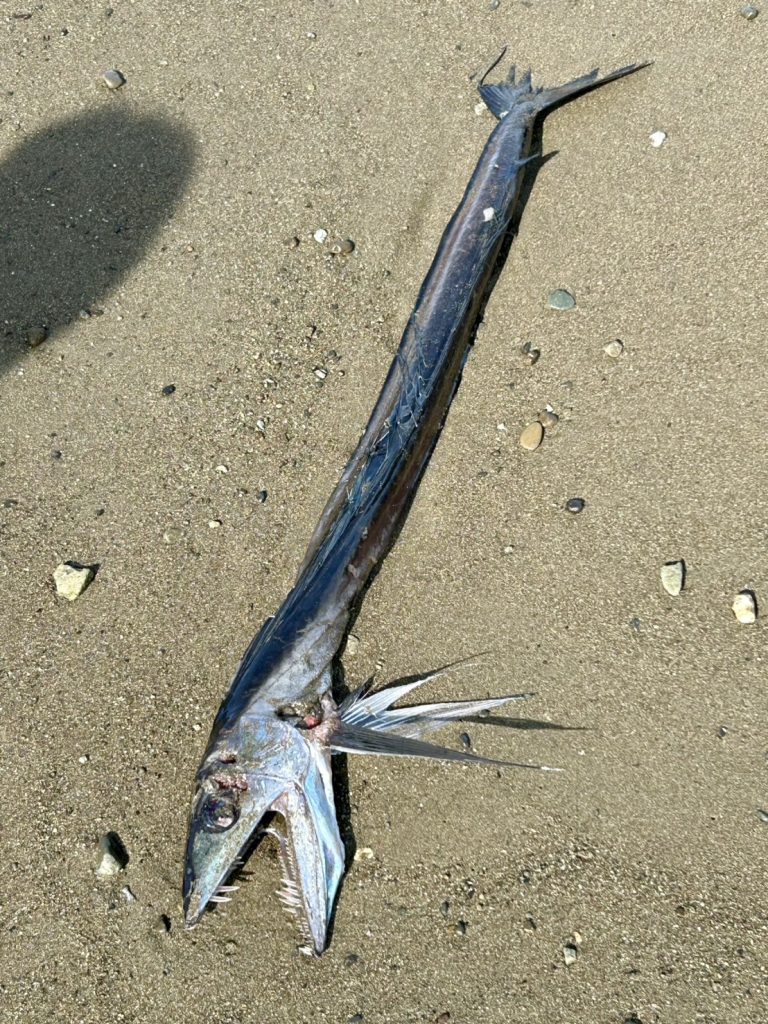
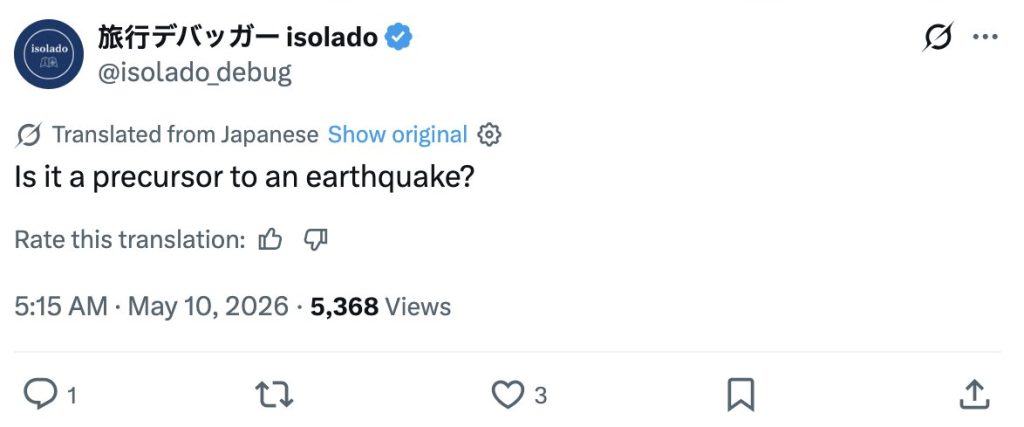
Images of the strange find quickly spread online, with some social media users wondering if the appearance of deep-sea creatures could signal an impending natural disaster.
One person asked: “Could this be a sign of an earthquake?”
Another social media user wrote: “Looks like a juvenile oarfish.”

Oarfish are rarely seen deep-sea creatures that have long been linked to earthquake folklore in Japan.
Known as the “earthquake fish”, they are said in local legend to appear in shallow waters before major tremors strike.
Japanese geologist Kiyoshi Wadatsumi has previously suggested there could be a scientific explanation for the belief, writing in 2013: “Deep-sea fish living near the seabed are more sensitive to movements of active faults than those near the surface.”
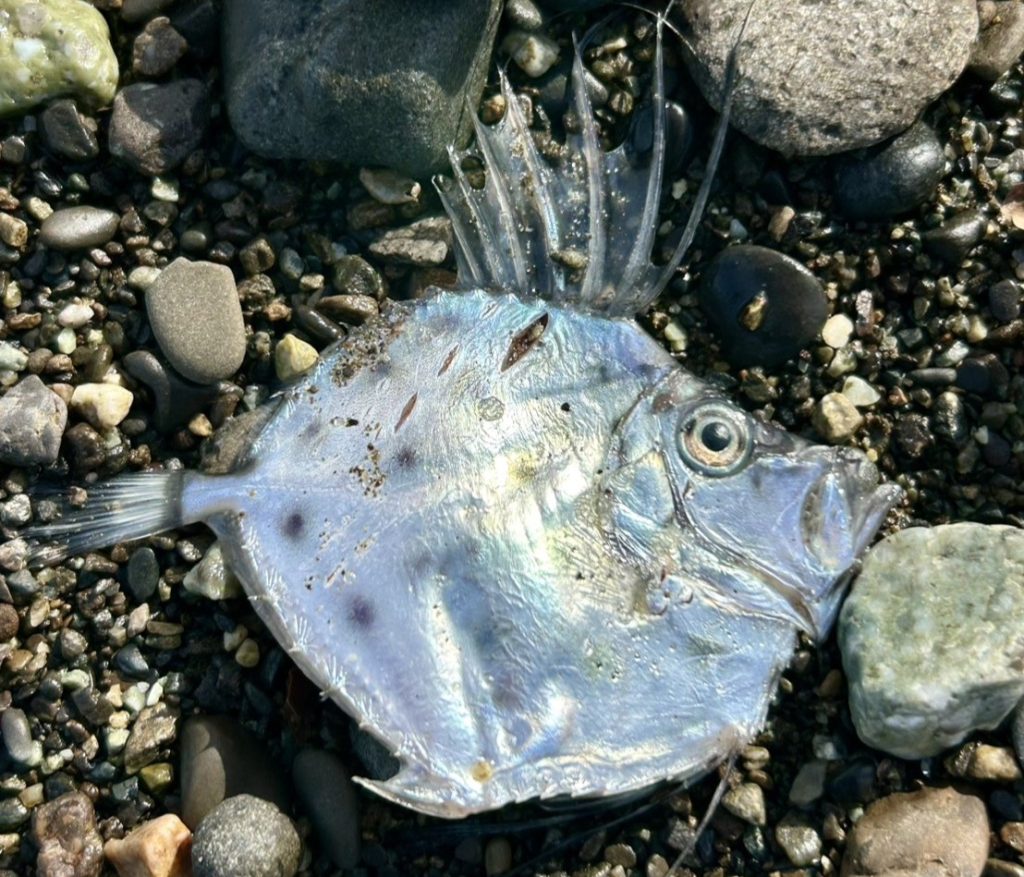
Despite the speculation, experts say neither of the fish found on the beach was an oarfish.
The larger creature, with the fearsome teeth, has been identified as a long-snouted lancetfish (Alepisaurus ferox).
Also known as the longnose lancetfish or “cannibal fish”, the species is a deep-sea predator that uses its razor-sharp teeth to catch prey in the darkness of the ocean depths.
The second fish is believed to be a mirror dory (Zenopsis nebulosa), a silver-coloured species known for its highly reflective body.
Although both species usually live hundreds of metres below the ocean surface, experts say they can occasionally move into shallower waters when ocean currents change or during feeding and migration periods.
Some may also become weakened, be swept ashore by strong waves, or end up caught in fishing nets before washing up on beaches.
READ MORE: Man caught horrifically punching and dragging rottweiler slapped with five year ban