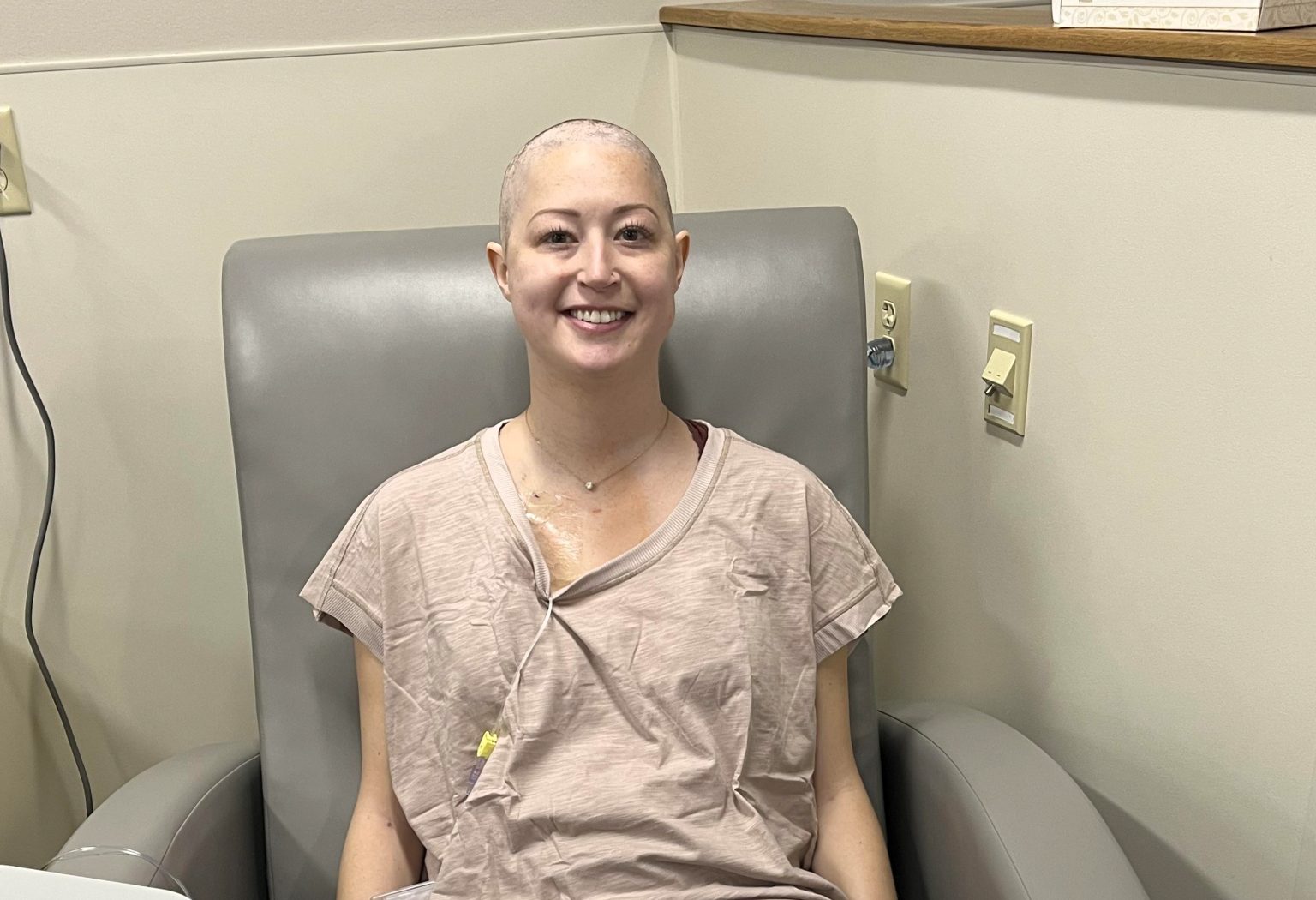

A runner who believed she was suffering from a sports injury was horrified to discover she actually had stage 4 cancer.
Clara Cirks was given the devastating diagnosis after months of unexplained health problems.
The 30-year-old first injured herself running and was told she had a herniated disc.
READ MORE: ‘My baby turned yellow and was slowly dying – then I found out I could save his life’
But a string of worsening symptoms including fatigue, vomiting, lightheadedness and fainting spells eventually revealed the truth.
She had stage 4 adenocarcinoma – an aggressive form of lung cancer.
“I was absolutely devastated,” Clara told Need To Know.

“I was okay with the cancer being in my body from the neck down but when they told me it had spread to my brain as well, it shattered me.
“I thought, this is it, I’m going to die.
“Although the herniated disc was a real injury, the severe bone and joint pain surrounding it was attributed to cancer that had spread.
“My family has been an incredible support system to lean on.
“My mom, dad, brother, as well as multiple aunts and uncles and cousins have been extremely supportive and reliable to assist me.”
As doctors initially believed Clara had a herniated disc, she was treated her with physiotherapy, chiropractic sessions and steroid injections.
But when nothing worked, further tests were carried out.
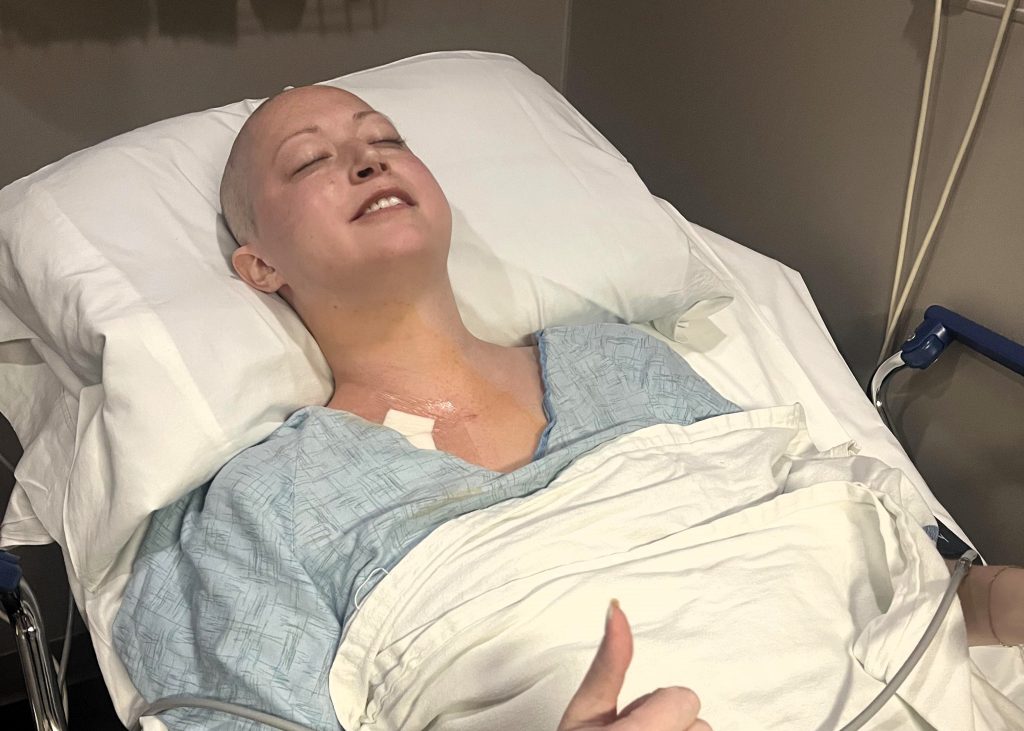
An MRI showed weakened bone marrow activity, so doctors did urgent blood tests, which showed Clara had severe anaemia – meaning her blood didn’t have enough healthy red cells to carry oxygen around her body.
The former graphic designer had also previously noticed a lump on her breast and swollen lymph nodes in her neck.
Clara dismissed it at the time, putting her symptoms down to her ongoing back issues.
But her condition took a terrifying turn when she began vomiting uncontrollably and was rushed to A&E.
Scans in January 2025 revealed the cancer had spread to multiple organs, including her breast, lymph nodes, pelvis, bones, liver and brain.
She said: “My prognosis is optimistic – given I was prior mostly healthy and because I am so young, my oncology team has faith for me to live for years to come.
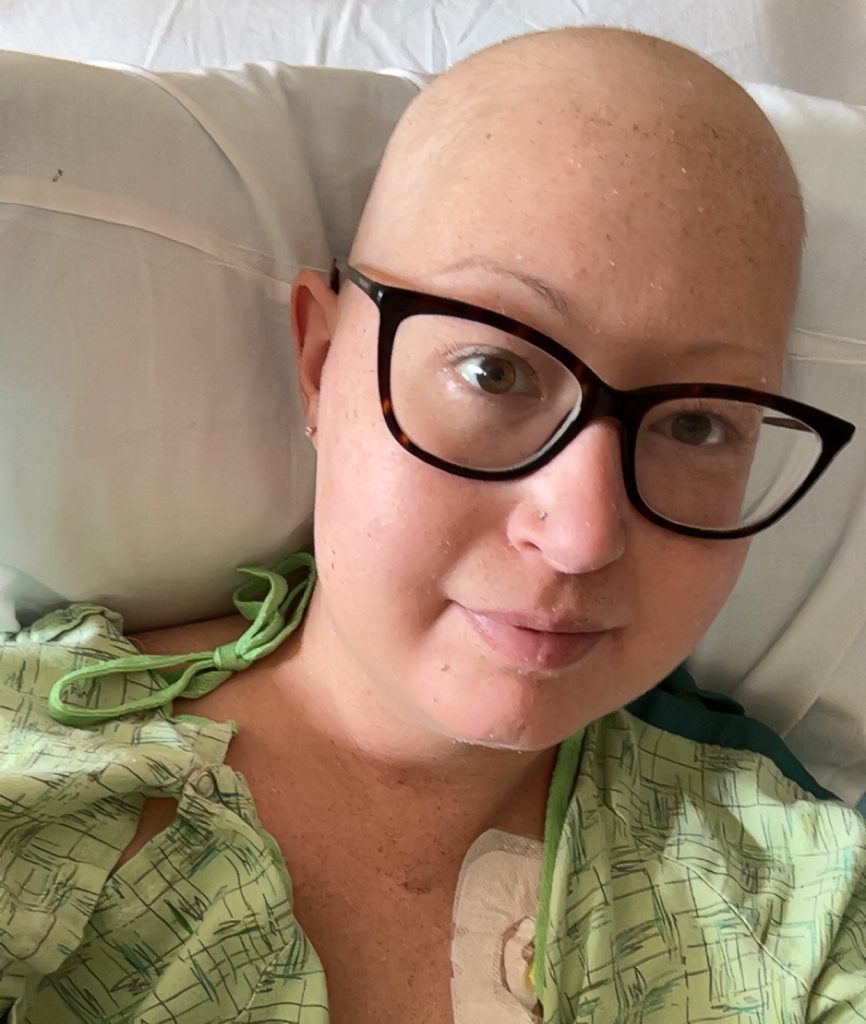
“I know that the survival rate for Stage 4 Lung Cancer is only 9% – making it past five years beyond their diagnosis – however, I plan to be a part of that 9%.”
Clara, from Dallas Center, Iowa, has endured five rounds of whole brain radiation, six cycles of chemotherapy and now faces a lifetime on immunotherapy treatment to keep the disease at bay.
But her treatment has not been without complications.
She developed life-threatening sepsis during chemotherapy, spending days in intensive care and weeks in hospital.
Despite the ordeal, Clara is determined to defy the odds.
She said: “I used to live in fear every day that it was my last.
“I was so scared of dying and felt like it was inevitable in the near future.
“However, once I saw scan results that showed treatment was working, it gave me hope and optimism I didn’t have previously.
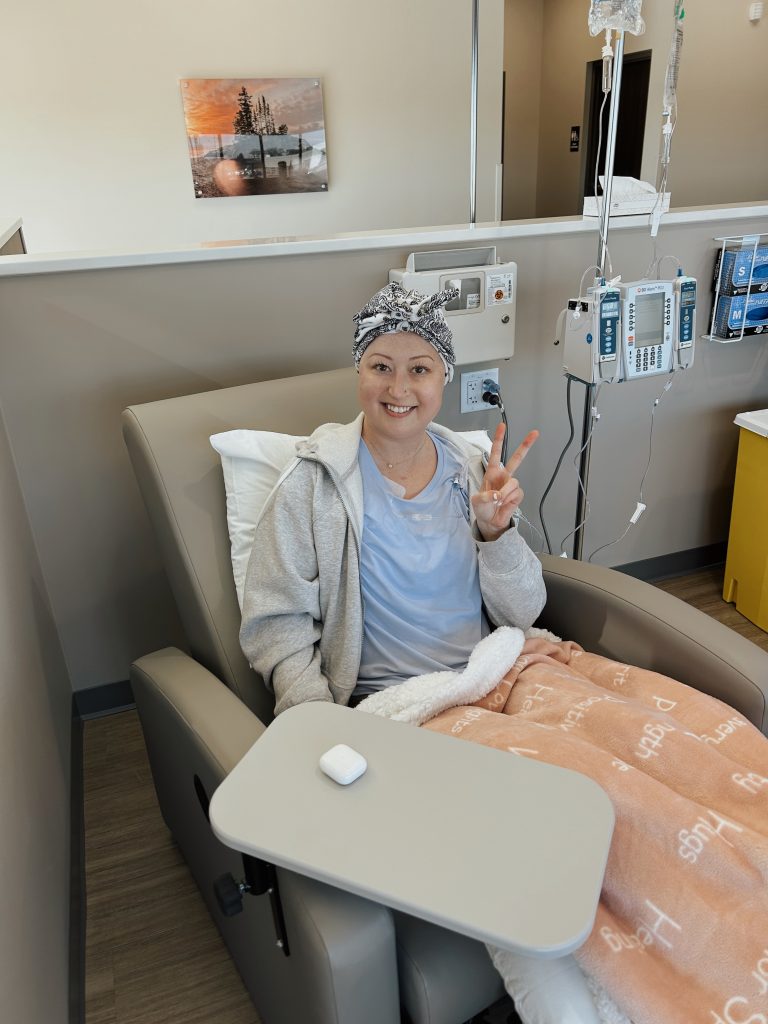
“I no longer think I’m going to die soon – I have faith I can make it to five years at least.”
Once a fitness enthusiast, Clara has been forced to swap running for gentler hobbies such as yoga and cycling while she continues her recovery.
She now lives with her dad, who helps care for her, and has found new purpose in raising awareness, hoping to use her story to advocate for early diagnosis and cancer research.
While her life has been turned upside down, Clara is looking to the future with optimism – with dreams of skydiving, beach holidays and even getting a dog.
She added: “I had so many health issues in 2024 and I wish I would’ve pieced it together more.
“I wish I would’ve seen my primary care doctor way before I finally did.
“I remember thinking how I had so many issues I wanted to address that I didn’t want to be annoying in asking all the questions.
“I’m glad I stood up for myself and advocated for addressing all the problems I had.
“I would say – you know what is normal for your body.
“So if something is off, or continues to be off, speak up.
“I was so scared of being ‘annoying’ and bringing a list of issues to discuss with my primary care provider.
“But at the end of the day, I’m glad I said something – said all of it – because it raised red flags that got the process started for diagnosing me.”