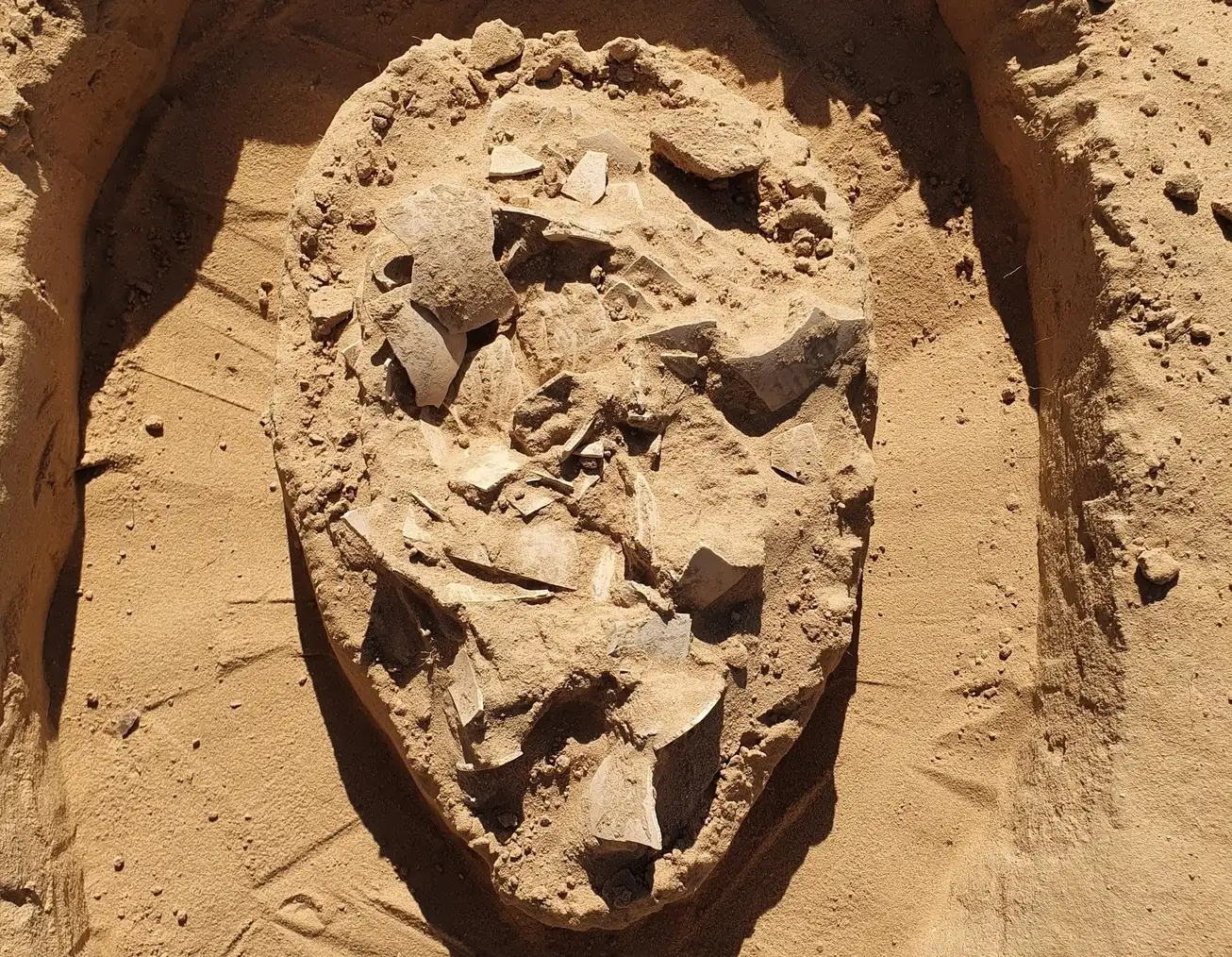

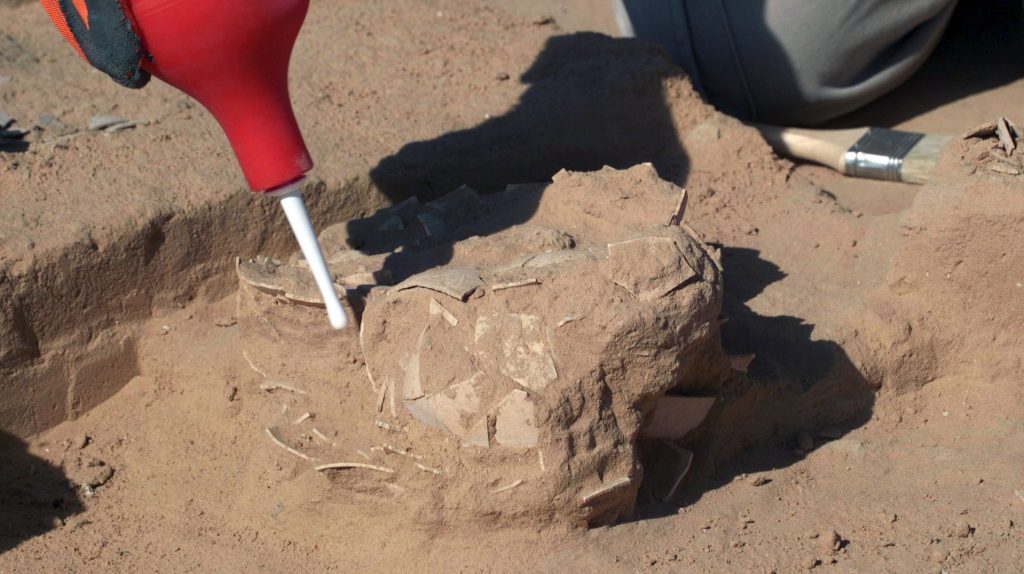
Eight ostrich eggs believed to be thousands of years old have been discovered buried beneath sand dunes near an ancient campfire.
The rare find was uncovered at a prehistoric site once used by desert nomads.
Archaeologists say the eggs date back between 4,000 and 7,500 years.
READ MORE: Brazen shoplifters stroll out of M&S with basket stuffed full of steaks
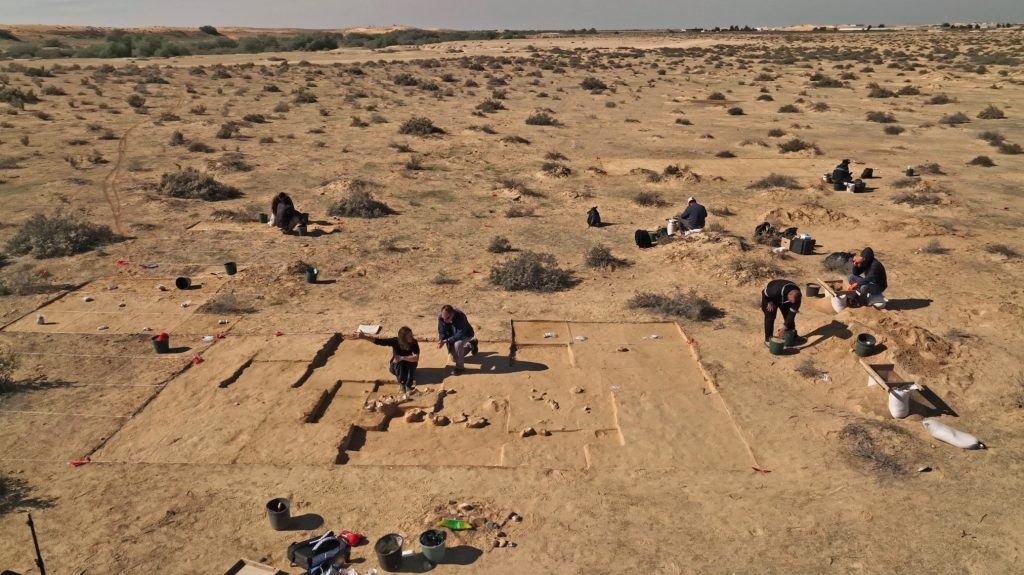
The discovery was made in the Nitzana sand dunes in the Negev region of southern Israel.
Experts from the Israel Antiquities Authority said the eggs were found close to a fire pit, suggesting they were deliberately collected and used as food.
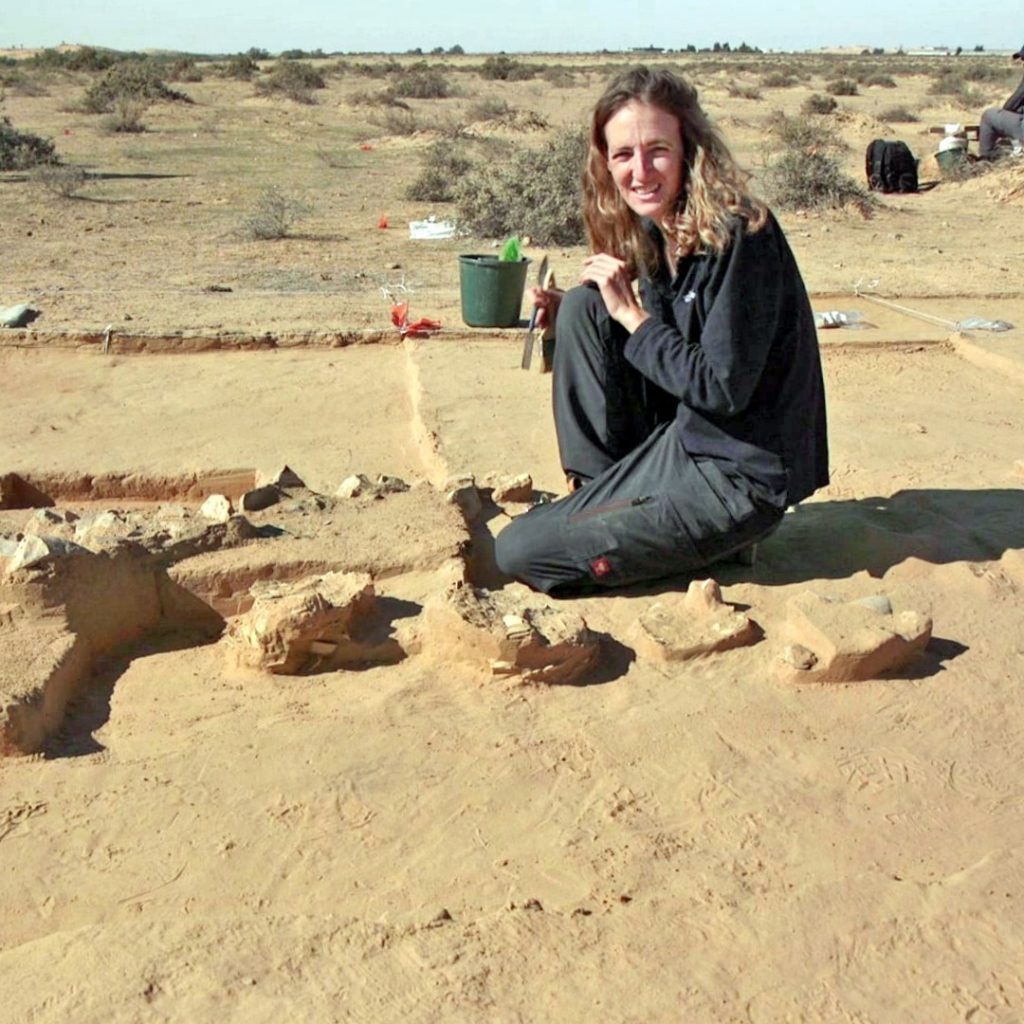
Excavation director Lauren Davis said: “We found a camp site that was used by desert nomads since prehistoric times.

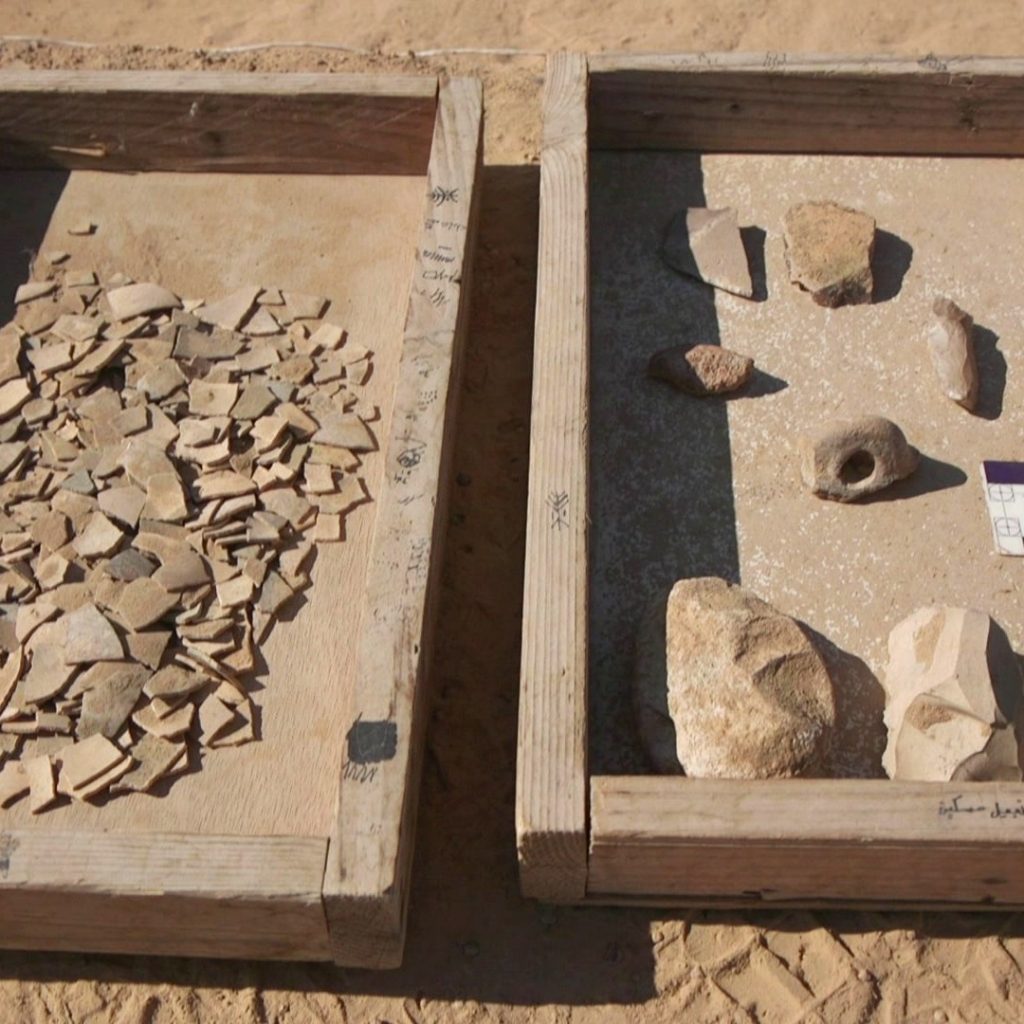
“At the site we found burnt stones, flint and stone tools as well as pottery sherds, but the truly special find is this collection of ostrich eggs.
“The proximity of the eggs to the fire pit indicates that this is not a natural chance find but the intentional collecting of the eggs.
“One of the eggs was found directly in the fire pit, strengthening the understanding that they were used as food here.”
The eggs were discovered in agricultural fields near Be’er Milka during excavations carried out ahead of land development.
Despite being crushed, they were found to be well-preserved.
Davis said shifting sand dunes helped protect the site over thousands of years.
She said: “These camp sites were quickly covered over by the dunes and were re-exposed with the sand movement over hundreds and thousands of years.
“This fact explains the exceptional preservation of the eggs, allowing us a glimpse into the lives of the nomads who roamed the desert in ancient times.”
Ostriches were once common in the region but became extinct in the wild in the 19th century.
Dr Amir Gorzalczany, of the Israel Antiquities Authority, said: “We find ostrich eggs in archaeological sites in funerary contexts, and as luxury items and water-canteens.
“Naturally, they were used as a source of food: one ostrich egg has the nutritional value of about 25 normal chicken eggs.
“It is interesting that whilst ostrich eggs are not uncommon in excavations, the bones of the large bird are not found.
“This may indicate that in the ancient world, people avoided tackling the ostrich and were content with collecting their eggs.”
Researchers say further scientific analysis will now be carried out to determine the exact age and use of the eggs.
READ MORE: Speeding car explodes into flames after hitting bollard just feet from biker taking a wee