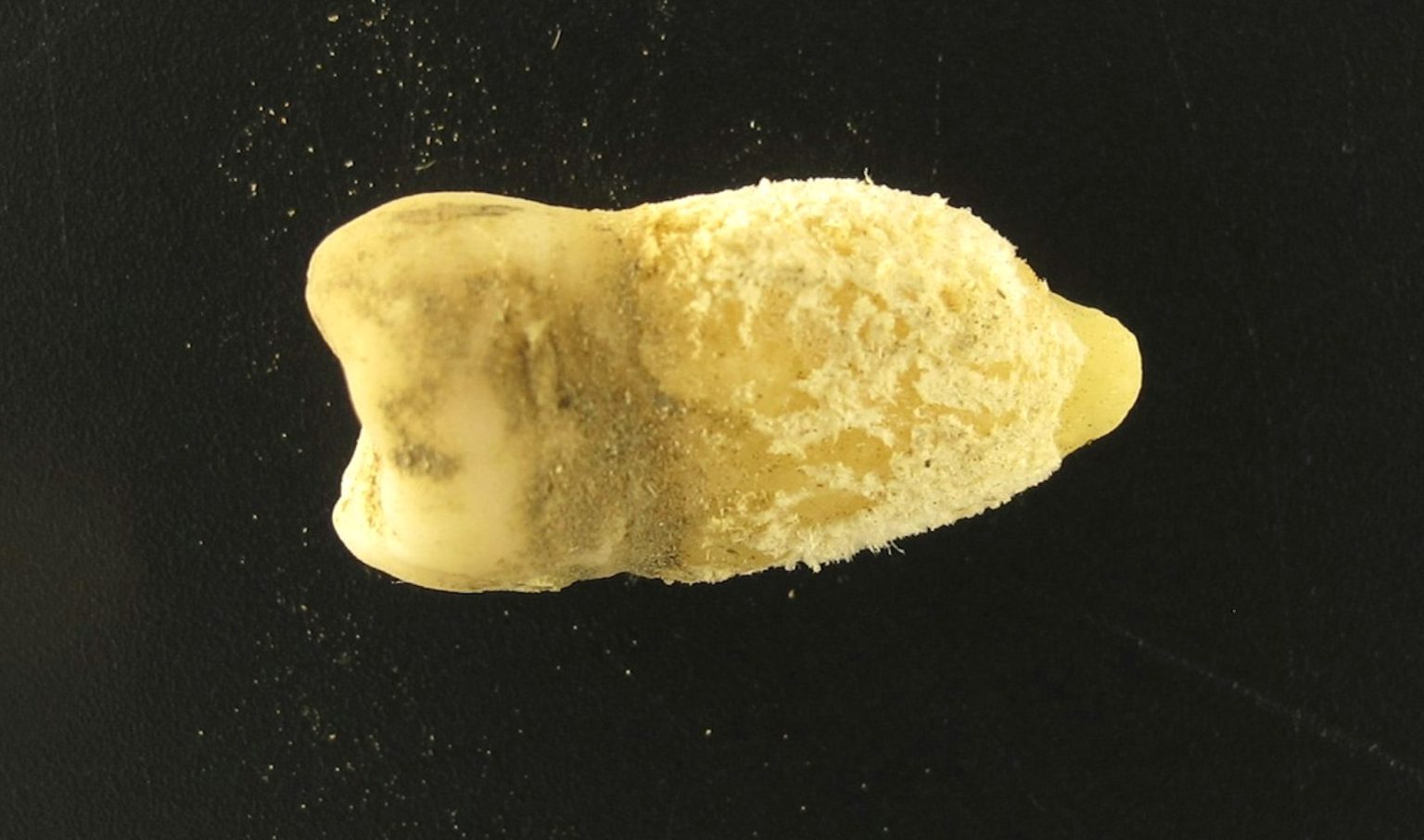

Scientists have uncovered the genetic remains of a deadly strep infection inside a 700-year-old human tooth – revealing the bacteria was infecting people centuries earlier than believed.
Researchers managed to reconstruct a near-complete ancient genome of Streptococcus pyogenes – the bug behind illnesses including strep throat, scarlet fever and even life-threatening toxic shock syndrome.
The breakthrough came after experts analysed a naturally mummified skull and extracted preserved microbial DNA from a tooth, as reported by Need To Know.
READ MORE: Eleven injured after fairground ride drops without warning in horror plunge
Using cutting-edge techniques, they rebuilt the ancient bacterial sequence from tiny fragments, creating a detailed snapshot of a medieval infection.
The remains are believed to belong to a young man of indigenous origin who lived between 1283 and 1383 AD.
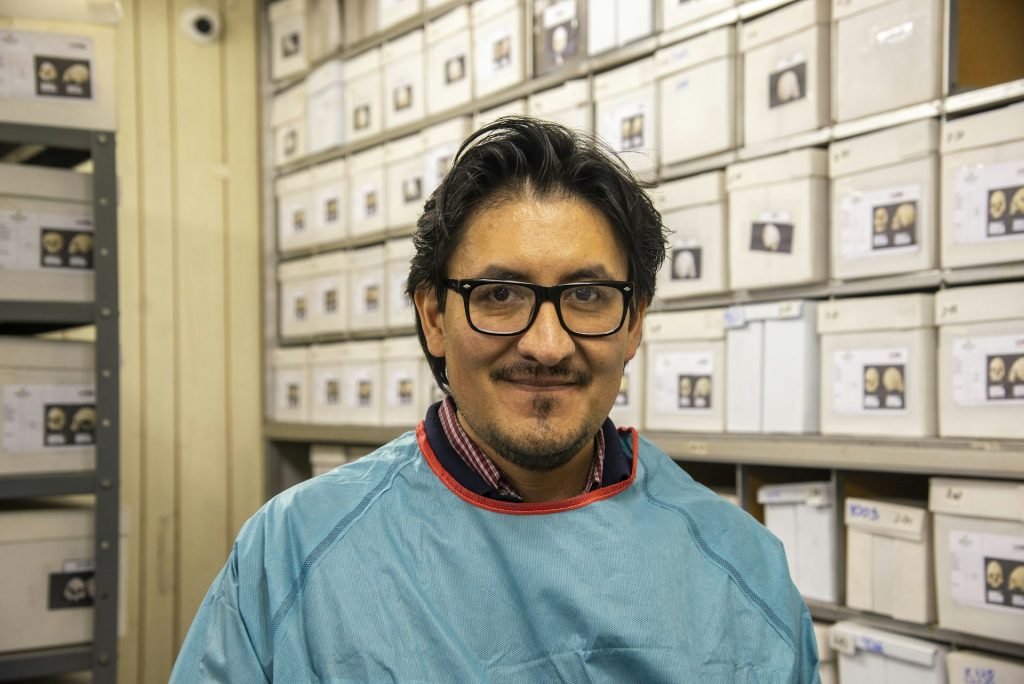
The skull is kept at MUNARQ, where scientists carried out the analysis as part of a wider study into ancient diseases.
Researchers were not even looking for strep when they made the discovery.
Frank Maixner, director at the Institute for Mummy Studies at Eurac Research, said the team routinely studies both human and microbial DNA in ancient remains.
But when they spotted large amounts of Streptococcus pyogenes in the tooth, they decided to investigate further.
Because the bacteria still causes widespread illness today, including scarlet fever outbreaks, scientists worked to reconstruct its genome in detail.

Using a technique known as de novo assembly – often compared to solving a puzzle without knowing the final picture – they were able to rebuild the ancient DNA without relying on modern references.
This allowed them to identify genetic traits that may no longer exist in today’s strains.
The findings showed the medieval strep strain was already capable of causing disease, carrying many of the same harmful genes seen in modern infections.
Experts say it appears closely related to strains responsible for today’s strep throat cases.
Further analysis of ancient DNA from around the world uncovered even older traces of the bacteria in human remains from Europe dating back roughly 4,000 years.

Scientists believe the rise of settled communities around 5,000 years ago may have helped the infection spread more easily between people.
The study, published in Nature Communications, sheds new light on the long history of strep and how it has evolved alongside humans.
Researchers say the findings could help improve understanding of modern infections and how they may continue to change in the future.
READ MORE: Two dead and six injured as gunmen storm bar in horror attack