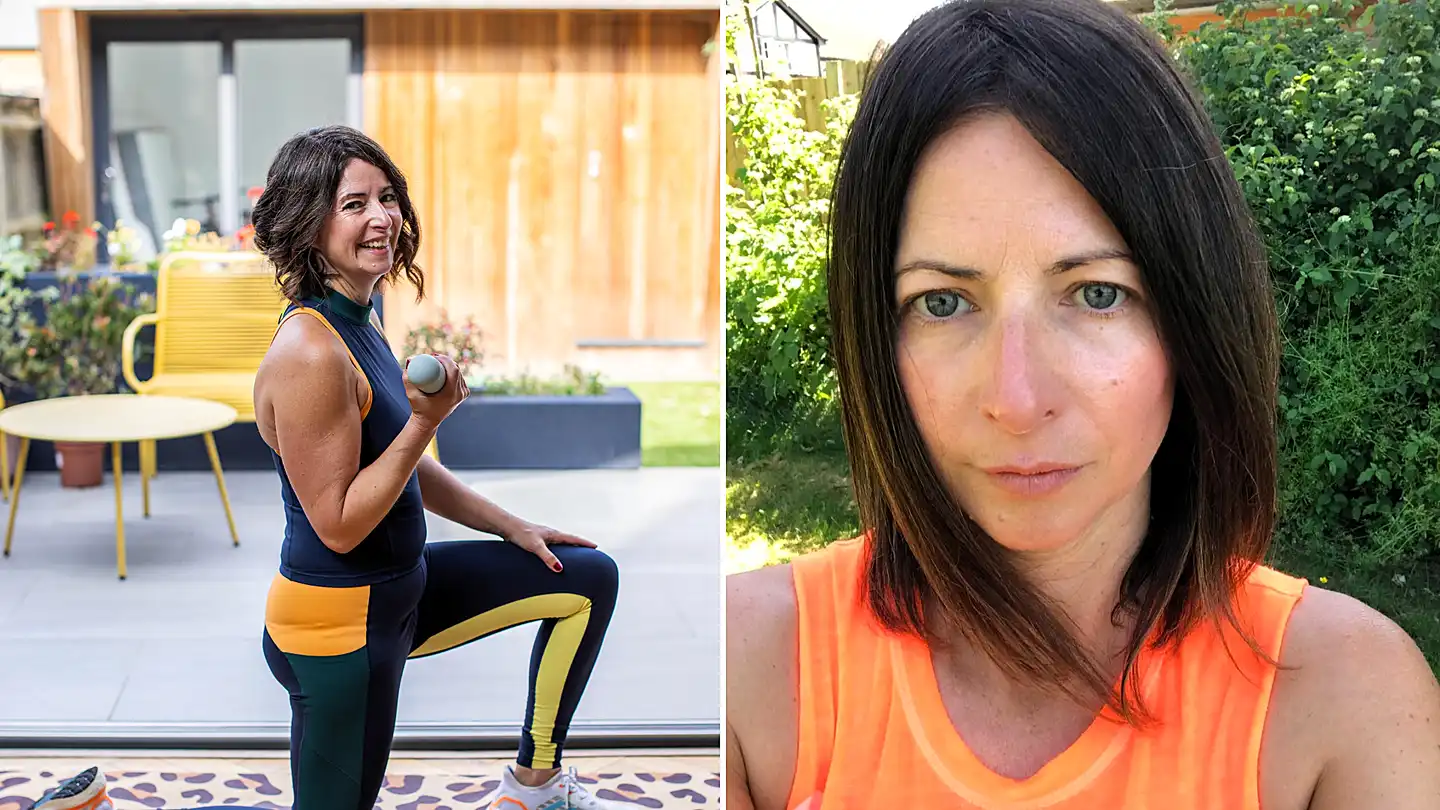

A mum says menopause left her drenched in sweat, forgetting words mid-sentence and forced her to cut her hours down to 90 minutes.
Emma McCaffrey began suffering night sweats, memory lapses, vertigo and sudden hot flushes in her early forties, leaving her convinced something was seriously wrong.
The 48-year-old’s symptoms became so overwhelming that she cut her hours as an online personal trainer from 15 hours a week to 90 minutes.
READ MORE: ‘I was dead for 14 mints after electric surge strong enough to power a FACTORY burned half my body’
“I got really intense night sweats and I thought it was cancer,” Emma, from Winchester, Hampshire, told Need To Know.
“It was very unnerving.
“Then it was brain fog, forgetfulness, brain fog, vertigo and rage moments where I had less tolerance.
“My joints ached from the lack of estrogen and I thought it was because I was doing too many squats.
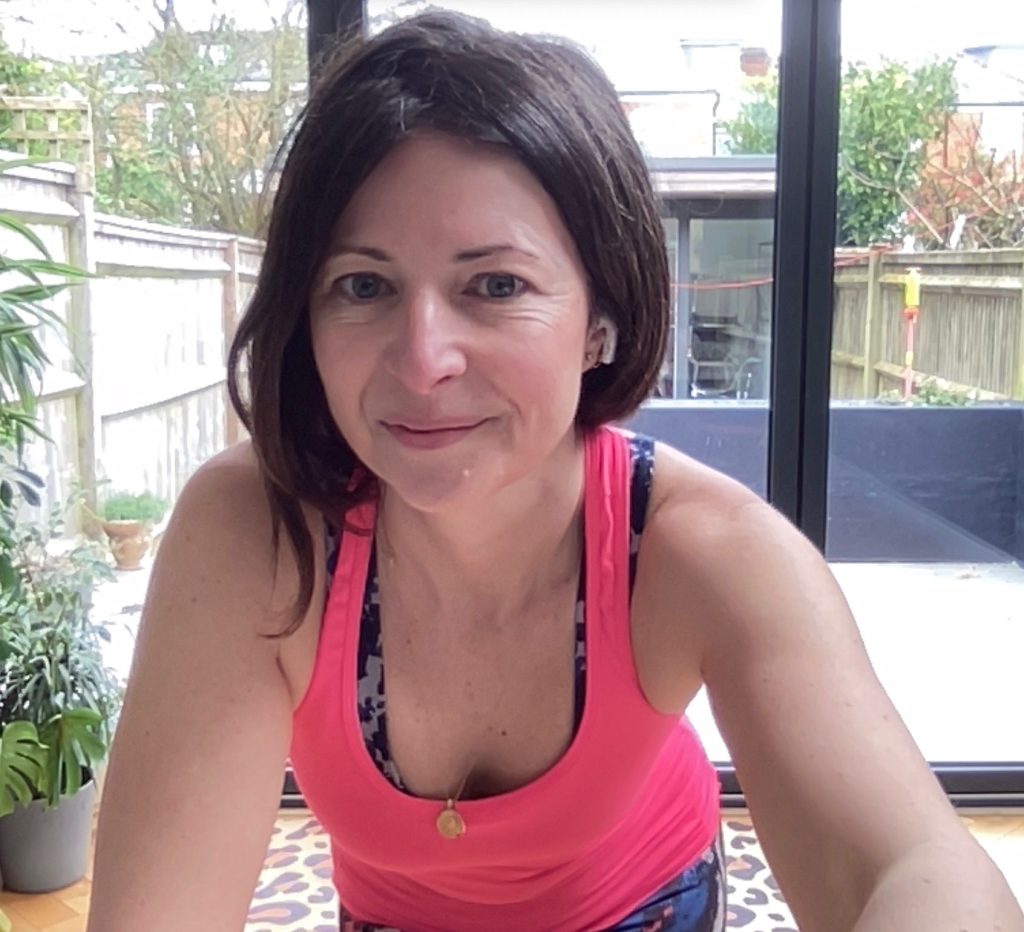
“I became aware it was affecting my work when I got forgetful and mid sentence, I would know exactly what i was going to say then I’d forget what i was saying and for the life of me I couldn’t remember.
“Teaching is like a performance so you need to be on it.
“You’re stood in front of people and you’re the expert then you forget what you’re saying,
“It was frustrating and stressful, I get hot flushes and my skin goes really red and that’s not a nice feeling.
“I’m comfortable in my own skin but for someone who is anxious it must be even worse.
“Aching joints affected my confidence because I thought I was doing things wrong.”
Eventually, the exhaustion forced her to dramatically reduce her workload.
Emma said: “I’ve already got so much to remember, have the kids got everything? Is it World Book Day?
“I’ve got my own business.
“The mental load is huge anyway and then you lost it and drop balls because of the lack of estrogen.
“I’ve had to reduce my hours from 15 hours to 90 minutes.
“I get tired and it was too much.
“I definitely do what I do because of my life stage and I want to make other women feel better at this stage in life and I believe movement is key to that.
“I want flexibility and I don’t want to be pushing myself.
“I don’t want to be thinking ‘why am I doing this?’.
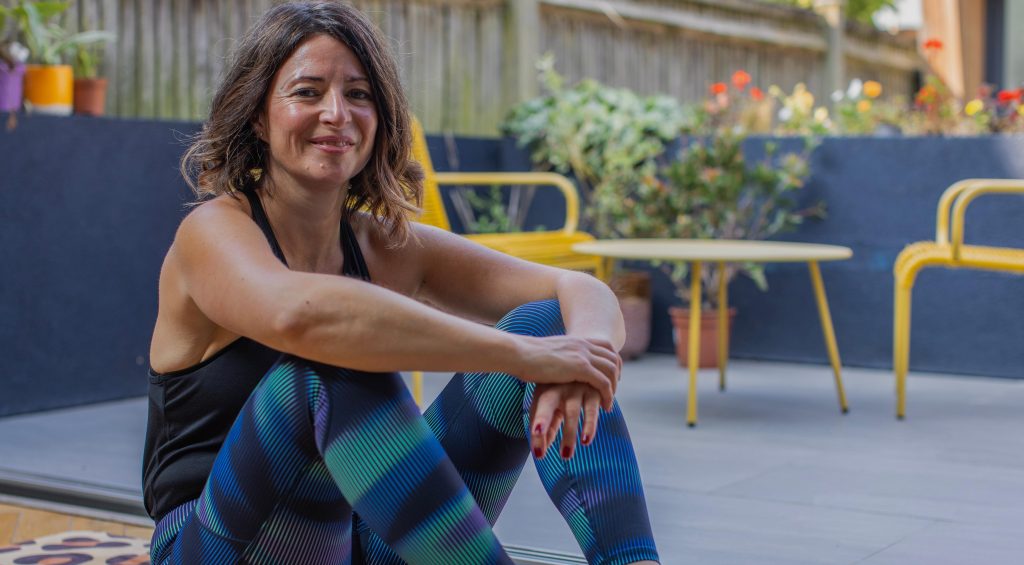
“I want to be looking after myself and nourishing myself, I want to do things on my terms and to suit how I’m feeling.
“It’s not about pushing yourself, it’s about turning up.
“You have to listen to your body if your estrogen is really low one day.”
Despite moments where she felt she “couldn’t manage” her symptoms, Emma made a conscious decision not to hide what she was going through from her clients.
Emma said: “It’s so important to talk about.
“There are so many symptoms but still so many women dont know that menopause is having an impact on them.
“Women aren’t tying the symptoms together.
“It’s confusing because you get loads of confidence in your forties and don’t care what people think then we lose estrogen.”
Emma is now on HRT to help manage her symptoms.
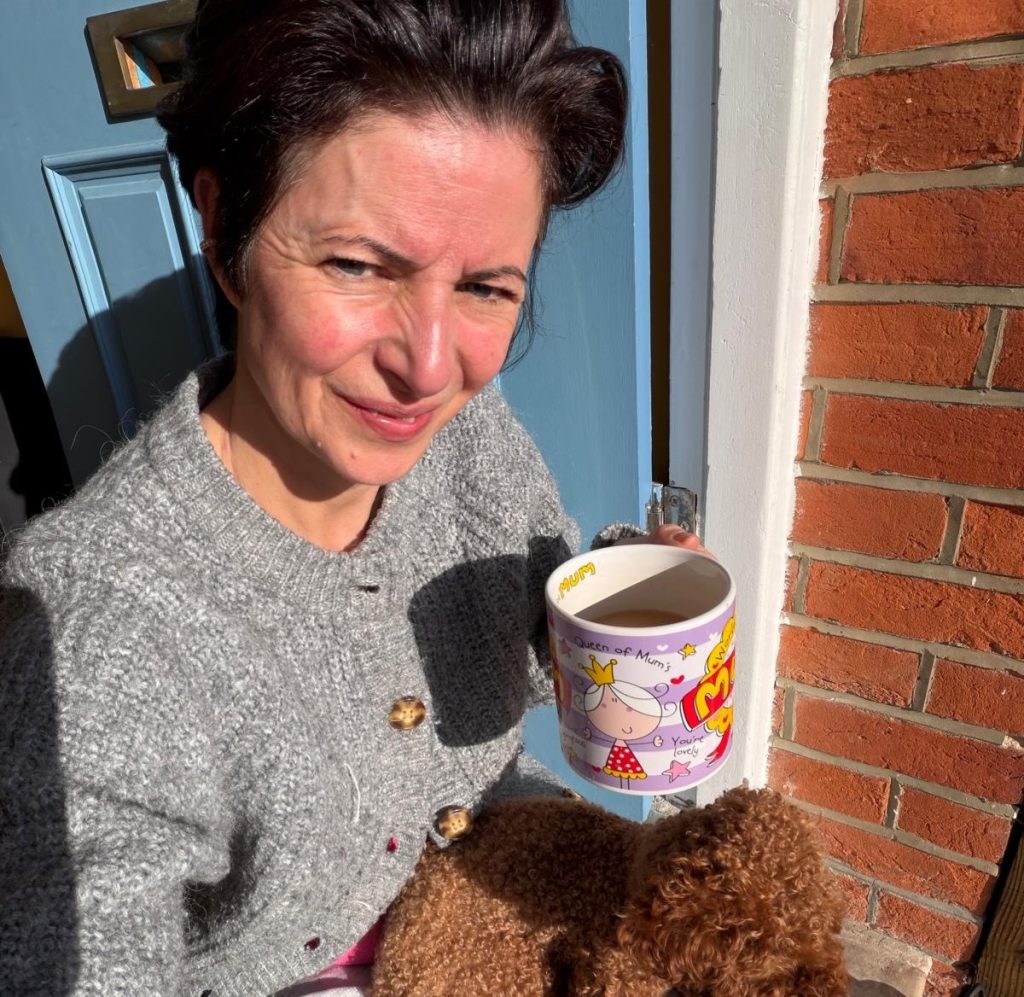
She believes employers also need to better understand what menopausal women are experiencing.
Emma, who owns online fitness platform Move With Emma, added: “I think employers should be understanding, women are the ones who go through it but what about the people around them, sons, fathers and brothers.
“It’s important to educate the workplace and it’s important not to patronise.
“Some people sail through menopause and different people need different things.
“People should be able to feel like they can be honest about what they’re feeling.
“Employers should ask people what they need, check in to see if they’re ok and make sure they feel like they can talk about what they’re feeling.
“The workplace and the economy are losing talent if women are alienated.
“Women in their forties, fifties, sixties have so much to give.
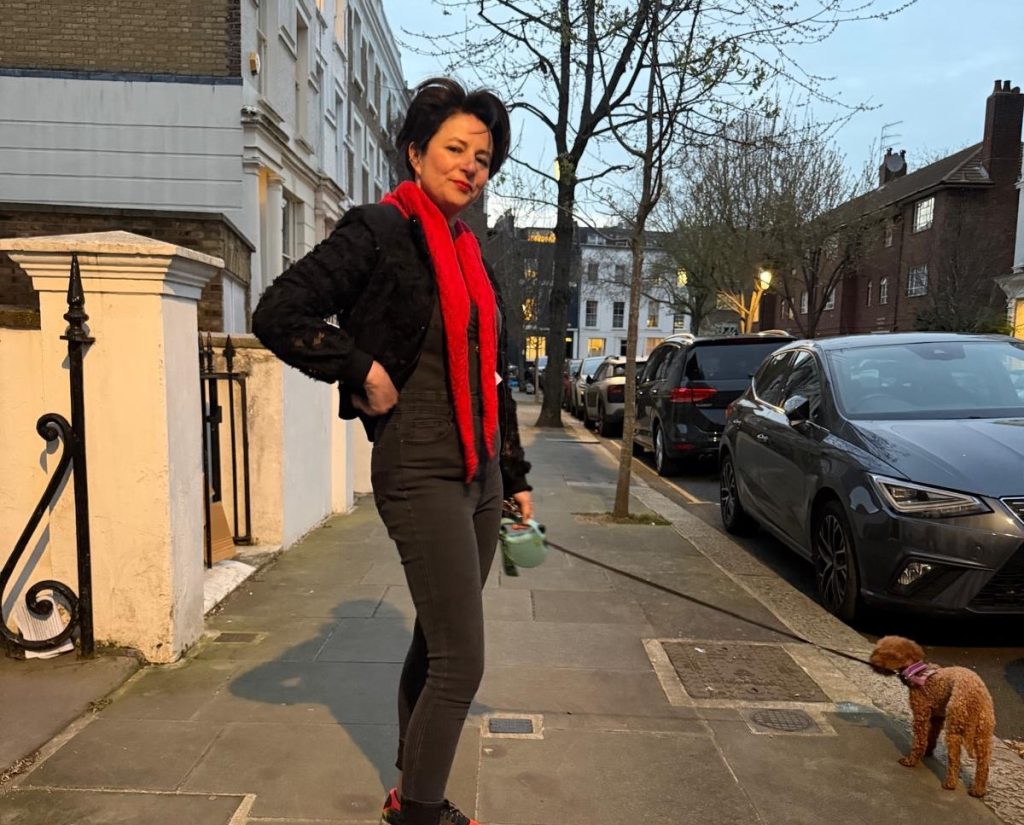
“Women in midlife have so much learned and lived experience, you don’t want it walking out of the workplace.
“Menopause is half of the population’s experience.
“I encourage women to inform themselves, track what their body is going through, take a friend on a partner to the doctors for support, write down the questions they want to ask and have an idea of what they want.
“Why should we suffer?
“We’re managing so much as it is and dealing with so much at once.
“It’s about the quality of every day and being able to enjoy those little moments.”