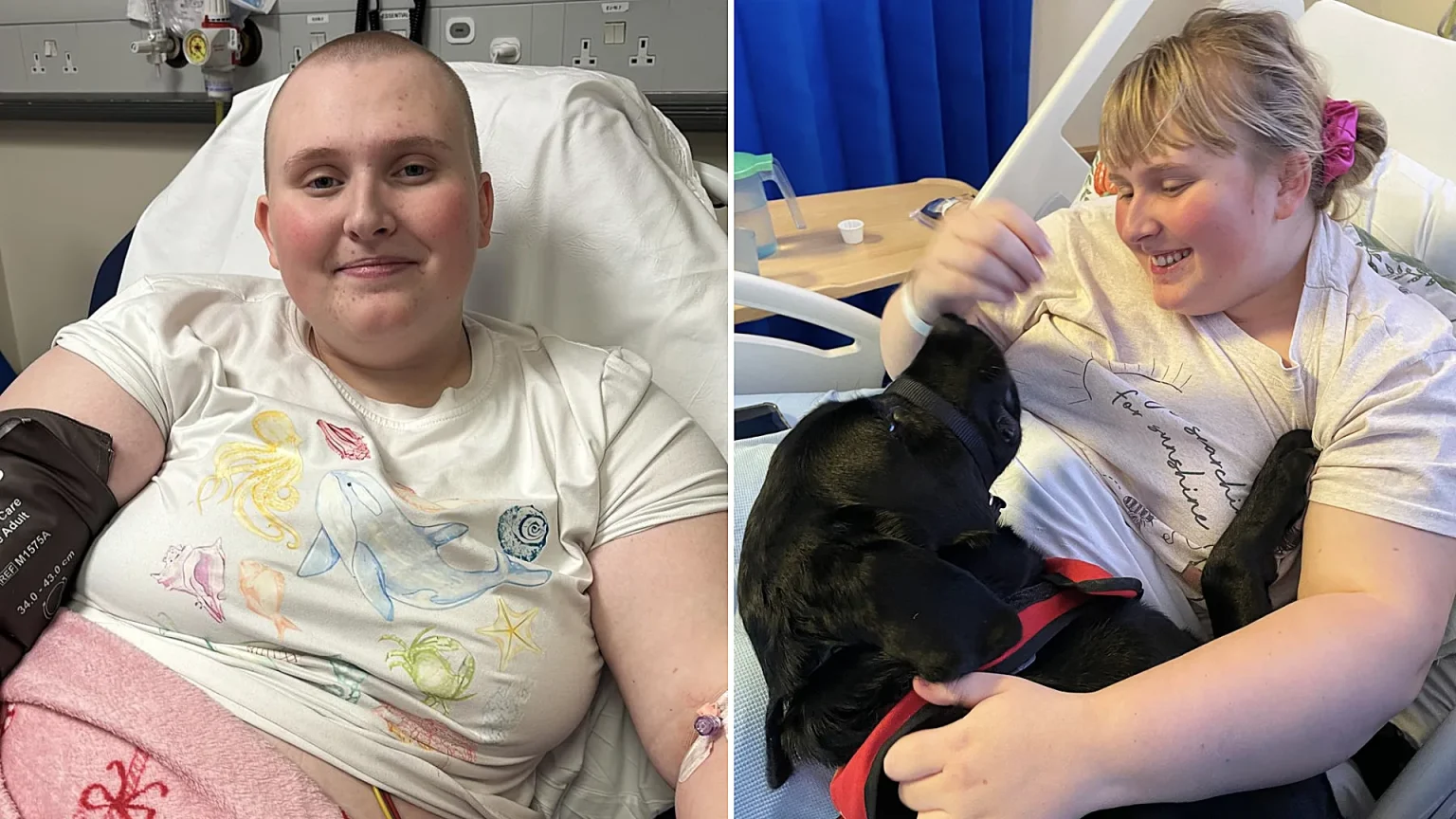

A British student has revealed how she can only eat 25 foods without risking death as her body keeps developing new allergies – but there’s one thing keeping her alive.
As Kate Hegan tucked into a bowl of fresh strawberries, coupled with chocolate hazelnut spread, she was in for a treat.
Despite being mildly allergic to some fruits, she had carried an EpiPen – an adrenaline shot – with her at all times.
And she wouldn’t be here today without it, as, after the first bite, her body went into anaphylaxis; a severe and life-threatening allergic reaction.
Shaken from the ordeal, Kate became wary over each meal she ate and now, the 22-year-old spends each day worrying it’ll be her last as her body keeps developing new allergies.
And it’s due to an extremely rare condition that affects just 17% of the population, according to the National Institutes of Health.
“Currently, I can only eat around 25 foods without my life being on the line,” the teaching student, from Somerset, told Need To Know.
“And it’s not just food that my body reacts to; it’s even my own hormones, bodily processes, smells and temperature changes.
“Now, it’s our sofa.
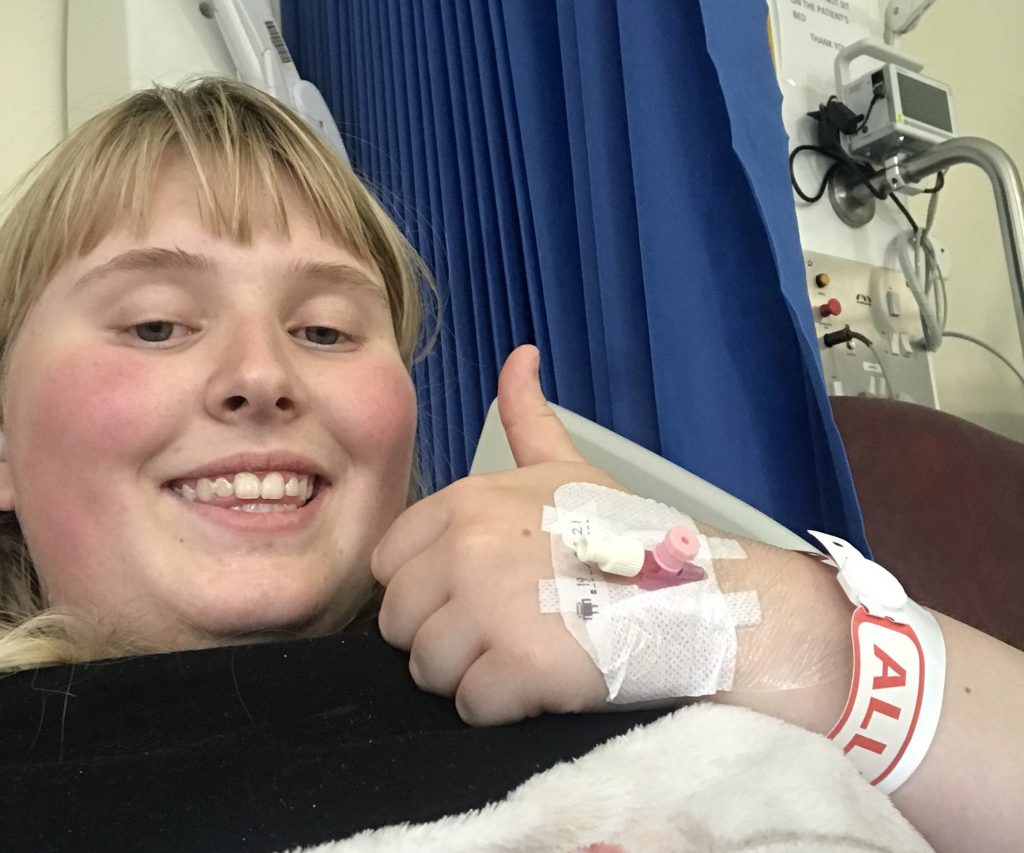
“It’s absolutely terrifying, as when I go into anaphylaxis, I’ve got minutes before I’m dead.
“I’m trying to live as normally as possible, with caution, but with every meal, everything I do, I’m so scared.
“I’ve had to openly have conversations with my parents about what to do when I die.
“At my age, I shouldn’t have to be doing that.
“Despite that, and it’s weird to say, but the whole thing has just become so normal to me.
“Spending each day worrying it might be my last isn’t so bizarre anymore.”
Kate was diagnosed with mast cell activation syndrome (MCAS) just shy of her 18th birthday in 2022.
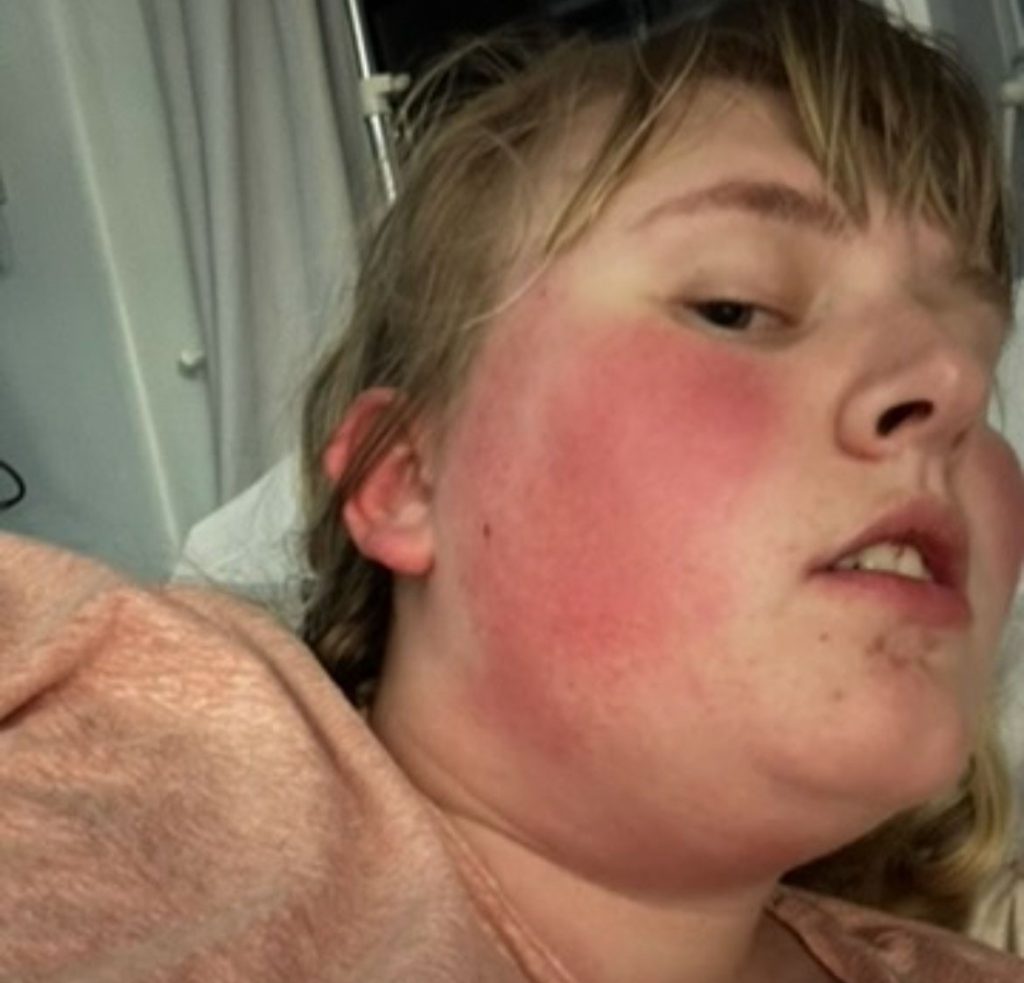
The warning signs of a – potentially life-threatening – reaction include facial flushing, gastro issues, extreme fatigue, brain fog, rashes, sore skin, swelling of the eyes and wheezing.
She currently takes 15 medications a day to help reduce the severity of these attacks, as well as forking out £1,000-per-month for antibody injections since this isn’t covered on the NHS where she lives.
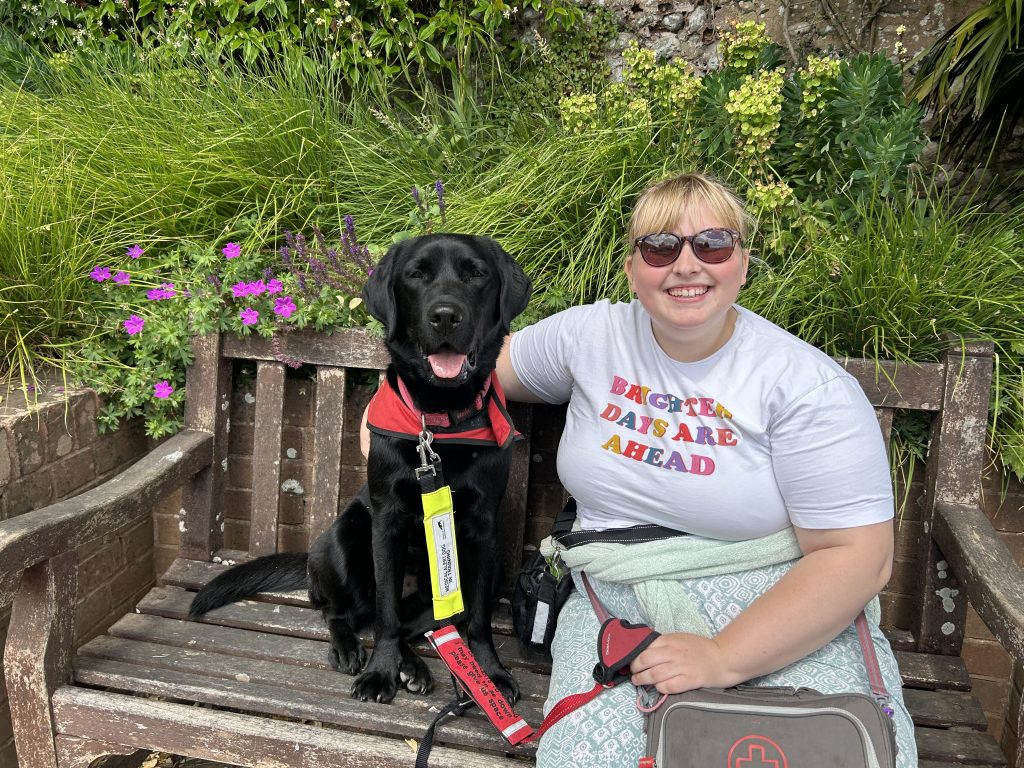
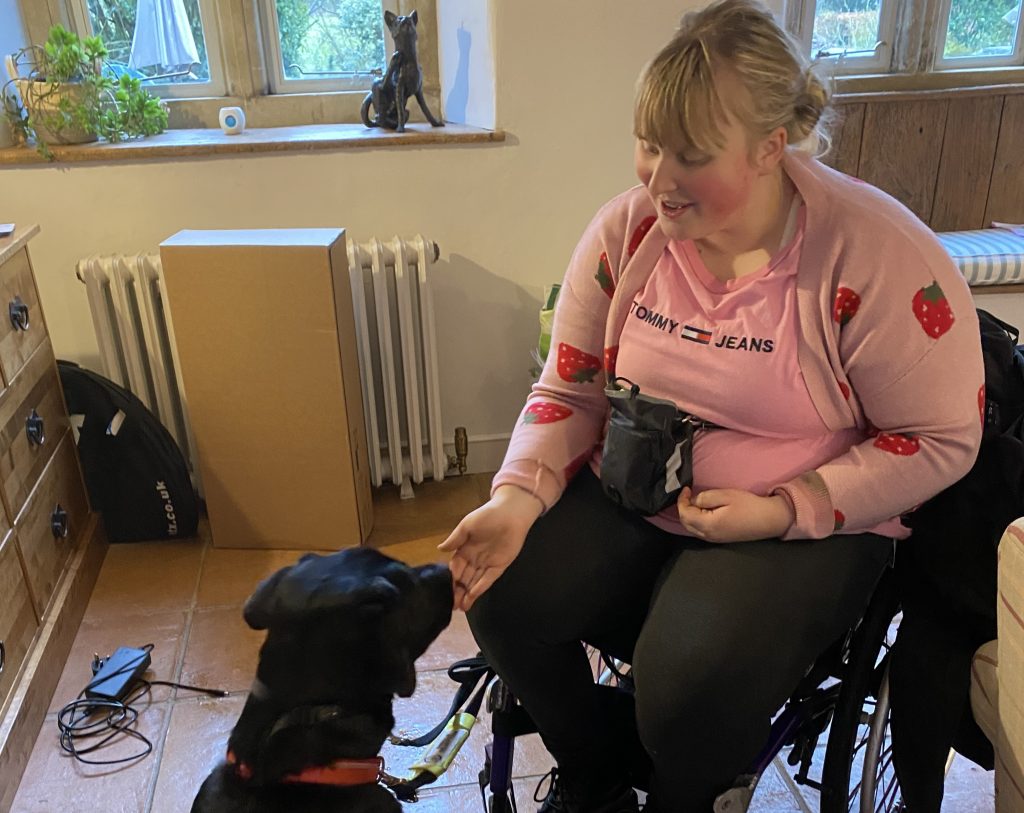
But her biggest saving grace? Her dog, Kenny.
She said: “He paces up and down, does all the tricks he knows and just becomes very restless.
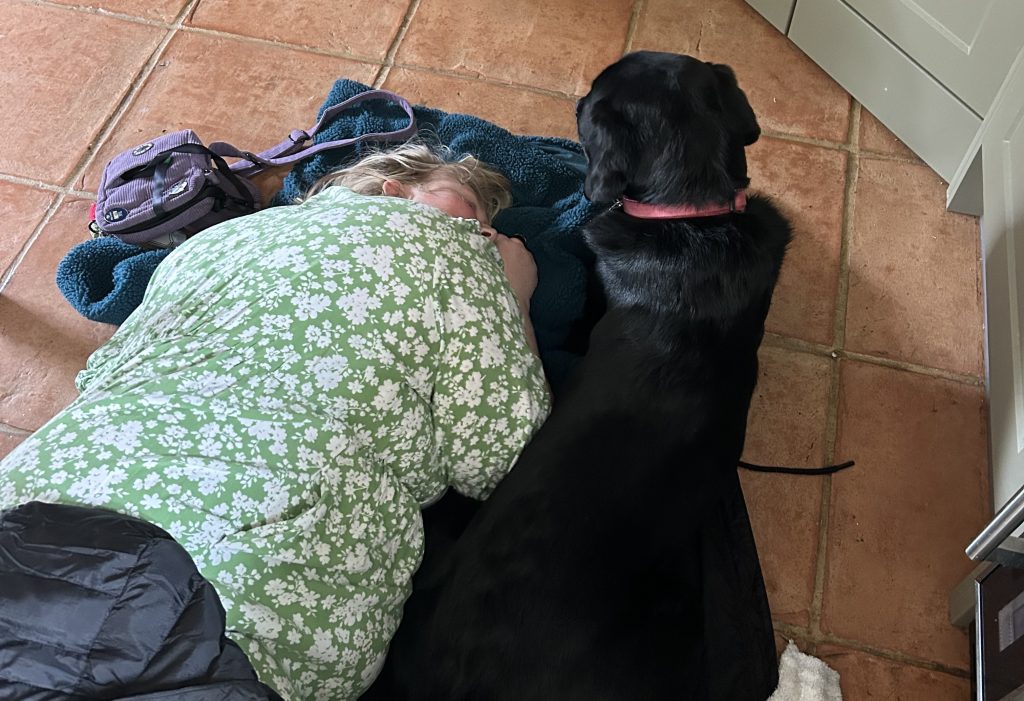
“Kenny will talk to me and if he’s really concerned, will let out a bark.
“He won’t take any touching, toys, treats or anything else while alerting.
“He really means business – especially when a reaction turns to anaphylaxis – and will give me a 10-minute warning so I can prepare.
“I get a proper Paddington-style stare from him.”
Kenny, a four-year-old black Labrador, was given to Kate via the charity Medical Detection Dogs.
Each pooch on their roster has been trained to a certain standard to become a certified alert dog for particular conditions – and help to prevent life-threatening situations, such as in Kate’s case.
But Kenny wasn’t actually given to her for MCAS; it was for a different condition entirely, which has plagued the student’s life since she was a teenager.
She said: “I had a lot of issues growing up.
“I used to have a squint and only had 50 percent of my hearing, which I later had surgery to fix.
“On top of that, I had no bladder control and I bruised very easily from head to toe.
“Then, the reflex anoxic seizures started.
“For up to two minutes, my heart would completely stop – and once, I had 24 in one day.”
It all worsened aged 13, when she passed out at school during a PE lesson.
After visiting the doctors, it was put down to puberty.
But after she began passing out daily, with a few occurrences landing her in hospital, a second opinion was sought out.
She said: “No one could find the problem.
“My mum stayed up Googling my symptoms for hours and began to connect the dots.
“After I fell down a flight of stairs and gave myself a concussion, along with a broken wrist, it was only a matter of time before I would have accidentally killed myself.
“I passed out in science once and hit my head on the desk behind me.
“I had to wear protective headgear as I was already suffering with memory issues, vision loss and speech problems.
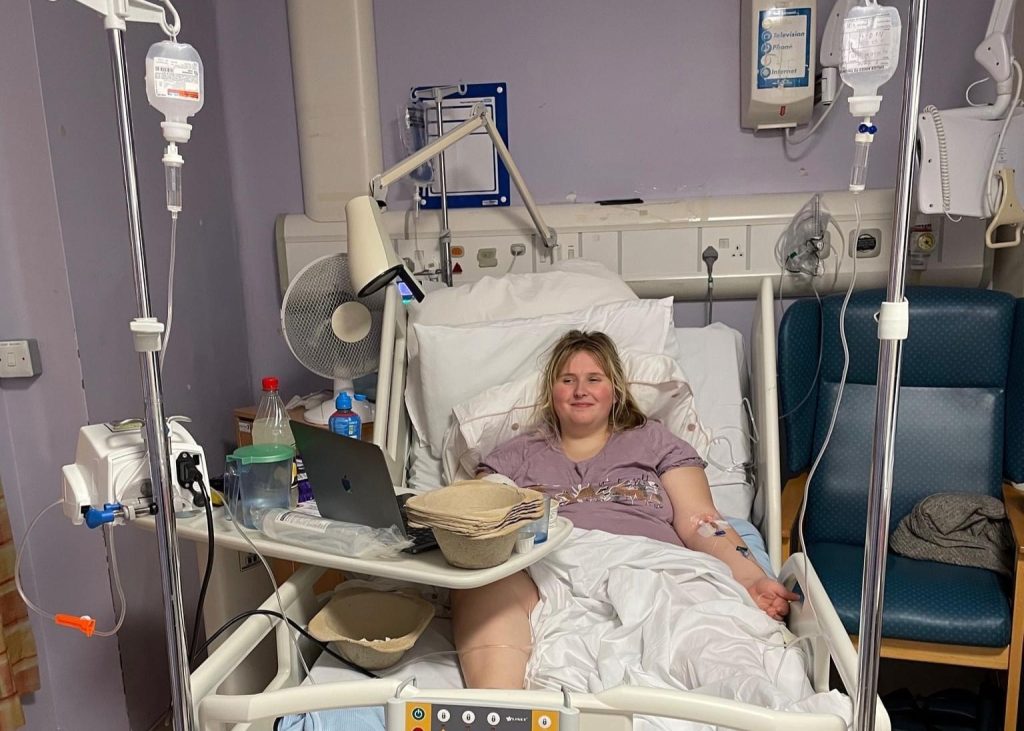
“And so I was referred to GOSH, where a tilt table test was carried out.
“I was strapped onto a bed and my blood pressure, along with my heart rate, was monitored.
“I passed out immediately as it tilted me to standing.”
Kate was diagnosed with postural tachycardia syndrome (PoTS).
It causes frequent episodes of fainting due to the heart rate increasing to an abnormal rate.
In school, she had to be escorted everywhere after being found in the toilets, surrounded by her own blood.
Kate, who was tired of never having her own space, grew hopeless.
She said: “All I wanted was five seconds of peace.
“It created a lot of self-doubt and I’d often gaslight myself into thinking it was all in my head.
“Everything was crumbling around me, as my aspirations of becoming a nurse were gone.
“My dream of working with kids – gone.
“I didn’t think I’d ever be able to be by myself again and I felt trapped in this never-ending cycle.
“I kept telling myself things would get better, but they only got worse.
“Until I came across Medical Detection Dogs.”
When she’s about to have an episode, he’ll paw at her and stare into her eyes.
If he thinks Kate isn’t listening, he will whimper and chomp on his teeth.
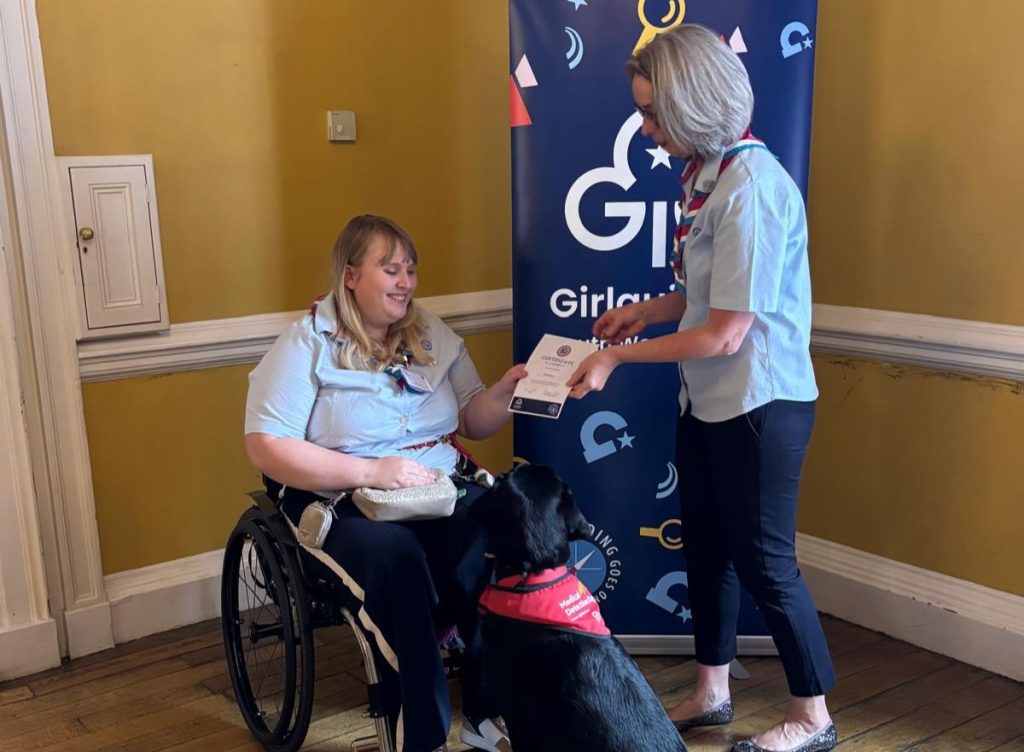
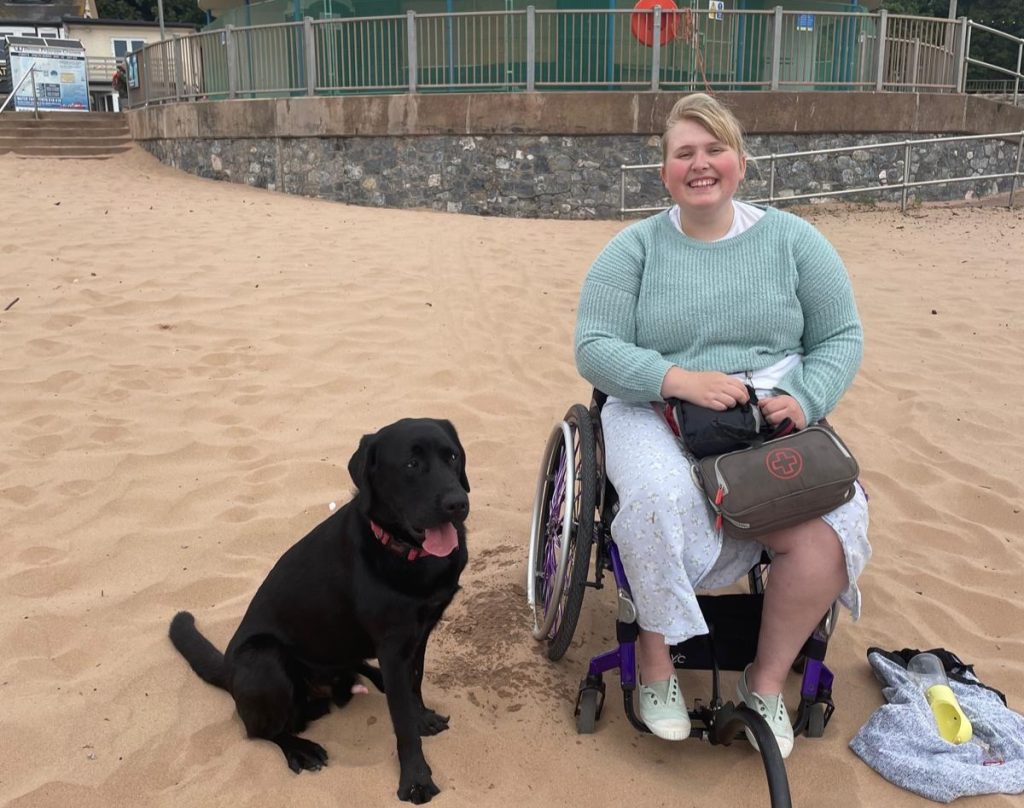
And, through Kenny, she’s been able to go to university and is about to graduate as a primary school teacher.
She added: “If I could speak to him, I’d want to make sure he knew how invaluable he is.
“I’ve had reactions where, if it wasn’t for Kenny, I’d be dead.
“I couldn’t see the point in living anymore before he came to me.
“He’s shown me there is something to live for – and I will be around to find out what that is.”
READ MORE: My £3,900 Turkey teeth are FALLING OUT – now it’ll cost £40K to fix, don’t make my mistake