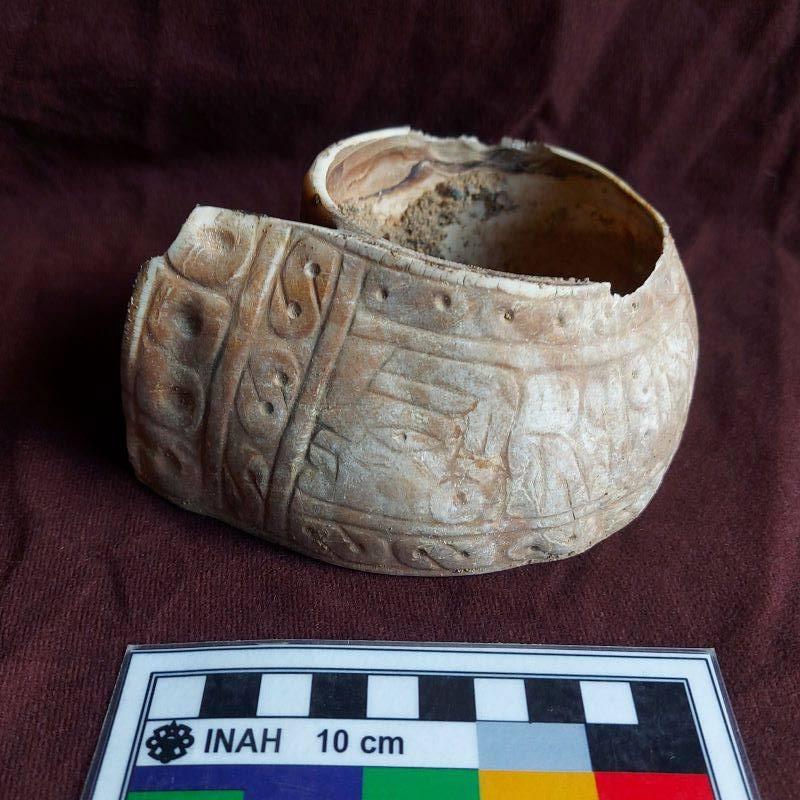

A ‘pile of rubbish’ in a cave turned out to be artefacts used in a fertility ritual over 500 years ago.
The 14 objects are engraved with symbols of the planet Venus and the Aztec god Quetzalcoatl.
They had apparently been taken deep within the cave for a fertility ritual.
READ MORE: Biker takes nasty tumble as galloping horse T-bones her at junction
Archaeologists believe the artefacts were used by the Tepuztecos civilization, also known as the Tlacotepehuas.
They were a pre-Hispanic culture that inhabited present-day Tlacotepec located south of Mexico City, Mexico.
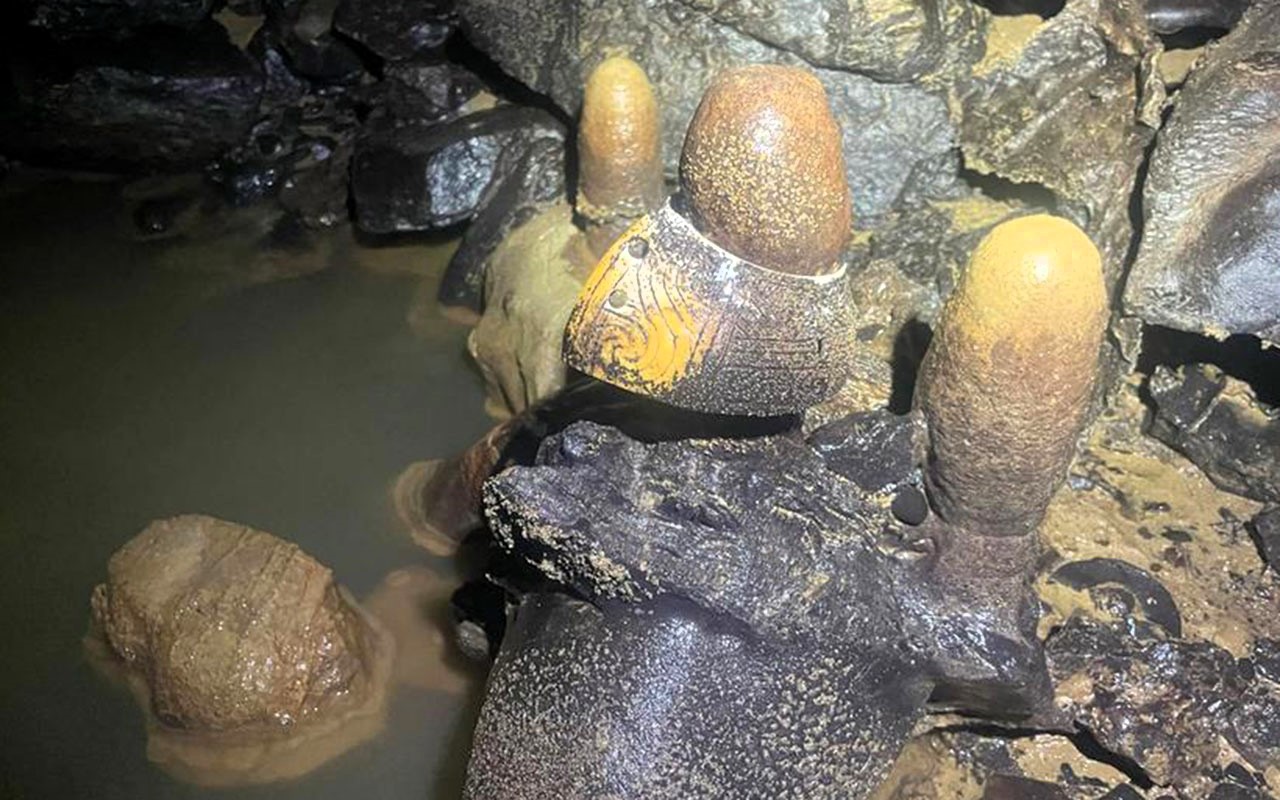
Archaeologists confirmed that the stalagmites were intentionally modified to create spherical shapes.
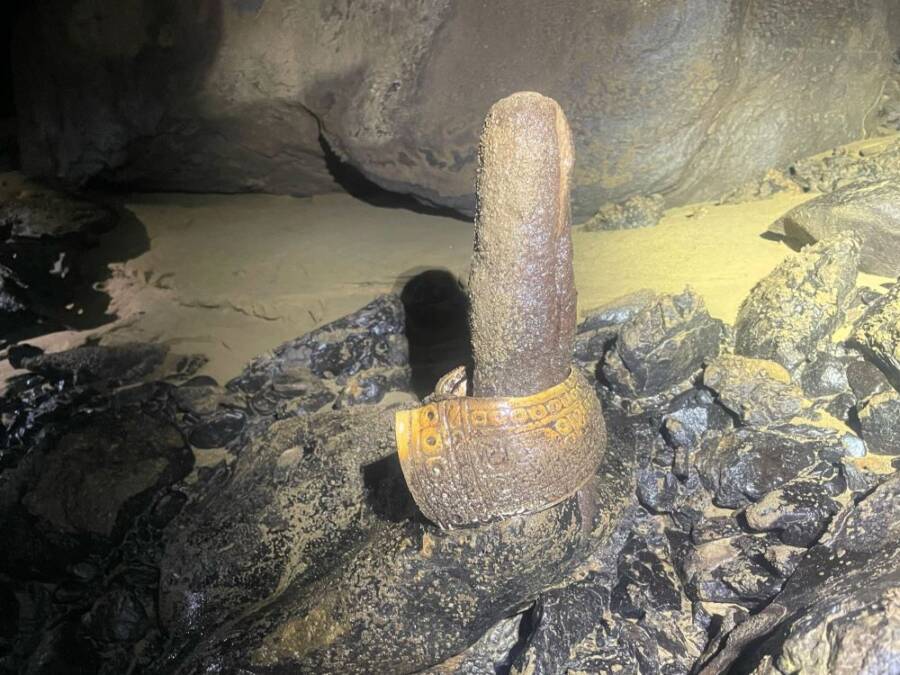
They said they had “phallic connotations”.
The items were discovered by Russian speleologist Yekaterina Katiya Pavlova and her guide Adrián Beltrán Dimas.
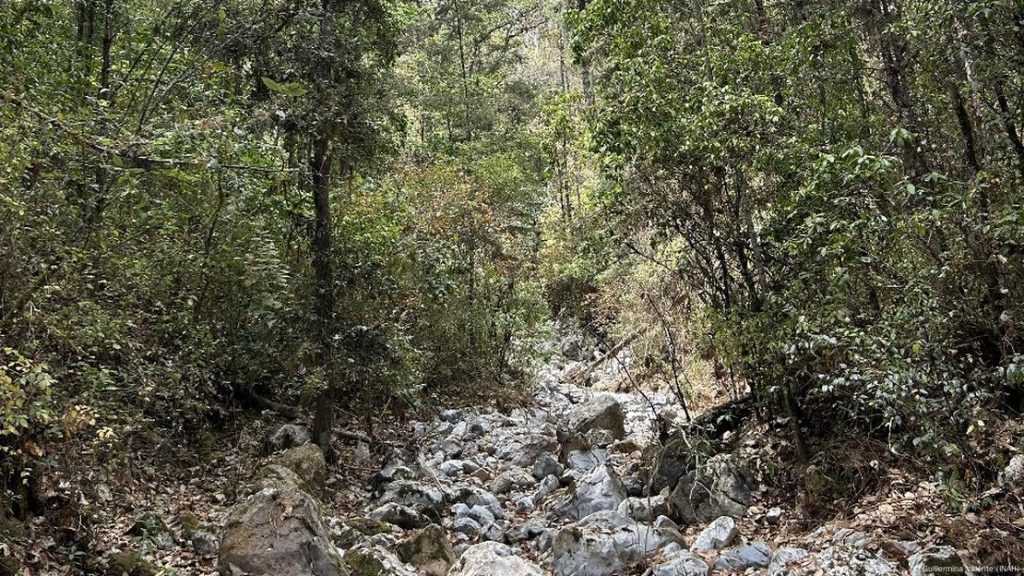
They were exploring the Tlayócoc Cave, meaning ‘badger cave’ in the Indigenous Nahuatl language, when they came across what they initially thought was rubbish left by a careless visitor.
The cave, located 2,387 metres above sea level, had remained virtually untouched for over 500 years.
Yekaterina said they had advanced about 150 metres into the cave when they came across a submerged passage with only 15cm between the water and the ceiling.
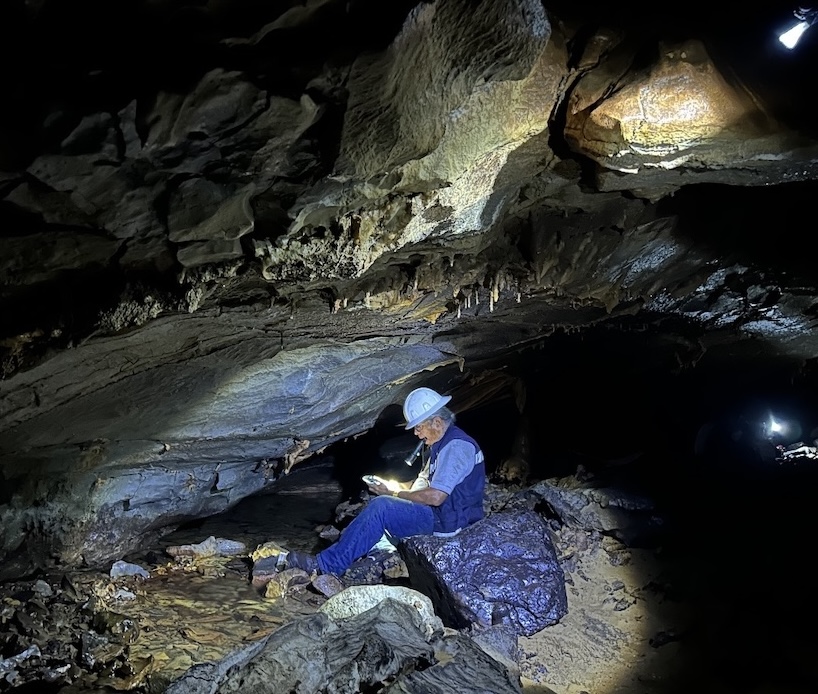
She added: “I looked in, and it seemed like the cave continued on.
“You had to hold your breath and dive a little to get through.
“Adrian was scared, but the water was deep enough, and I went through first to show him it wasn’t that difficult.”
They then entered a large chamber where they found the two sculpted stalagmites, as reported by Need To Know.
Three shell bracelets with anthropomorphic engravings had been carefully placed on top of them.
The pair immediately informed the National Institute of Anthropology and History (INAH).
The federal institute sent a team of experts to the site in March this year.
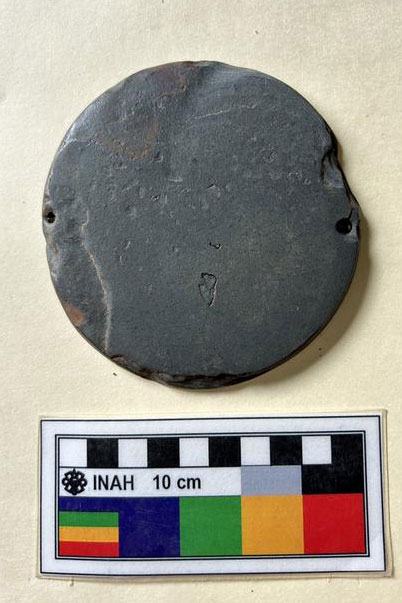
INAH confirmed that they had recovered the stalagmites and shell bracelets along with a decorated snail shell of the Strombus species, eight stone discs similar to pyrite mirrors, a bracelet fragment, and a 3.2-cm piece of charred wood.
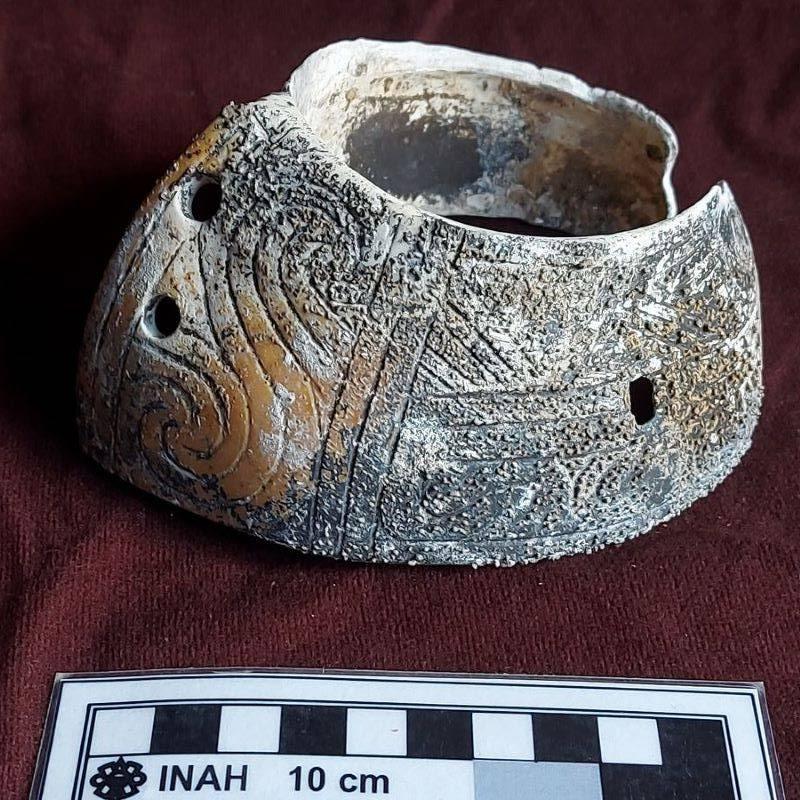
The bracelets featured symbols associated with the planet Venus, the measurement of time, and possible representations of the god Quetzalcoatl.
INAH archaeologist Cuauhtémoc Reyes Álvarez said: “The symbols and representations of figures on the bracelets are possibly related to pre-Hispanic cosmogony regarding creation and fertility.”
INAH colleague Miguel Pérez Negrete added: “It is very likely that, because they are located in a closed environment where humidity is quite stable, the objects were able to be preserved for many centuries.
“For pre-Hispanic cultures, caves were sacred places associated with the underworld and considered the womb of the Earth.”
Experts dated the recovered artefacts to the Postclassic period between 950 and 1521 AD.
They believe they were used by the Tepuztecos, who completely died out during the Viceroyalty of New Spain following the conquest of the Americas.
READ MORE: Mysterious ‘UFO’ object spotted lighting up night sky