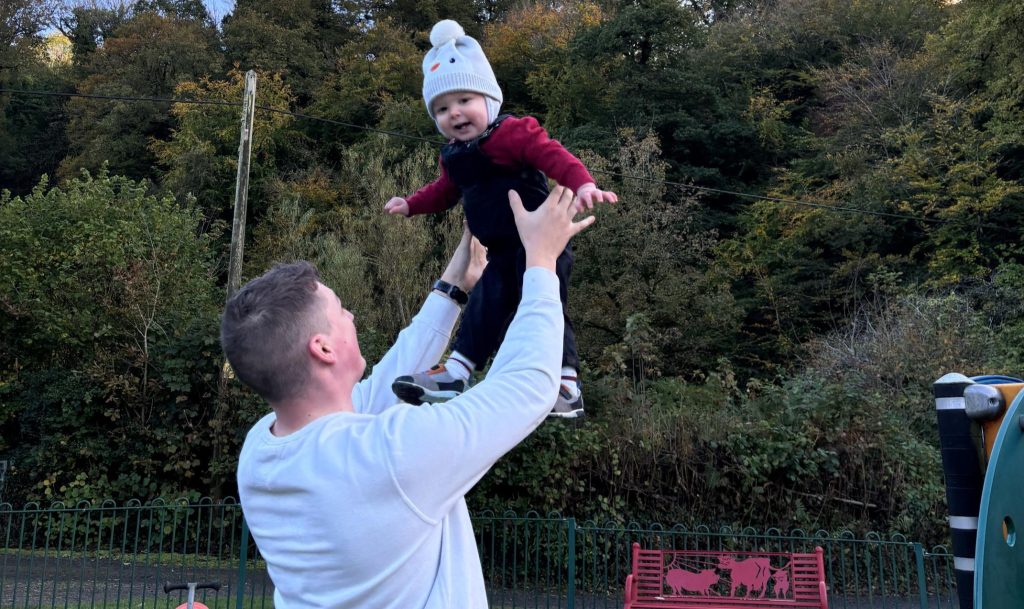
A dad who felt like a “spare part” after the birth of his newborn has revealed how he struggled to bond with his baby – and it was due to male postpartum depression.
Tom Phillips hadn’t ever wanted children – until he met Francesca.
Within 18 months, they had tied the knot and were expecting their first baby together.
READ MORE: Miracle boy, 7, defies 1% survival odds after ‘drunk driver’ crash left him ‘dead’ for 10 MINUTES
But instead of feeling excited after the arrival of little Jude, the 27-year-old felt “numb” which quickly spiralled into a state of worry and depression.
It made Tom, from Okehampton, Devon, feel like a “bad dad and husband” for struggling with his new reality; especially given everything Francesca had to adapt to.
Realising there was little-to-no support for new fathers dealing with postpartum depression, he decided to speak out and soon found hundreds of dads in the same position.
“I genuinely felt like a spare part,” Tom told Need To Know.
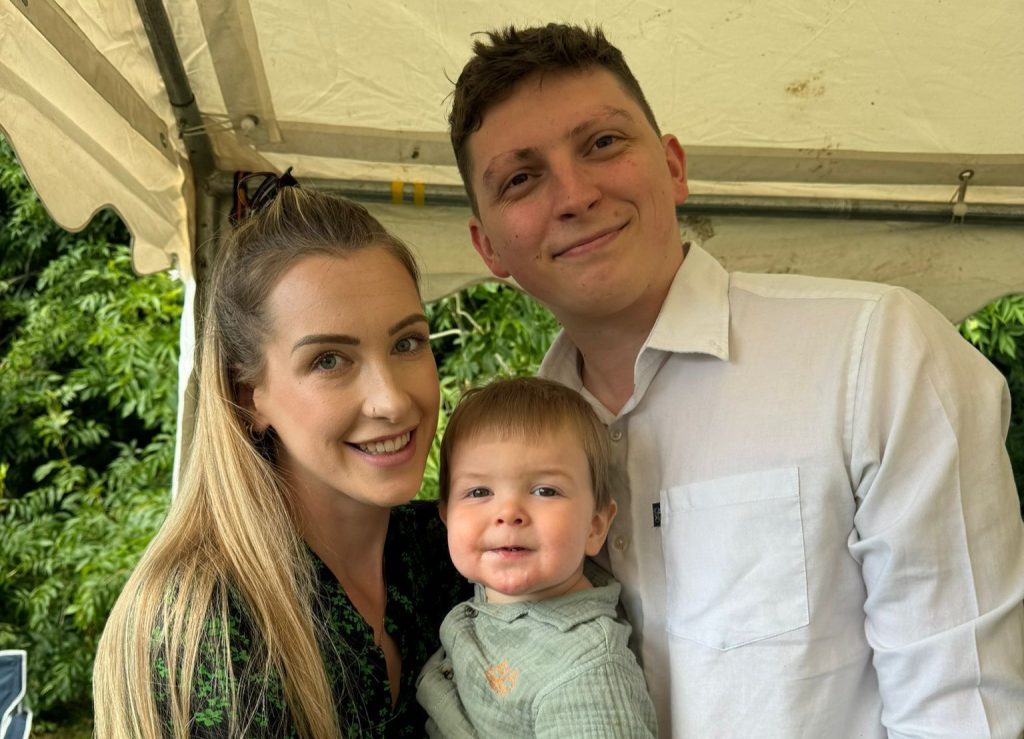
“I think dad’s bond best through play – but you can’t really do that with a newborn.
“Francesca breastfed and co-slept, while I was required for nappy changes and night-time soothing.
“So our quality bonding time was hard to get.
“I felt guilty and like a bad father.
“I thought it was meant to be natural and like we, as humans, were programmed to be good at this.
“But I didn’t and was worrying there was something wrong with the way I was wired.”
Tom and Francesca met through mutual friends while on a pub crawl.
After a short while together, they welcomed Jude in August 2023.

In the lead-up, though, all Tom could feel was the pressure.
He said: “I felt good when we found out we were pregnant, but not different.
“I was expecting to feel a flood of emotion.
“But, if anything, all I could feel was immense pressure and worry about having to be a good dad, without knowing how.
“I had to be strong for Francesca, as she was the one going through the physical and hormonal changes.
“So I was the support, rather than focusing on how I was feeling.”
Tom initially believed that postpartum depression only affected women.

But, actually, one in 10 new dads are diagnosed with paternal postpartum depression, according to baby and pregnancy charity Tommy’s.
Tom said: “I didn’t want to talk about it through worry of being perceived badly.
“But when Jude was born, I didn’t feel anything.
“I suppressed this for the first few months and instead became more concerned about not losing my job as I was the primary earner for the household.
“I thought there was something wrong with me.
“I only had two weeks off from work for paternity leave and then I was straight back at it like nothing had really happened.
“I couldn’t relate or talk to any of my friends since they didn’t have kids.

“And so I grew lonely.”
Tom joined a gym and took up running to cope with his thoughts.
He quickly realised, however, that this was only avoiding his feelings.
As Tom’s dad left when he was young, he had no male figure to talk to.
He decided to come clean after Francesca noticed that he had become detached and their relationship was struggling.
After that, he opened up to a colleague of his.
He said: “I felt immense relief.
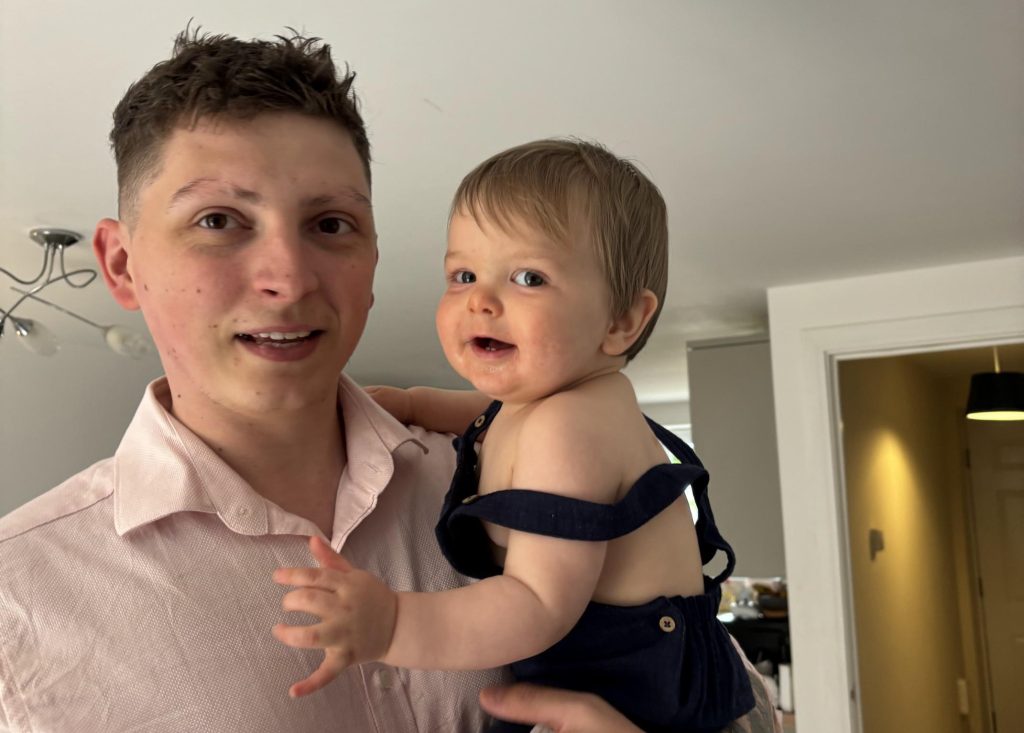
“It was shocking to hear how normal it was.
“Then, when Jude first smiled at me, maybe six months in, I felt the bond I had been longing for.”
Tom did his research and found out it’s all down to science.
Dad’s bond through active play, while mums bond through oxytocin and cuddles.
This isn’t widely taught to men and so he began creating an app – Dad & Baby – which aims to teach dads that they aren’t “broken”; they are just wired “differently”.
Tom added: “Jude and our relationship is fantastic.

“We’ve actually got another boy on the way.
“This time, I know what to expect and don’t feel the same pressure.
“I am actually excited.
“To anyone who says men don’t have the ‘right’ to feel this way, I say that mindset is exactly why the male suicide rate is so high and why so many families break down.
“It’s not a competition between mother and father.
“Men fully understand their partner is going through the physical toll of birth and they want to be the best rock possible for them.
“But you cannot pour from an empty cup.
“If dads are suppressed and unsupported, the whole family unit suffers.
“Allowing men to feel vulnerable doesn’t take away from mothers – it empowers fathers to support them better.
“My hope is that more dads become better informed and understand the full process from pregnancy to post-birth.
“As the language of the app is tailored towards men, rather than women as usual, it helps them feel heard.
“The long-term goal is that more relationships stay together and there will be happier children with a stable home.
“And that dads will stop feeling like the spare part.”
READ MORE: ‘I feared I was going to die as body spiralled out-of-control but now I’m expecting in my FORTIES’