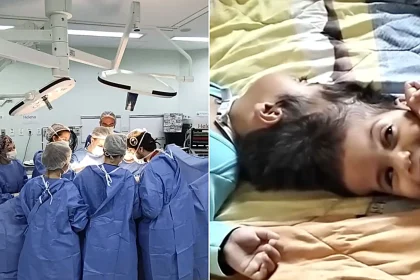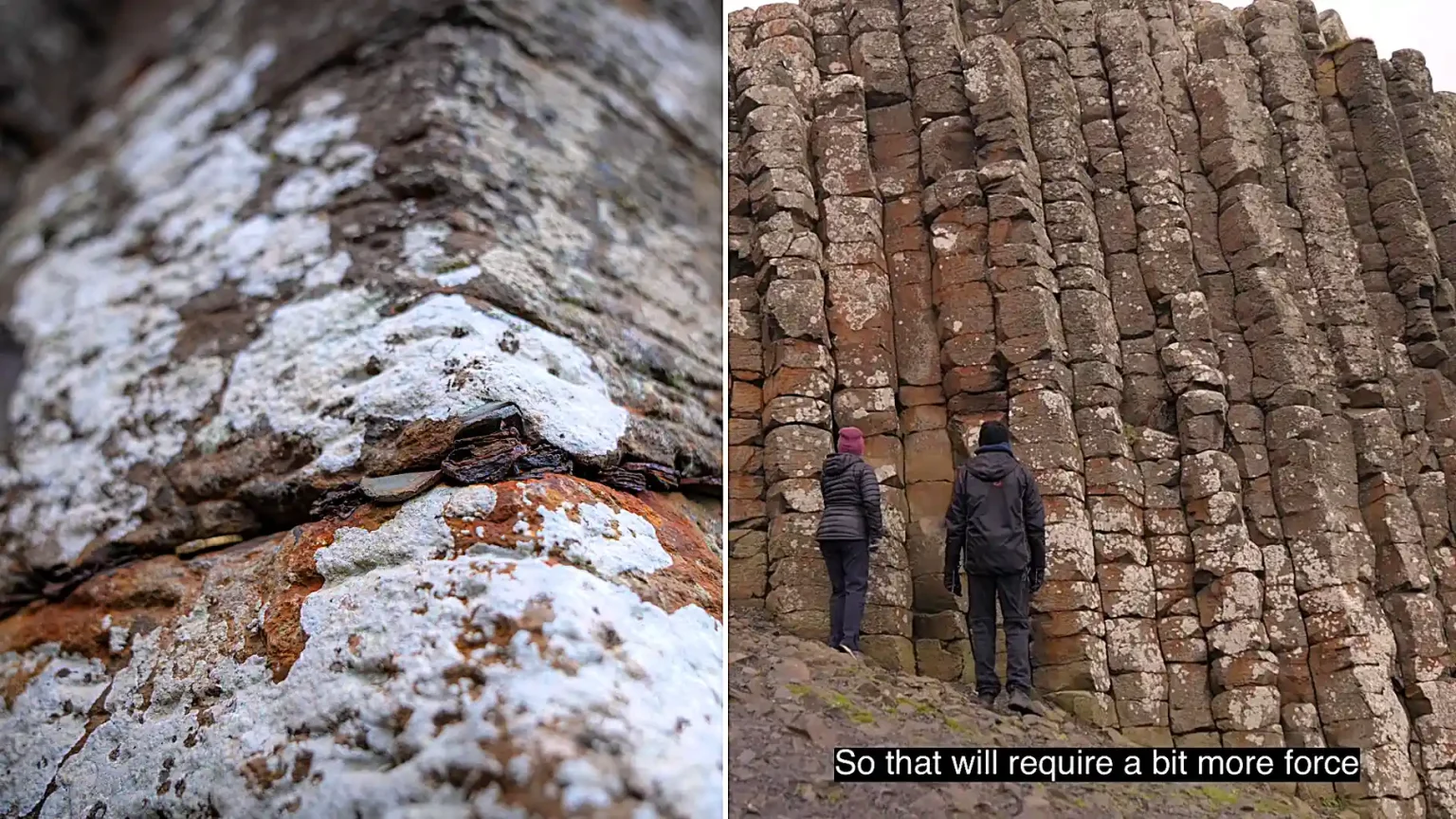

Idiot tourists who hammered thousands of coins into a beloved World Heritage landmark left conservationists facing a painstaking 200-hour clean-up.
More than 20kg – or 44.1lb – of unwanted currency was removed from between the famous basalt columns of the Giant’s Causeway.
It is the equivalent of around 10,000 coins.
READ MORE: Shocking footage shows masked thieves ram-raid jewellery shop
Visitors are thought to have wedged the money into the rocks for luck or love.
But the metal rapidly corrodes in the salty, damp conditions and can expand inside the cracks, placing pressure on the surrounding stone.
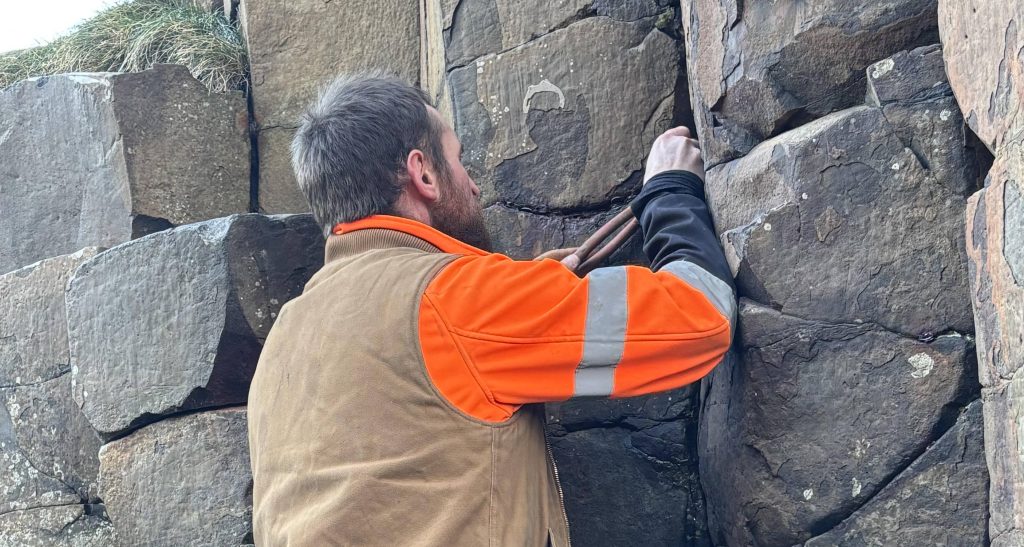
Specialist stonemason Nathan Morrow was brought in to help extract the coins without causing further damage.
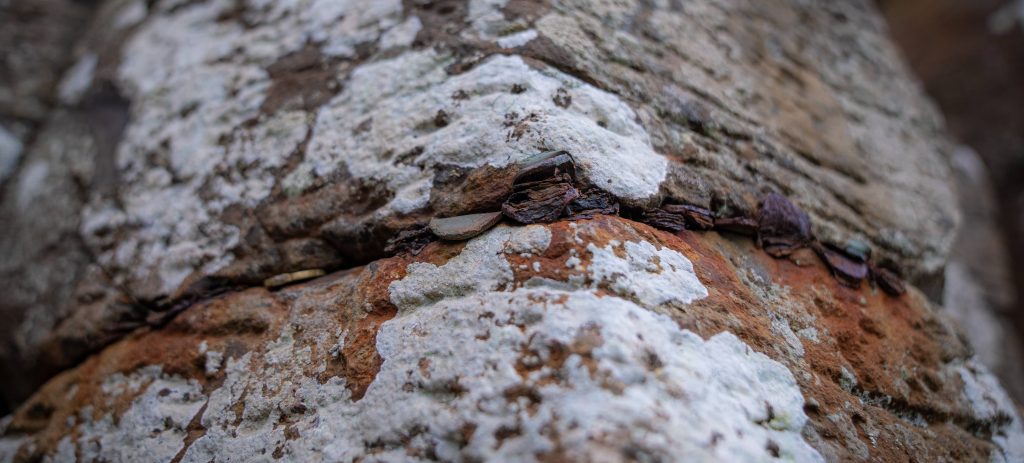
Pliers were used to pull out money close to the edge of the rock, while a grouting tool was needed to reach some of the coins wedged more deeply inside.
Some popped out quickly, but others took more than 20 minutes each to remove.
“Approximately 200 man-hours were spent on the project,” Dr Cliff Henry, National Trust nature engagement officer, told Need To Know.
“The coins corrode so quickly in the salty, damp conditions at the Causeway that it becomes impossible to detect what currency it was, never mind the date on it after just a few years.
“The oldest coin that I have seen was dated 1999, but may have been placed much later than that year.
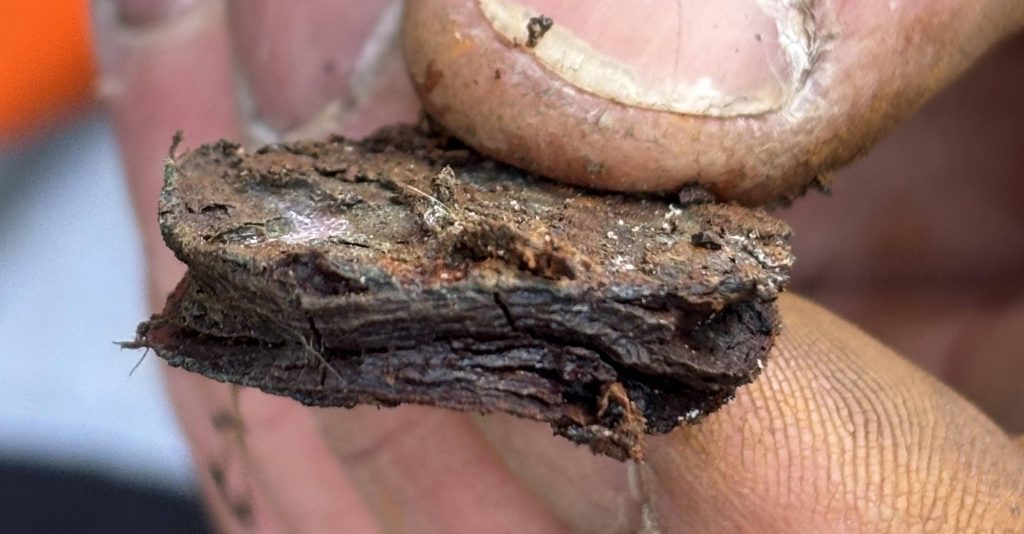
“Only about 5% of the coins extracted are usable currency; the rest are either too bent or too corroded.
“It is maybe no surprise that around 95% of the coins are either sterling or euro – that’s what most visitors have had in their pockets.
“After that, the most frequent currency is from the United States.
“Randomly, we did find an O2 top-up card too.”
Despite the huge clean-up, several thousand coins are still believed to be trapped inside the joints.
Some are lodged too deeply to reach, while others have rusted so badly that moving them could cause further damage to the stones.
Dr Henry compared the build-up to a penny-falls arcade machine, with newly hammered coins pushing older ones further inside.
He said: “There are several thousand coins still wedged in the joints.
“Some of these are too deep in the joints to be able to extract.
“Similar to how a penny-falls game works in an amusement arcade, coins have been pushed further and further into the joints by fresh ones being hammered in at the front.
“Others are too badly rusted to get them to move without causing significant damage to the stones.
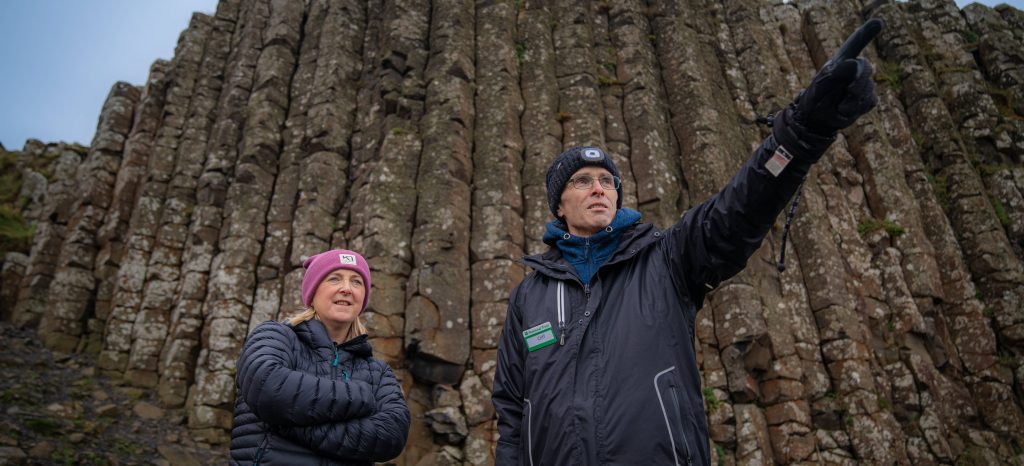
“Better left to corrode away in time.”
The main project was completed in June – but tourists have unfortunately already started adding new coins.
Dr Henry removed another 42 last month.
He added: “Over the months and years ahead, we will be checking the Causeway regularly and removing any newly deposited coins.”
The National Trust began the removal project in May last year following a report from the Geological Survey of Northern Ireland.
It warned that the coins were having both a physical and chemical impact on the rocks.
UK copper coins made since 1992 have steel cores coated with copper, while five, 10 and 20-pence pieces are made from nickel-plated steel.
As the metals corrode at different rates, the layers can separate and expand.
Salt from seawater spray accelerates the process and acts as an electrolyte, contributing to the coins rusting, splitting apart and exerting force on the basalt.
The National Trust previously warned that removing the money could cost more than £30,000 and pleaded with visitors to stop leaving tokens behind.
New signs have also been installed asking visitors not to wedge money into the rocks, while the warning is being shared through the charity’s social media channels.
The National Trust is now exploring whether the extracted coins could be turned into an exhibition piece highlighting the damage they can cause.
The Giant’s Causeway, in County Antrim, Northern Ireland, is made up of more than 40,000 basalt columns.
It was created by volcanic activity around 60 million years ago, when molten rock flowed through cracks in the earth before cooling, contracting and splitting into its distinctive shapes.
READ MORE: Ancient Anglo-Saxon bones found by couple under PATIO are laid to rest