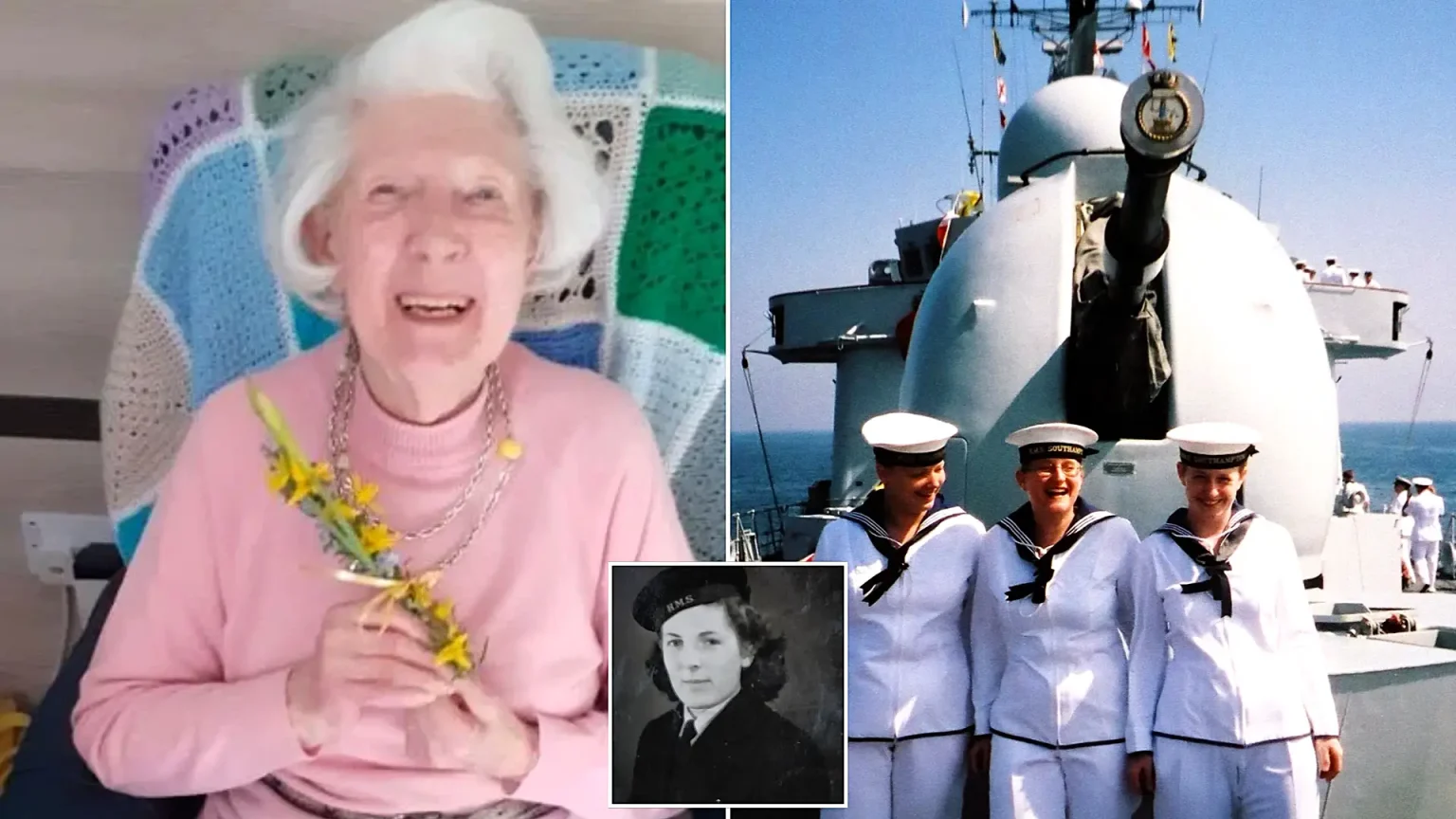

A 100-year-old woman who swapped a pharmacy counter for code breaking has shared her memories of serving in the Wrens.
Dorothy Walsh joined the Women’s Royal Naval Service just before her 18th birthday, leaving behind her job at Boots.
She served in code breaking and is included in Bletchley Park’s Roll of Honour.
READ MORE: Herd of cows fall off CLIFF as hero fisherman tows them to safety
Her recollections have been gathered by the Royal Naval Benevolent Trust (RNBT), alongside those of other women who served, to mark 33 years since the Wrens merged with the Royal Navy.
Recalling how she came to sign up, Dorothy said: “I’d finished two years with Boots, in pharmacy and couldn’t go any further so I was wondering just quite what to do and my old school friend was in the town hall doing secretarial work and I think she got a bit bored and she was the one who suggested we join the Wrens.
“I thought ‘Oh yes, that’s a good idea’.
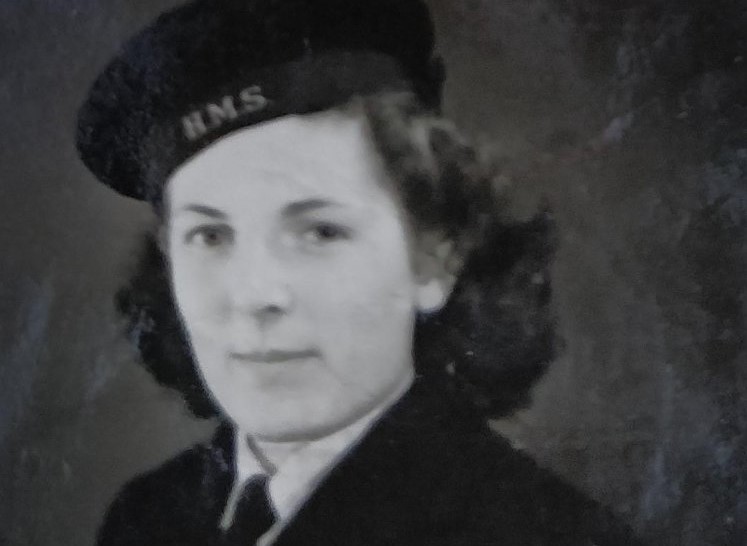
“So we volunteered, went to Preston, went through everything there.
“They took me, but they didn’t want her.
“Now she was a really clever girl!
Dorothy continued: “She joined the Air Force, I joined Wrens.
“It sounded exciting, just code breaking with Alan Turing.
“We won the war with a bit of help from Alan, of course!”
Although Dorothy didn’t work directly with Turing at Bletchley Park, she did have another well-known colleague – Lord Mountbatten’s daughter.
Mountbatten was Prince Philip’s uncle and a distant cousin of Queen Elizabeth II.
The Wrens formally merged with the Royal Navy on 1 November 1993, ending more than 75 years of separate service for women.
Before then, women had separate terms of service, wore a different uniform and could not serve at sea.
Among the other women sharing their memories is Mary ‘Rita’ Lock, who joined the Wrens in 1955 aged 17.
Rita served as a sick berth attendant before leaving the Service to marry.
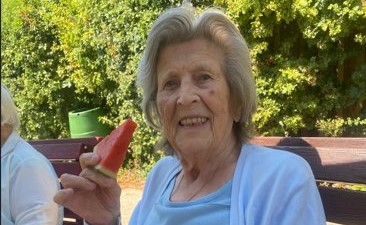
She said: “The comradeship was fantastic.
“I’ve enjoyed every minute of it. I’m 92 now, and I’d do it all again.”
Former Wren Daphne Thompson, 96, joined in 1949, inspired by her father’s stories of naval life and her brother and sister’s service during the Second World War.
As a communicator and radio operator, she worked in an airfield control tower, carried out direction finding and worked in cryptography.
She also remembers the fun that existed alongside the serious work, including the time she and her fellow Wrens walked across an airfield in Scotland in search of a ruined church they believed was haunted.
Daphne said: “We thought we’d go looking for ghosts.
“And when we saw white figures jumping about we thought ‘Oh my goodness’.
“And then we found out it was the petty officers.”
Corinne Day, now community engagement officer for the RNBT, joined the Wrens in 1987 and was serving when the merger took place.
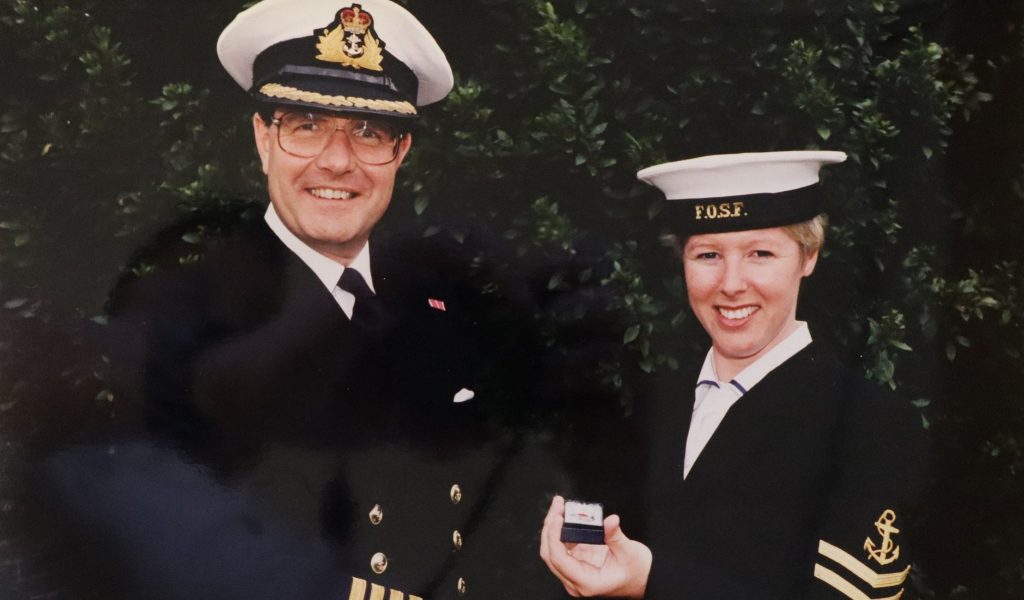
She said that for many women, the change was about more than a new uniform or terms of service.
Corinne said: “It wasn’t a case of, ‘it shouldn’t happen’.
“But it did mean losing a bit of our identity that had been an important part of our lives.”
The merger also marked the start of an era in which women increasingly took on roles at sea.
Navy veteran Sally Fountain joined in 1998 and was among the early generations of women to serve at sea.
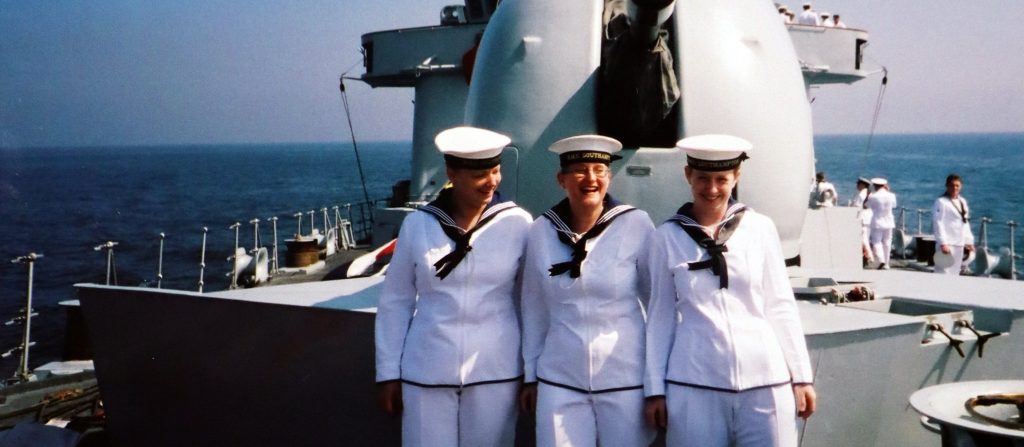
Now head of housekeeping at the RNBT’s Admiral Jellicoe House for veterans, she recalls that although many male sailors were accepting, having women on board was still a new experience.
Sally said: “There were still lots of men who had not been to sea with women before.
“For them it was a completely new world.
“Some of them liked it, some of them not so much.”
The RNBT, established in 1922 under Royal Charter, supports Royal Navy Ratings and Royal Marines Other Ranks, including reservists, both serving and served, and their families.
It offers grants and wellbeing support, including financial assistance, training and employment opportunities, wellbeing guidance and signposting.
READ MORE: Rugby player 21 dies suddenly as club pays tribute to ‘well-loved’ player