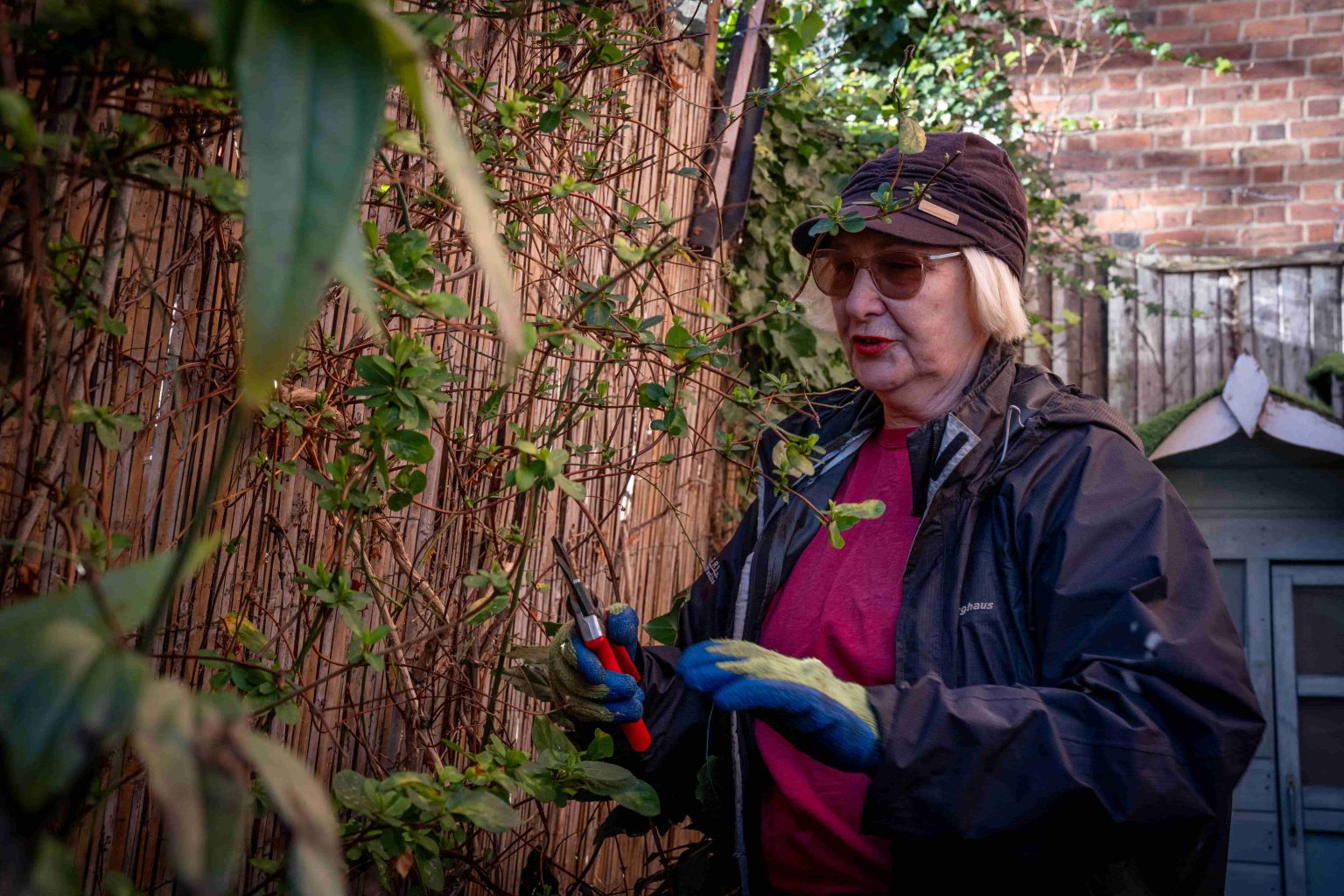

Brits can give their gardens a spring glow-up without breaking the bank thanks to a handful of clever money-saving hacks.
From £10 sheep’s wool to “free” homemade fertiliser, these simple swaps could save green-fingered homeowners a small fortune.
Gardening expert Ellen Fletcher says you don’t need pricey products to get a thriving garden – just a bit of know-how and smart thinking.
READ MORE: Drunk aviation bosses force way onto plane and enjoy first-class privileges
One of her top tips is using sheep’s wool, which can be picked up online for around £10 to £12 a fleece, as reported by Need To Know.
The natural material slowly releases nutrients into the soil, acting as a fertiliser while also doubling up as mulch to keep weeds at bay and deter pests.
That means less damage to plants and less money spent replacing them.
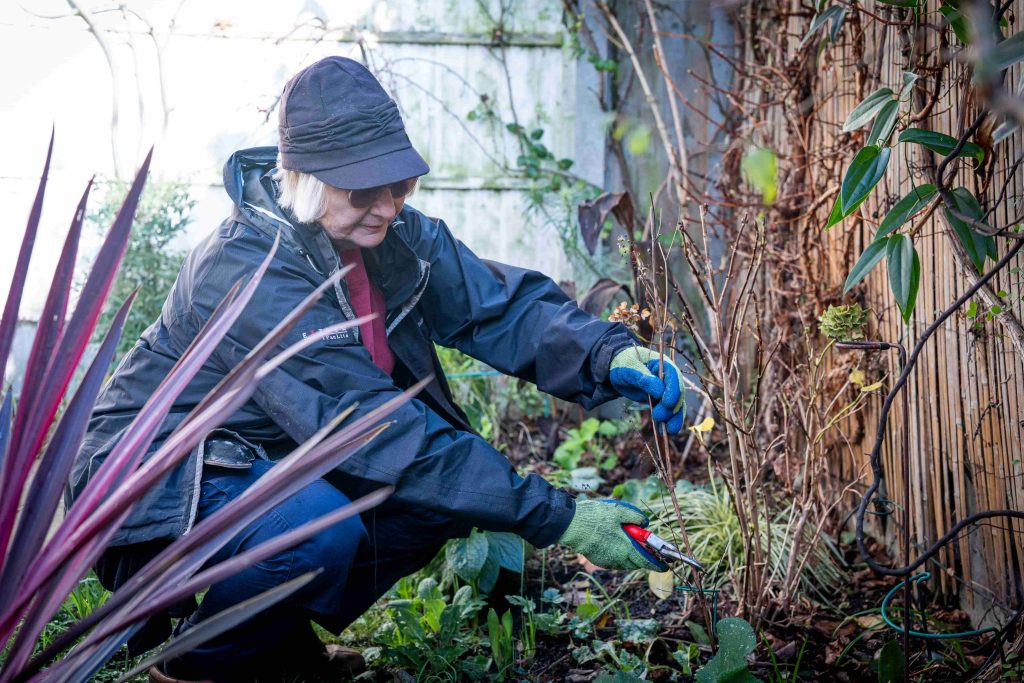
Another easy win is making your own fertiliser for free.
Instead of chucking away garden waste like clippings and prunings, letting them break down naturally in the soil can boost nutrients and help plants grow.
Dubbed “green gold”, it cuts out the cost of shop-bought fertiliser and saves trips to the tip.
Where you place your plants can also make a big difference and it won’t cost you a penny.
Plants tucked too close to walls, fences or doorways can end up in a “rain shadow”, missing out on natural rainfall.
Moving them to more open or lower spots allows water to collect naturally, helping them thrive without constant watering.
For those looking to slash their food bills, growing your own herbs is another cheap and cheerful option.
They’re easy to look after, need very little space and can cost less than £1 to get started – perfect for beginners.
And while plant pots might look pretty, they could actually be holding your garden back.
Planting directly into the ground gives roots more room to grow and better access to nutrients while also reducing how often you need to water.
Ellen, from MyBuilder.com, also warned that common gardening mistakes can end up costing more in the long run.
One big error is leaving plastic tags attached to plants after buying them, which can restrict growth and cause lasting damage.
She said that rushing into planting without a proper plan can also backfire.
Ellen added: “With the arrival of spring, many of us are eager to get outside and start planting.
“But taking a little time to plan, check soil conditions and give plants space to establish roots can make all the difference.
“A little preparation goes a long way in helping your garden not just survive, but thrive.”
READ MORE: ‘Crazed’ knifeman ‘kills two crew members’ in horror TV set attack