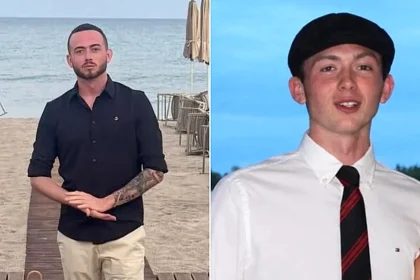

A doctor has issued a warning that social media is ‘worse than smoking’ as Keir Starmer proposes a ban for those under 16.
Next week, the Prime Minister will announce the new policy, which aims to crack down on children’s access to these platforms.
A variety of options have been considered, though the most favourable appears to be the Australian-style blanket ban for those under 16; though content deemed less harmful may be exempt.
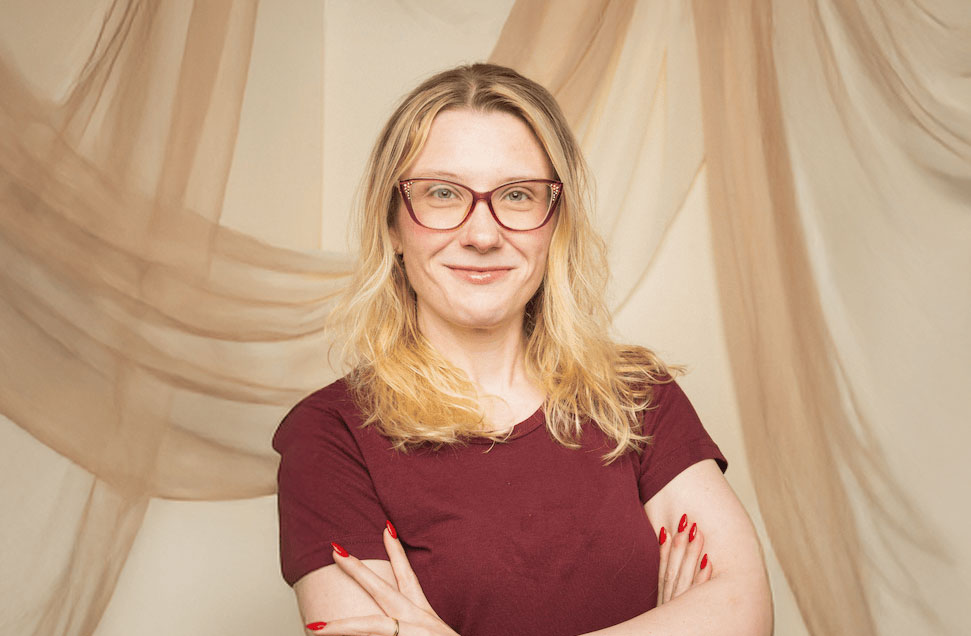
And while the White House isn’t fully on board with the idea, with reports they’ve urged the UK not to impose the ban, New York based Dr Carlene McMilan is very much all for it.
The mum-of-two, who’s in her early 40s, believes that social media is potentially ‘more damaging than smoking cigarettes’.
“It’s particularly damaging, especially to adolescent girls,’ she told Need To Know.
“Mentally, it creates mood changes, suicidal ideation and worsening ADHD.
“Physically, it can wreak havoc on sleep and lead to less physical activity, which causes obesity.”
Dr Carlene, a children’s psychiatrist, uses the analogy of the Radium Girls during the 1920s and 1930s to better express her opinion.
She said: “Radium, it glows in the dark and looks really cool.
“They didn’t really understand it then, but it was bad.
“But all these factories came up where they would hire young women, some of them teenagers, to do the painting.
“The technique required taking the paintbrush between the lips to create a fine point and dipping it in the radium paint.
“They were constantly getting radium in their mouths and at the time, people thought it was this miracle thing that was good for health.
“But then things went horrifically wrong.”
Dr Carlene details how, over time, these women started to fall ill, including mysterious health problems, back issues and unexplained deterioration.
She says a similar issue is playing out, as people were unaware of the dangerous impacts social media is having on young people’s brains – until recently.
She said: “Teenage brains are the worst place for a dopamine-hit algorithm.
“They don’t have the same brakes adults do.
“That developing brain is particularly susceptible.
“And what are these algorithms doing? They’re making them only interested in their TikTok feeds because it’s so much more immediately exciting.
“It doesn’t belong in their brains, much like the radium in those girls’ bodies, and yet, there it is.”
Dr Carlene says young people, particularly girls, have become “immersed” in social media to the point where ideations are woven into their everyday life.
And the hold it has over them is like being addicted to drugs.
She said: “It’s almost like using cocaine to lure people to watch advertisements.
“Not just free cocaine, free cocaine that keeps refilling itself, sends you push notifications when your friends are using, and never asks whether you’d like to stop.
“That’s infinite scroll.
“It’s not just an open-air drug market.
It’s a dealer who says, ‘I see your cocaine is running low, here’s more. You didn’t ask, I’m just giving it to you. You can stop whenever you want, but I’m going to keep going until you tell me to stop. By the way, your friends are over here taking a bump right now, so you might be missing out.’
_”_As long as these things are free with no consequence, I don’t see how this gets solved, even with age-gating.”
Dr Carlene believes that potentially adding taxes, or a pricing scheme could be the only real solution.
And that a deeper dive into the design of social media – and its algorithms – is needed over a total ban.
She added: “Society is transforming around a new technology faster than the rules can keep up.
“And just like then, [ with the radium girls], it’s going to take the visible suffering of vulnerable young women, working hard, wanting to be something, being preyed upon, before we finally say this is not okay.
“We regulate everything else. We can regulate this.
“I support age-restricting social media, but if we stop there, we miss the point.
“Age-verification can be gamed.
“And there are more restrictions on a child’s pillow than the algorithm that keeps them up at night.
“The conversation we should be having is a design-related regulation.
“We don’t just ban cigarettes for minors and leave the product unregulated.
“So it shouldn’t be the same with social media.”