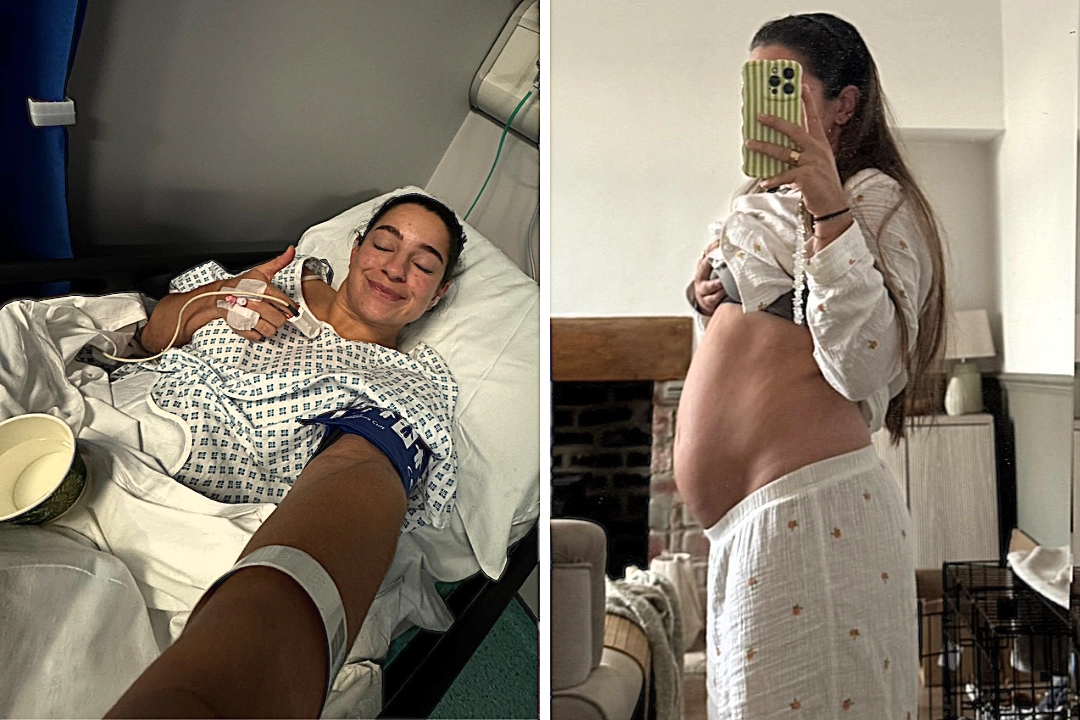

A Race Across the World star born without a womb is undergoing IVF treatment costing almost £13,000 in a bid to fulfil her dream of becoming a mum.
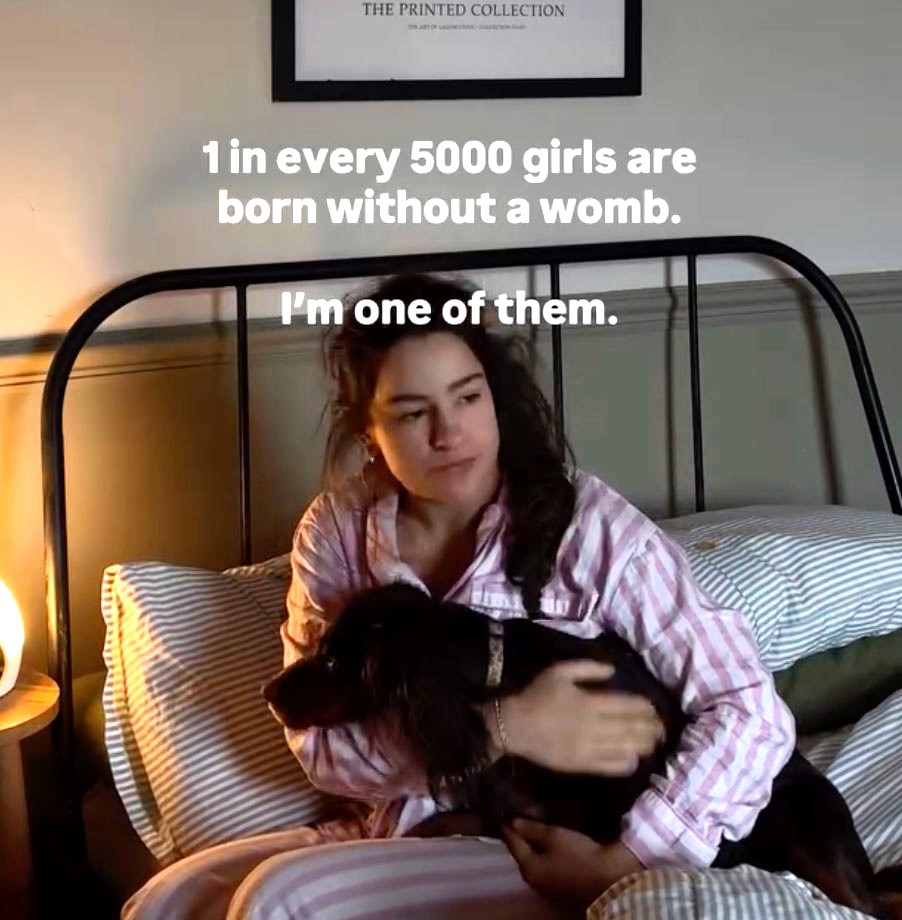
Betty Mukherjee, who finished third on the BBC One travel contest with her brother James, previously revealed on the show that she was born without a womb and only has one kidney.
The 28-year-old reality star lives with the rare condition MRKH disorder, also known as Rokitansky Syndrome, which left her reproductive system underdeveloped.
Now Betty has opened up about the emotional toll of the diagnosis and her determination to one day start a family.
Speaking to Need To Know, she explained how the condition has affected her self-esteem, relationships and hopes for motherhood.
“My first reaction [when doctors gave me my diagnosis] was shock more than anything,” she said.
“I don’t think I fully processed it in that moment.
“But as I got older and started understanding what it meant for fertility, relationships and motherhood, that’s when the emotional side of it really began to hit.
“For a long time, I carried a lot of quiet insecurity around it but over time I’ve realised that womanhood isn’t defined by one biological function.”
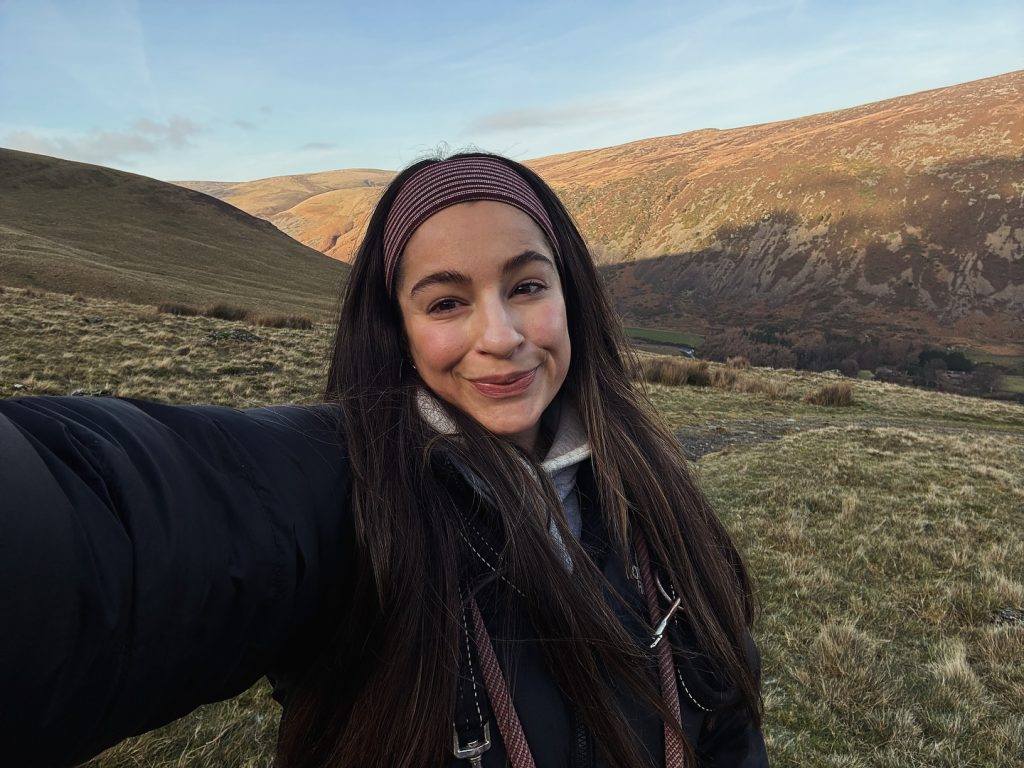
Betty, from Bradford, West Yorks, was born with the condition but first realised something might be wrong during her teenage years.
While her friends began getting their periods, hers never came.
After visiting her GP, she was diagnosed with MRKH at just 16 years old.
She said: “Everyone around me had started their periods, and I hadn’t.
“At that age, you’re just starting to understand yourself and your body, and suddenly I was told something that completely reframed my future.
“One of the biggest misconceptions is that MRKH only affects fertility.
“In reality, it’s something that shapes quite a lot of how you grow up as a woman.
“From the moment you realise you don’t get periods, to navigating conversations about relationships, fertility and motherhood much earlier than most people your age.
“Another misconception is that because you look completely normal, it must not be that big a deal, but invisible conditions can still carry a huge emotional weight.”
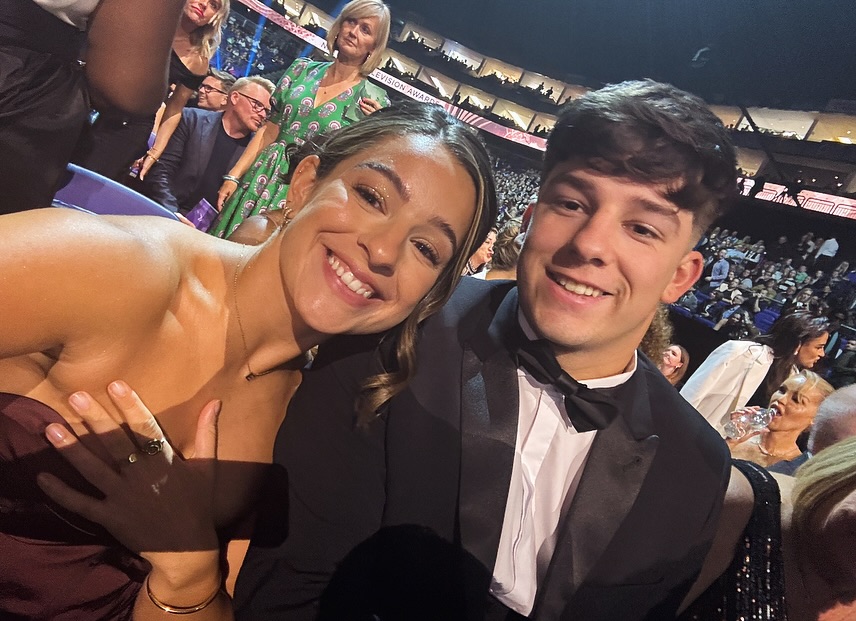
Betty is now undergoing fertility treatment with her partner Dan, 32, who she describes as being a huge support throughout the journey.
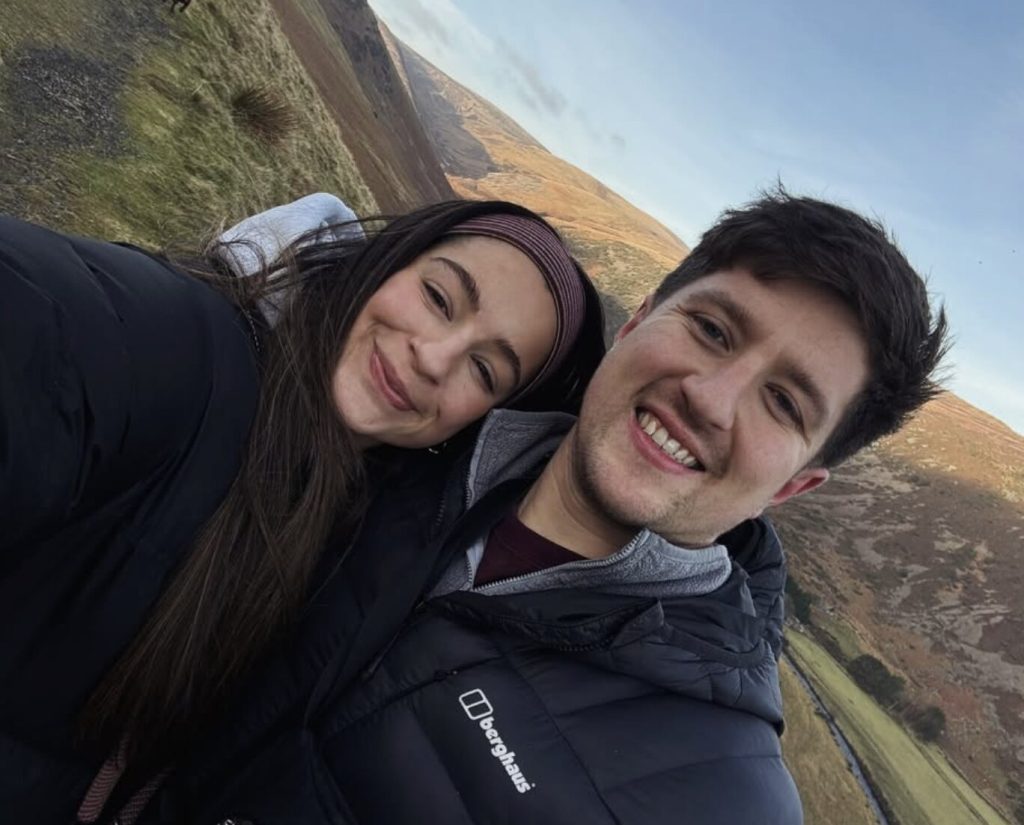
The couple began IVF treatment in the hope of creating embryos for future surrogacy or possibly a womb transplant.
She said: “We’ve been together for several years and he’s been incredibly supportive throughout my fertility journey.
“We started IVF treatment recently as part of the process to create embryos for future surrogacy.
“We completed our first round in October 2025 which resulted in two healthy, PGA-tested embryos.
“We have just completed our second round this month and are still waiting on final numbers.
“We are aiming towards five PGA-tested embryos to be accepted onto the womb transplant programme.
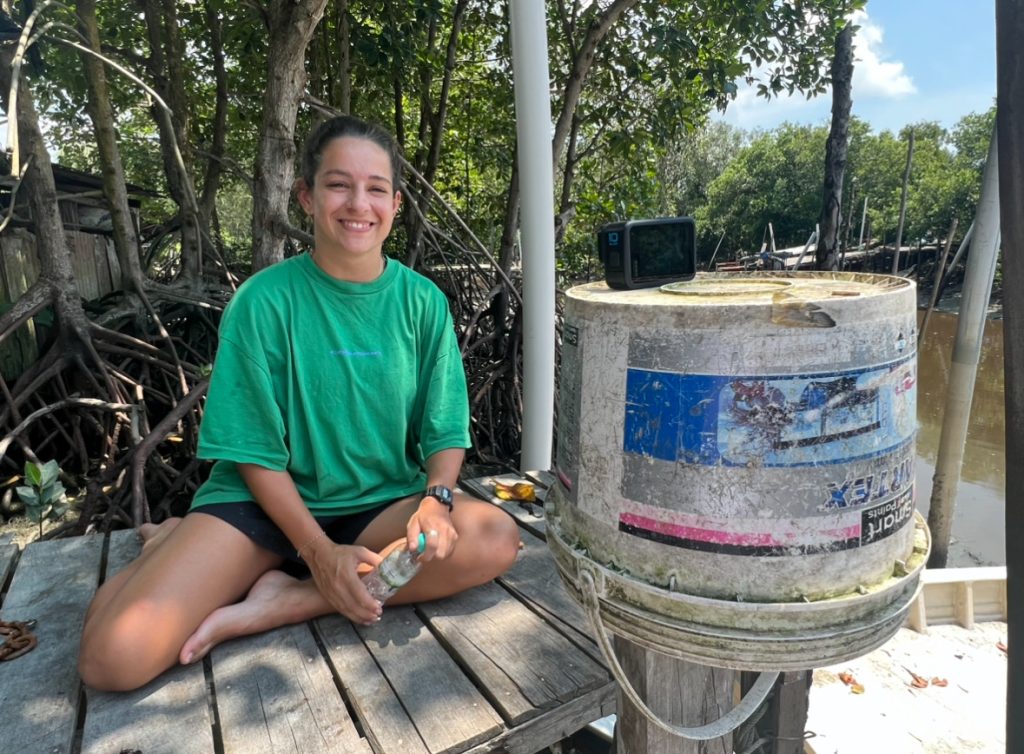
“With IVF, success isn’t one single moment.
“There are lots of stages along the way.
“Right now the goal is to create healthy embryos, which would hopefully allow us to pursue surrogacy or a womb transplant in the future.
“So success, for us, will mean having embryos that give us the chance to become parents one day.”
But the treatment has not come cheap.
The couple paid privately for their first IVF cycle.
Betty said: “We funded the first round privately, which cost just shy of £13,000 once you factor in the medication, egg collection and embryo creation.
“Fertility treatment can be incredibly expensive and isn’t always available through the NHS, depending on your circumstances.
“We were very lucky to be reassessed and approved for NHS funding for our second round, which we’re incredibly grateful for.
“However, we still have to pay for additional testing ourselves, including PGT-A genetic testing, which costs £395 per embryo.”
Despite the challenges, Betty says becoming a mum has always been part of her future.
She said: “Motherhood has always been something I’ve imagined in my future but the path to it just looks a little different for me.
“If I’m lucky enough for the IVF to work, we would need a surrogate to carry a pregnancy or have a womb transplant.
“It’s not the route I imagined as a teenager, but it’s one I’m incredibly grateful science has made possible.”
Betty says she has had to come to terms with the fact that motherhood may not happen in the traditional way.
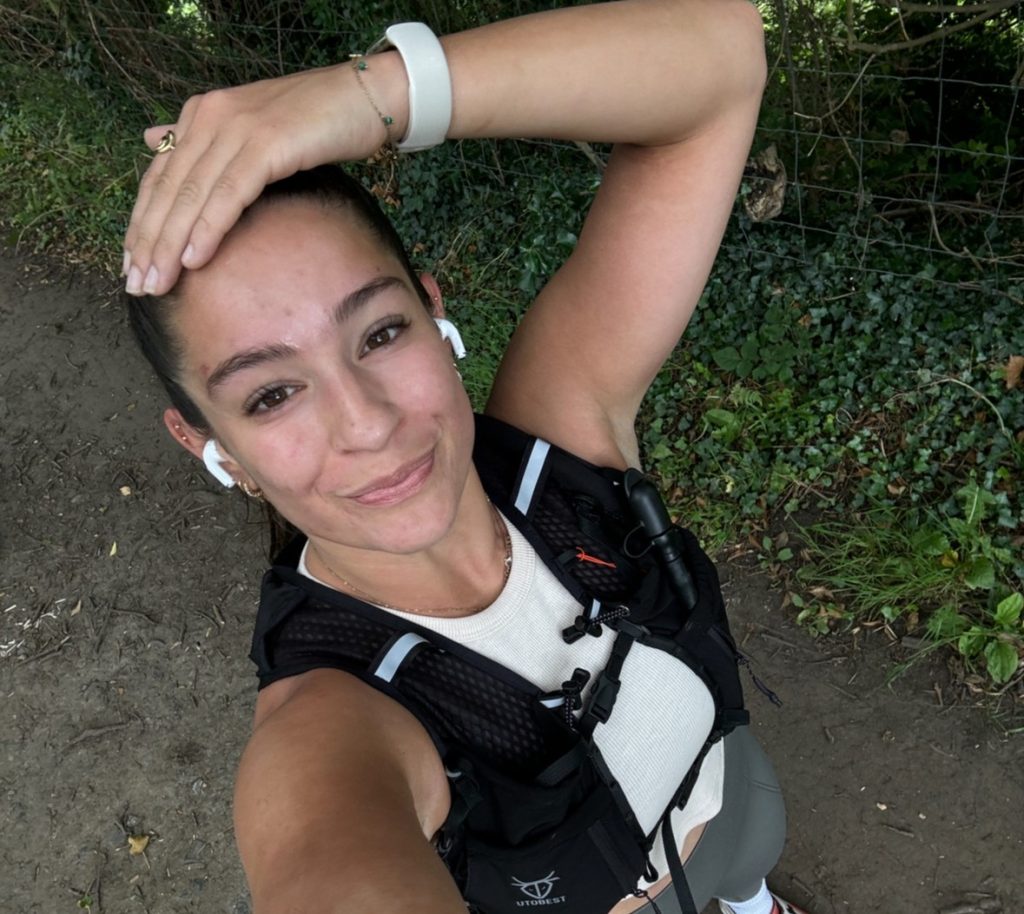
She said: “It’s something I’ve had to come to terms with over time.
“When you’re told as a teenager that you’ll never carry your own pregnancy, it can feel incredibly isolating.
“But I’ve also learnt that there are many different ways to build a family.
“While my path might look different to what I imagined growing up, it doesn’t make the end goal of becoming a mother any less meaningful.
“For me, motherhood isn’t defined by pregnancy.
“It’s about nurturing, guiding and loving a child unconditionally.
“It’s about creating a home where someone feels safe, supported and encouraged to become who they’re meant to be.
“IVF and fertility treatment can bring a lot of uncertainty, and hope can sometimes feel fragile.
“Naturally, there are moments where it feels emotional or overwhelming.
“But alongside that, there’s also a lot of gratitude that science has created options for people like me.
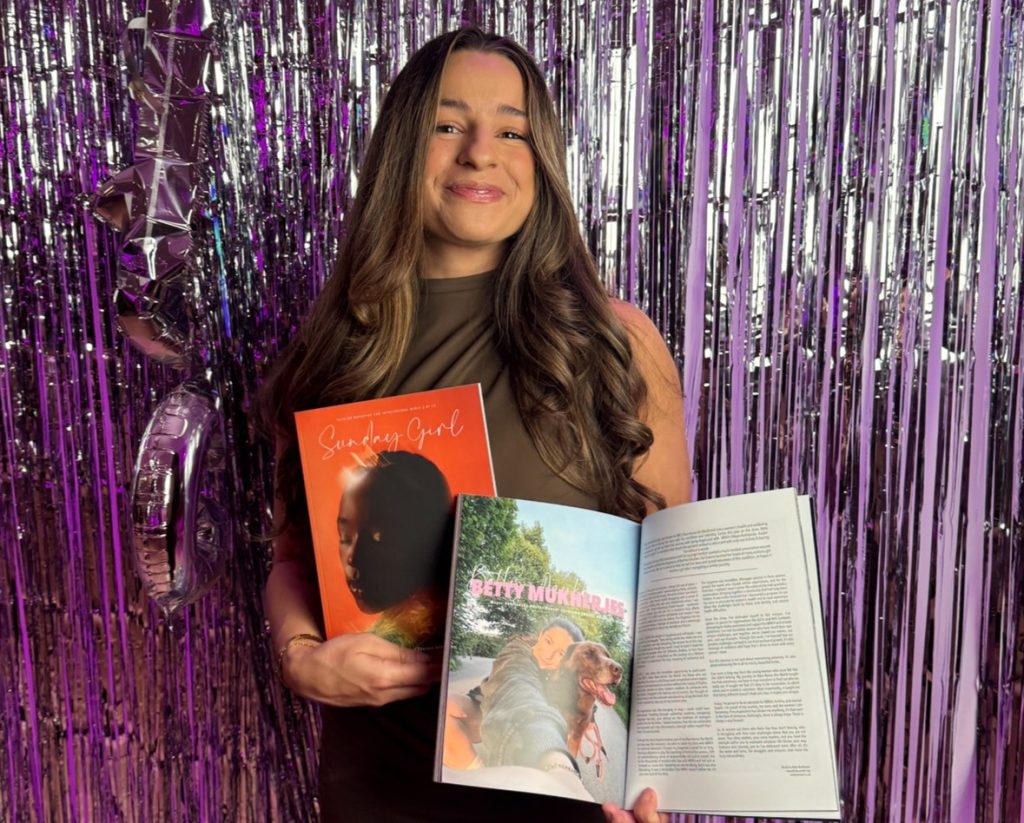
“I try to hold both of those feelings at once, the reality of how hard the journey can be, and the hope that it might still lead to the family we dream of.”
Before meeting Dan, Betty admits the condition also made dating more difficult.
She said: “It’s definitely one of the harder conversations to have when dating.
“You’re essentially sharing something very personal quite early on.
“Worrying how someone might react or whether it would change how they saw me [carried a lot of fear].
“It’s still a vulnerable thing to say out loud but it’s also a really honest way of building trust with someone.
“The right person will meet that conversation with compassion rather than judgment.
“Now I approach relationships and my body with a lot more openness and honesty.
“It’s part of my story but it doesn’t define my worth.”
Speaking openly about her condition has also helped other women dealing with MRKH.
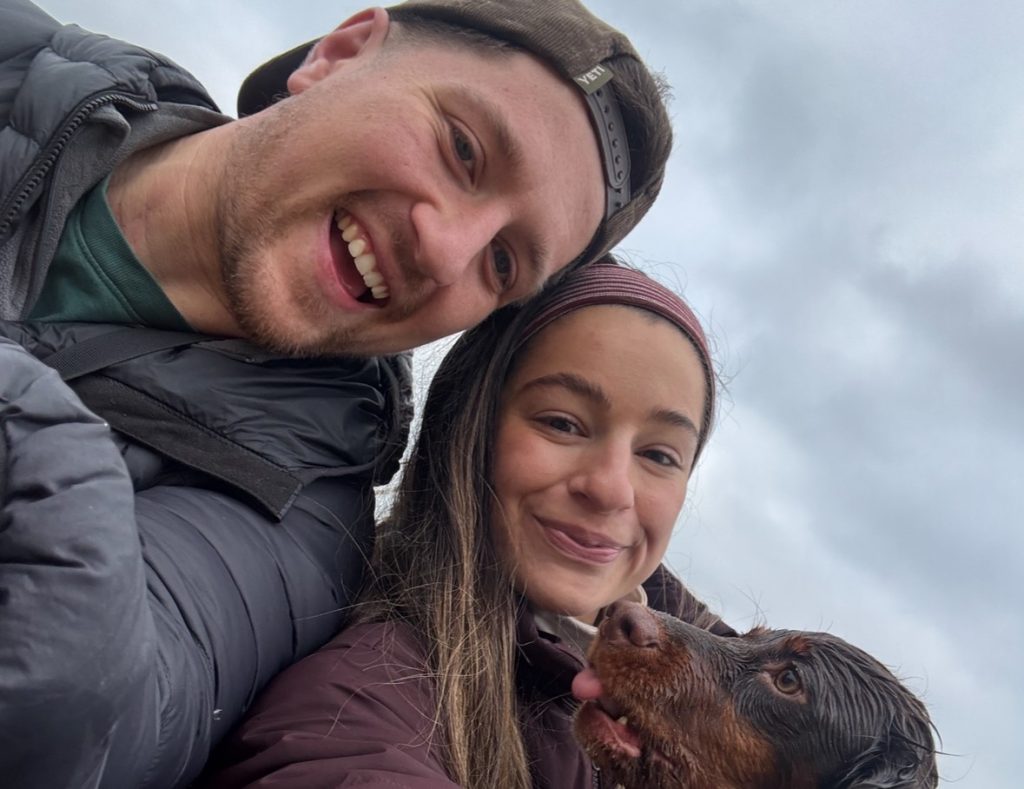
Betty revealed she has received messages from girls who had felt completely alone after being diagnosed.
She added: “I’ve had messages from girls who were diagnosed recently and felt completely alone, and others who had never heard someone talk openly about MRKH before.
“Many of them say the same thing, that they finally feel seen.
“If sharing my experience helps even one person feel less isolated in theirs, then it’s always worth it.
“I think the biggest thing I’ve learnt is how important it is to talk about women’s health openly.
“There are so many conditions like MRKH that people simply don’t know about until they affect them personally.
“The more we share our stories, the more we break down the shame and silence that often surrounds these topics, and hopefully the next generation of girls will grow up feeling a little less alone when it comes to understanding their bodies.”
READ MORE: ‘I thought I was going through menopause – then doctors gave me months to live’