
Archaeologists have uncovered a “remarkable” ancient mummy containing part of Homer’s Iliad hidden inside its abdomen.
The Roman-era remains were discovered with a papyrus inserted during the embalming process, but instead of the usual magical or ritual texts, researchers were stunned to find a passage from one of the most famous works in Western literature.
Experts later identified the text as belonging to Book II of the Iliad — the so-called “Catalogue of Ships”, which details the Greek forces heading into the legendary Trojan War.
READ MORE: Prolific shoplifter jailed after brazenly lighting up cigarette during police chase
Creatorzine.com reports that archaeologists have hailed the discovery as highly unusual, with specialists saying literary texts have never previously been found placed inside a mummy in this way.
Professor Ignasi-Xavier Adiego, a classical philologist involved in the study, said while similar papyri have been uncovered before, they have always contained spells or religious writings.
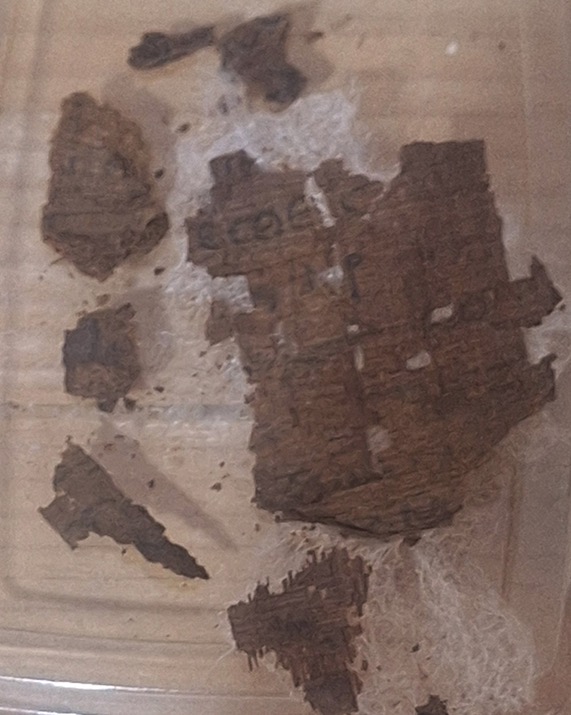
He explained that finding a literary work instead marks a major shift in understanding ancient burial practices.
The papyrus was recovered during recent excavations and later analysed by a team of experts, who were able to identify the Greek text after careful study.
Researchers say the inclusion of such a famous passage raises new questions about the cultural and symbolic role of literature in ancient funerary rituals.
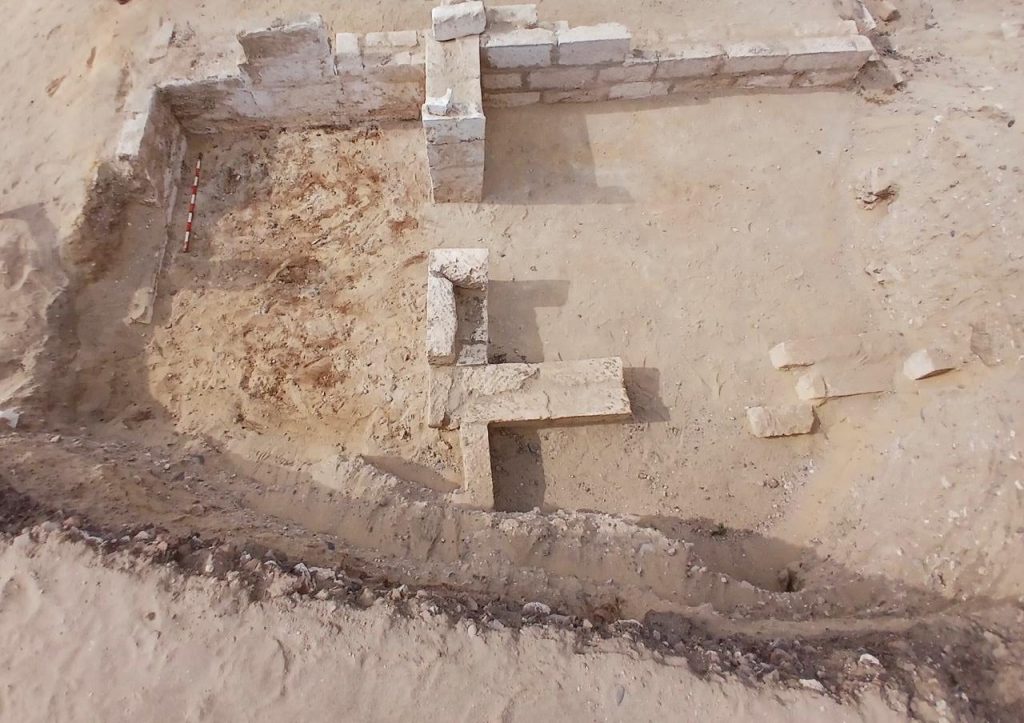
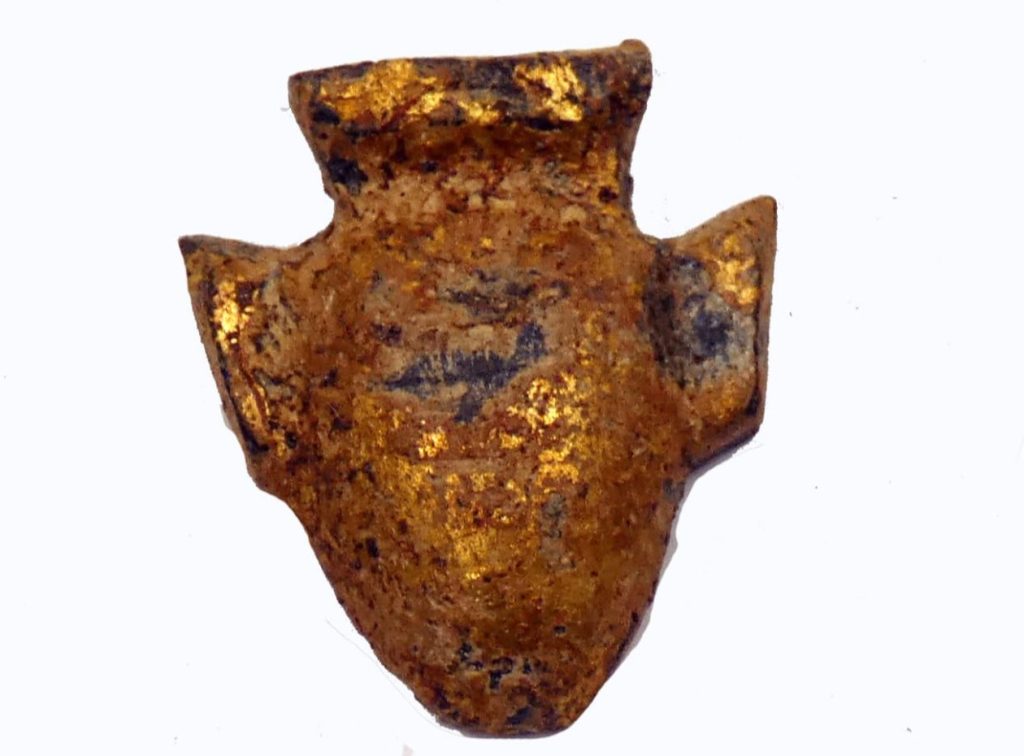
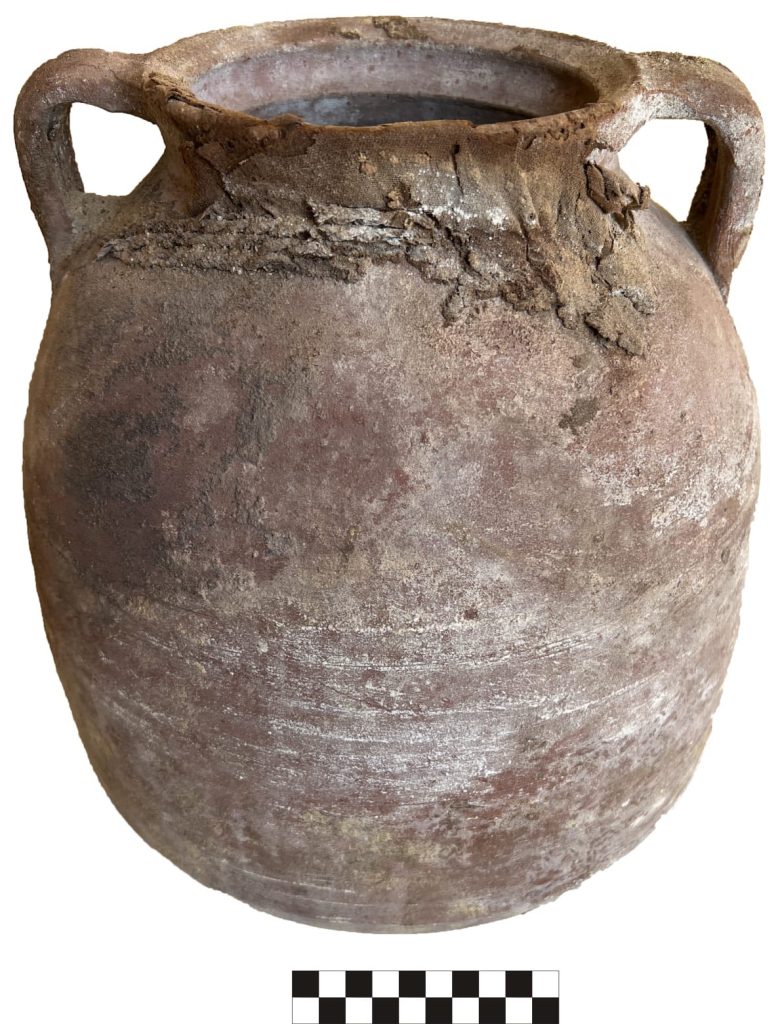
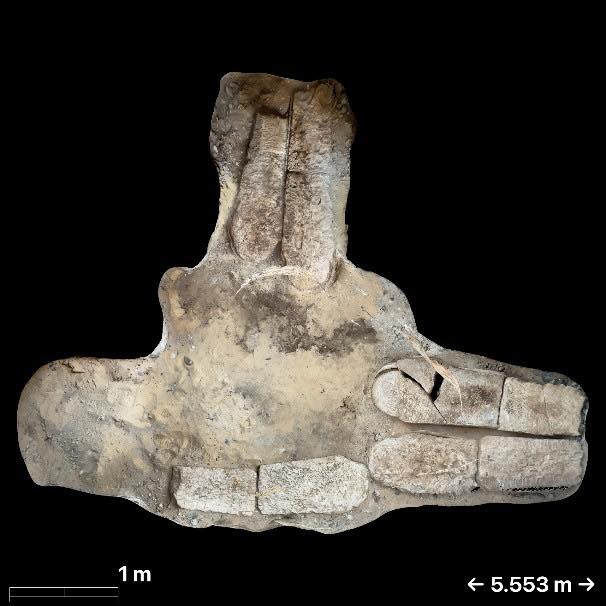
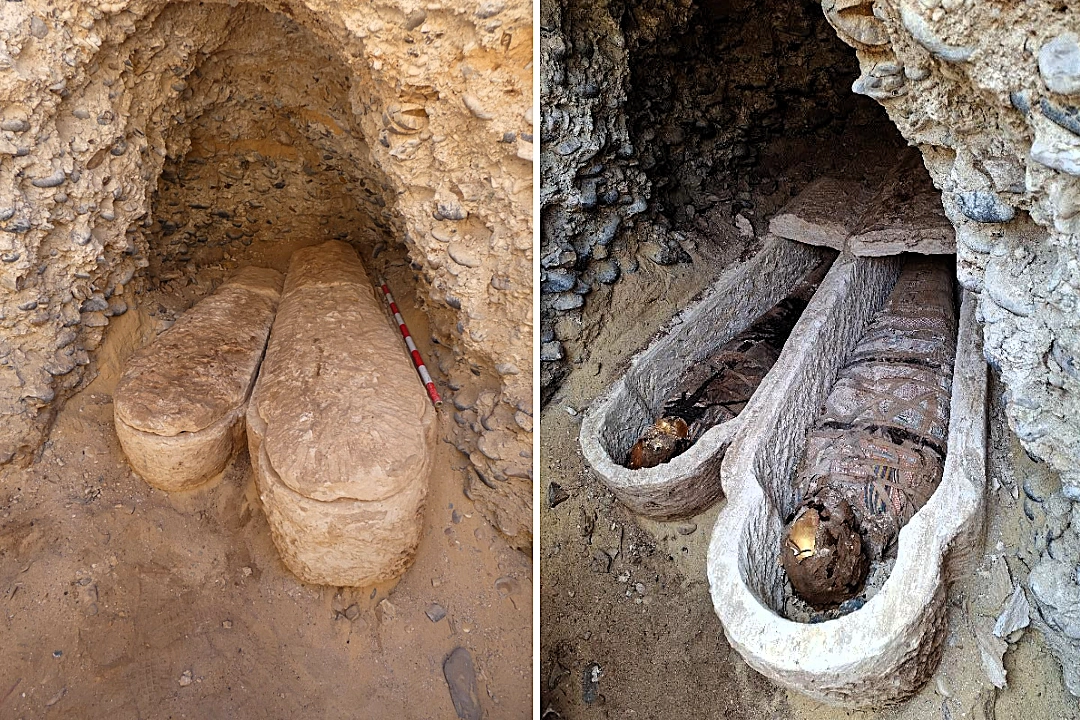
The mummy forms part of a wider excavation that uncovered multiple Roman-era burials, including decorated coffins and other unusual artefacts.
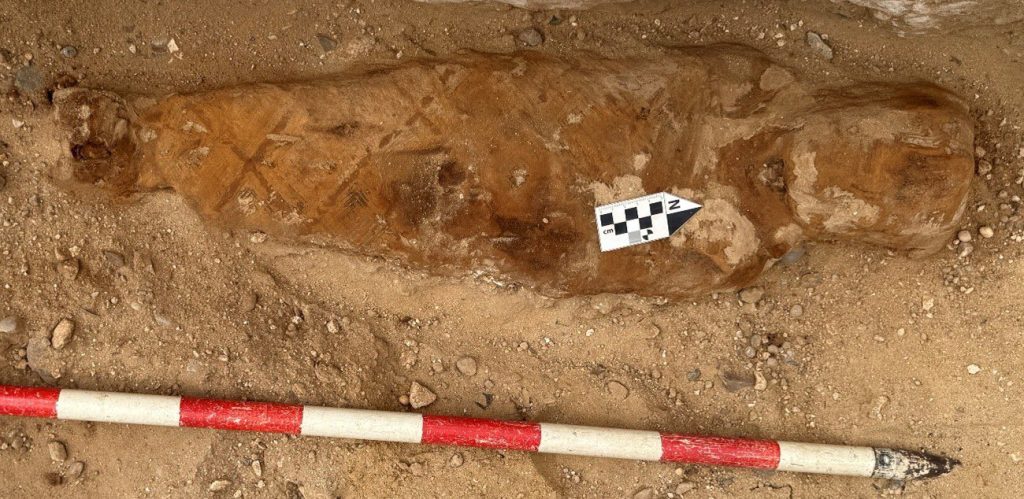
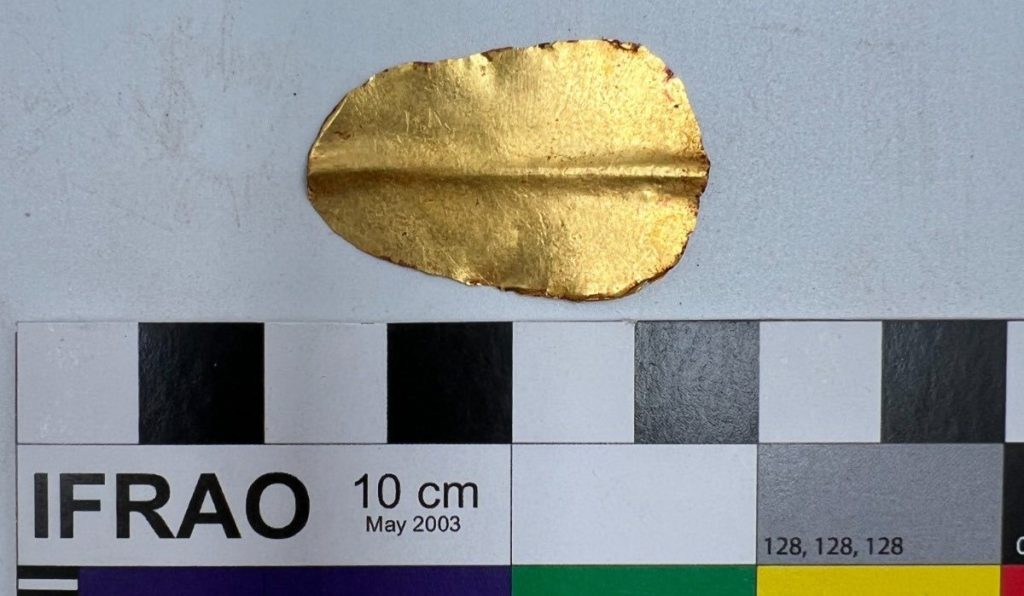
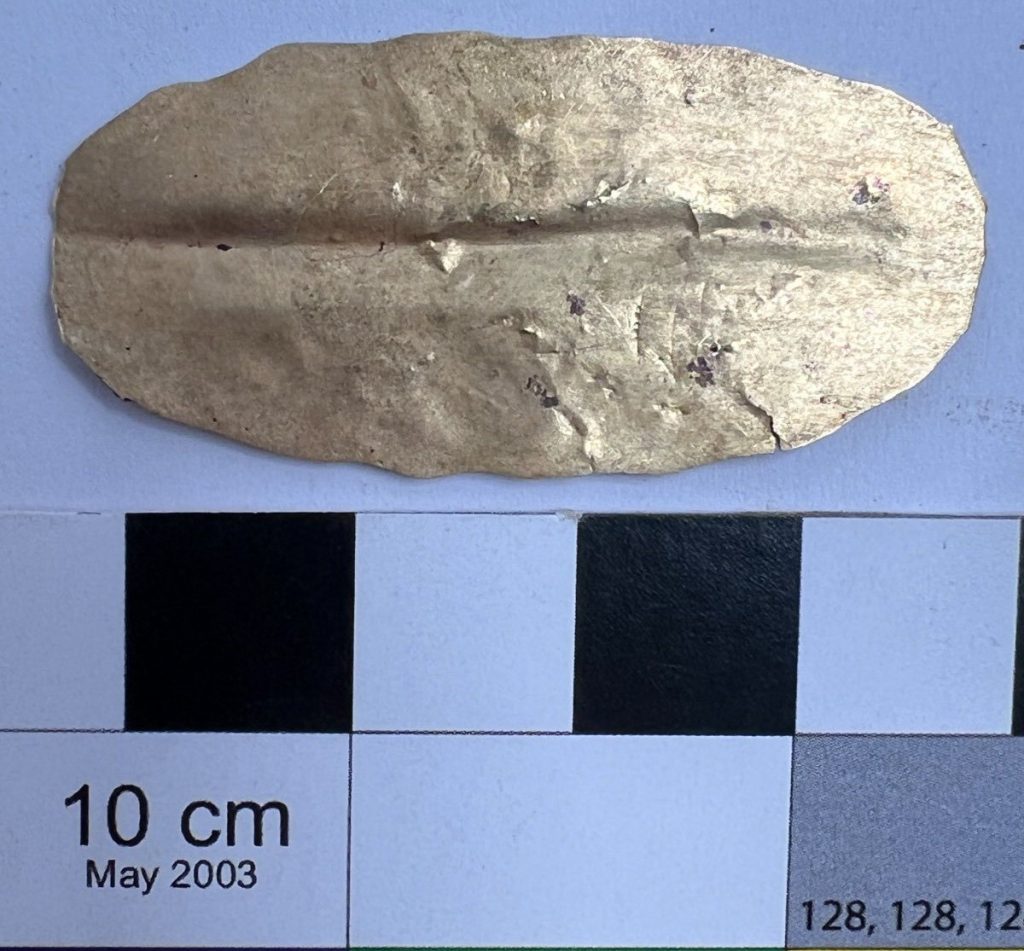
Among the discoveries were mummies featuring gold tongues – believed to have been placed in the mouth to help the dead speak in the afterlife.
The site itself has long been known for yielding important ancient texts, with thousands of papyri discovered there since the 19th century.
However, experts say this latest find stands out due to the rare combination of literature and burial practice.
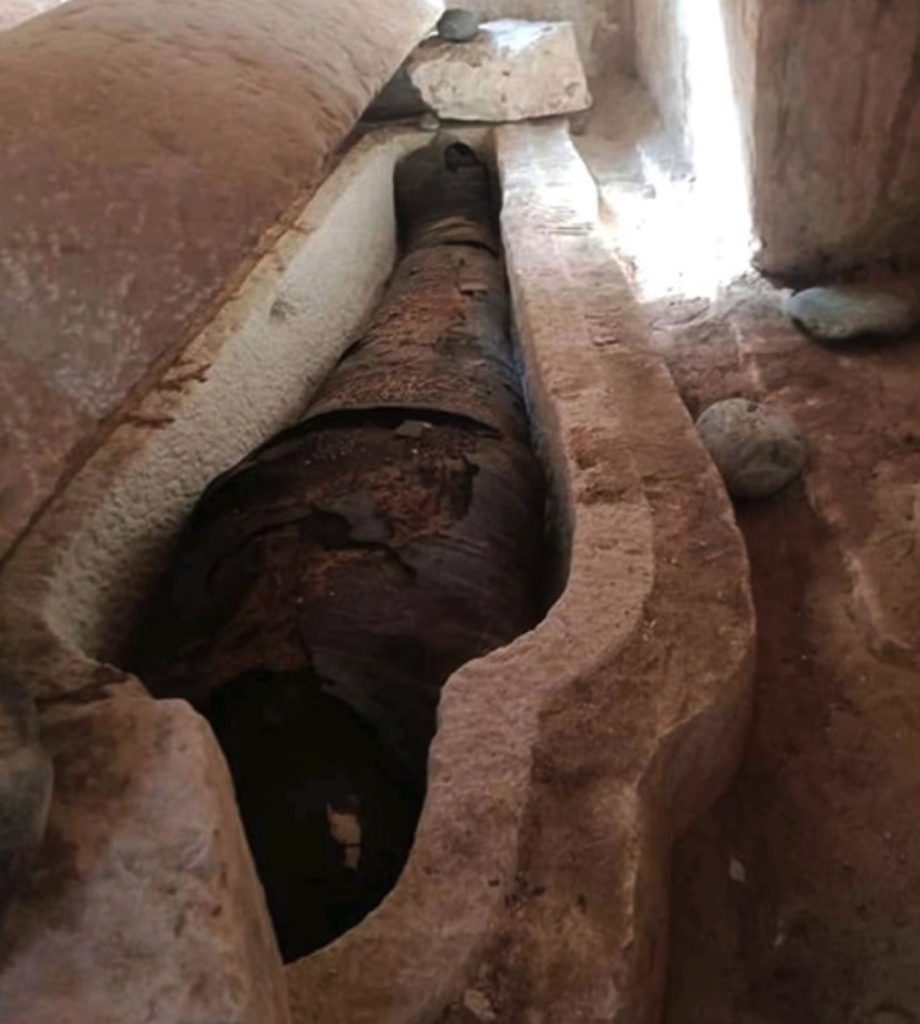
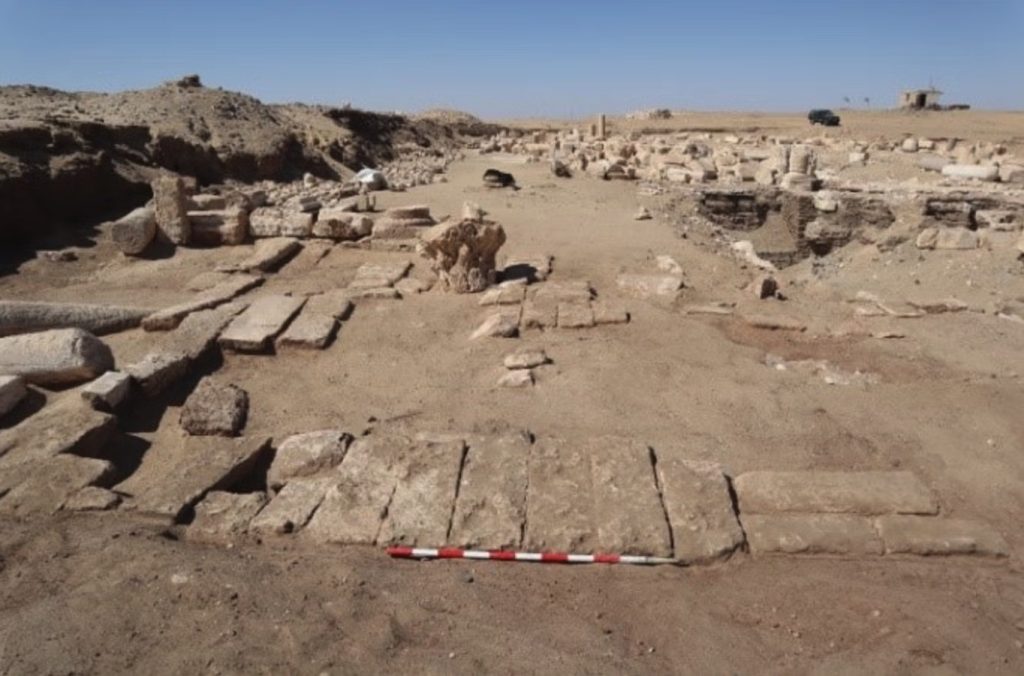
The excavation took place at the ancient city of Oxyrhynchus in Egypt – now known as Al-Bahnasa – located around 190 kilometres south of Cairo.
The site was once a major centre of Greco-Roman culture and has produced some of the most significant papyrus discoveries in history.
The research was carried out by a Spanish archaeological mission led by the University of Barcelona and has been published as part of ongoing studies into the site.
READ MORE: Killer bug found in 700-year-old mummy’s tooth