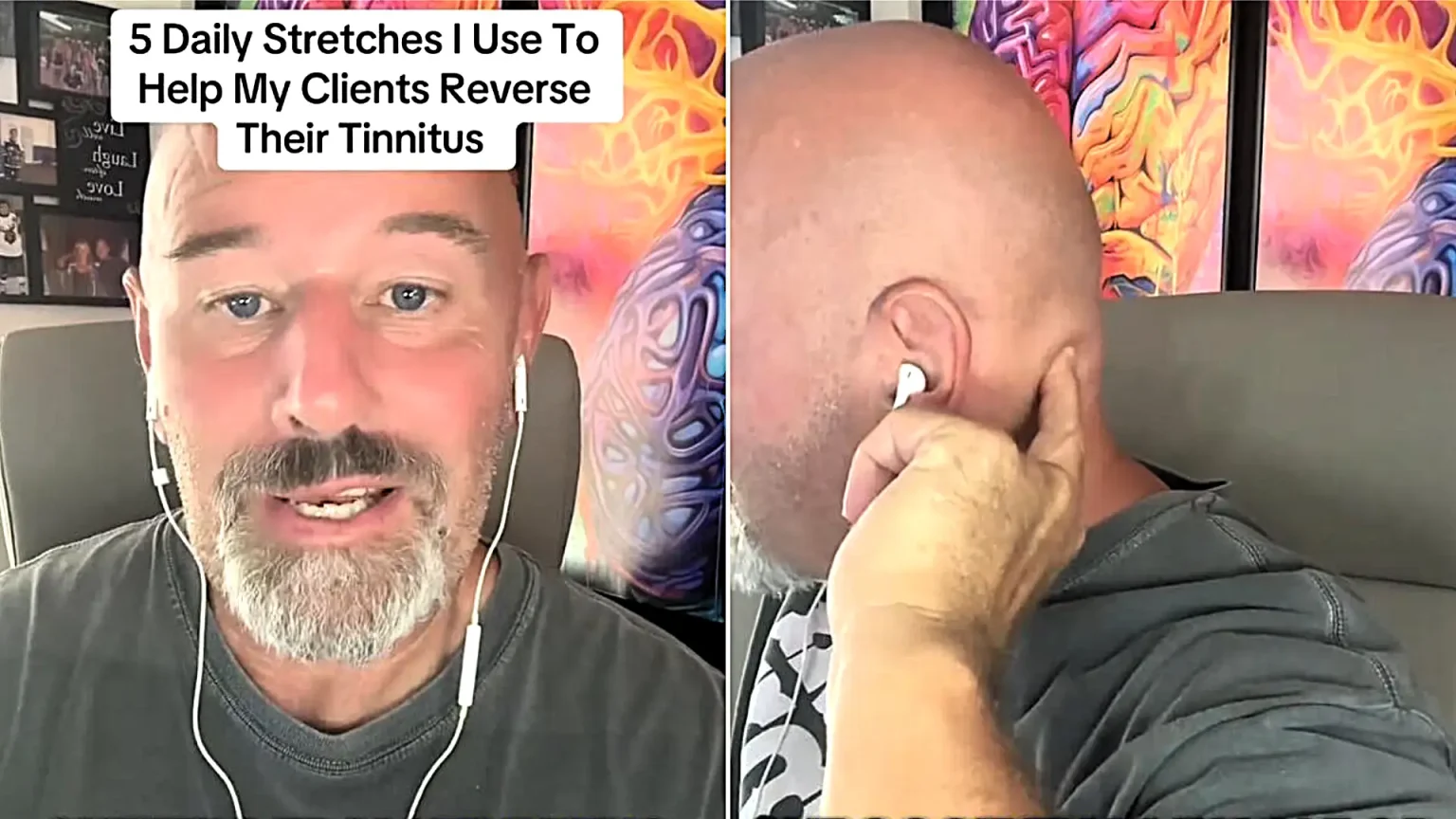

A neurologist has revealed the five simple stretches you can do to reverse tinnitus – and they are tried and tested by the medic.
Dr Clint Steele has over 30 years of experience in nervous system health and is trained as a brain-based chiropractor.
The 57-year-old often shares insights with his TikTok following of nearly 600,000, where recent posts on tinnitus have proved particularly popular.
Dr Steele, who is based in Maine, US, said the issue is not a hearing problem, as commonly perceived, and is instead a brain-based issue.
Sharing the clips with Need To Know, he said: “It’s actually a brain perception problem where your auditory cortex hears a phantom noise of some kind – usually some kind of ringing – but it’s a sign that your brain is over-stressed.
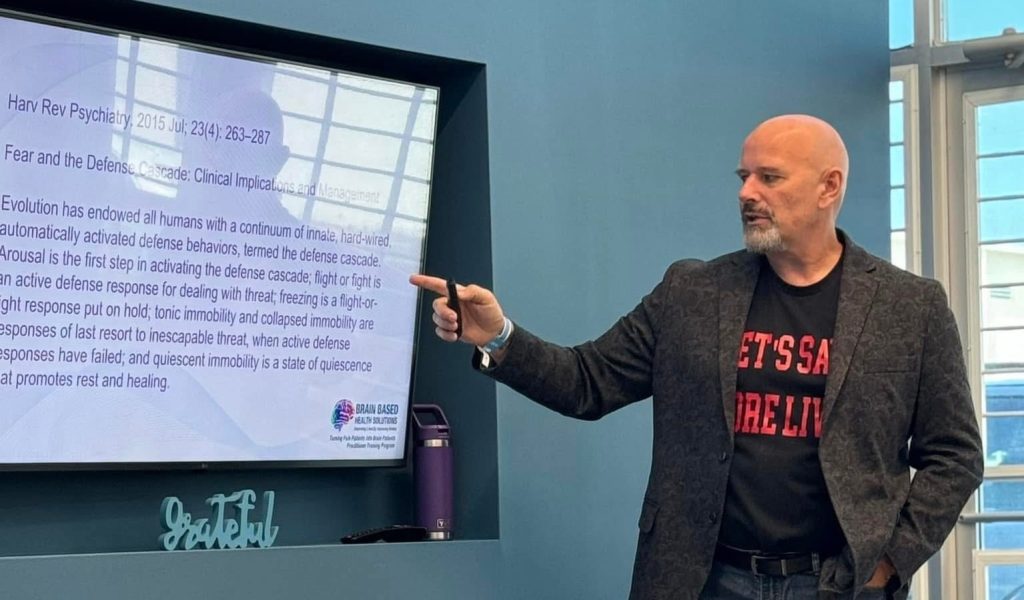
“Your brain is not communicating properly, and it’s not working properly.”
Dr Steele demonstrated the five stretches he says can reverse tinnitus entirely – starting with the mouth.
THREE JAW STRETCHES
He said: “[To do this] I open my jaw as wide as I can for five seconds.
“I’m going to rest, then do that five more times, for a total of six [stretches].”
Next up, Dr Steele stretches his lower jaw to one side, and then the other, for three seconds at a time – completing it a total of five times.
And finally, for the jaw, he massages the sides of the jaw, while open, for 90 seconds.
This, he says, targets jaw joints and muscles that can affect ear pressure and tinnitus.
SCM (STERNOCLEIDOMASTOID) STRETCH
Here, Dr Steele tilts his head to one side before turning to the left, holding position for 30 seconds, and then repeating on the opposite side.
He said: “This targets the front neck muscles that can alter cervical mechanics and breathing patterns.”
SUBOCCIPITAL RELEASE STRETCH
Next, Dr Steele cradles the base of the skull, tucks his chin and leans slightly forward, while keeping the eyes level.
He holds it for a minute and says this gently lengthens the base of the skull.
He added: “This targets deep muscles at the skull base often linked to head-related sensations.”
Dr Steele recommends doing this routine of stretches once or even twice per day, moving slowly, breathing evenly, and stopping if pain increases.
He added: “Consistency matters – aim for daily practice for several weeks to evaluate changes.
“If you do this consistently over time, you will trend towards decreasing your symptoms.
“The reason this works is because we are relaxing the muscles that have to do with stress, and it is associated with auditory cortex which increases the sounds from the tinnitus.
“So gradually you should start to see that decrease.”
READ MORE: How lack of sleep affects the heart: what the latest research says