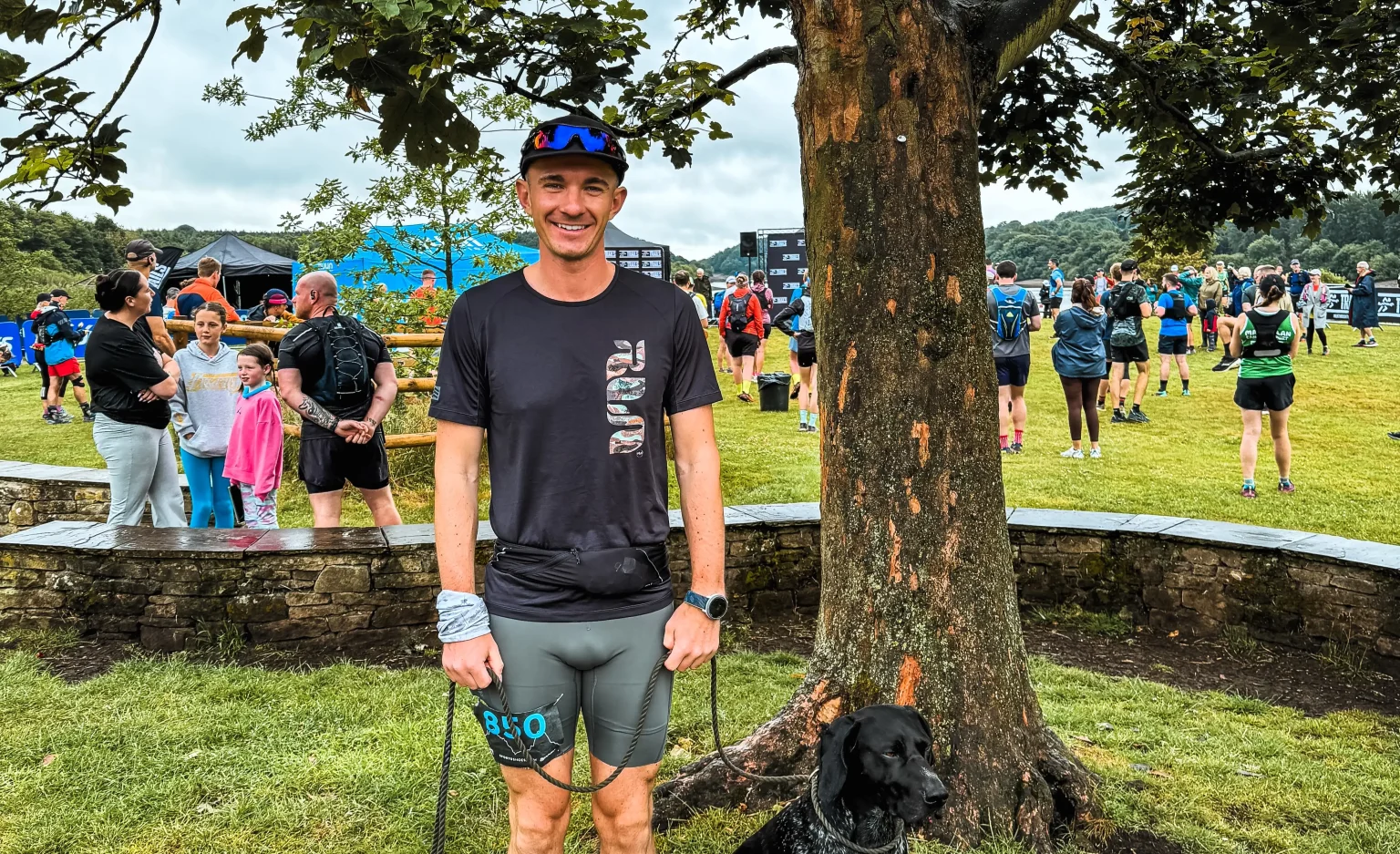

A man is “grateful for every single mile” after rebuilding his life following a shocking medical scare that left him fearing he would never walk again.
Jordan Irving was 25 when he went for what he thought was a routine X-ray for a “bad hip”.
Instead, doctors found multiple tumours in his leg and foot and told him they believed they were cancerous.
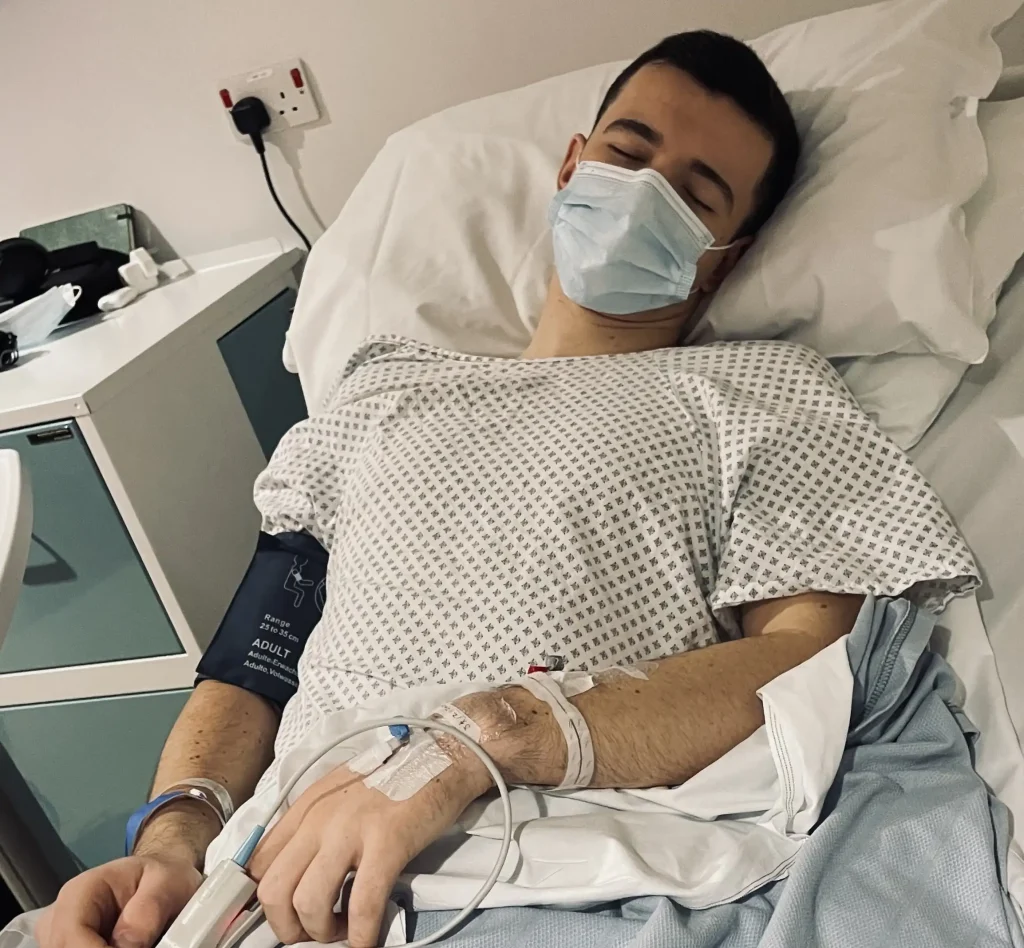
“The consultant took off his mask and basically held my hands to break the news, as I was on my own,” Jordan, from Conwy, Wales, told Need To Know.
“I wasn’t really sure how to react.
“What is the right reaction for a 25-year-old being told you’ve got multiple cancerous tumours?”
With lockdown restrictions in place at the time, Jordan had to sit with the diagnosis alone for days.
Because the tumours were spread across his leg and foot, doctors needed more advanced scans and biopsies to understand what they were dealing with.
Jordan was transferred to a specialist bone and cancer hospital for further tests following the December 2020 scare.
He said: “If there’s ever a time you hope a medical professional is wrong with the diagnosis, it’s when you’re told you’ve got cancer.”
Thankfully, at the specialist centre, the picture finally became clearer.
The tumours weren’t cancerous, but were caused by a rare bone condition called Polyostotic Fibrous Dysplasia, where normal bone is replaced by fibrous tissue.
The condition can be hard to spot early and often mimics sports injuries or joint issues, especially in younger adults.
While it wasn’t cancer, it still carried major risks: the tumours weakened his femur to the point that it could fracture at any time.
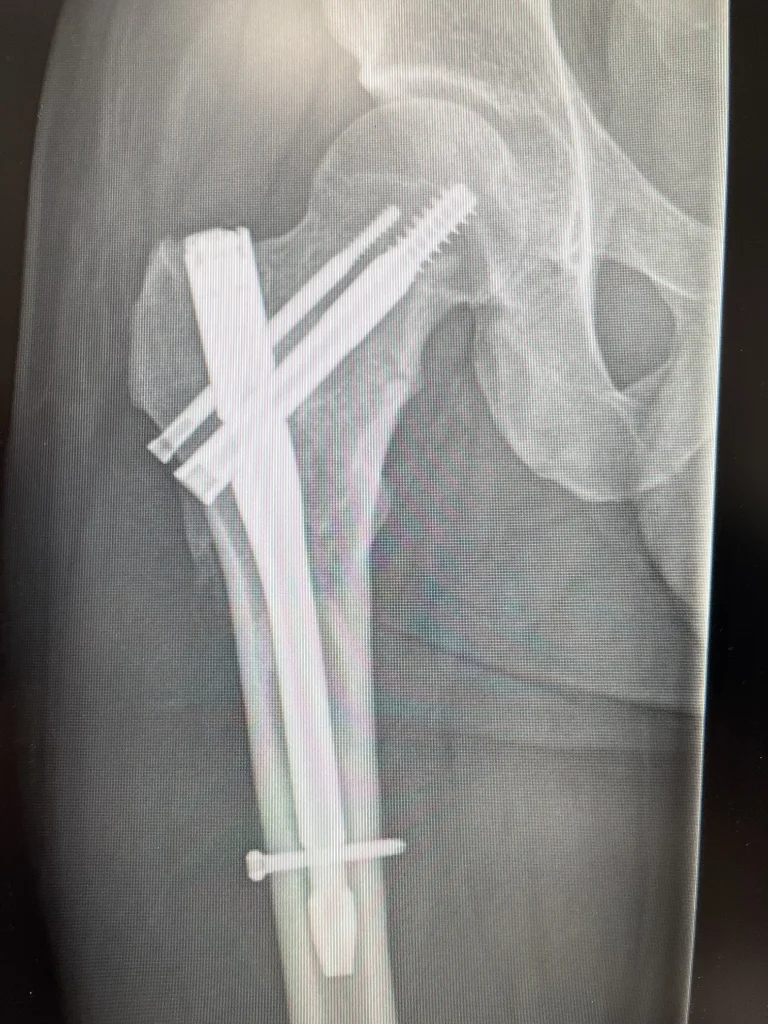
Within a week, Jordan was on an operating table having a titanium rod placed through his femur, bolted into place where his bone could no longer support him, in a procedure called intermedullary nailing surgery.
But even afterwards, he still had tumours in his shin and ankle, and the uncertainty of what his body could do.
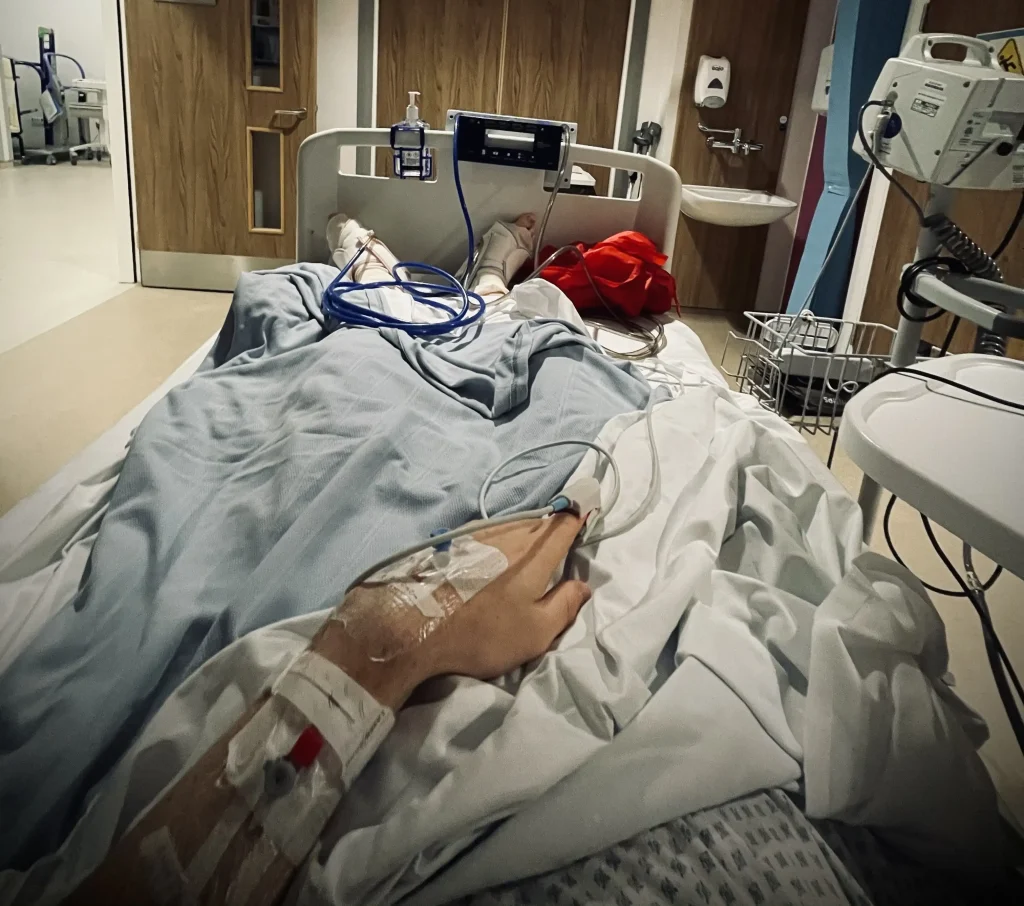
Jordan said: “Having times in the hospital after surgery, having to be helped on a zimmer frame to the bathroom by two nurses my own age did feel a little embarrassing.
“At that point, you’ve got to laugh and see the brighter side.
“There are so many people in far worse positions than myself.
“There was a chance I could never walk again, never mind where I’ve gotten to today.”
For months after the surgery, Jordan’s focus was simply learning to move again with a titanium rod fixed through his femur.
As he healed, he returned slowly to the outdoors in small ways, sticking to gentle movement and trying to reclaim everyday life.
Walking pain-free, regaining independence and feeling steady on his leg were the milestones that mattered.
Running didn’t feel possible, and certainly not part of his identity yet.
The turning point only came much later, in 2022, and entirely by accident.
A friend suggested doing the Welsh 3000s Challenge for charity and running parts of it.
That was the moment Jordan decided to try.
He said: “I told my partner I was going for a run – it was mostly a good excuse for me to buy a Garmin, but I had to stick to it.
“I went for my first official run in September 2022, a 5km on the local roads.
“I threw up my dinner after 3km, but carried on and got back home, mostly to prove my partner wrong!”
Jordan, now 30, said that the first run “changed everything”.
What began as a shaky 5km turned into a steady climb through distances he never imagined himself doing.
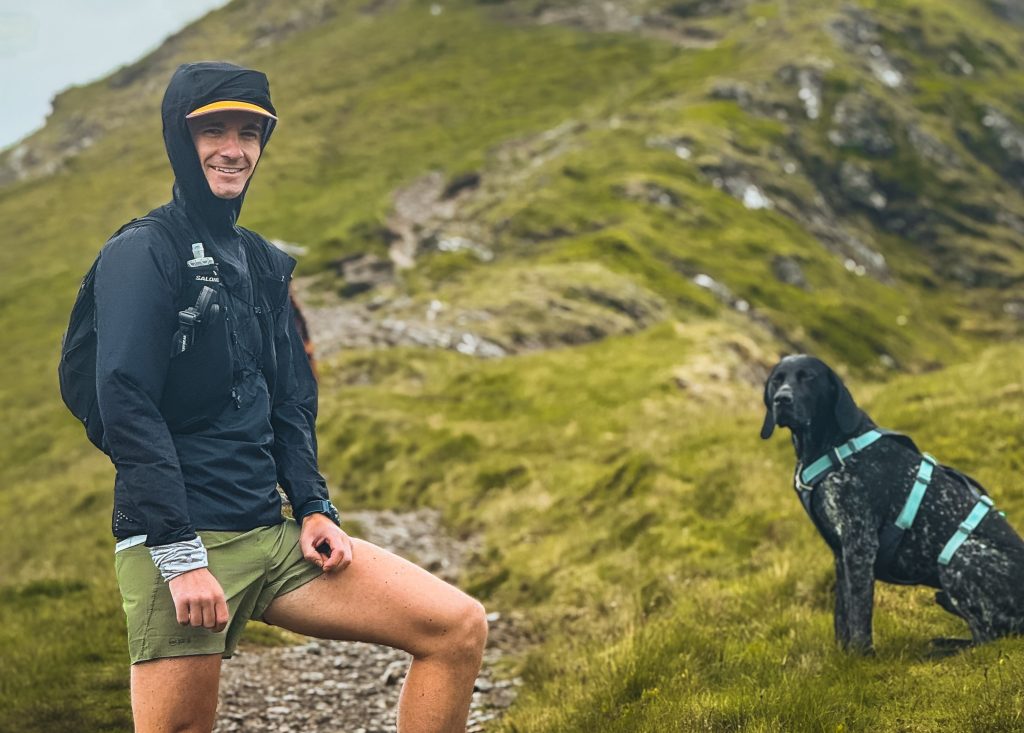
He went on to run a 10km, then a half-marathon, then a full trail marathon, and eventually the Welsh 3000s 14 Peaks Challenge.
Incredibly, Jordan went on to complete his first 56km ultra, and from there he threw himself fully into the world of ultra-running.
The tumours remain in his femur and tibia and are reviewed by a specialist bone and soft tissue tumour hospital, but day-to-day Jordan doesn’t face issues with his leg.
He said: “During exercise and during most longer runs and ultra-marathons, I do suffer with a lot of aching and pains in my hip and glute.
“This is to be expected when you look at an X-ray of my leg.
“It’s quickly dealt with in my mind, reminding myself of how lucky and fortunate I am to be able to be running around and making the most of my life.”
But pushing a body held together with a titanium rod comes with consequences.
The risk of injury is always there, something that became painfully clear during a sunrise training run in Tuscany, just 10 days before the Côte d’Azur 100km by UTMB.
He said: “I flew down a forest trail – an absolute stack.
“You roll your ankles all the time doing what I do, but this time I absolutely screamed.
“Within a few seconds, I knew it was game over for what I had planned.
“I had invested so much… but I guess the game is the game.
“I gave everything I had and put it all on the line.”
As the distances grew and the descents got steeper, Jordan knew he needed support that actually made a difference.
He added: “Recovery has been a huge part of my journey, and using Enertor insoles have been a genuine game changer, not only in recovery but as part of my everyday running.
“The shock absorption and comfort they provide have made a massive difference, especially with the mileage and terrain I put my body through.”
Running has transformed Jordan in ways he didn’t expect.
He said: “[It’s given me] purpose, and it’s made me a better person, for myself and the people closest to me.”
His mantra, “Do hard s***”, continues to push him forward.
He added: “You’ll be surprised what you can do with a bit of grit.”
If he could speak to the young man lying in a hospital bed, believing he had cancer, he knows exactly what he’d say: “Even if you fail, the pursuit will be a success.
“Don’t beat yourself up when you fall, roll with it, bounce back and go again.
“Failures and damage, that’s what really shapes you and makes you strong.”
READ MORE: Woman, 21, found out she had cancer after checking APP on her phone