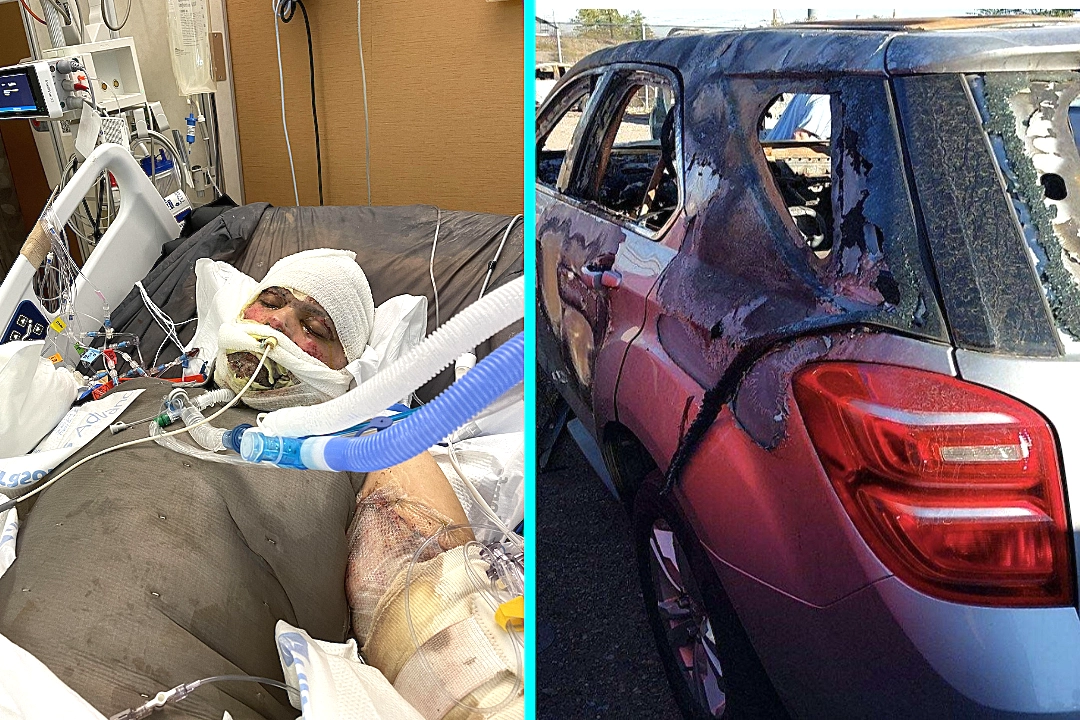

A nursing student who was left with half of his body burned after getting trapped in a car blaze has undergone 50 surgeries in just under two years.
Corey Halstead was left fearing it was his last day on earth.
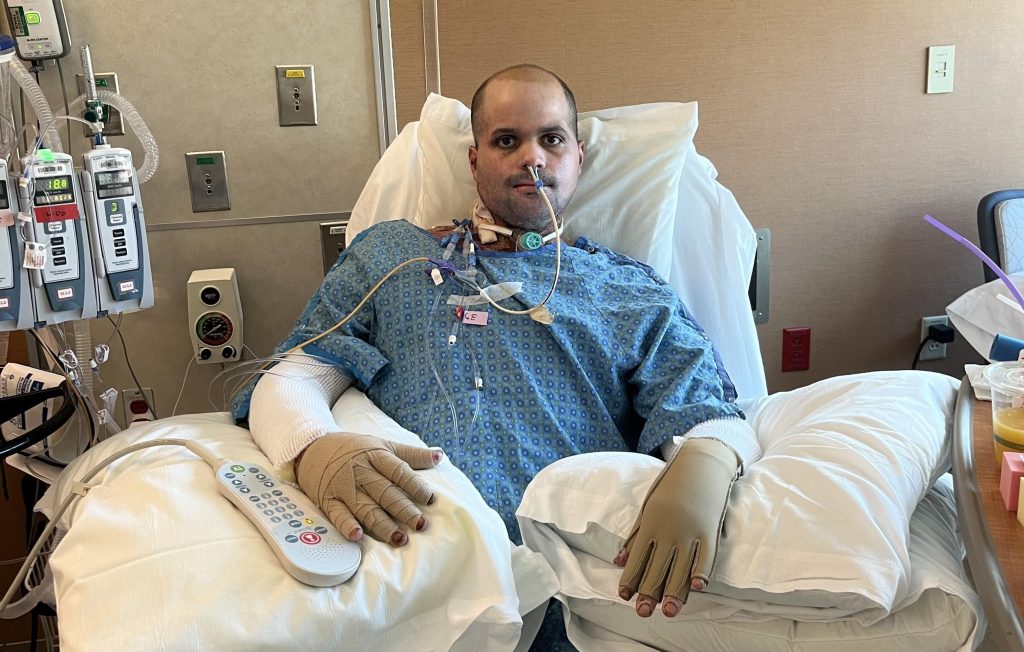
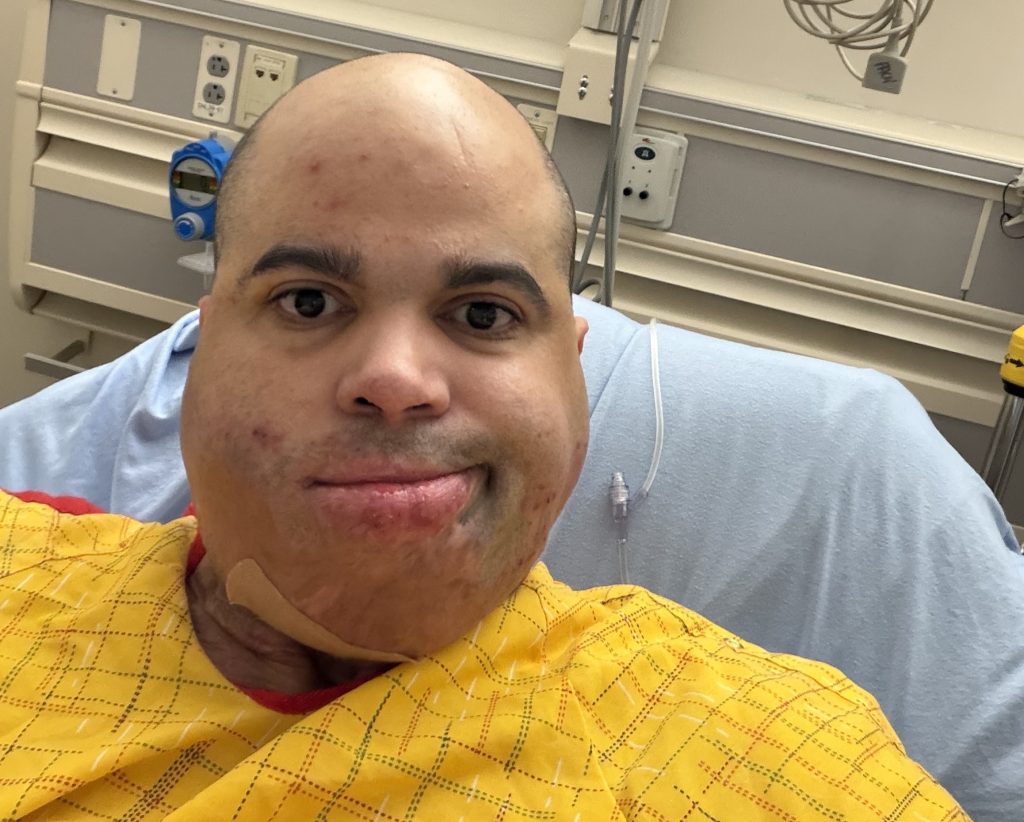
The 36-year-old suffered life-threatening injuries with extensive burns to his face, neck, torso, arms and legs.
READ MORE: ICU nurse reveals that everyone says THESE things before they die
He describes it as “one of the hardest experiences” of his life.
“I remember thinking about my family and my children and wondering if this was how my life was going to end,” Corey told Need To Know.
“There was panic, disbelief, and a very real awareness that I might not survive.
“At the same time, there was an intense instinct to stay alive, even while my body was being burned.
“It’s a feeling that stays with you.
“Fear doesn’t fully capture how I was feeling as the flames grew.”
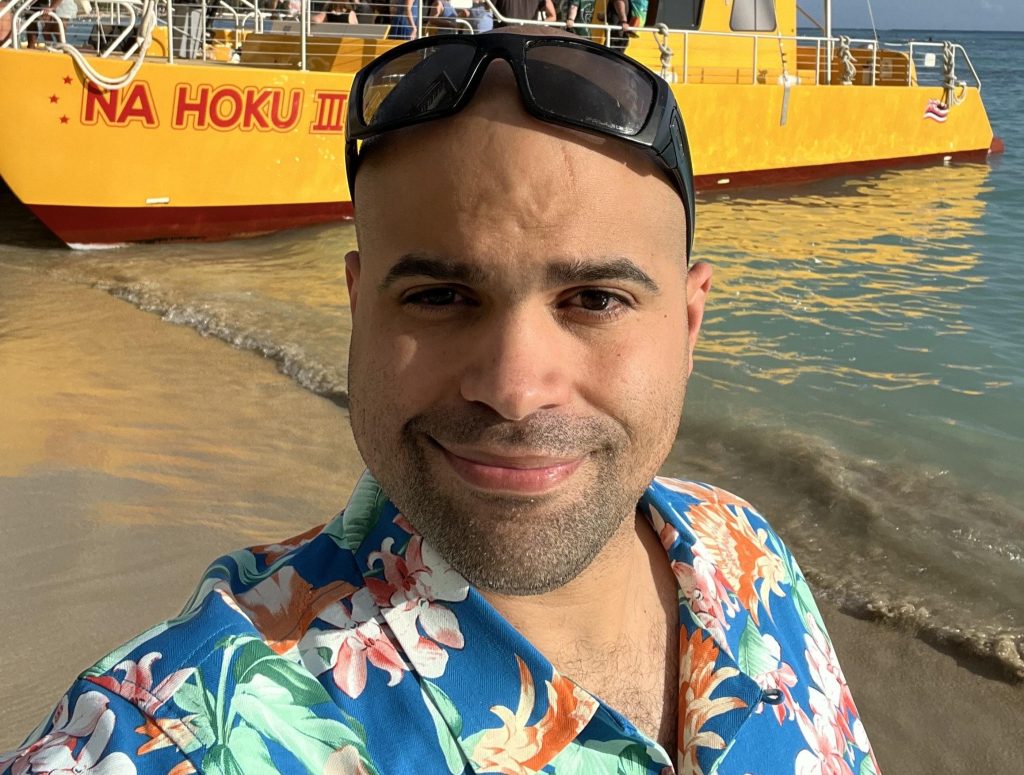
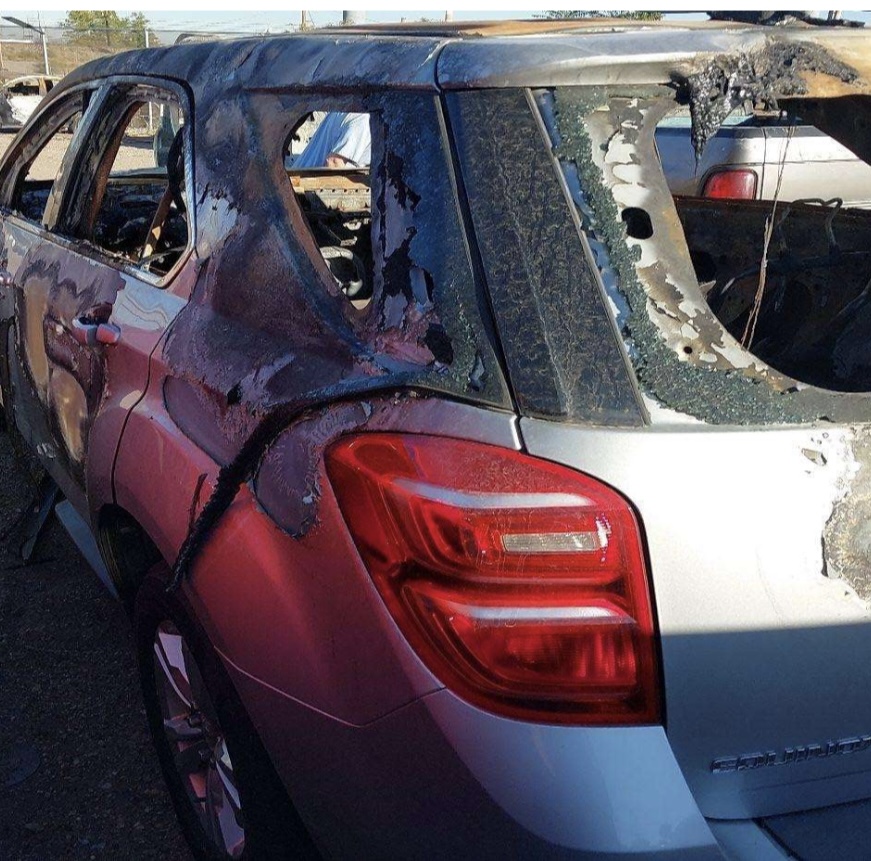
The car blaze happened in April 2024.
He said: “One moment I was driving, and the next the car was on fire.
“There was no time to process or think logically, only to react.
“Within seconds, the car was engulfed.
“Everything felt sudden and out of control.
“Seeing the car after the accident was extremely difficult.
“It was a stark reminder of how close I came to losing my life.
“It brought up fear, grief, and disbelief that I had survived something so devastating.”
Corey says the wait for emergency services “felt like an eternity” – even though in reality it was likely only minutes.
He added: “Time moved very strangely in those moments.
“I remember desperately hoping someone would arrive while also realising how exposed and vulnerable I was.
“I was rushed to the hospital and placed into intensive care, where the reality of the situation began to set in.”
Corey, who lives in Colorado, US, says the first few days were a “blur of pain, shock, and confusion”.
He said: “I was heavily sedated at times, but when I was awake, the pain and the reality of what had happened would hit all over again.
“The weeks that followed were incredibly difficult, both physically and mentally.
“Each day brought new procedures, new wounds, and growing uncertainty about what my body and my future would look like.
“Many of the burns were deep and required surgical intervention.
“By the time the surgeries began, including skin grafts and reconstructive procedures, I had already endured so much that I felt a mix of fear and surrender.
“I was terrified of the pain and outcomes, but I also placed complete trust in my medical team.
“There were moments of numbness, feeling overwhelmed, and where I questioned how much more my body could take.
“Beyond the physical injuries, the trauma also had a profound emotional and psychological impact, which is something many burn survivors experience but is not always visible.”
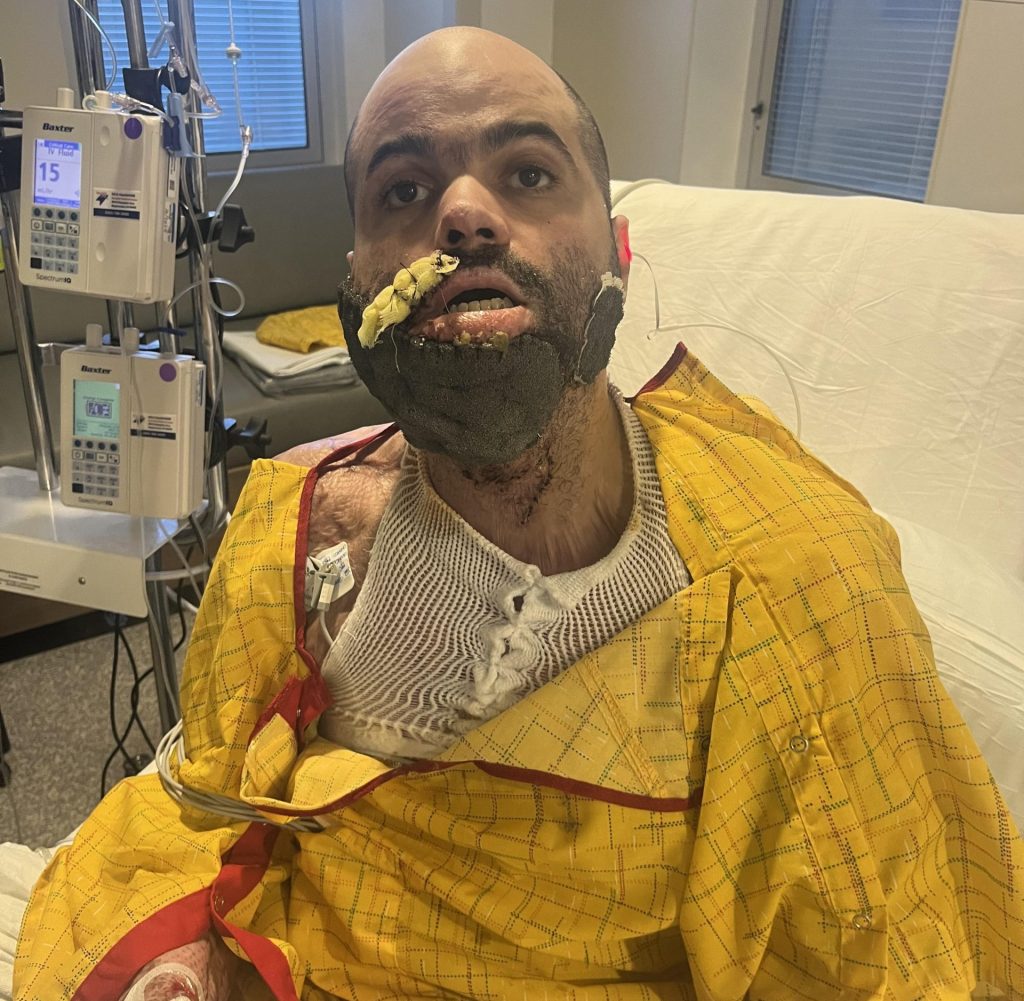
Corey after the fire, in hospital. (Jam Press/Corey Halstead)
A significant portion of Corey’s care was under the expertise of Dr Ryan Endress, a plastic and reconstructive surgeon at HCA HealthONE Swedish Medical Center in Colorado.
Corey, who was between jobs and experiencing homelessness before the fire, also faced issues around housing upon his release from hospital.
Some options proved unsafe or inappropriate for someone healing from severe burns.
He said: “After leaving the hospital, a hospital social worker provided me with a pamphlet on homeless shelters and advised me to contact them for placement.
“At that time, I still had open wounds, limited mobility, and ongoing medical needs.
“When I contacted the shelters listed, several of them told me directly that this was not an appropriate or safe environment for someone in my condition.”
With no suitable options available, Corey used what little savings he had to stay in a hotel for two months, relying on fundraising and support from others to cover the cost while he continued healing and attending medical appointments.
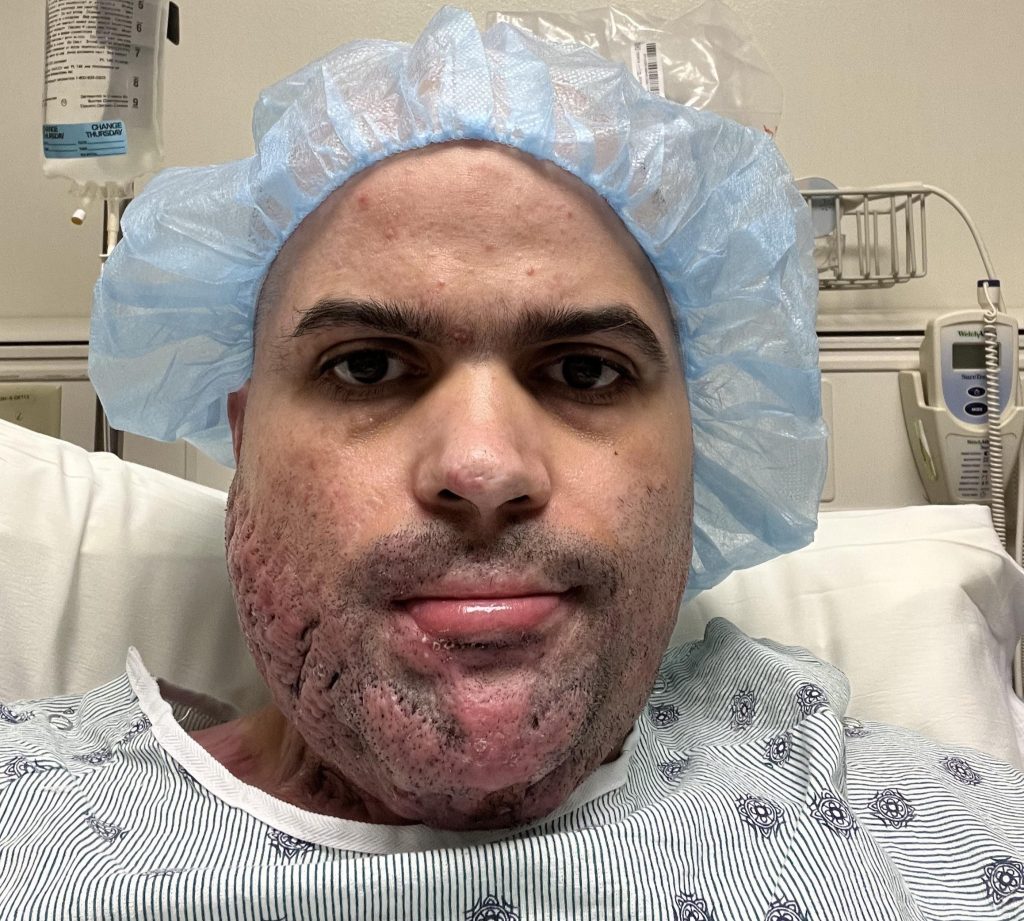
Corey after the fire, in hospital. (Jam Press/Corey Halstead)
Corey says his family, particularly his children who were living with their mother in Las Vegas at the time, were “deeply affected emotionally” by the accident, his hospitalisation and the uncertainty around his recovery and housing issues.
He says it was an “incredibly stressful and isolating time”.
Eventually, Corey secured a housing voucher and was able to obtain long-term housing.
His non-profit organisation, Healing Home Group, was born directly out of this experience.
The non-profit provides transitional housing, post-burn recovery services and emotional support for adult burn survivors and their families following hospital discharge.
It’s led by a team of survivors, caregivers, medical professionals, mental health advocates, and non-profit leaders.
Corey also hosts a podcast called All About Burns, which features physicians, survivors, and medical professionals.
He said: “While I’m grateful I was able to find stability, that experience highlighted a major gap in post-discharge support for burn survivors.
“That period of fear and uncertainty played a significant role in inspiring the creation of Healing Home Group, so others wouldn’t have to navigate recovery without safe, appropriate housing.
“I think it’s important to highlight that burn recovery does not end when someone leaves the hospital.
“The emotional, mental and logistical challenges often continue long after.
“Sharing my story is about raising awareness and encouraging greater compassion and long-term support for survivors.”
Corey has plans to attend medical school in the future, and hopes to become a plastic and reconstructive surgeon with a focus on burn surgery.
He is currently raising money to replace his car and give him back his independence.
He added: “The accident changed every aspect of my life, from daily routines to independence and long-term plans.
“My family became my backbone throughout recovery, especially after discharge, when navigating life outside the hospital proved to be one of the biggest challenges.
“That period exposed how limited support systems can be for burn survivors once inpatient care ends.
“There were moments of fear, pain and uncertainty but also moments of deep gratitude.
“The care I received from medical professionals, along with the support of my family and fellow survivors, helped carry me through the most difficult days.
“Mentally and emotionally, it was one of the hardest experiences of my life, and learning to accept a changed body while continuing to move forward has been a journey of resilience.”
READ MORE: Couple who gorged on loaf of bread EACH and litres of Coke per DAY shed 40 stone


