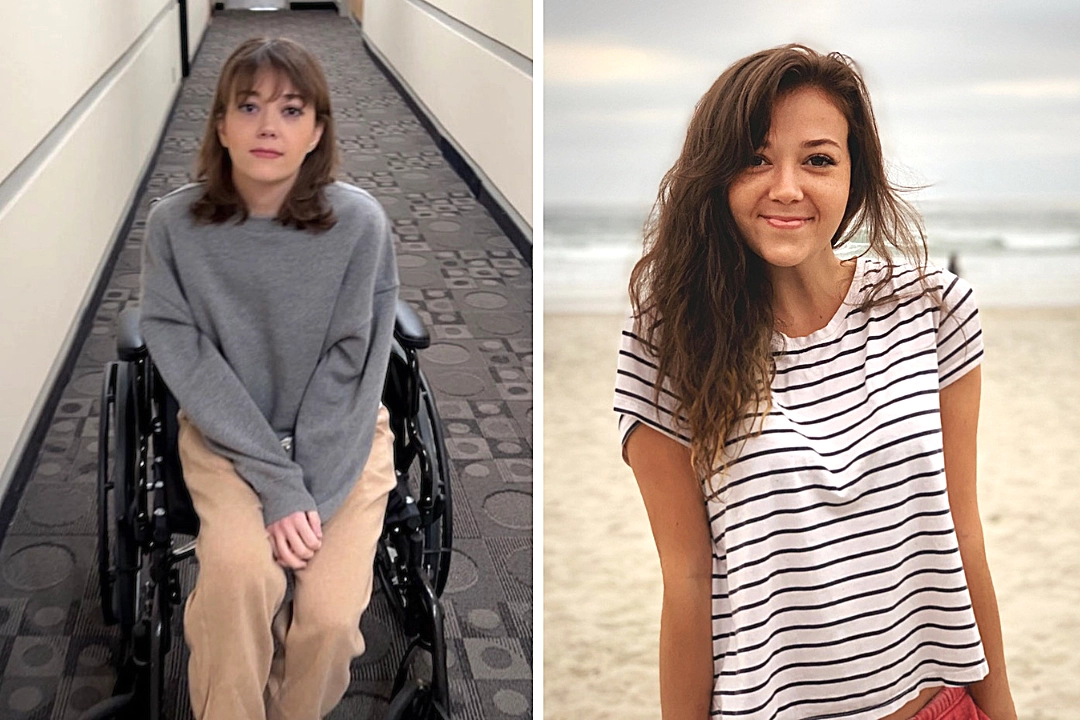

A woman was left wheelchair-bound and fighting for her life after a commonly-prescribed antibiotic wreaked havoc on her body.
Kiley Woodland was given Cipro antibiotics while in the hospital, suffering stomach pain as a “precaution” against possible infection.
The 34-year-old claims she wasn’t warned about any of the risks attached – and ended up having a rare, but life-changing, reaction to the drug.
Her symptoms started over the following days, with Kiley suffering painful muscle spasms, insomnia, fatigue and brain fog – but didn’t make the connection to the antibiotic.
But after dealing with intermittent symptoms for years, things took a turn for the worse, and she noticed worrying pain in her hips and legs, and thought she had slipped a disc.
X-rays and scans revealed nothing, but after Kiley took Aleve, a non-steroidal anti-inflammatory (NSAID) drug to manage the pain, her health “collapsed” rapidly, within just a matter of hours.
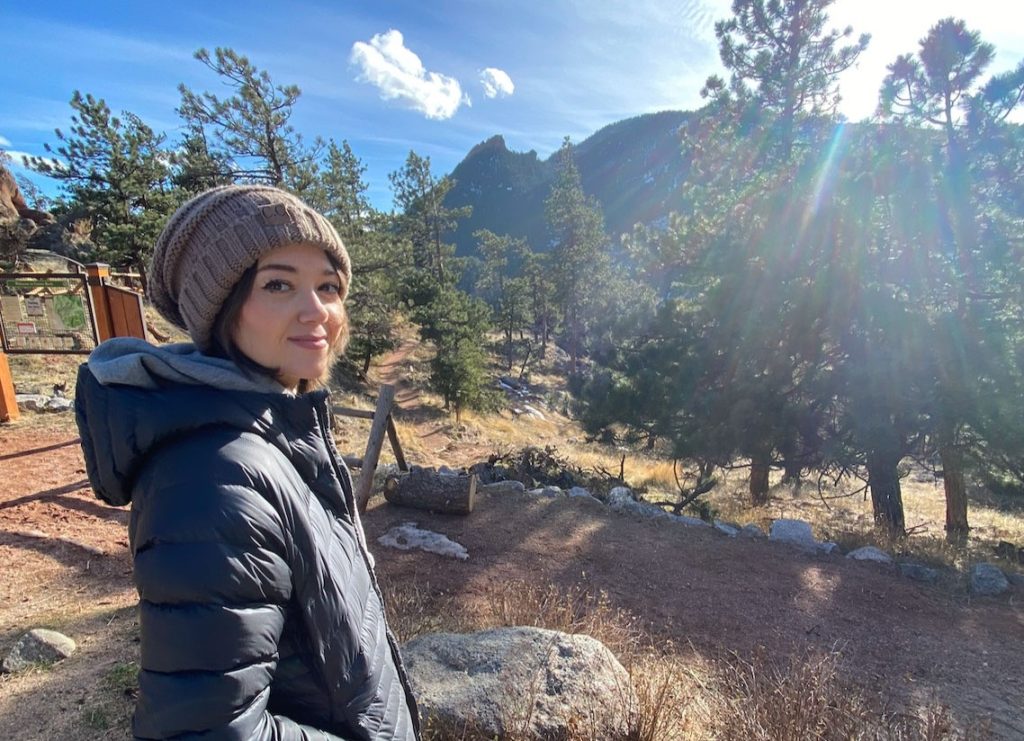
Doctors later explained that NSAIDs can trigger a severe systemic response in people who have previously taken fluoroquinolone antibiotics – like Cipro.
“It was like a bomb went off in my body,” Kiley, a singer-songwriter from Colorado, US, told Need To Know.
“It’s hard to put into words what this experience was like.
“I became bed-bound and wheelchair-bound, with searing tendon and nerve pain, joint swelling and neurological symptoms like hallucinations.
“It was terrifying and unreal.
“My skin was on fire 24/7, and even the smallest movement would unleash blinding pain that would make me pass out.
“I couldn’t use any part of my body – my partner even needed to pour water into my mouth so I could stay hydrated.
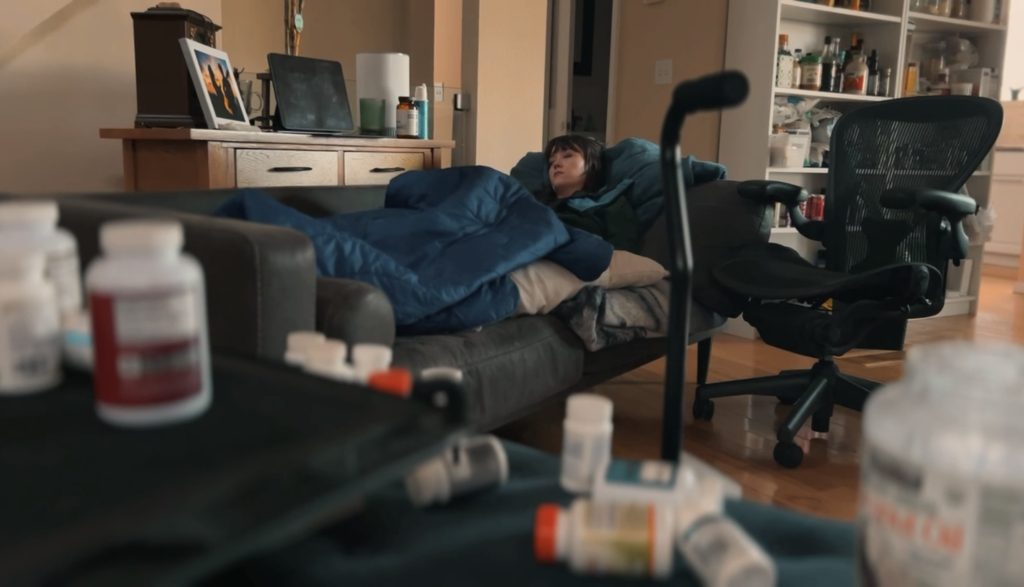
“It was like being trapped in a nightmare I couldn’t wake up from – a torture chamber for the body and mind.
“It felt like my entire world was collapsing.”
Kiley had first been given Cipro in July 2019 –a form of fluoroquinolone antibiotic – which is associated with rare, but serious side effects, including long-term cellular and neurological damage, as in Kiley’s case.
It wasn’t until she took Aleve [NSAID] that her condition plummeted.
From there, her decline happened so rapidly that she was in extreme pain within hours of taking the medication.
As her symptoms rapidly worsened and she lost mobility, she sought urgent medical care while working to find doctors familiar with the complexity of her condition.
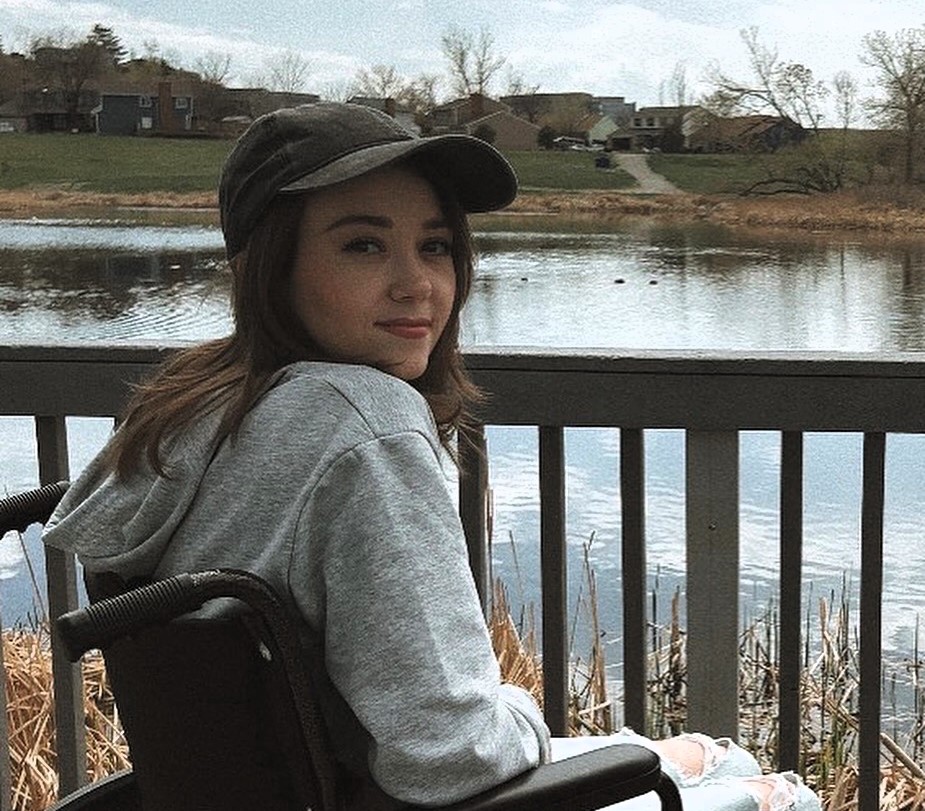
Kiley said: “My life was reduced to survival.
“During the worst of it, my partner became my full-time caregiver, helping me eat, drink water, and get to and from the bathroom.
“After what felt like endless sleepless nights and suffering, I came across a post from another woman describing being ‘floxed’ after taking Cipro, and it hit me like a ton of bricks – I remembered that I had been given Cipro.”
‘Floxed’ is a term used by patients who experience severe or long-term adverse reactions to such antibiotics.
Within weeks of taking the NSAID and experiencing the debilitating symptoms, she found the post online that offered an explanation.

Kiley started researching, and found a doctor in Los Angeles who specialised in the extreme reaction she’d experienced.
She said: “The doctors explained that it wasn’t an allergic reaction, but a severe adverse response to the antibiotics – they are designed to kill bacteria, but in some cases can damage human cells in the process.”
She spent a month undergoing intensive regenerative medical treatment – including IVs, peptide therapy and stem cell transplants – there, and came home feeling “stabilised”, although far from her normal self.
Ever since, Kiley has been “rebuilding” her health “from the ground up” – resting, undergoing physical rehabilitation, taking supplements and undergoing medical therapies like IV treatments.
The young woman said it feels “surreal” knowing this all came from a commonly-prescribed medication.
She added: “It’s devastating, frustrating and overwhelming all at once.
“I’m not anti-medicine – I believe these drugs have a time and a place.
“But I also believe patients deserve informed consent, and to be taken seriously when something feels wrong.
“I never imagined a commonly prescribed antibiotic could alter my life so profoundly, but it
did.”
Throughout her ordeal, Kiley says she has been shut down by doctors, who “repeatedly dismissed” her and even reportedly claimed it was “all in her head”.
After finding answers online, she started documenting her recovery journey on social media, under the moniker Celebrate The Little Wins, providing a community and resources to other people undergoing life-altering health crises.
Kiley said: “I was shocked by how many people described the same pattern: being dismissed or misdiagnosed, or told they were imagining it.
“I’ve now heard from hundreds of healthcare professionals who have admitted they weren’t aware just how severe these reactions can be – which is terrifying when medications like Cipro are prescribed so commonly.”
Now, more than six years on from first taking the antibiotics, Kiley is rebuilding her life and has been able to return to her passion for creating music.

She has been undergoing physical rehabilitation after years of not being able to properly move her body, and is finally able to spend time away from her wheelchair – recently being able to walk around the supermarket herself.
Kiley said: “Little wins like that have given me confidence that I’m truly moving forward.
“I’m holding the vision of being back on stage, performing the music that I wrote while trying to survive.
“Now, I’m recovering and rebuilding, and genuinely doing better.
“I can walk again and function independently for the most part, and only need a wheelchair occasionally, like for big stores or airports.
“I’m in a completely different chapter than where I was.
“When I was at my lowest, sharing my story helped me find support and community, and it changed everything for my healing.
“I want people who feel alone to know that they deserve support. There are good people out there who are willing to help – even if it takes time to find them.”
Reflecting on her journey, Kiley says one of the biggest lessons was choosing to believe that the chapter she was in wasn’t the end of her story.
She added: “When I couldn’t do much physically, I held tightly onto what I still had.
“I could still think and dream, and that helped me keep going.”
READ MORE: ‘I was watching my cancer spread for YEARS and didn’t even realise’