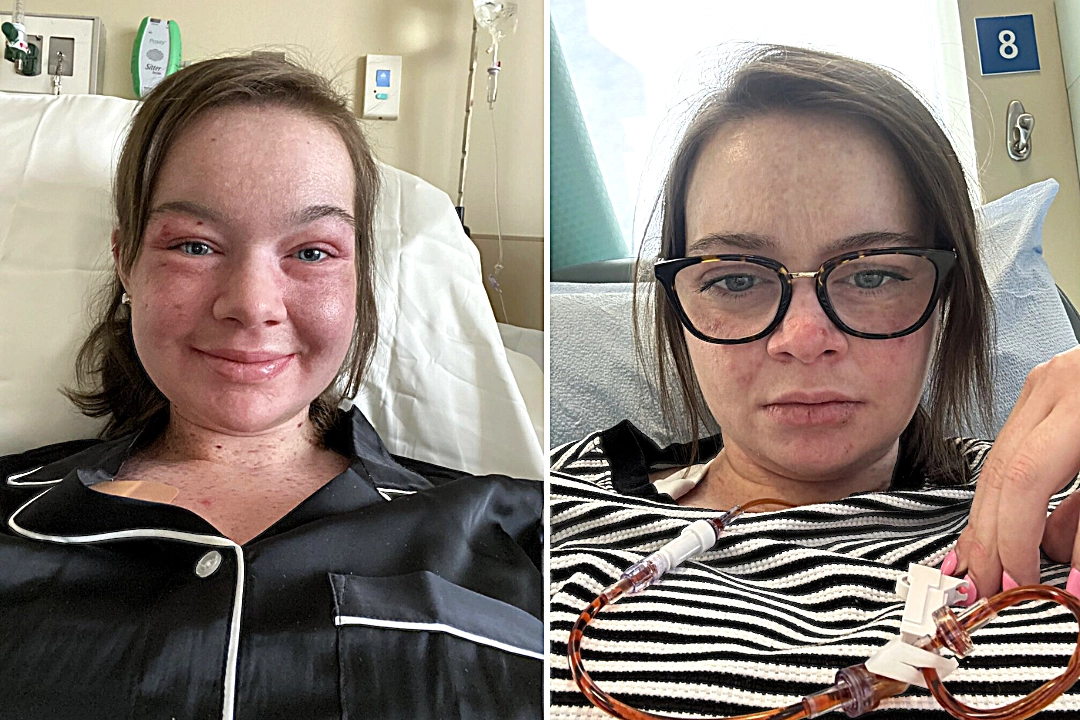

A woman with an allergy to the sun has revealed how quickly exposure can lead to devastating symptoms – with her skin burning, blistering and even peeling off after as little as 15 seconds under UV rays.
While summer is a season many of us count down the days until, for Jennifer Broyden it’s very different.
The 24-year-old suffers from a rare, incurable autoimmune disease where her immune system attacks her muscles and skin instead of protecting her – which has led to her developing a ‘sun allergy’.
READ MORE: Girl, 6, has sight restored through ‘life-changing’ first of it’s kind gene therapy
Even the briefest sun exposure can trigger a reaction, including muscle atrophy and skin blistering, making the summer months difficult to navigate.
“My skin will start to burn and break out into rashes, sometimes even blistering,” Jennifer, from southwest Virginia, US, told Need To Know.
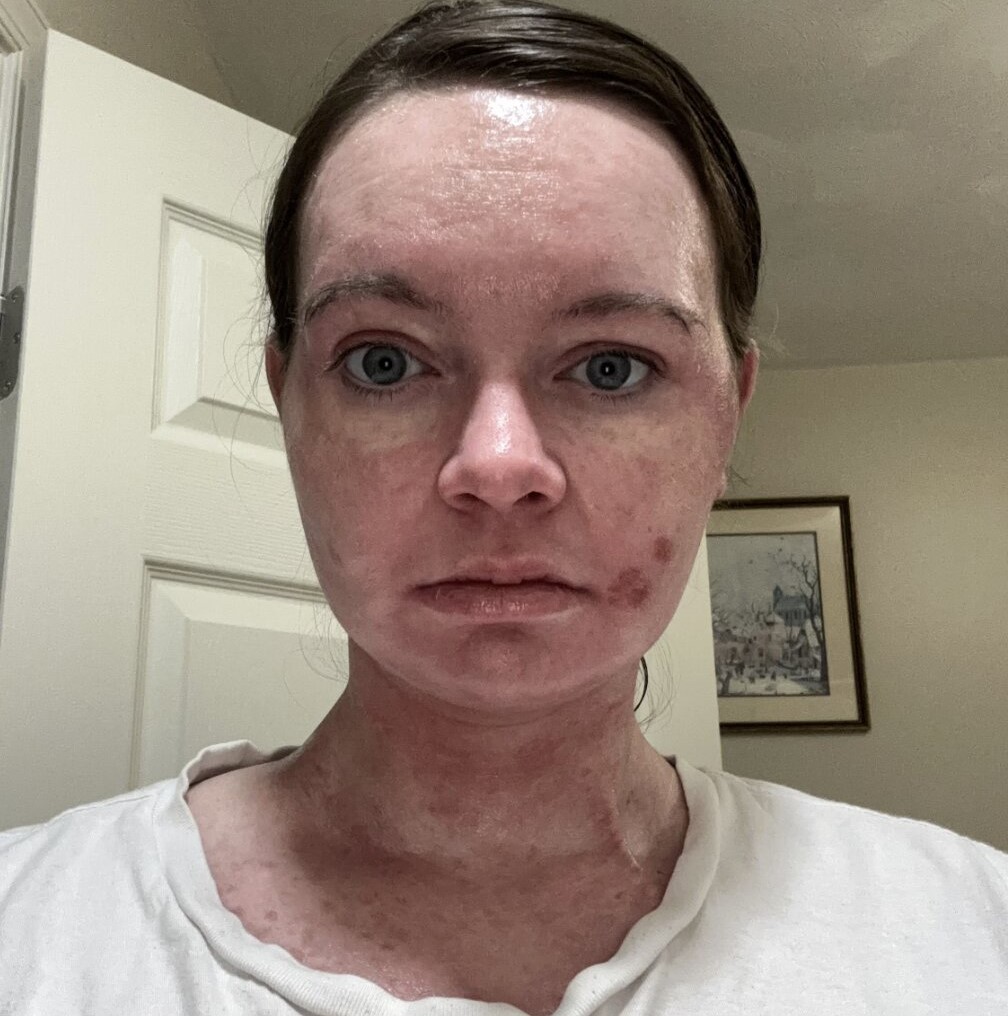
“I begin to feel a burning, stinging sensation all over my body, and I quickly begin to feel nauseous and dizzy.
“I start to feel my heart rate elevating, and begin profoundly sweating, and feel like I am overheating to the point of wanting to pass out.
“Once I get inside, these feelings subside, but I often feel exhausted and need to recover after.
“And beyond that, it can set off a bigger reaction in my body, leading to extreme fatigue and worsening muscle weakness.”
Jennifer, a master’s student, developed the worrying condition in 2021 as a side effect of her dermatomyositis – a rare, chronic autoimmune inflammatory disease that causes muscle weakness, pain, and a distinctive skin rash on the eyelids, knuckles, and chest.
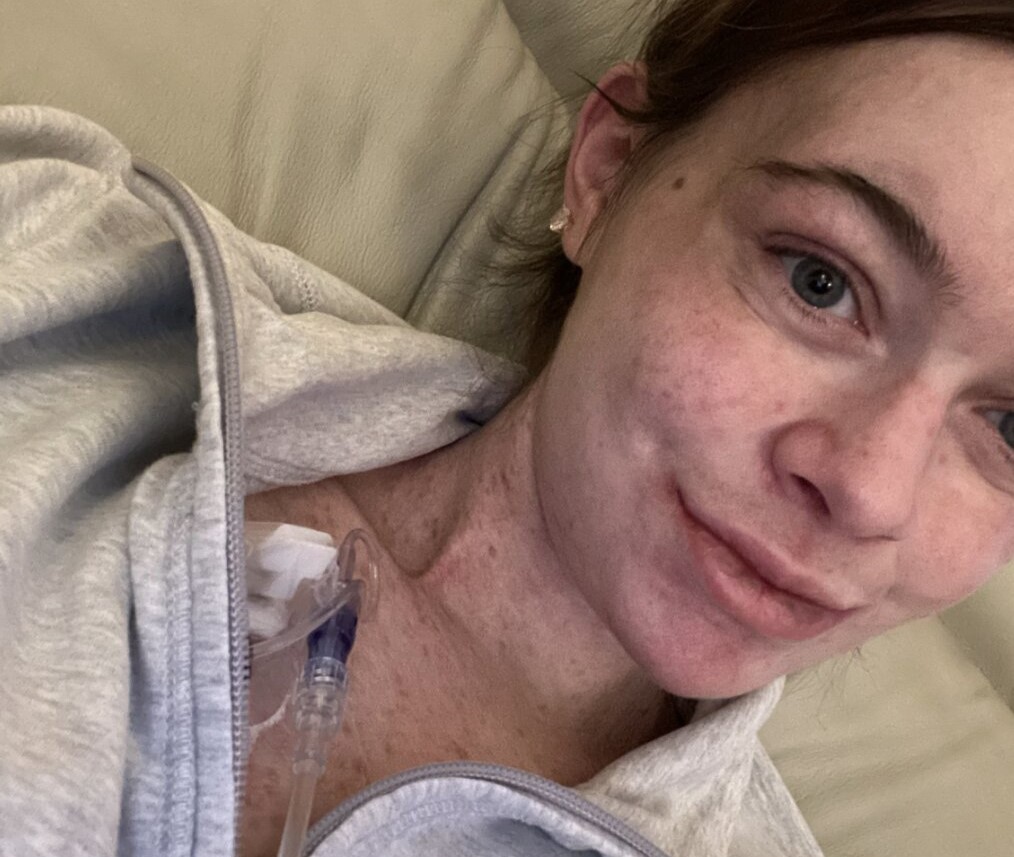
The ‘allergy’ is due to Jennifer’s skin becoming extremely photosensitive, with sun exposure becoming intolerable.
She had been suffering from a number of concerning symptoms, such as rapid muscle weakness, loss of mobility, painful rashes covering her body, and extreme fatigue.
Jennifer said: “I had to advocate for myself a lot during that time because, while I knew something was seriously wrong, many of the doctors I saw initially attributed my symptoms to things like stress, depression, or taking on too much.
“I was often told, ‘You’re young, fit, and healthy – just take it slow for a few weeks and see if that helps’.”
But as her symptoms began to worsen, it became clear that what she was experiencing was far beyond typical fatigue or stress.
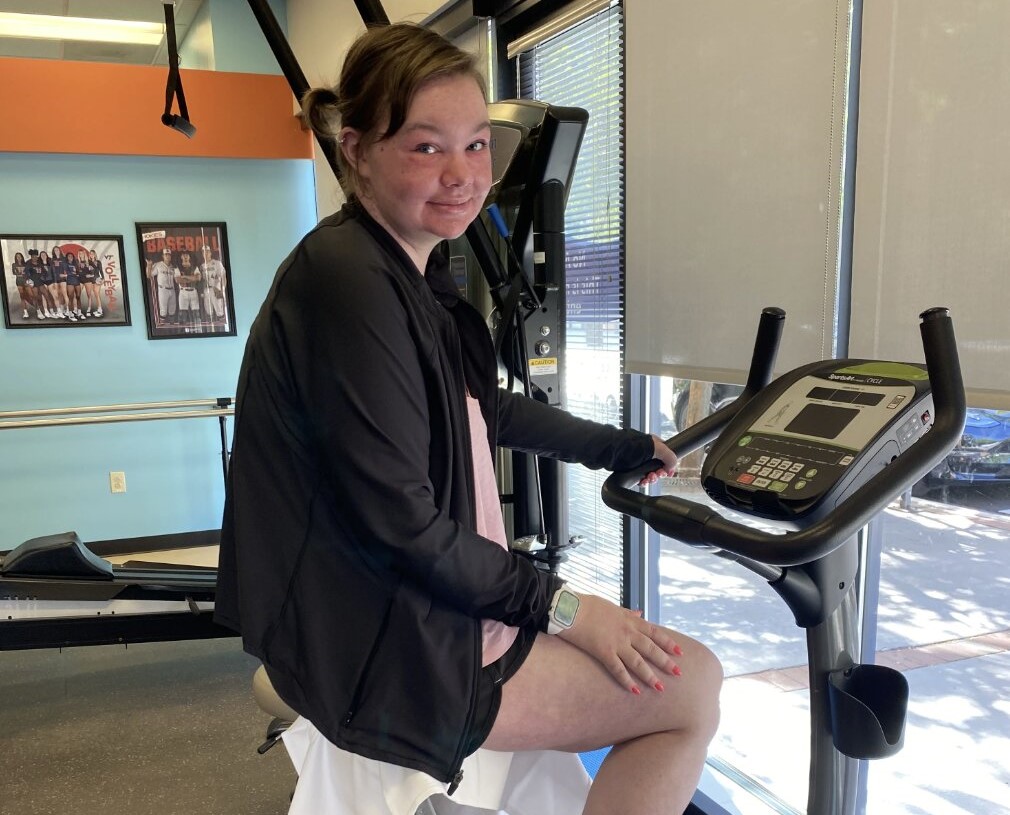
In December 2021, Jennifer was finally able to see a specialist who immediately recognised it as dermatomyositis.
One major symptom of Jennifer’s condition is what happens when she is exposed to the sun.
She added: “Even very short exposure can be dangerous – anything more than about 15 to 30 seconds can start to trigger those reactions.
“In some cases, that level of exposure can cause my skin to burn, blister, and then peel off.
“Even something as simple as sitting next to a window can cause my skin to burn, so it’s not just direct sunlight.
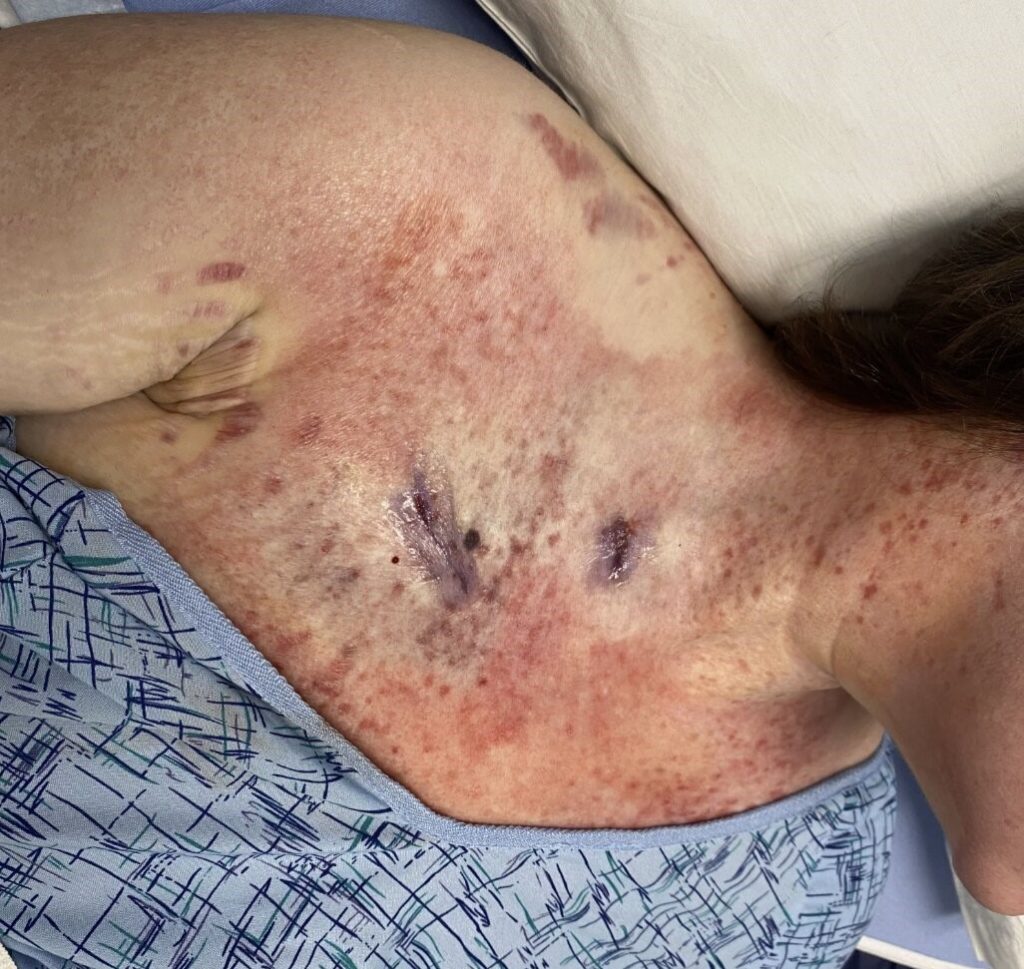
“I have to be mindful of everyday environments most people wouldn’t think twice about.”
Recalling when she first discovered her ‘allergy’, Jennifer said: “At first, it was really overwhelming and honestly a bit scary.
“The idea that something as normal as sunlight could cause that kind of reaction in my body was hard to process.
“It also felt isolating, because it’s not something most people think about or understand.”
Jennifer says she found it “hard to accept” that her life would need to change, particularly activities such as going to the beach, pool, tanning and running outdoors.
She added: “I get frustrated with my body and the limitations I have to live with.
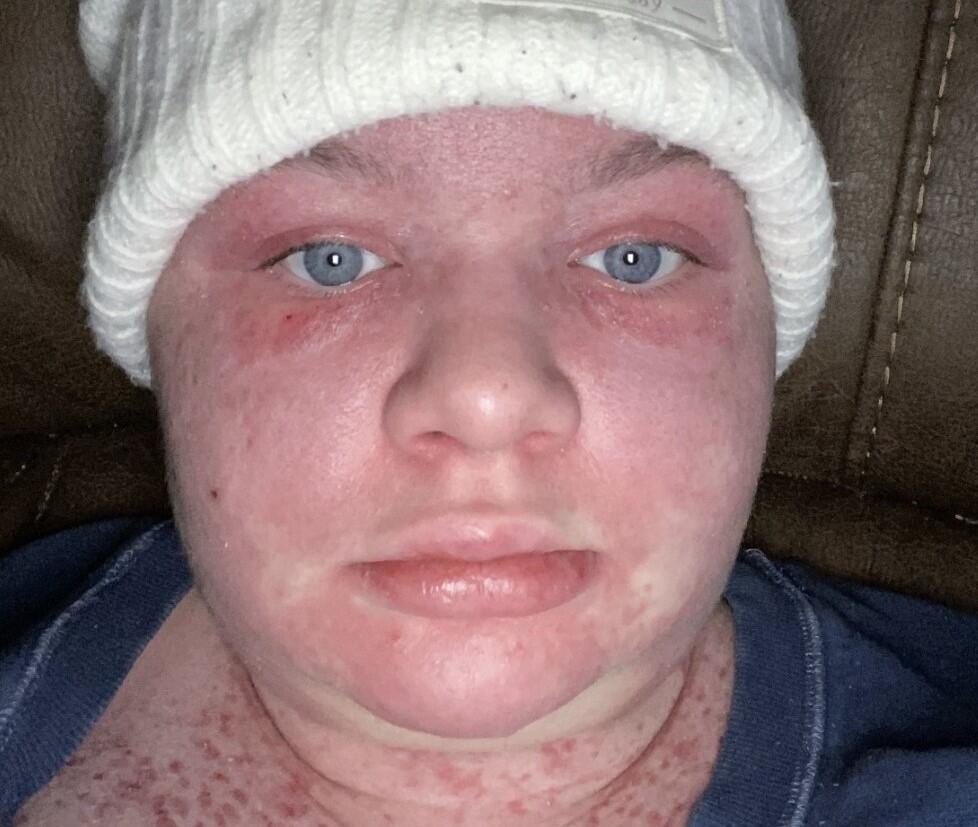
“However, I do put everything into perspective, and once I remind myself that one, two, and three years ago I was fighting for a second chance at life/ working so hard to walk again, I begin to appreciate everything I can do.
“I spent years wishing to be able to do everything I am capable of now, and being upset about outdoor activities seems small in comparison.”
The effects of sun exposure are especially concerning for Jennifer as she is immunocompromised from the treatments she receives to manage her condition, which makes healing and infection risk more serious.
She said: “Too much exposure can also lead to me losing my independence.
“Muscle weakness can be as extreme as losing my ability to walk within a matter of weeks after any significant sun exposure.”
Over time, she has learned ways to manage her symptoms and condition.
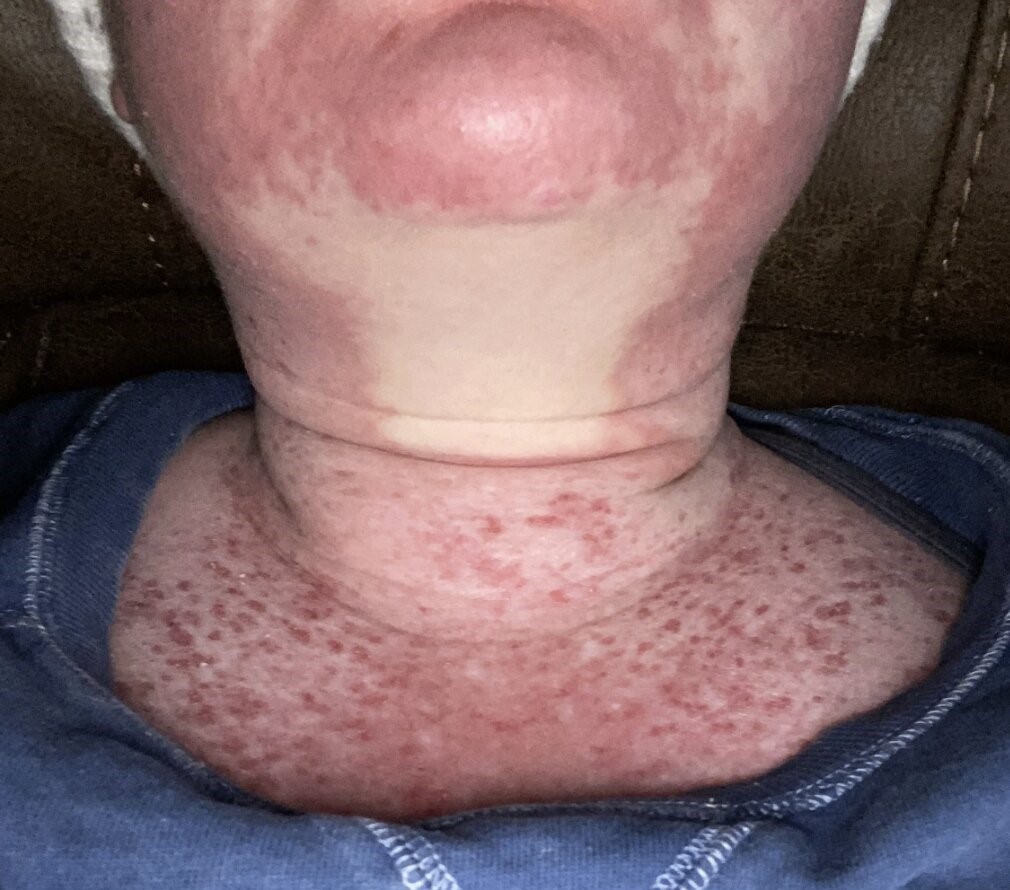
Jennifer said: “Learning safe ways to adapt has helped me realise that I’m still capable of doing most of the things I love – I just need to plan ahead and be more intentional about protecting myself.
“About 30 minutes before I go outside, I apply factor 50+ sunscreen to my entire body, making sure to cover areas people might not think about – like between my fingers, behind my knees, and around my ears.
“Once that’s set, I wear UV-protective clothing, including long sleeves, leggings, and closed shoes.
“I also add gloves, a sun-protective hat, and polarised sunglasses, and I keep a UV umbrella with me at all times.
“I take precautions even when I’m driving – my car has tinted windows to reduce UV exposure, since sunlight through glass can still trigger a reaction.
“I also use UV-protective hair products to protect my scalp.”
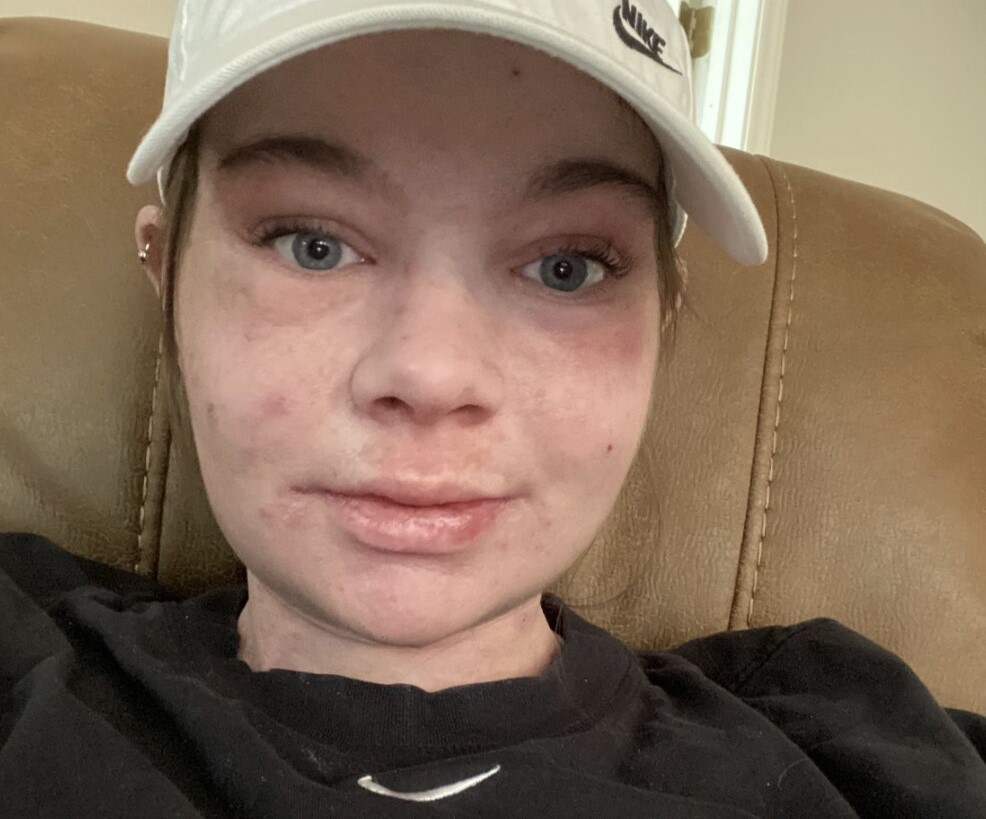
Jennifer also follows strict time limits – avoiding being outside between 10am and 4pm in the summer because the UV exposure is “too intense”.
But she suffers year-round with sun-related issues, though she is able to be outside during the day more, and doesn’t have to be quite as strict with things like fully covering her skin or limiting her schedule as much.
Jennifer’s treatment for dermatomyositis – including infusion therapies and medications – focuses on suppressing her immune system to prevent it from attacking her body.
But the young woman says life has still “changed drastically” since her diagnosis, having previously loved to be outdoors running, going to the beach or at the pool.
Now, every aspect of her life has to be adapted or reconsidered and Jennifer says she has “mourned” the previous version of her life.
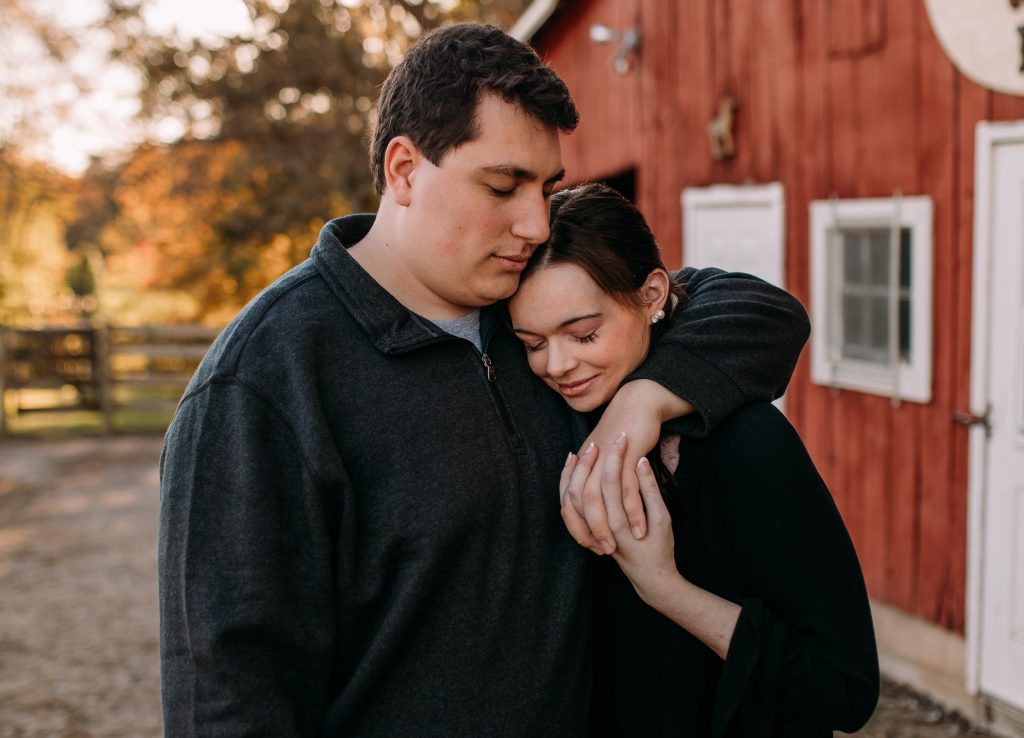
Jenifer was even forced to change her career path from medical device sales to Clinical Mental Health Counselling, due to the likelihood of it being too physically demanding and requiring frequent travel, while her wedding in 2025 was moved indoors to avoid sun exposure.
Jennifer added: “Going through something so life-altering, especially something that at one point was life-threatening, really clarified what matters most to me.
“I found a deeper sense of purpose in simply being present and showing up as the best version of myself for the people I love.
“I’ve also built a community online, which is something I never expected.
“Sharing my experience and connecting with others going through similar challenges has been incredibly meaningful.
“At this point, I often say I wouldn’t go back and change what I’ve been through.
“As difficult as it’s been, it’s brought the most incredible people into my life and helped shape me into someone I’m truly proud of.”
READ MORE: TV presenter, 46, sheds 8.5st to become bodybuilding champion ‘without pills or injections’