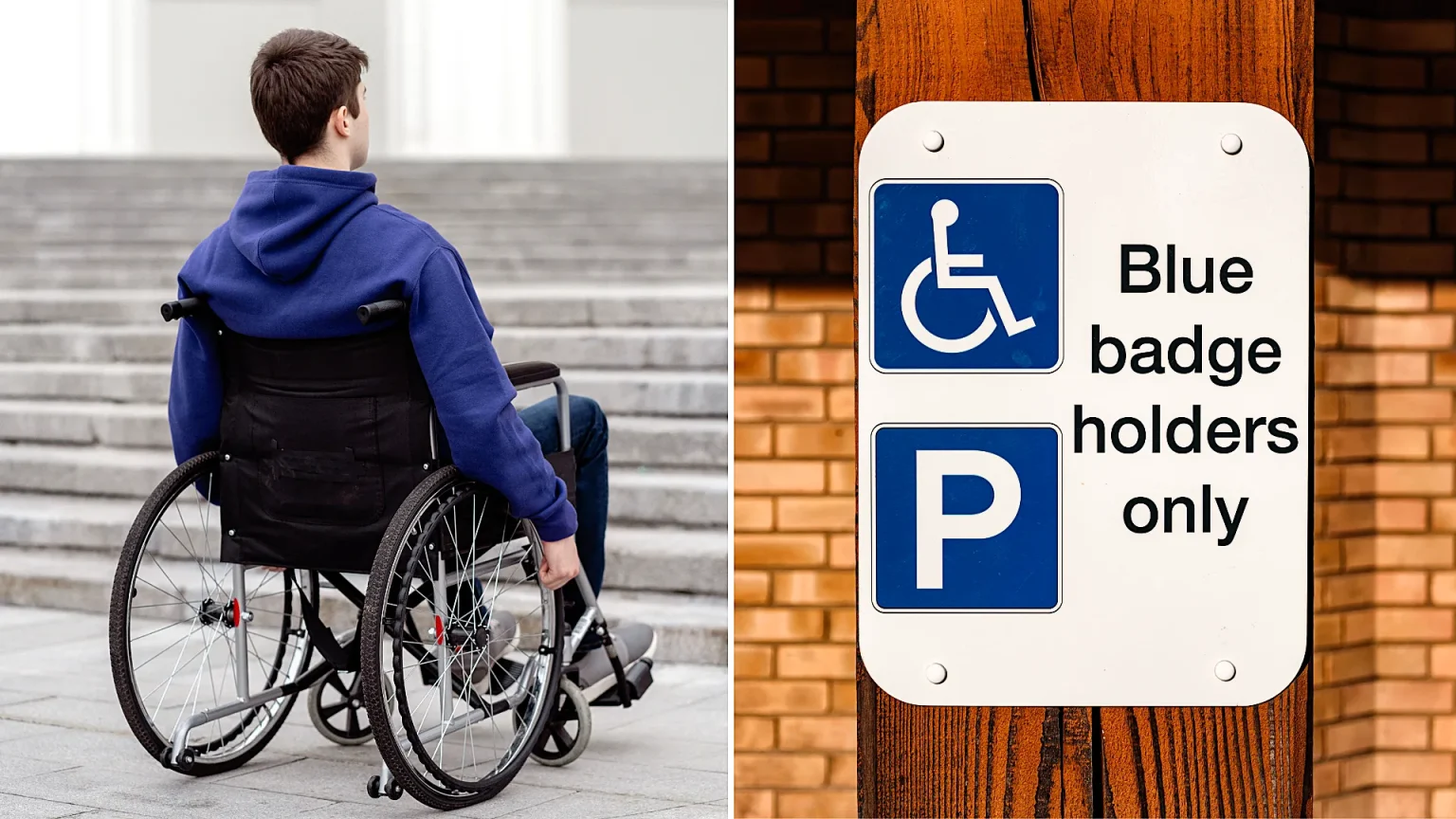

Brits who have a blue badge are being urged to stay alert for scam calls, texts and emails after a council data incident exposed the email addresses of hundreds of disabled residents.
City of York Council issued a public notice after an email update sent to Blue Badge holders in June allowed recipients’ email addresses to be visible to others.
The council said it acted immediately to contain the incident and launched its data breach procedures.
READ MORE: NHS nurse and mum of six killed in tragic car crash
It also apologised to residents, saying the protection of personal information was “extremely important”.
While the incident involved email addresses rather than financial information, privacy experts have warned that the context of the breach could still leave some people vulnerable to fraud, as reported by Need To Know.
Because the mailing list related to Blue Badge holders, recipients could potentially identify other people as being part of a group associated with disability, mobility issues or caring responsibilities.
Peter Nguyen, a privacy expert at Protect My Data, said Blue Badge holders across the UK should be cautious of unexpected messages claiming to be from councils, parking services or badge renewal teams.
He warned that fraudsters often use small pieces of information to make scams appear legitimate.
Nguyen said: “An email address may sound minor, but context matters.
“If that email address is linked to a Blue Badge mailing list, it can reveal something personal about someone’s circumstances.

“It is not just contact information – it can point to disability, mobility needs, health-related circumstances or the fact that someone may be more reliant on council services.”
According to Nguyen, the greatest risk following a council-related data incident is often not the exposure itself but the scams that can follow.
He said fraudsters may attempt to contact people claiming there is a problem with their Blue Badge, a renewal application needs verifying, or details need updating.
He added: “A scammer might say your Blue Badge is about to expire, your application has been flagged, your parking exemption needs confirming, or your account will be suspended unless you verify details.
“Those messages are designed to create anxiety.”
The warning is relevant to Blue Badge holders nationwide because local authorities across the UK administer the scheme and hold information about applicants.
Nguyen said people should be particularly wary of anyone unexpectedly requesting bank details, payment card information, passwords, National Insurance numbers, security codes or copies of personal documents.
He explained: “A council should not call you out of the blue and ask for banking codes, passwords or full card details to keep your badge active.
“If someone says you must pay immediately, share a code, or click a link to avoid losing your badge, stop. That pressure is the warning sign.”
Nguyen added that the most convincing scams often appear routine rather than dramatic.
He said: “The scam might look boring – that is the point.
“It may say ‘Blue Badge update’, ‘parking services’, ‘renewal check’ or ‘account verification’.
“People are more likely to trust something that sounds routine.”
Blue Badge holders have also been advised to be cautious of messages claiming there is an unpaid parking charge, badge misuse investigation or penalty notice.
Experts say anyone receiving such a message should avoid clicking links or calling numbers contained within it and instead contact their local council directly using official contact details.
City of York Council’s notice advised residents to stay safe online and referred people to guidance from the National Cyber Security Centre.
It also encouraged anyone who believes they have been targeted by fraud to report it through Report Fraud, the UK’s national fraud and cybercrime reporting service.
Nguyen said family members and carers should also remain vigilant.
He said: “Many Blue Badge holders have family members or carers who help with forms, renewals and council contact.
“Scammers may try to pressure either the badge holder or the person supporting them.”
He added that anyone who has clicked a suspicious link, entered personal details or shared payment information should act quickly by contacting their bank, changing passwords and reporting the incident.
The Blue Badge scheme helps people with disabilities or health conditions park closer to their destination and is used by millions of people across the UK.
Experts say that makes it a potentially attractive target for fraudsters looking to exploit concerns about losing access to an essential service.