

A British mum has been ‘forced’ to quit her career in order to provide 70 hours of unpaid care weekly for her son after a common virus contracted in the womb left him brain damaged.
While Stephanie Whitelock was pregnant with her second child, she couldn’t help but feel excited about the future that lay ahead.
But, while in the womb, he wasn’t entirely safe.
READ MORE: Neurologist says healthy hobbies like weightlifting and yoga can cause a STROKE – here’s why
Despite not having any obvious symptoms, her tot, Gabe, had contracted a common virus called congenital cytomegalovirus (CMV) which meant he’d be born with serious learning and physical disabilities.
And, a few months after the 46-year-old gave birth, it was clear that newborn life wasn’t exactly what she expected it to be.
Now, the future she once was excited about has resulted in her being ‘forced’ to give up her job and provide 70 hours of unpaid care per week for her son due to a lack of support.
“When I look at my friends, I know my retirement will look very differently,” Stephanie, who worked in student services for 12 years, from Surrey, told Need To Know.
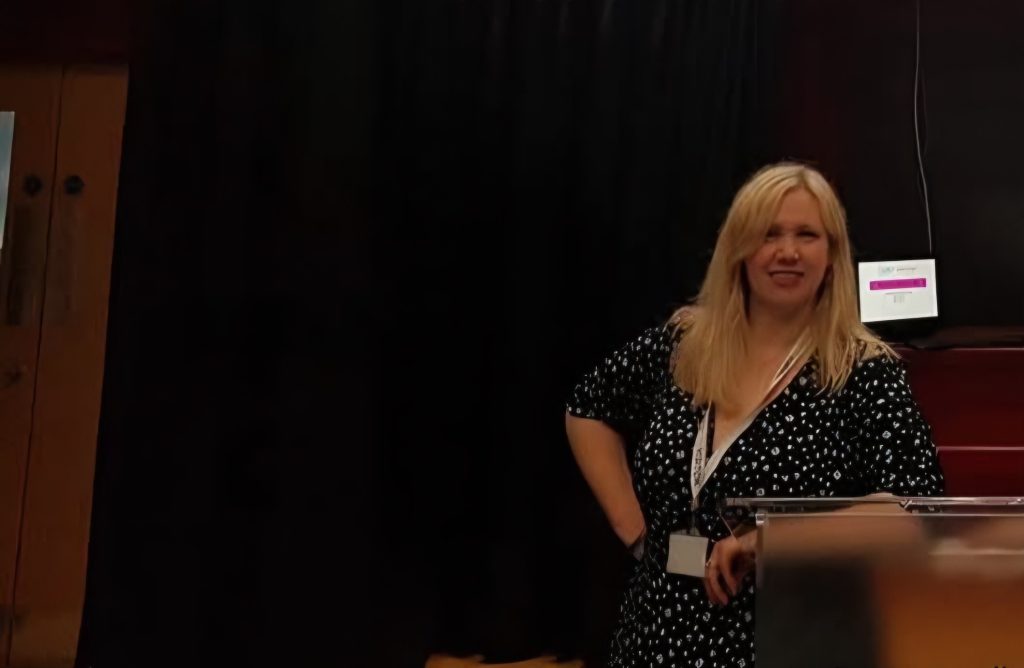
“Caring means I’m not bringing in any income.
“I went part-time initially after Gabe was born, but things became too difficult with appointments, therapies and caring responsibilities.
“Eventually, I had to give up my job completely when things got too hard in the early years of my son’s life.
“The biggest financial sacrifice we’ve made has been my career.”
Stephanie, along with husband, James, 49, an IT consultant, welcomed Gabe in November 2015.
Despite doing everything she could to ensure a healthy baby, including not eating pate and soft cheese, nothing could prevent her baby’s fate.
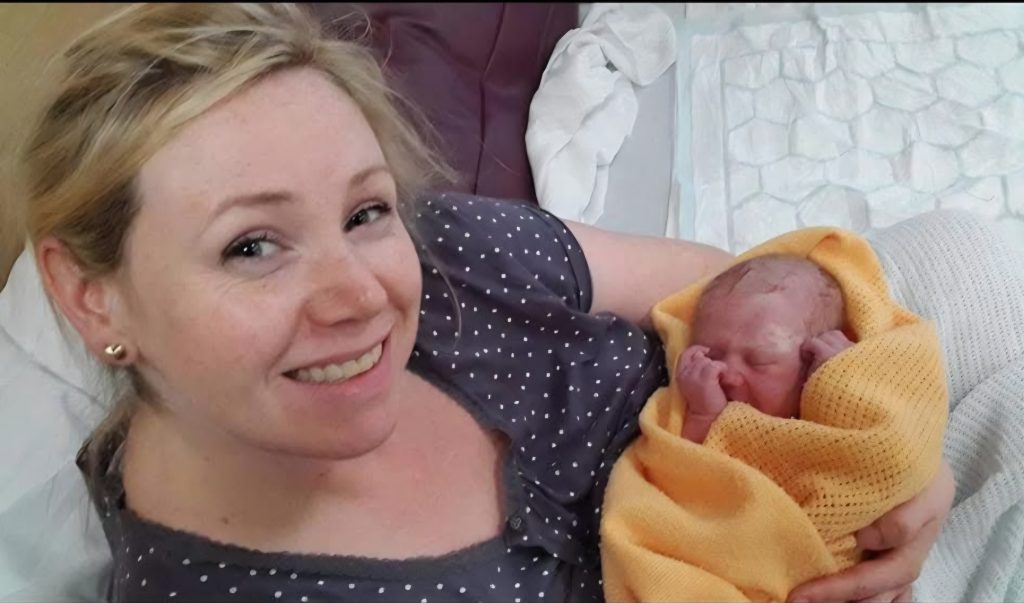
CMV is easily caught; kissing, simply eating and drinking using the same utensils or playing with the same toys can transmit the life-changing disease.
And, worst of all, it displays little-to-no symptoms.
Gabe struggled to reach his milestones and his head was a bit small in comparison to his body.
It was around his first birthday that his diagnosis was confirmed; though it’s estimated that at around 20 weeks, his brain stopped developing completely.
Now, he suffers from cerebral palsy, autism and a learning disability.
He also uses a wheelchair and requires on-the-clock support with his mobility, communication and everyday activities.
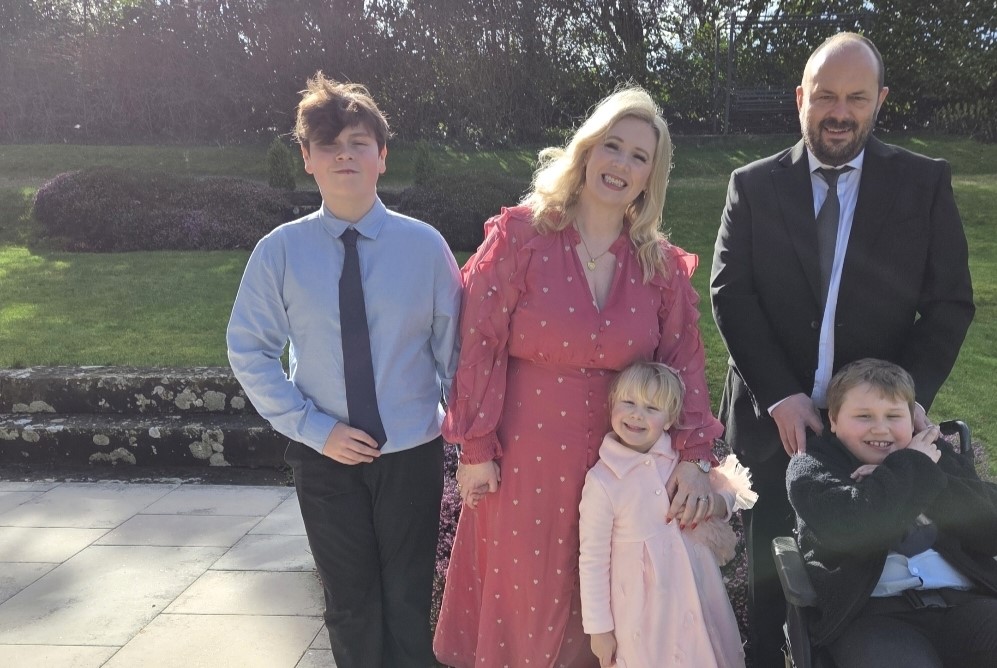
As a result, the family-of-five, including Ned, 13 and Primrose, four, are struggling both financially and emotionally.

Especially as costs associated with Gabe, such as mobility aids, health care related expenses and specialist equipment is only increasing.
And despite receiving £750 per month in carers’ allowance; it’s not cutting it.
She said: “Disability clubs are often much more expensive than general activities and specialist equipment, such as sensory toys, can cost significantly more than the ordinary.
“Even clothing costs more.
“Because Gabe wears a leg splint, we have to buy two pairs of shoes to make sure they fit properly.
“Finances contribute hugely to my anxiety and well-being – and the fact it will always be this way.
“We’ve had to use credit cards and take out a loan to help cover costs.
“I live with the awful thought of what happens when we can no longer care for him in the future.”
Her story comes as new figures show that 8.9 million adults in the UK provide unpaid care, according to Understanding Society.
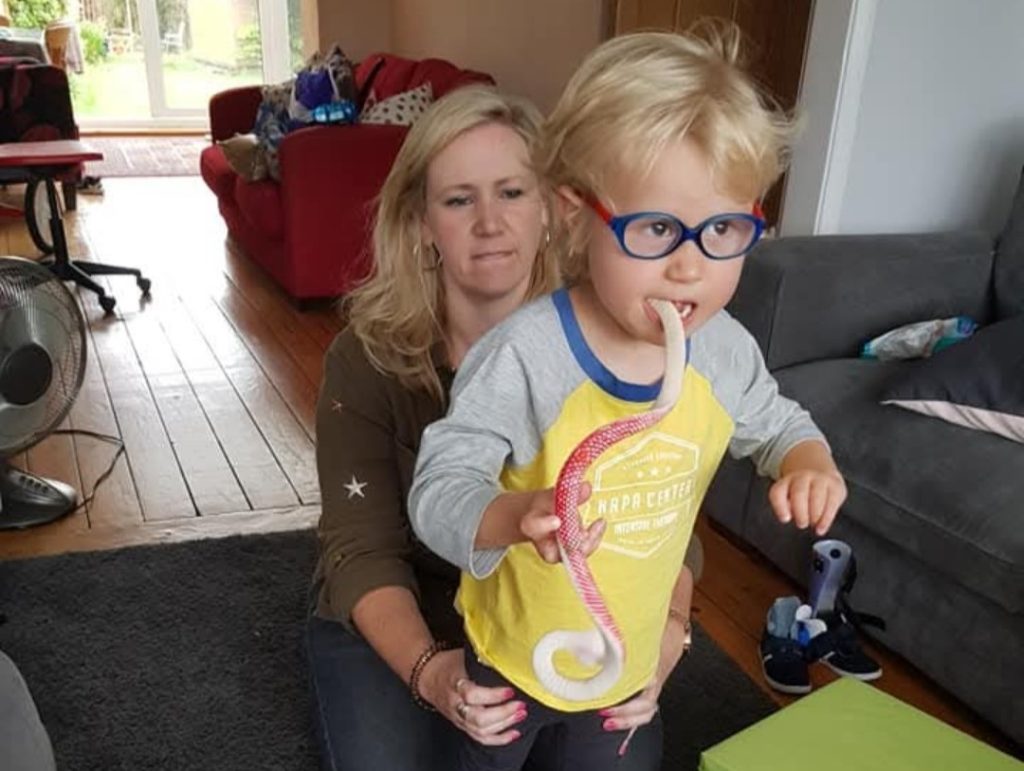
Stephanie estimates she spends around 70 hours doing unpaid care weekly.
Before, while working, she would use up all her annual leave, unpaid leave and time-off allowances to cater for Gabe’s needs.
Ultimately, she had to quit.
It’s left her feeling “very isolated” at times.
Only recently has she been able to find a role as a lunchtime co-ordinator at a nursery, of which she’s able to do during Gabe’s school hours.
Even then, the emotional exhaustion felt is high.
Stephanie said: “Once it became evident that Gabe wouldn’t have the same independence as other children around the age of three or four, my husband and I considered ourselves carers, as well as his parents.

“Some nights, if he wakes and can’t get back to sleep in the early hours, we are up to give him nightly medication.
“The physical aspect really takes its toll on your body.
“The exhaustion is on another level because you’re physically tired, but also tired from the mental load of appointments, therapy and medication.
“We have to be able to make an appointment or therapy session.
“And with services being so overstretched, we don’t have the luxury of turning them down.
“It’s hard to find time to do things for yourself, especially if there is no one suitable to look after him.
“His brother and sister need me too.
“I often feel as if my time is constantly torn between making sure all the children have what they need and feeling guilty I’ve not given each of them enough attention.

“And my husband and I have no time together.
“We’re often doing separate things as Gabe finds lots of activities that his siblings enjoy too overwhelming or not physically possible.
“It’s [tricky] to find time for our relationship, as caring for the children, especially Gabe, takes priority.
“It’s extremely difficult and I haven’t found that balance yet.
“Something always slips and then I feel awful about that.
“I end up with burnout.
“Respite is one way to just have a break from the caring responsibilities which would ease the mental and physical load.
“But this is so hard to find.
“It has to be the right place or person.
“At the moment, we haven’t been able to find anyone we feel would be suitable to care for him.”
The family are currently being supported, however, through money-saving platform, Purpl.
It offers those with disabilities discounts, offers and coupons on vital products, as well as everyday ones.
Georgina Colman, founder of Purpl, said: “One of the biggest challenges facing unpaid carers is that many don’t even realise they are carers.
“They see themselves as a daughter helping a parent, a husband supporting a wife, or a friend stepping in where needed.
“You become a carer without ever being given the title, yet the responsibilities, emotional pressure and financial impact can be enormous.
“For many families, caring responsibilities develop gradually over time.
“What it really looks like is constantly managing complex care needs, providing emotional support and covering high additional costs on top of that.
“Many people never access the support available to carers because they don’t even recognise that the role applies to them.”
Stephanie added: “How we view care needs to change.
“It is a massive task to care for someone, but also a privilege, so it should be valued far more.
“And with the paid care sector in disarray, unpaid carers are picking up the slack.
“But we are reaching a crisis point where we need to look after unpaid carers before they burn out.
“Despite all of this, I consider it a huge privilege to care for my son and be his advocate.
“He is a wonderful, smiley and giggly boy who brings so much joy to our lives and those around him.
“We will do anything and everything to give him the best life possible.”
READ MORE: Holiday horror as Brit’s ‘eye bags’ lead to mystery illness – trapping her in Greek hospital