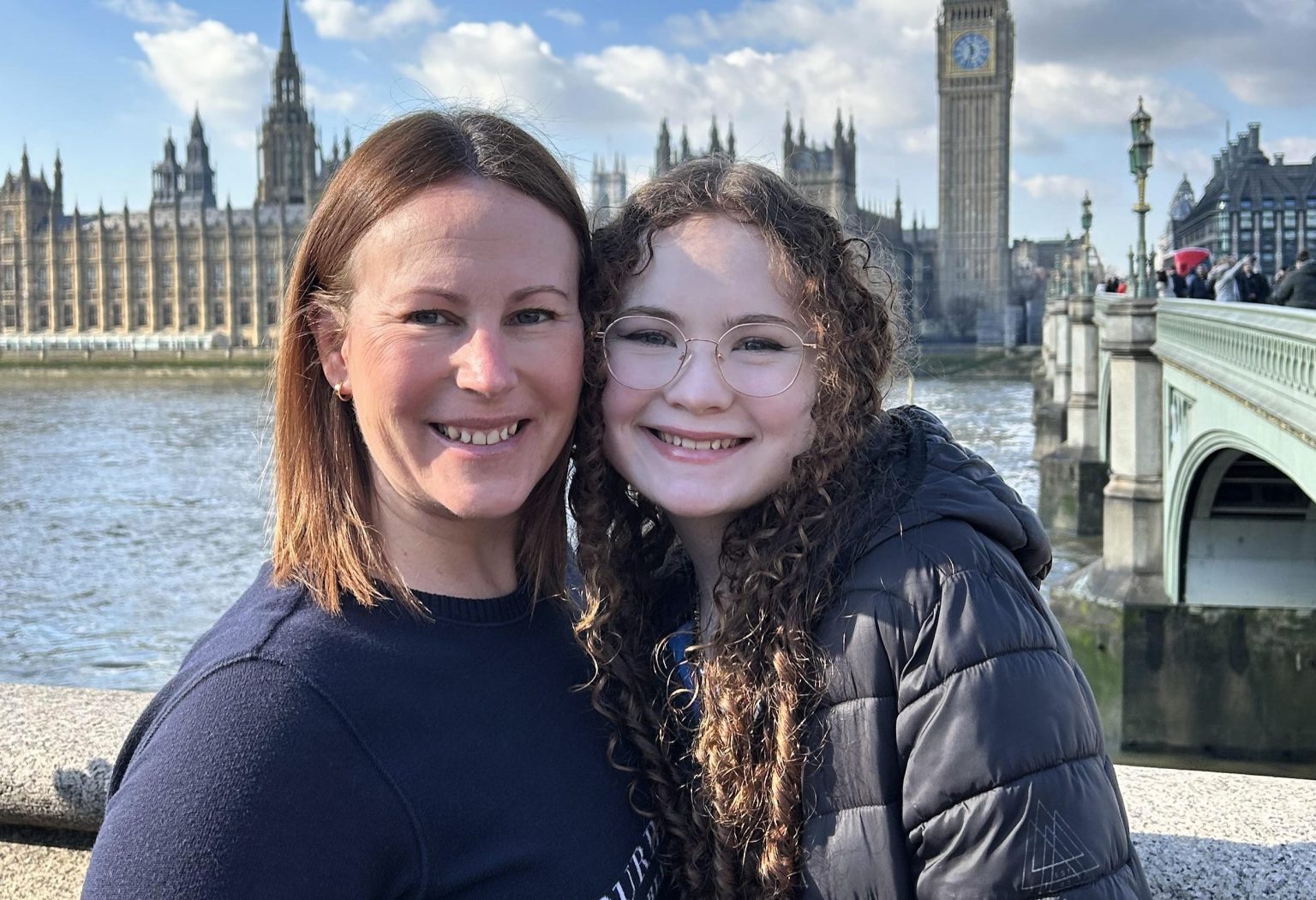

A mum is issuing a harrowing warning to fellow parents to look out for this warning sign after her teenage daughter was diagnosed with “silent killer”.
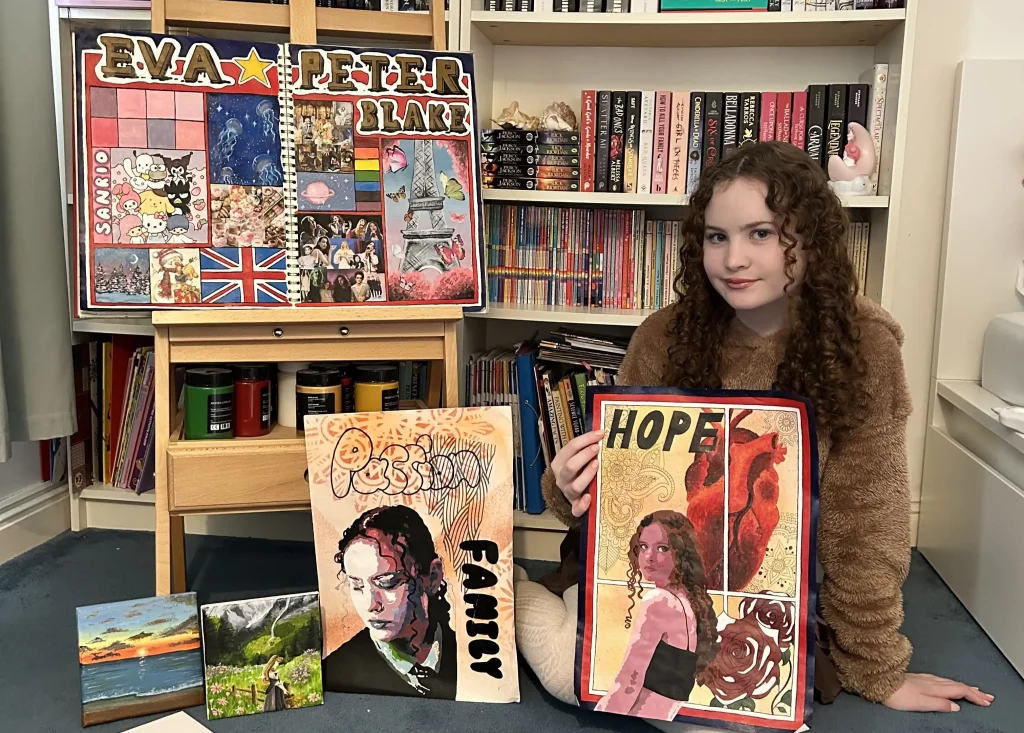
Eva Rainey would spend most evenings in her room doing art and homework.
But the 16-year-old’s routine was hiding a life-threatening secret.
READ MORE: ‘I went from planning my wedding to organising my funeral in a few weeks’
A lump, the size of a grapefruit, had developed in her back; which had gone unnoticed.
The teenager, from Somerset, shrugged it off and thought it’d disappear on its own – but after a few weeks, it was still there.
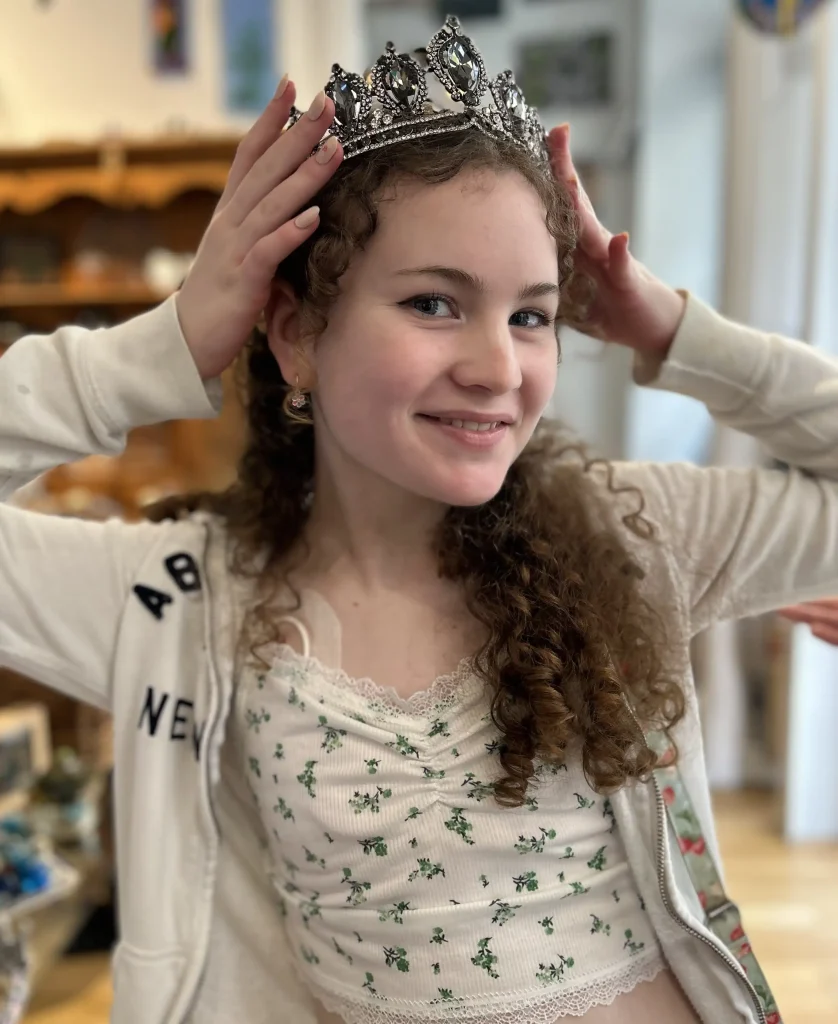
Eva, who had no other symptoms, was diagnosed with a “silent killer” form of cancer.
And it’s estimated that without treatment, of which there’s little-to-none available, she only has five years left to live.
“It feels as if cancer has stolen not only Eva’s, but our lives and future, too,” the teenager’s mum, Jennifer, 48, told Need To Know.
“Everything is so uncertain right now.
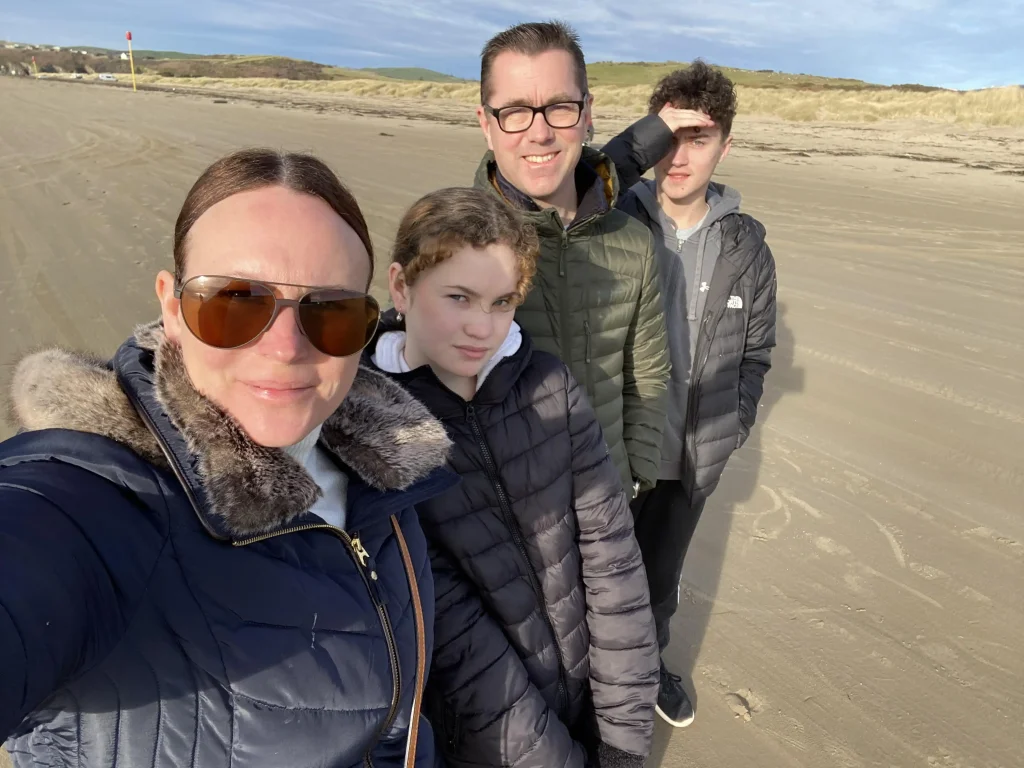
“We’re trying not to think in terms of years and dates, but rather on her quality of life.
“It’s really exhausting, though.
“I just thought the back pain she had complained of was because she was sitting at her desk for far too long doing art and homework.
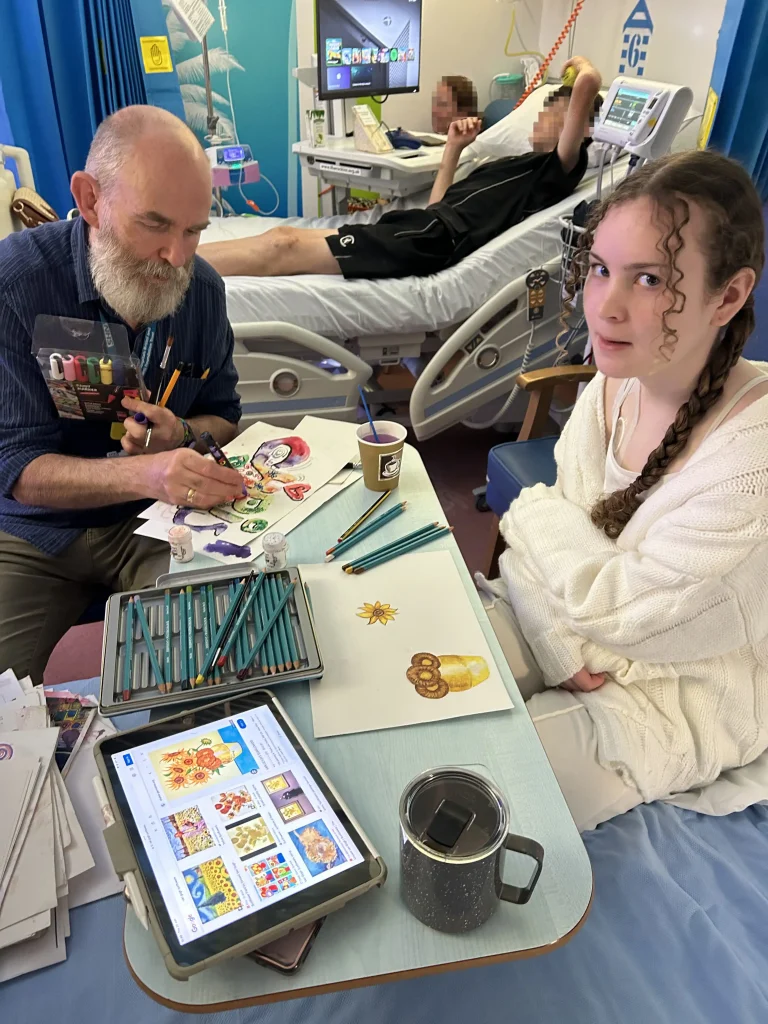
“For a long time, there had been no visible lump at all – and when one appeared, it was tiny.
“I never dreamed it could be cancer.
“I fear how the disease will progress and not knowing is equally frightening.
“We still talk about Eva’s future, but we have conversations about death and funerals, too.”
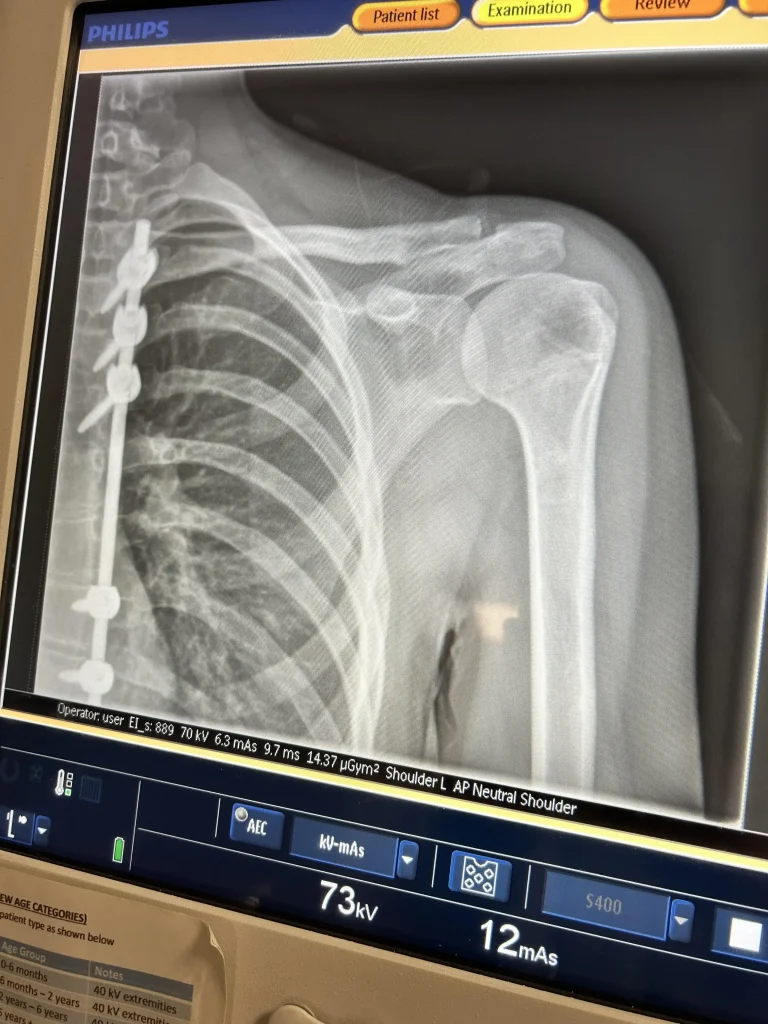
Eva was diagnosed with sclerosing epithelioid fibrosarcoma, an aggressive form of soft tissue cancer.
It’s characterised by small, round tumours that recur and spread rapidly to other parts of the body.
Symptoms are usually far and few between.
It’s so rare that there is little data recorded on how many cases there are worldwide, according to the National Cancer Institute.
For Eva, her limited treatment options have dwindled and now, it’s spread across her entire body.
Her mum, Jennifer, has had to give up her career as a teacher to care for her daughter full-time.
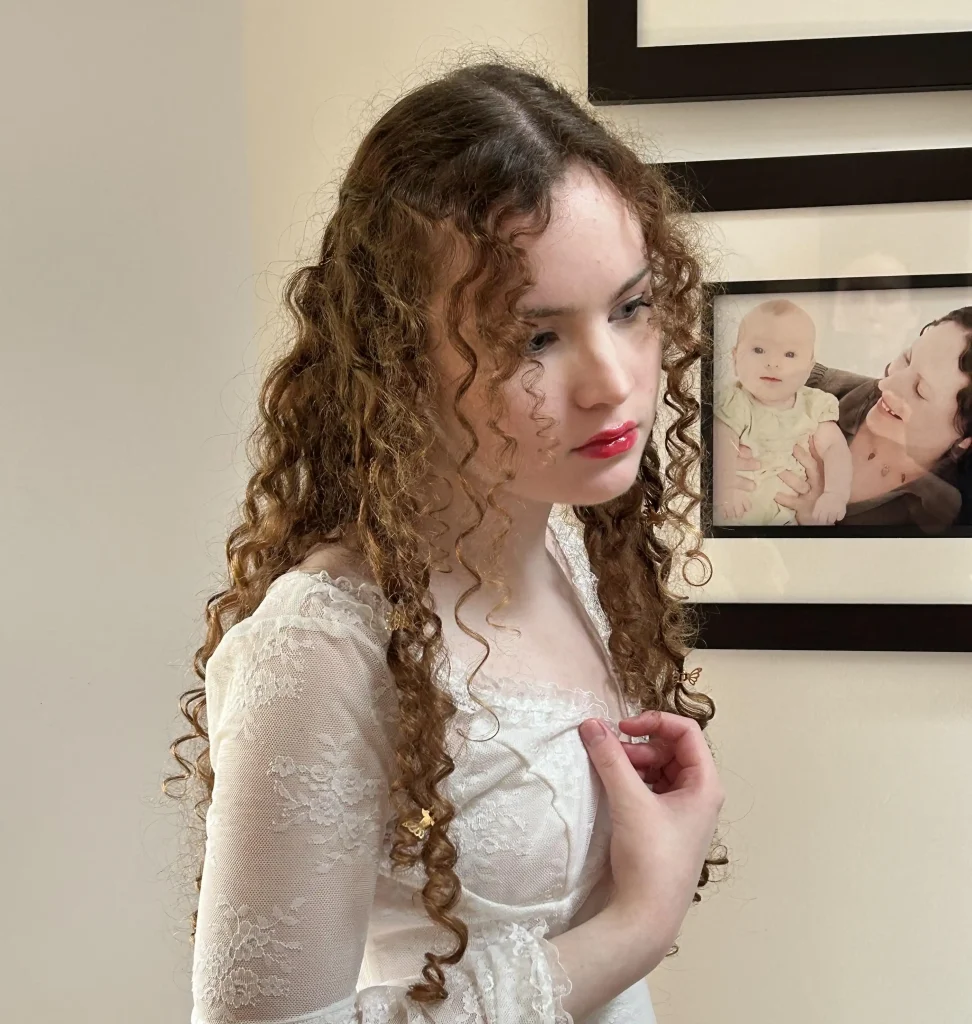
She said: “It’s been awful.
“Just one terrible revelation after another.
“It was agonising to learn that she needed chemotherapy, but then being told it wouldn’t work.
“They feared it’d be inoperable, but we found a surgeon who could do it.
“We live with uncertainty and this burden on us daily.
“For now, we’re just going to keep living until we stop.”
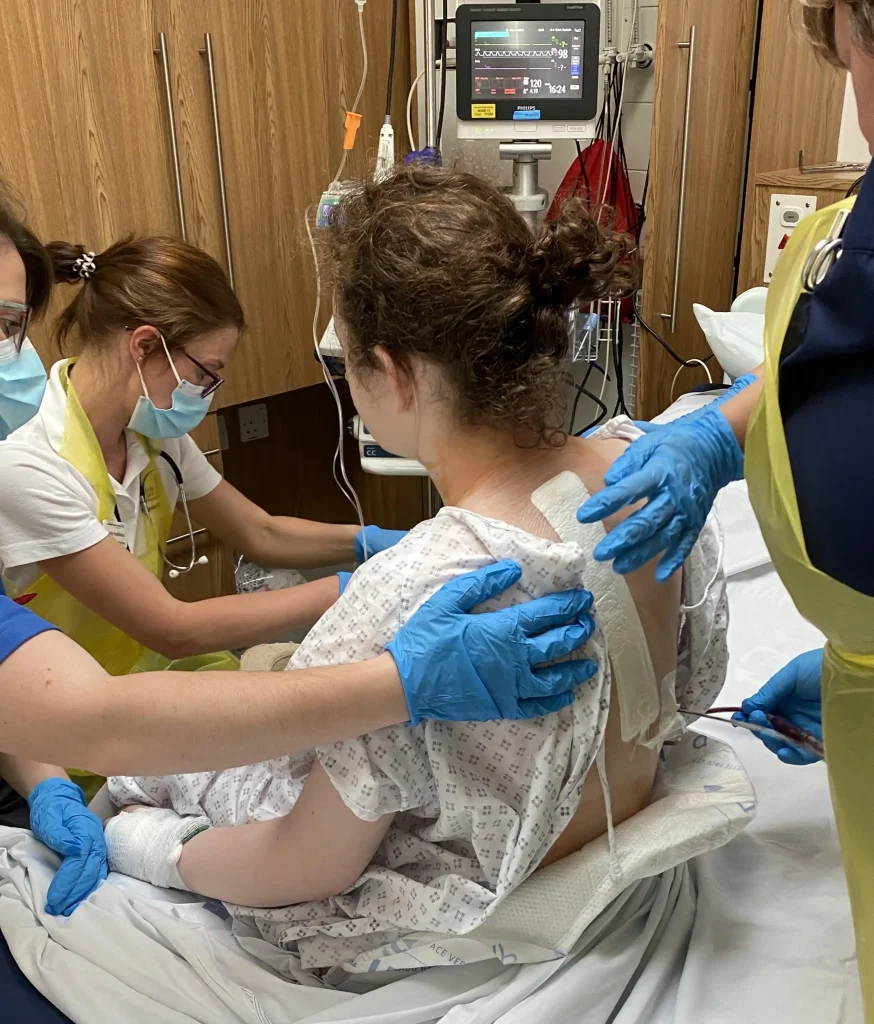
Eva currently has cancer in her bones; specifically in her leg, spine, scapula and hips.
She’s had to undergo surgery to have parts of her ribs and spine removed to extract as much of the disease as possible.
To give his daughter the best chance of life, Paul – a molecular biologist – has drawn on his contacts in the industry to help.
A drug, which is used in the US to treat cancer patients of this type, was given to Eva on a “compassionate use” basis.
Due to the lack of clinical proof that it worked, though, this was then stopped.
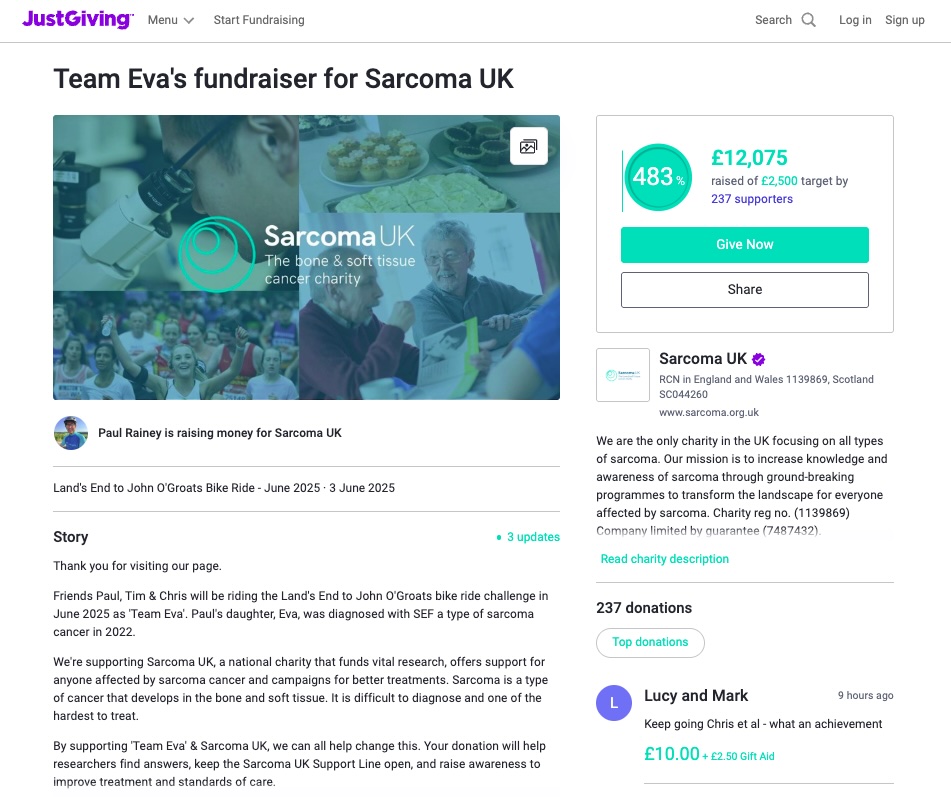
Paul is now raising money to help fund research into finding a cure, including a 1,000-mile bike ride from Land’s End to John O’Groats.
He added: “The rarity of Eva’s cancer type means her future is uncertain.
“We live in hope that something new will come along from clinical research and save our little girl’s life.
“It would be great to raise some money so that some clinical trials could take place – if not for Eva, but for someone in the future.
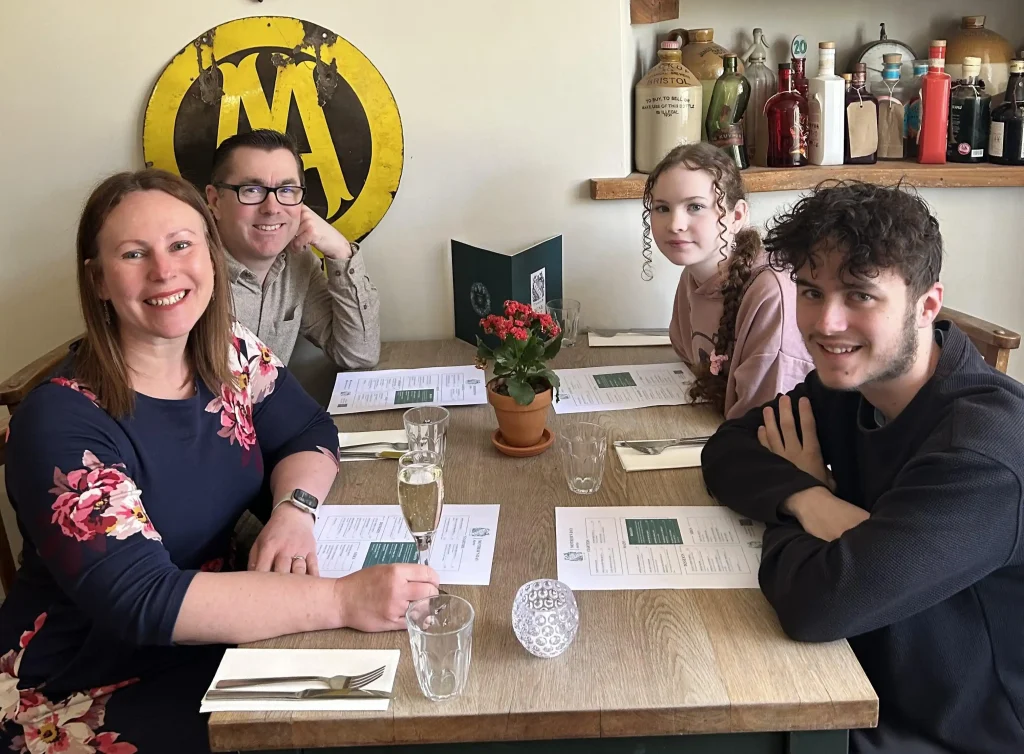
“If you saw her, you’d think there was nothing wrong – she’s like every other teenager.
“But we’re in a situation now where things are just going to keep going downhill and there’s nothing we can do.
“It’s been an absolute rollercoaster.
“Eva just keeps going, though.
“She still goes to school and is in her first year of GCSEs.
“And has hope for the future.
“We don’t want to take that from her.”
Sarcoma UK is funding two research projects to understand the biology behind the rare form of cancer to find a cure.
Emily Williams, from the charity’s research team, said: “SEF is an ultra-rare cancer where clinicians are working almost blind – they don’t have the molecular roadmaps or biomarkers that could help predict which treatments might work for which patients.
“Instead of the trial-and-error approach faced – trying immunotherapy, then Pazopanib, with no way to predict their effectiveness, future families could have precision medicine tailored to their child’s specific tumour biology.
“These projects represent the detailed scientific work that could mean the difference between hope and answers for the next young person diagnosed with an ultra-rare sarcoma.”


