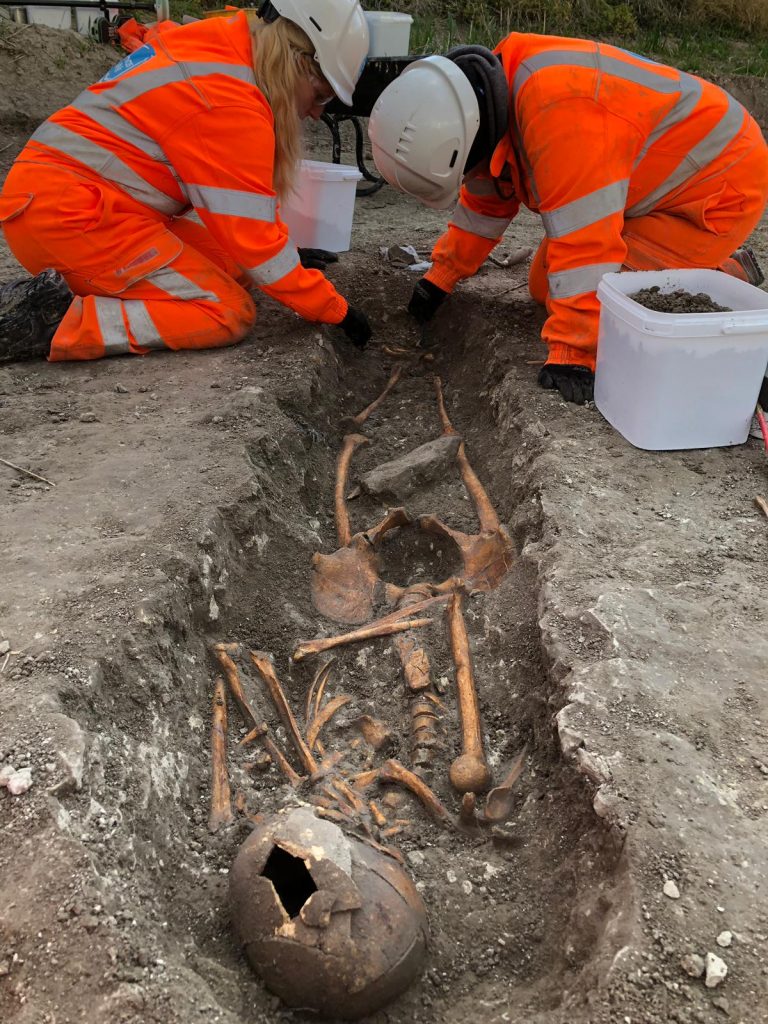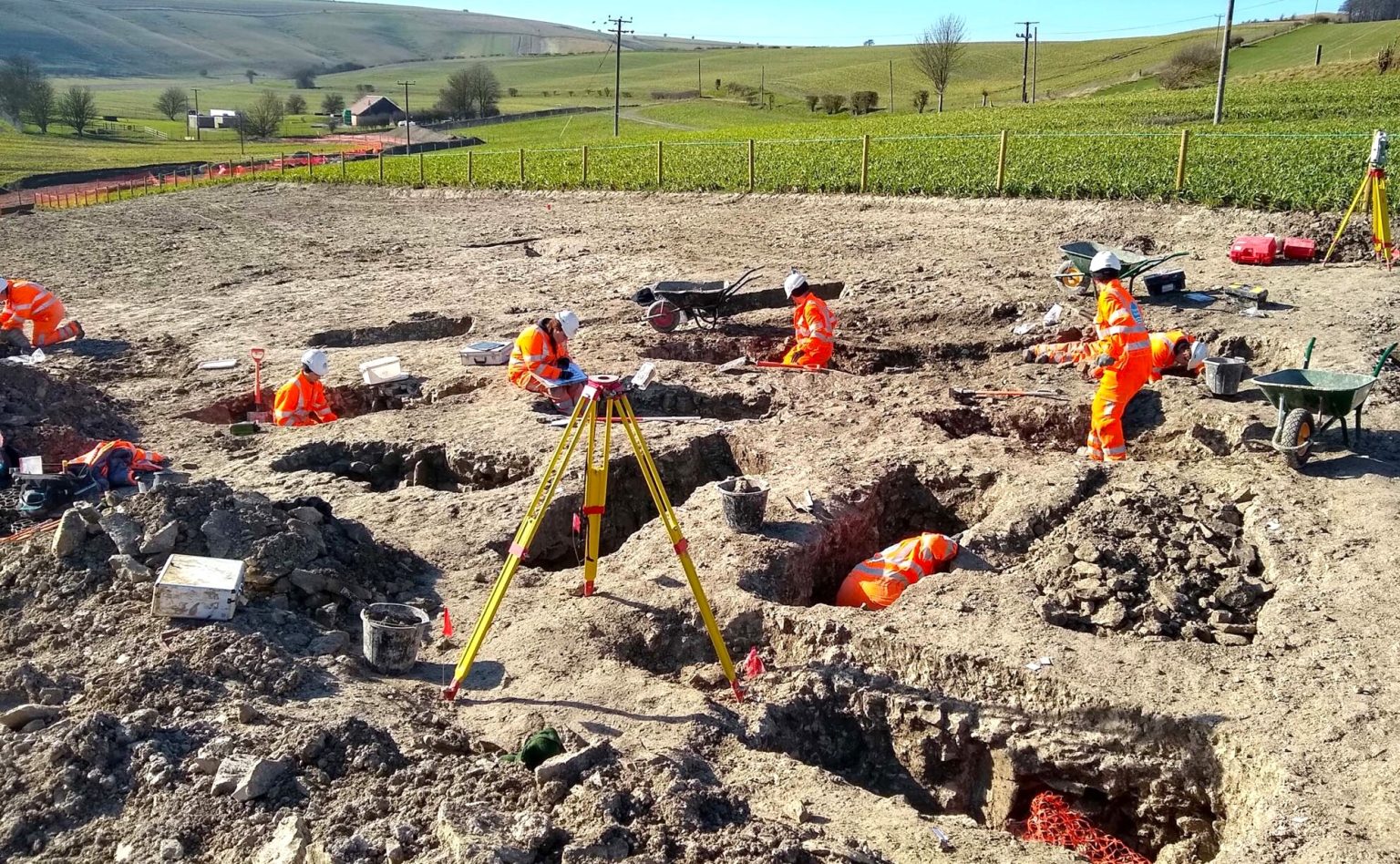

The remains of two ancient families buried together in a rural cemetery have given a rare insight into life – and death – in Roman Britain.
Archaeologists uncovered the graves at Childrey Warren, in Oxfordshire, where more than 30 burials dating back nearly 2,000 years were found.
Experts say the discovery reveals how communities lived, died and stayed connected through generations.
READ MORE: ‘Hero’ comedian stops street brawl as man attacked in broad daylight
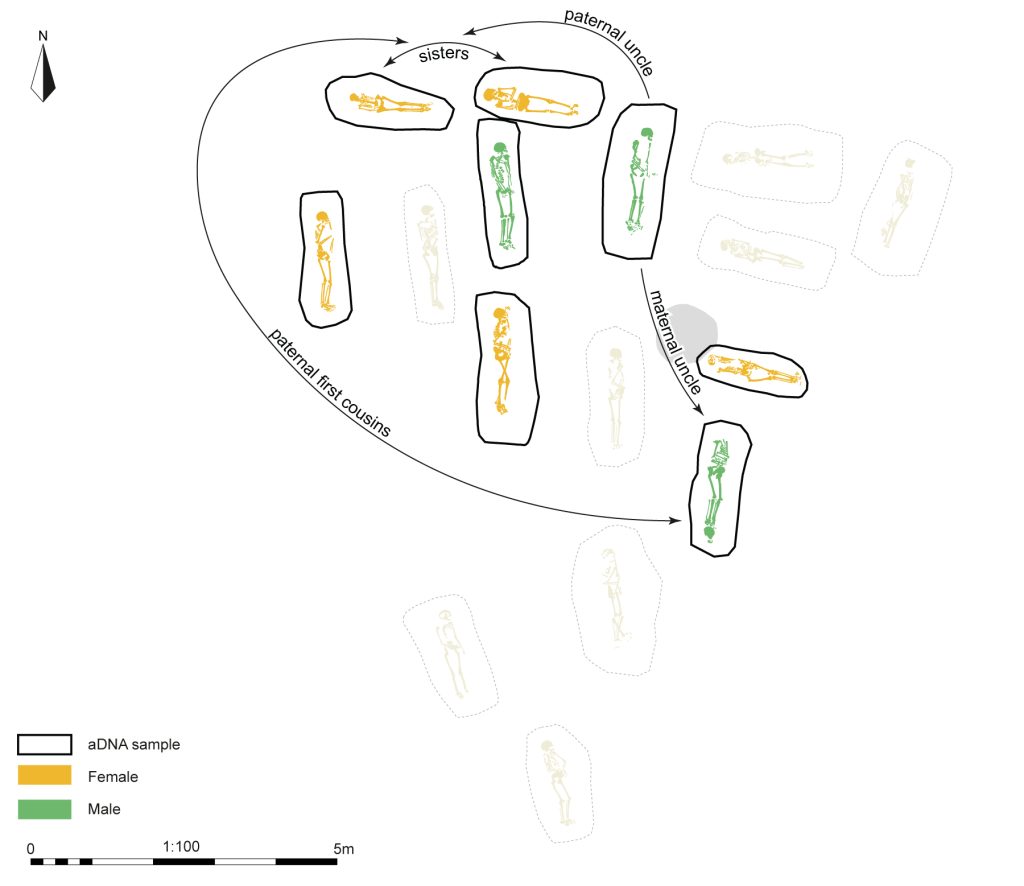
Ancient DNA testing carried out on eight individuals showed that at least six of them belonged to two closely-related family groups.
The findings included sisters, cousins and uncles, with one family possibly spanning up to four generations.
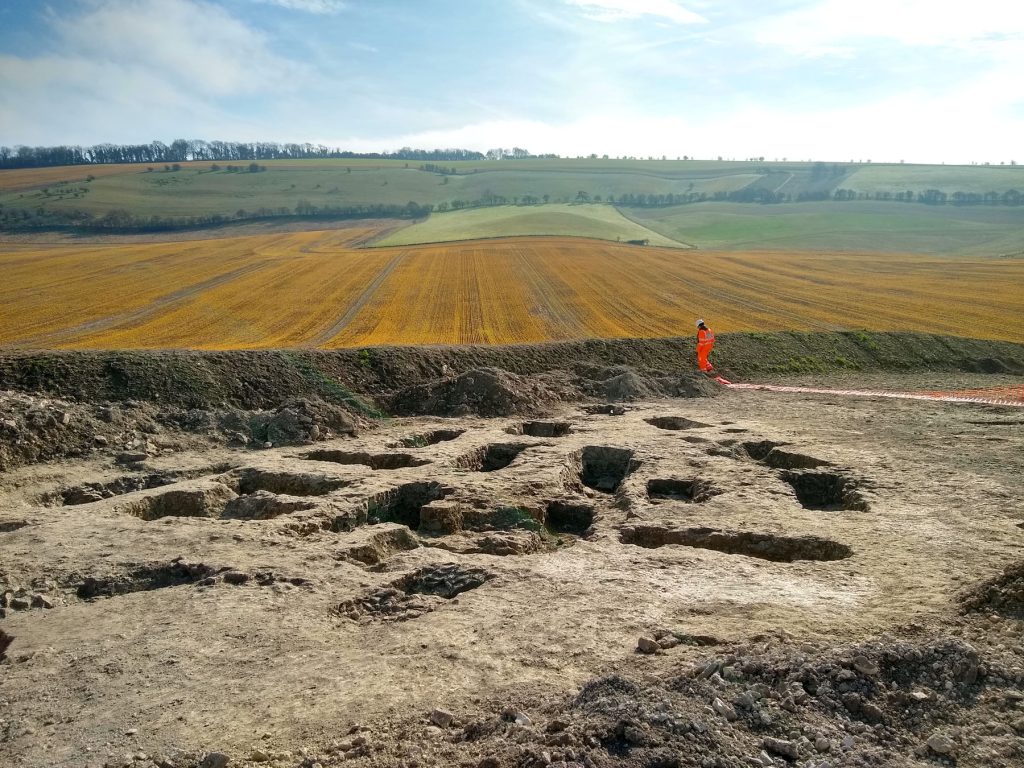
Researchers say it suggests relatives were deliberately buried together in the same cemetery, maintaining family ties even in death.
The burial site dates back to the late Roman period in the 4th century AD and included individuals ranging from newborn babies to adults over 45.
One of the skeletons showed unusual burial practices, with the body decapitated and the skull placed at the feet.
Experts say such discoveries help paint a clearer picture of everyday life in Roman Britain beyond grand villas and cities.
Most of those buried had ancestry consistent with earlier Iron Age populations, indicating continuity in local communities after the Roman conquest.
However, one man showed genetic links to continental Europe, suggesting connections with wider parts of the Roman Empire.
Archaeologists say combining DNA analysis with traditional methods is transforming what we know about the past.
The research provides a rare glimpse into how families lived, interacted and were remembered in Roman Britain.
READ MORE: Dealer cuffed on Stansted runway as ‘Vito Line’ trio jailed over 100 cocaine deals